Let’s be honest—when we hear the word almsgiving, we might think, “Okay, donate something and check the Lent box.” But there’s more to it than that.
For Catholics, especially during Lent, almsgiving is not just about giving something away. It is about asking a deeper question: What do I have that someone else truly needs—and am I willing to part with it? Not just conveniently, but sacrificially.
Almsgiving is one of the three pillars of Lent—alongside prayer and fasting—but it is often the least understood. In a world where giving can feel transactional or tied to tax receipts, the Church invites us to rediscover it as a spiritual discipline, not just a charitable act. The Catechism puts it plainly: “Almsgiving is a witness to fraternal charity: it is also a work of justice pleasing to God” (CCC 2462). That changes things. It is not optional. It is not extra. It belongs to the Christian life.
St. Gregory the Great deepens this even further when he says, “When we give to the poor, we are not giving them what is ours, but restoring to them what is theirs.” And St. John Chrysostom is even more direct: “Not to enable the poor to share in our goods is to steal from them and deprive them of life.” The goods we have—time, money, talents—are entrusted to us, not simply for ourselves. St. Basil the Great reminds us, “The bread you store belongs to the hungry; the cloak you keep hidden belongs to the naked.” This is not poetic exaggeration. It is a sober reminder that almsgiving is about detachment from what we have and attachment to Christ in others.

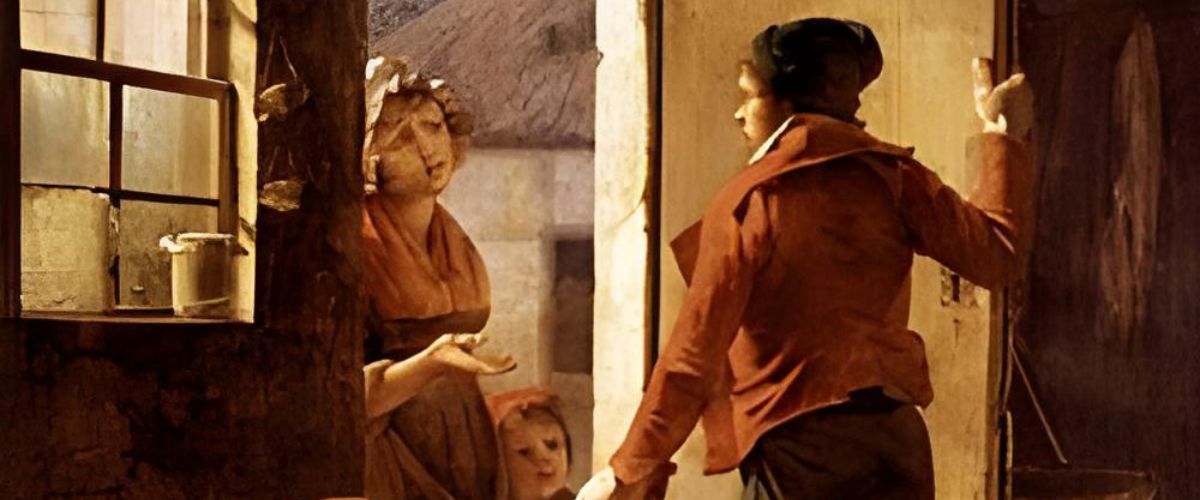
But if we stop there, we may still miss something important. Almsgiving is not limited to money. In fact, some of the most difficult alms cost us something far more personal. It may look like giving time when we feel busy, offering attention when we would rather be distracted, letting go of the need to be right, or extending forgiveness when we feel justified in holding on. These acts are often hidden and rarely recognized, but they are often the most costly.
The Catechism reminds us that “the works of mercy are charitable actions by which we come to the aid of our neighbor in his spiritual and bodily necessities” (CCC 2447). Almsgiving includes all of it—not just what we give, but how we give. As St. Teresa of Calcutta said, “It’s not how much we give, but how much love we put into giving.”
So the question becomes more personal. Do I give only when it is easy? Do I give what I will not miss? Do I avoid situations where giving might cost me something? It is easy to default to convenience—to give quickly, efficiently, and move on. But almsgiving has always asked something deeper. It asks us to be interrupted. It asks us to notice. It asks us to give not only from what we have, but sometimes from who we are.
The saints remind us of something we often forget: almsgiving is not only for the benefit of others—it is for our own salvation. When we look at the Cross, we see why. Christ did not give from His excess. He gave everything.
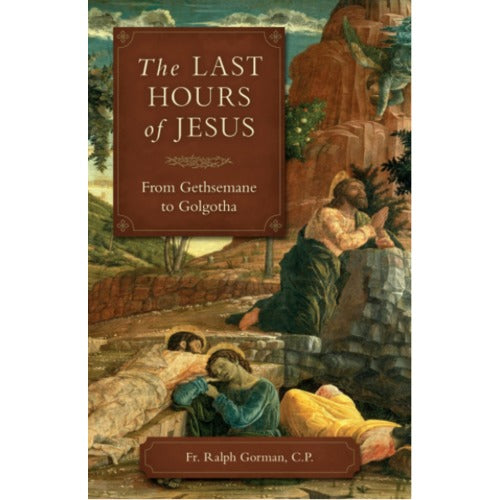
If you want to enter more deeply into that mystery, The Last Hours of Jesus: From Gethsemane to Golgotha is a powerful meditation on the total self-gift of Christ. It draws us into the reality that true love always costs something—and that is precisely what makes it love.
Discover your copy today at The Catholic Company!