Each season in the Church year has a color, and the priest wears green during Ordinary Time, a color traditionally associated with life, growth, and hope.
Ordinary Time takes us through Christ's public ministry as we hear Him call His disciples, as we listen to His parables, as we witness His miracles. It is in this ministry of Jesus that we hear Him teach us how to pray, forgive, love our enemies, care for the poor, and follow Him.

When we think about it this way, Ordinary Time becomes much more.
While there is no Advent wreath to light, no Christmas tree to decorate, no ashes or palms, Ordinary Time allows us to bring the liturgical calendar into the ordinary rhythm of our lives.
A few ways to celebrate the days of Ordinary Time
- Look up the saint whose feast is being celebrated that day and learn something about him or her. Or celebrate your family's patron saints.
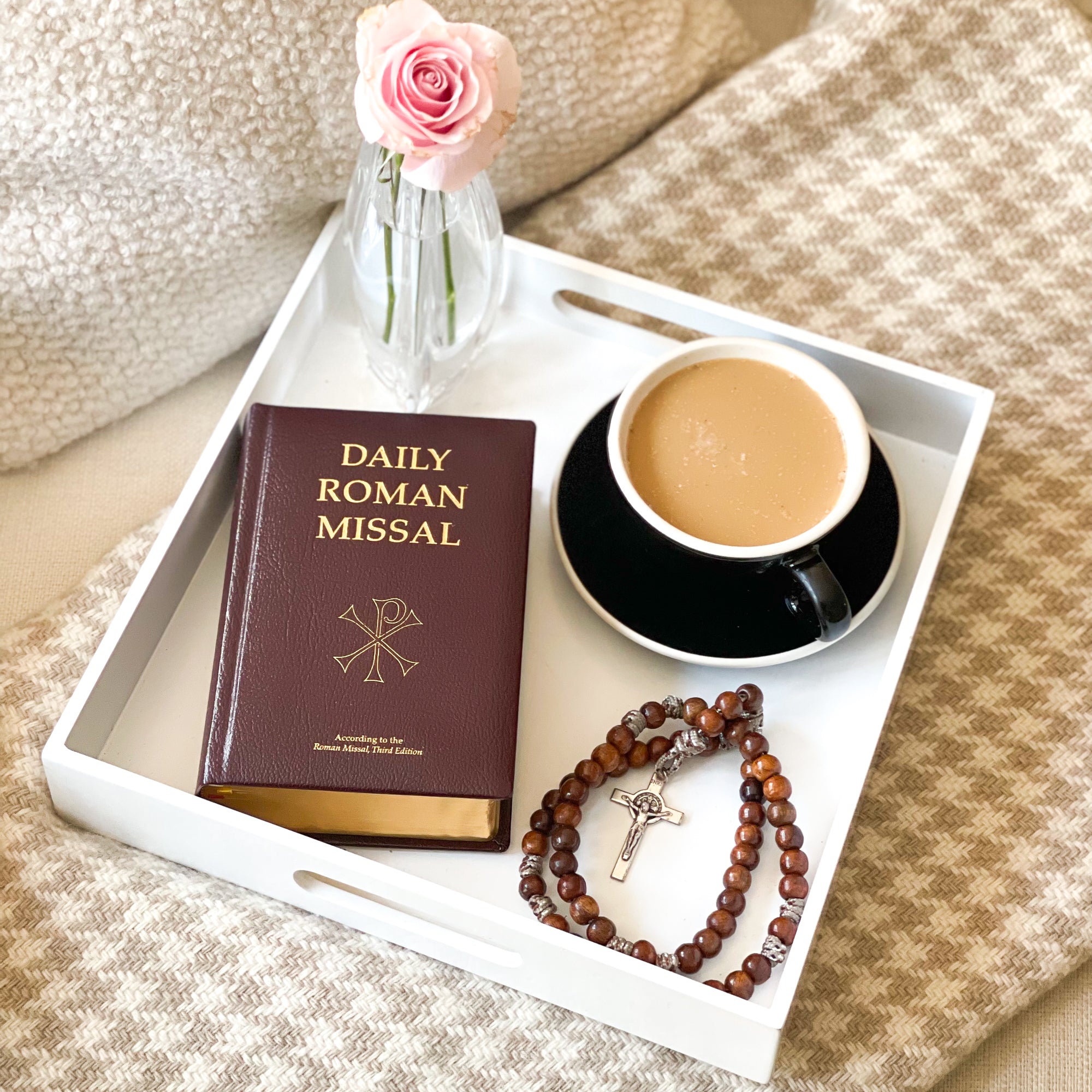
- Read the day's Mass readings over breakfast.
- Make a special dinner for a solemnity.
- Pray Morning or Evening Prayer from the Liturgy of the Hours.
- Put the Church's feast days on your calendar alongside all of the other "ordinary" things you do each day. And celebrate them.
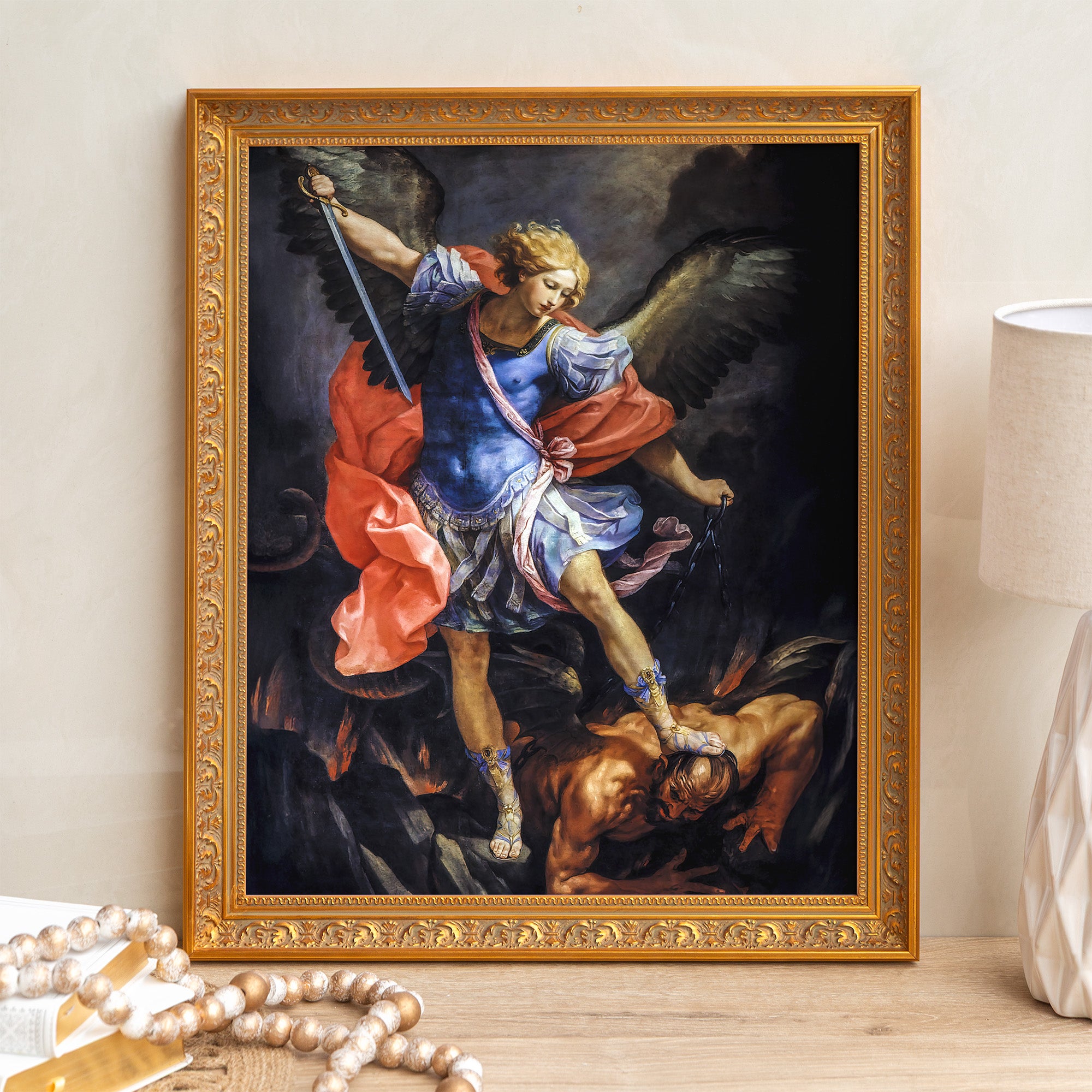
The Church's calendar gives our days a rhythm quite different from the one the rest of the world gives us. The secular calendar tells us when it's Labor Day or Halloween or the first day of fall. The liturgical calendar tells us when the Church throughout the world is celebrating the Triumph of the Cross, Our Lady of Sorrows, St. Matthew, St. Michael and the Archangels, St. Thérèse, the Guardian Angels, and countless other mysteries and saints.
And there are the ordinary moments of our spiritual lives. In many ways, that is what makes the season so fitting for most of our lives. Most days aren't Christmas morning or Easter Sunday. They're work and school, carpools and laundry, making dinner and answering emails. They are, well, ordinary.
As St. Maria Jose Escriva said, “Add a supernatural motive to your ordinary work and you will have sanctified it.” (The Way, 359). This great saint, and so many others often remind us that those are precisely the days in which most of us are being called to become saints.
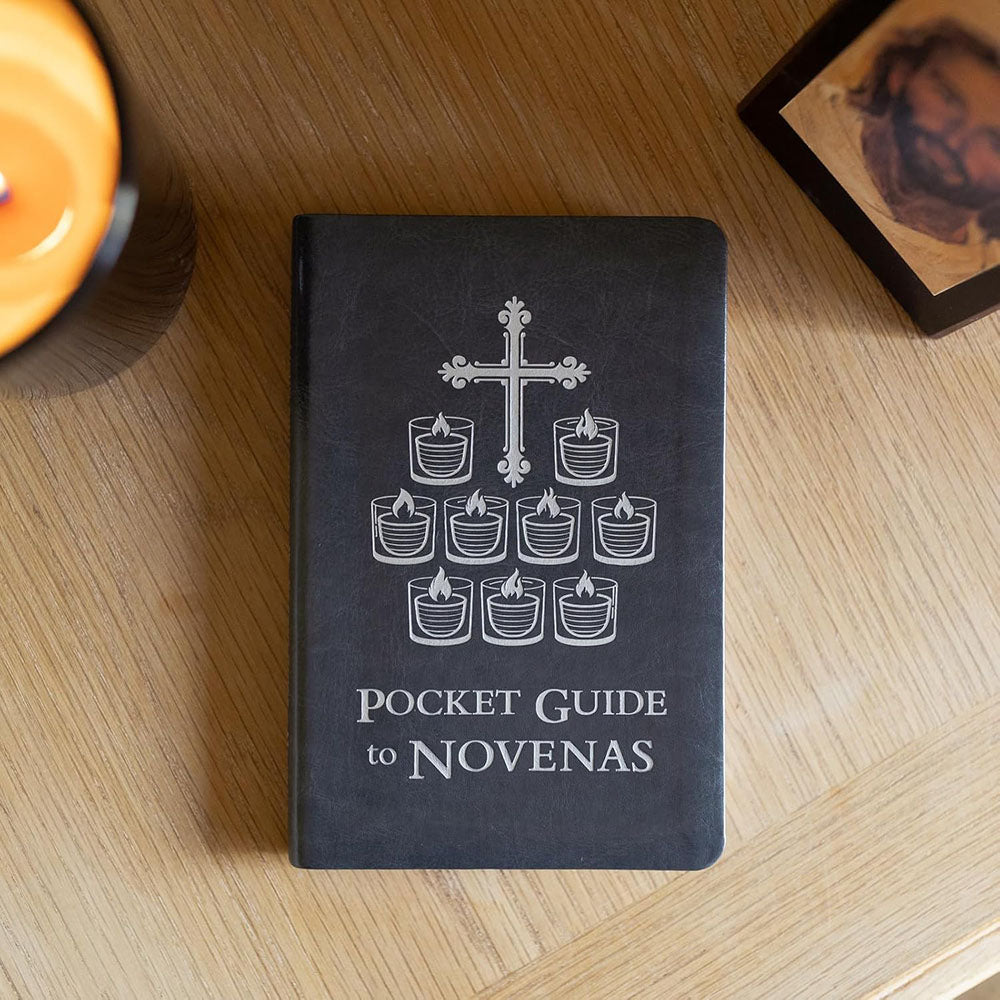
The Pocket Guide to Novenas is an essential resource for Catholics seeking to deepen their prayer life. Compiled by the PrayMoreNovenas.com founders, it offers a comprehensive prayer experience, complete with a yearly schedule to support persistent prayer. Discover your own copy today at The Catholic Company!