
If someone told you a medieval saint recommended cookies as part of a healthy spiritual life, you might be skeptical. But that's exactly what St. Hildegard of Bingen did.
The 12th-century abbess, mystic, and Doctor of the Church believed that caring for the body and caring for the soul were closely connected. Long before the term "holistic health" existed, Hildegard was writing about nutrition, herbs, gardening, and the healing properties of food. Her writings eventually made her one of the pioneers of European herbal medicine.
Among her most famous recipes are what many people affectionately call "Cookies of Joy." Made with spelt flour and warming spices such as cinnamon, cloves, and nutmeg, Hildegard recommended them to help lift the spirits and promote a cheerful disposition. Medieval medicine understood these ingredients differently than modern medicine does, but Hildegard's larger point remains just as relevant.
 She believed we are not souls trapped in bodies. God created us as a unity of body and soul, and both deserve our care.
That's one reason her writings continue to fascinate readers nearly 900 years later. They remind us that eating well, tending a garden, using the gifts of creation wisely, and nurturing our spiritual lives need not compete with one another. They can all become ways of honoring the God who made us.
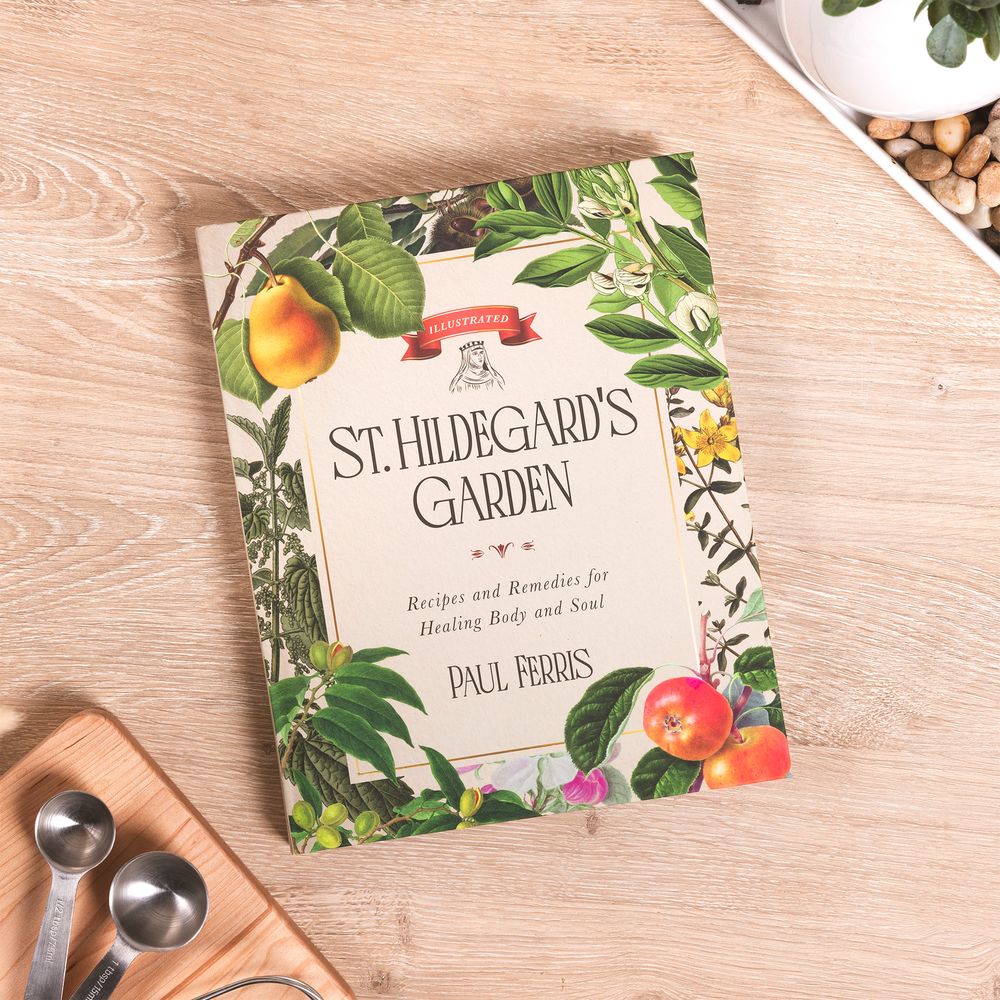
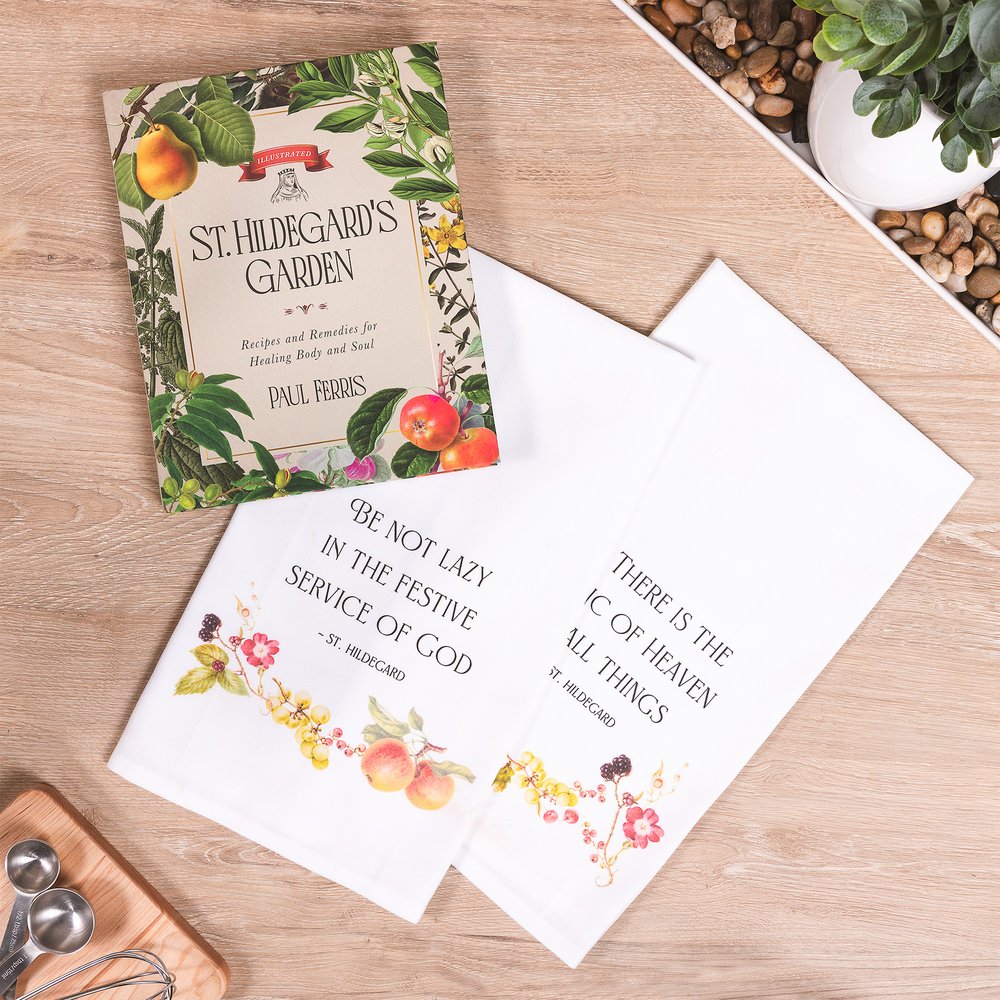
If you'd like to discover more of St. Hildegard's timeless recipes, herbal remedies, and practical wisdom, St. Hildegard's Garden: Recipes and Remedies for Healing Body and Soul brings together her remarkable insights for modern readers. You may even be inspired to bake a batch of her famous cookies yourself. Discover St. Hildegard’s wisdom today at The Catholic Company!