


When Catholics hear references to a Jubilee of St. Francis, it can sound as though the Church has declared a special jubilee year similar to a Holy Year. In reality, what is being celebrated is a series of major Franciscan centenaries marking 800 years since defining moments in the saint’s life.
These commemorations are promoted by the Franciscan family with the support of the Holy See and invite the faithful to return to the heart of Franciscan spirituality. They are rooted in the biblical understanding of jubilee as a time of conversion, mercy, and renewed fidelity to God, as described in Leviticus 25.

The years from 2023 through 2026 mark four pivotal events. The approval of the Franciscan Rule in 1223 revealed Francis’ radical trust in the Gospel. The Greccio Nativity of 1223 showed his desire to make the mystery of the Incarnation tangible for ordinary people. The Canticle of the Creatures, composed near the end of his life, expressed his praise of God even amid suffering. Finally, the year 2026 marks 800 years since his death in 1226, known as the Transitus of St. Francis.
While these are not papal Jubilee Years in the technical sense, the Church encourages the faithful to engage spiritually through prayer, the sacraments, and pilgrimage. The Catechism of the Catholic Church teaches that indulgences and special graces are meant to foster conversion and charity, never to replace interior repentance (CCC 1471–1479).
St. Francis did not seek recognition or celebration. His life was shaped by obedience to Christ, love for the poor, reverence for creation, and joyful trust in God. These centenary years invite Catholics to examine their own lives in light of that same Gospel simplicity.
Even outside a formal jubilee, Francis’ call remains urgent. Rebuild my Church begins not with structures, but with hearts willing to live mercy, humility, and peace.
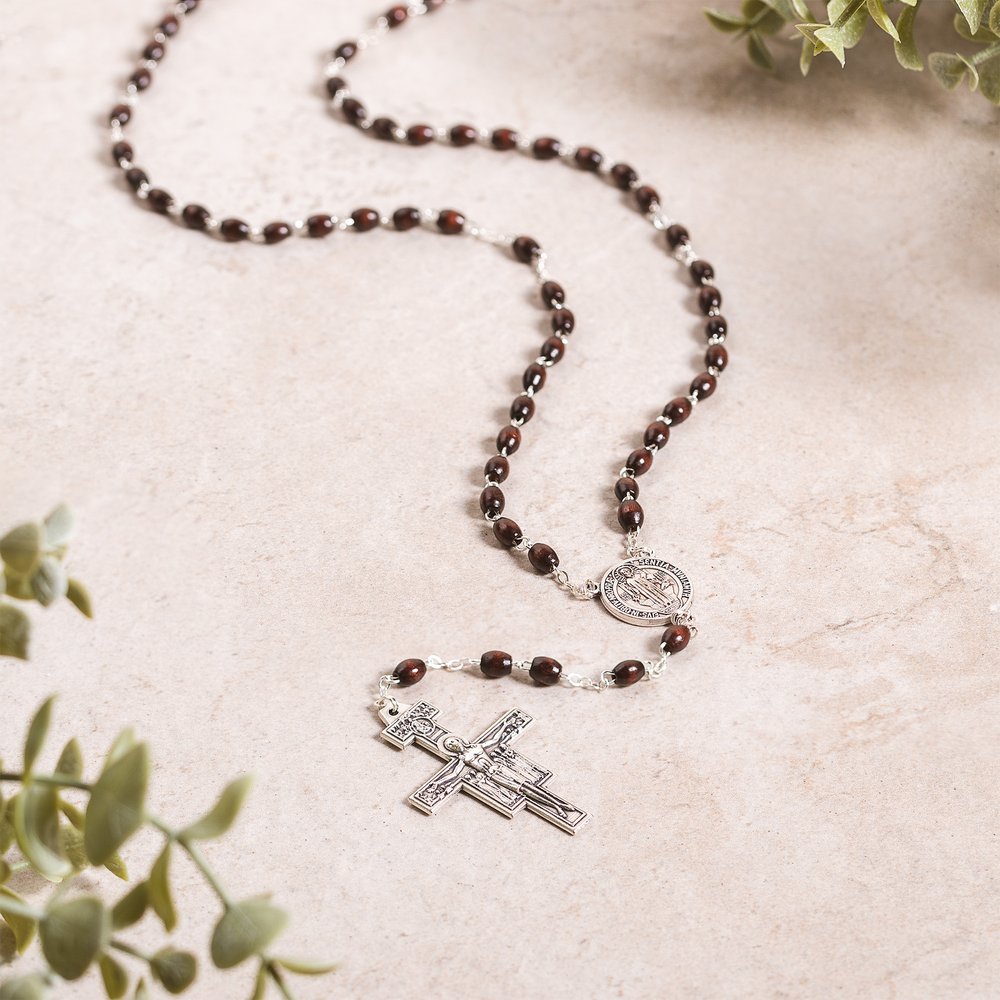
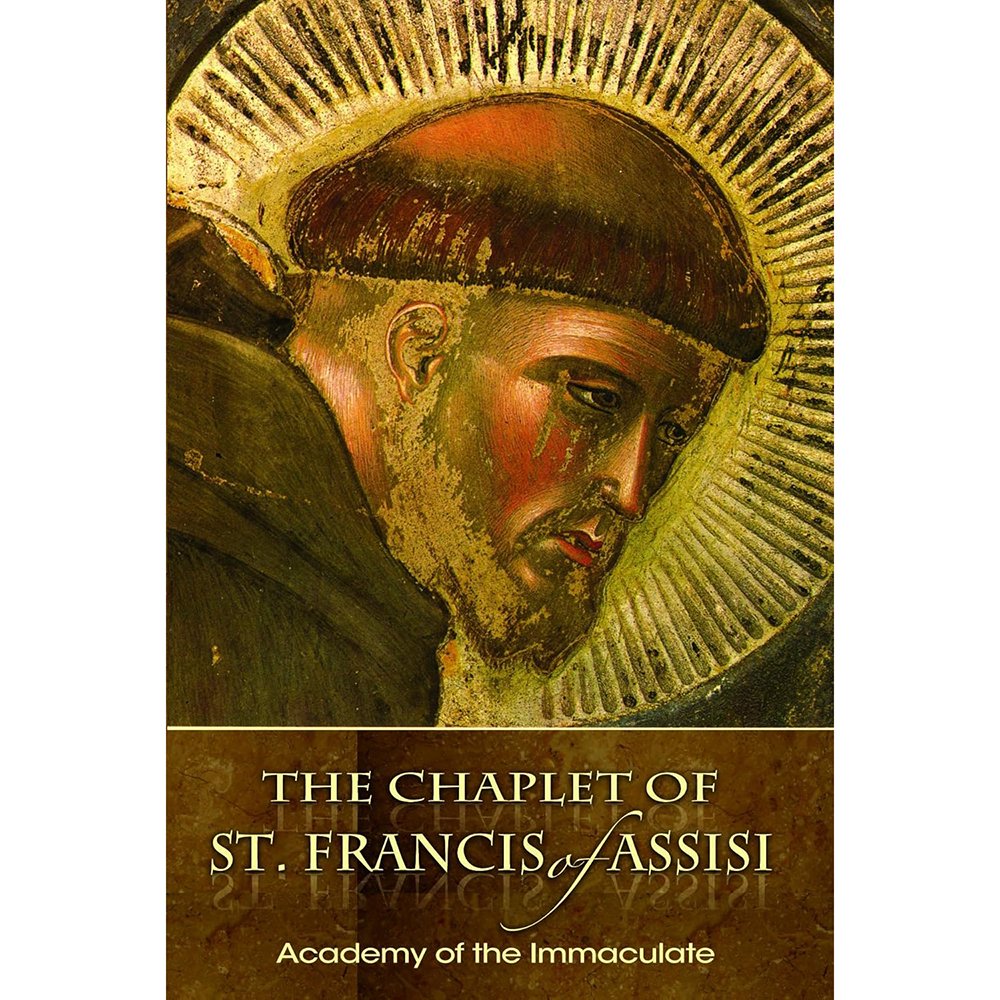
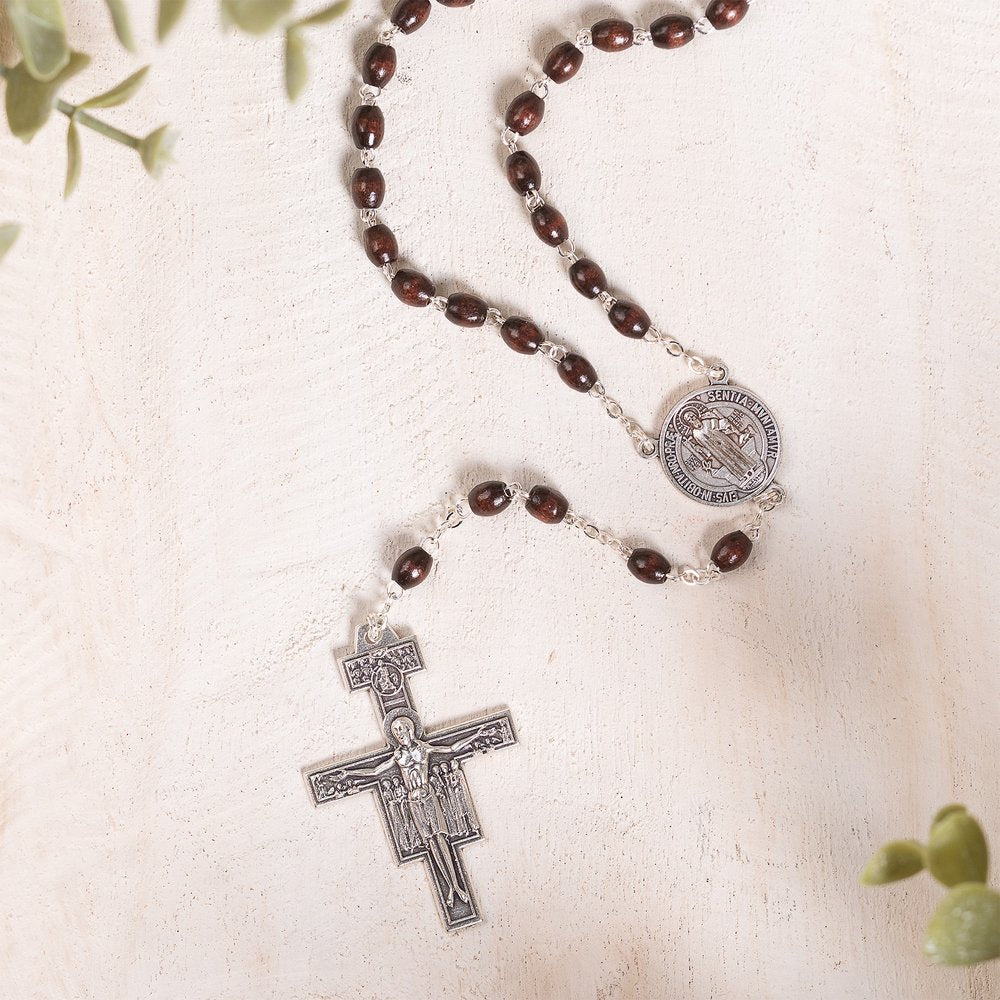
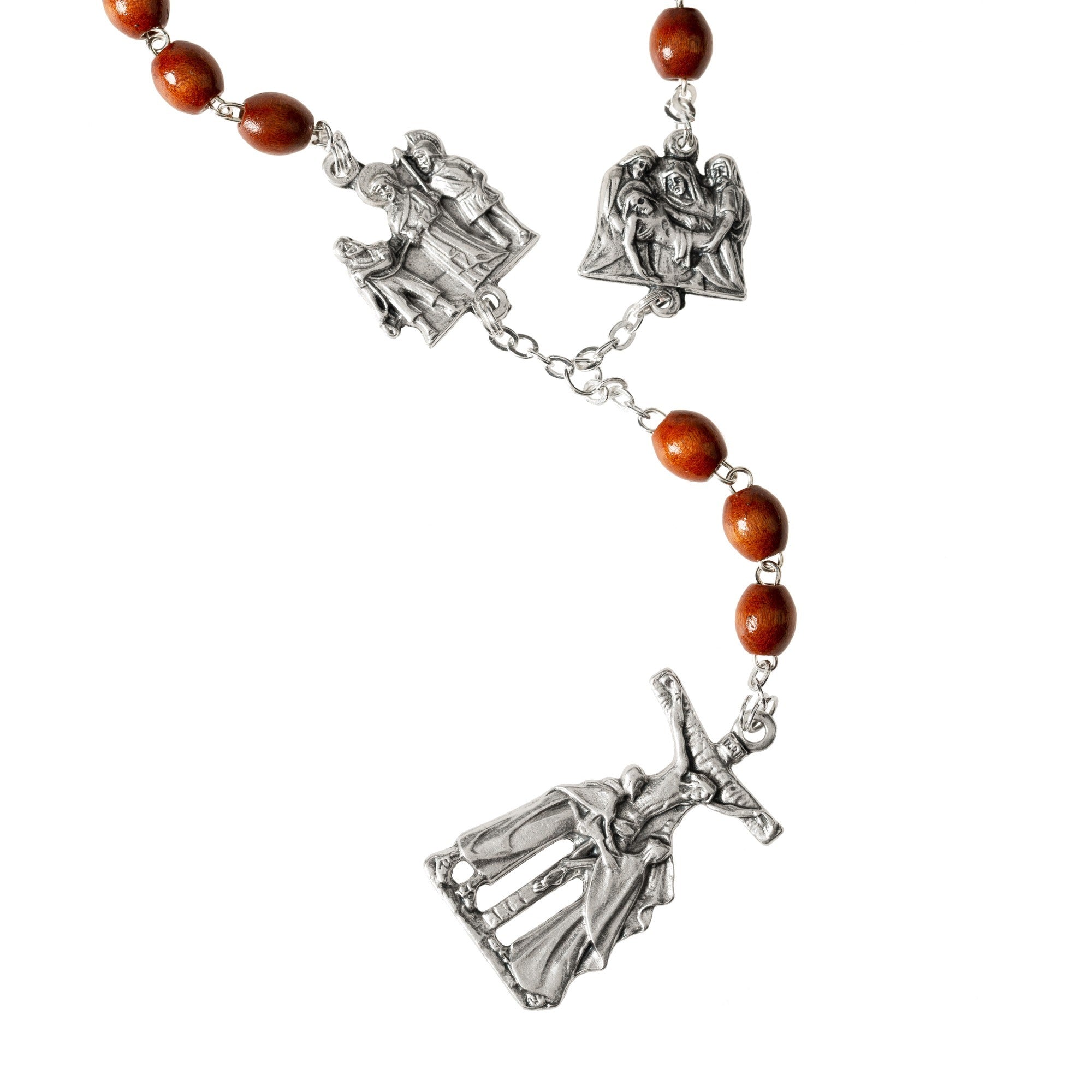
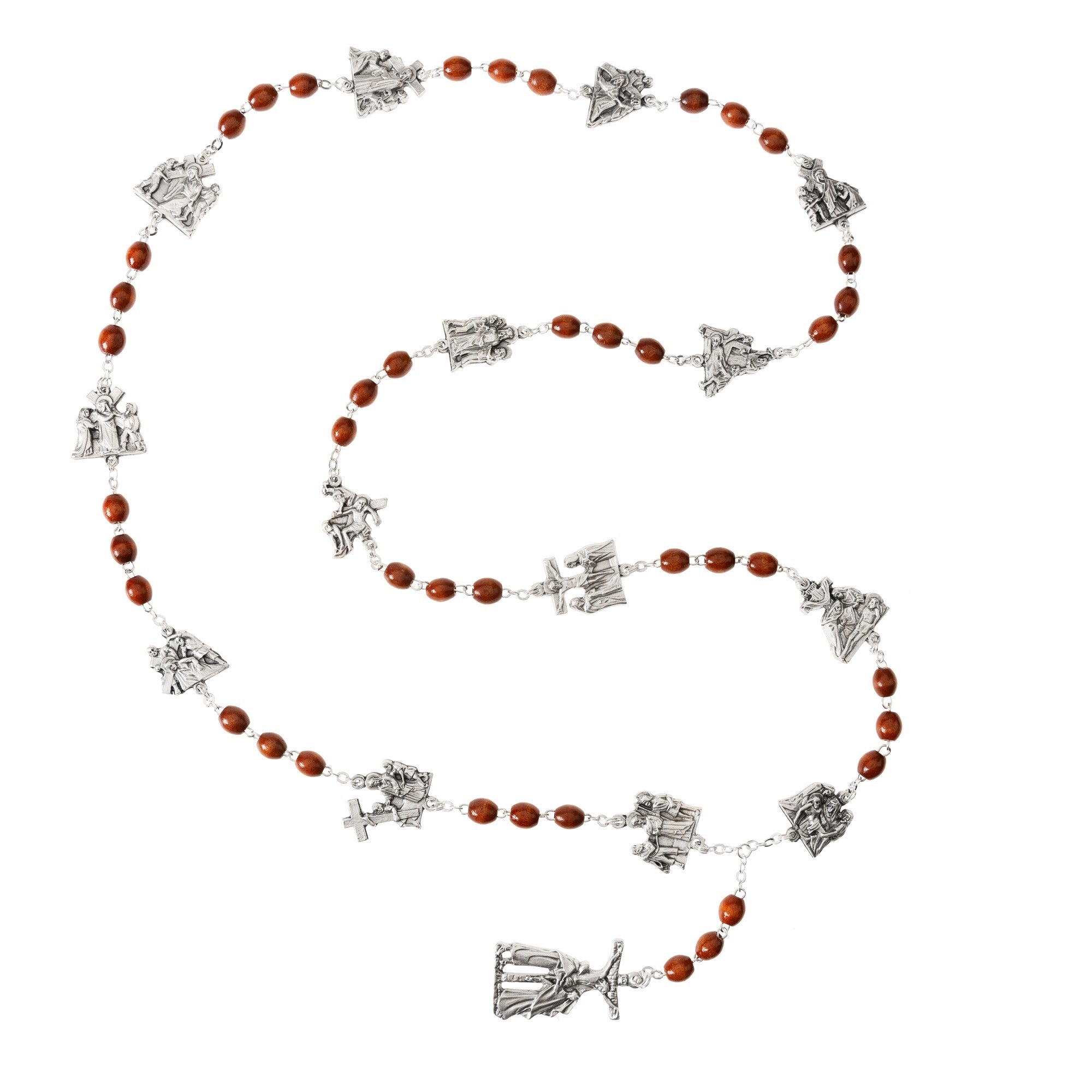
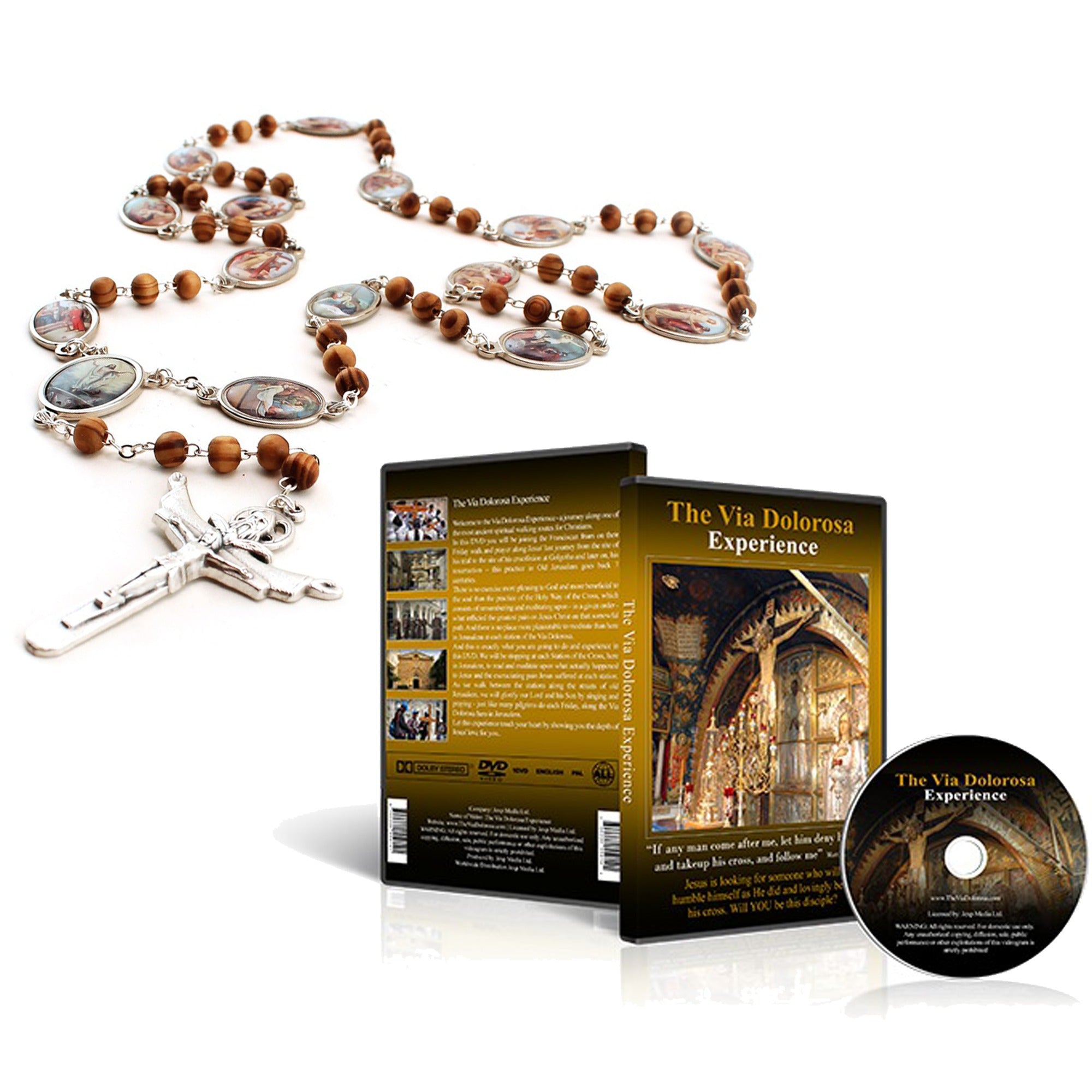
For those wishing to enter more deeply into Franciscan prayer, the Franciscan Crown Rosary Chaplet offers a beautiful way to meditate on the joy of the Gospel. Rooted in Franciscan tradition, it reflects the spirit of praise and trust that defined St. Francis’ life.