We don’t usually think of memory this way because memory feels passive. It is either have or don’t. We forget names, lose track of details, and we move on. It seems more like a limitation than something we could ever call a virtue.
But in the Catholic tradition, memory can be a virtue.
St. Thomas Aquinas includes memory as part of the virtue of prudence, which is the virtue that helps us make good decisions and live well. He explains that we need memory because we learn how to act by remembering what has come before. In fact, he notes that experience itself is built from memory, and without it, we cannot judge rightly in the present.

This is a different way of thinking about it. In this sense, memory is not simply recalling facts, it is remembering certain truths and allowing what we have learned to shape how we live.
Without this, we can become adrift and forget what God has done for us in our past.
Scripture points us in this direction again and again. The command to “remember” appears constantly. Remember God's faithfulness. Remember His promises.
Even at the Last Supper, Christ gives a command that seems simple but is anything but: “Do this in memory of me.”
In the life of the Church, that memory is not just a symbol that helps recall the past. It is participation in the gift of the Eucharist that Our Lord has given us. The Mass is not a reminder; it is an entering into what has already been done. So in this way, memory, when it is rightly ordered, becomes something active that is the source and summit of our faith.
It is easy it is to forget what God has done. On a personal level, when a difficult situation comes up, often everything feels uncertain, as if He has not already been faithful before. We forget His faithfulness.
But when we begin to remember, it changes things.
There is a kind of stability that comes from recalling truth. From remembering answered prayers, moments of grace, and even lessons learned the hard way. Over time, those memories begin to form something within us.
Not just recollection, but wisdom.
The saints understood this. They returned often to what God had already done, not out of nostalgia, but because it helped them remain grounded.
And like any virtue, memory can be practiced.
Aquinas even suggests that we must be intentional about it; that we should reflect often, pay attention, and take care to hold onto what matters.
That raises a different kind of question...not whether we have a good memory. But whether we are forming a faithful one.
There is something else worth considering.
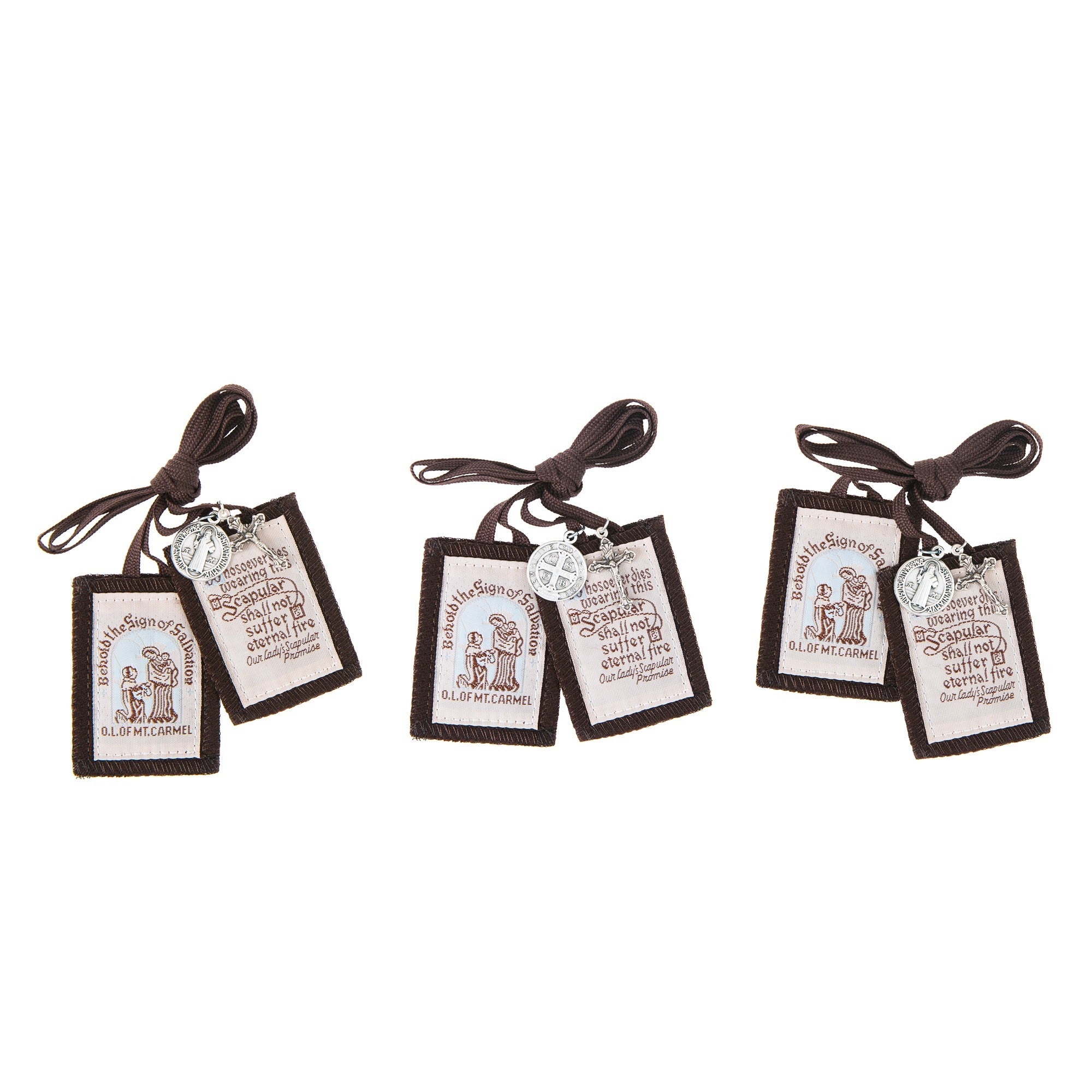
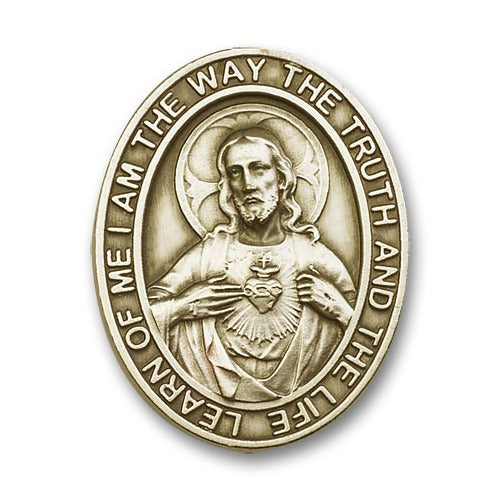
If memory is meant to anchor us in truth, then it makes sense that the Church has always surrounded us with visible reminders—small, beautiful things that quietly call us back when we forget. Not in a dramatic way, but in a steady one.
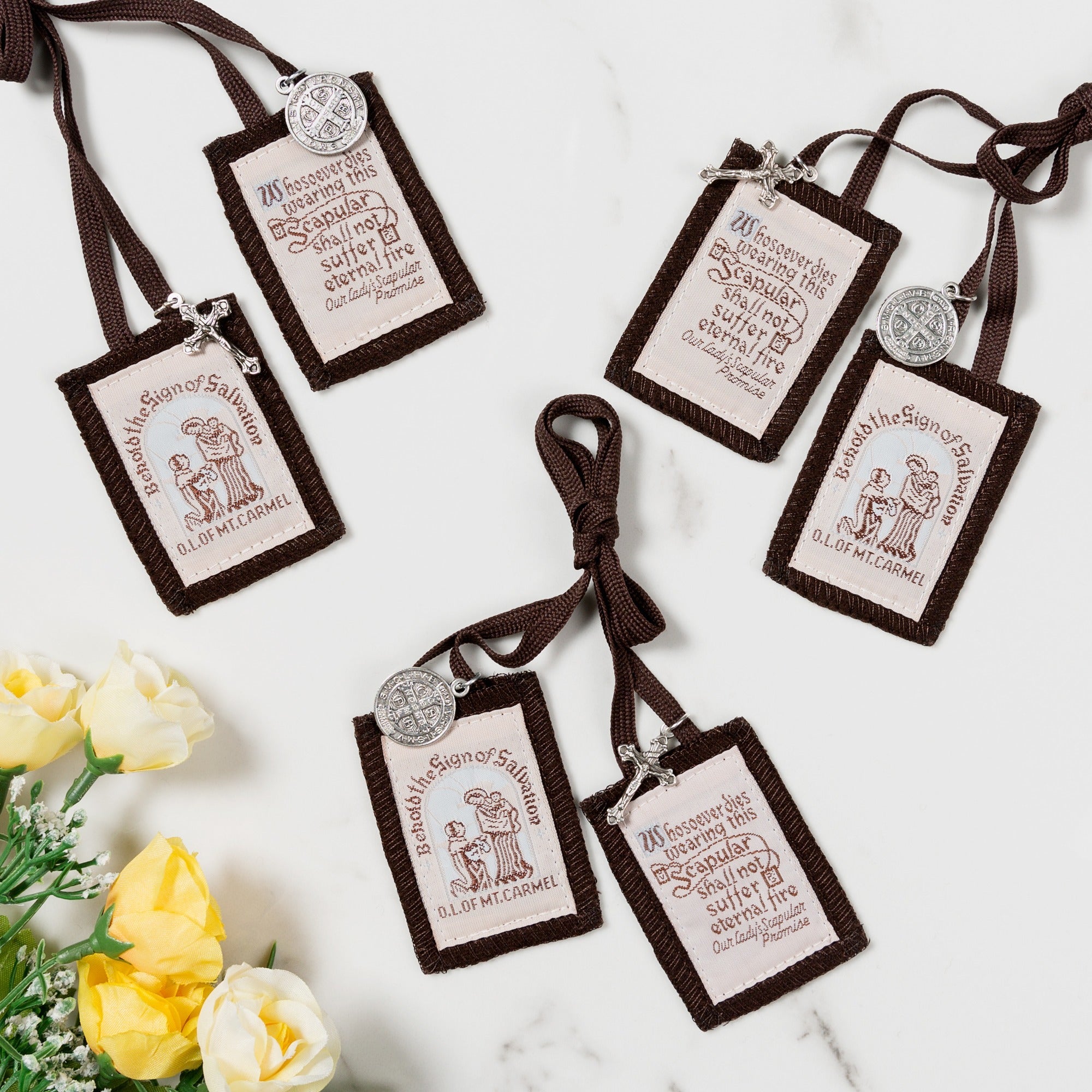
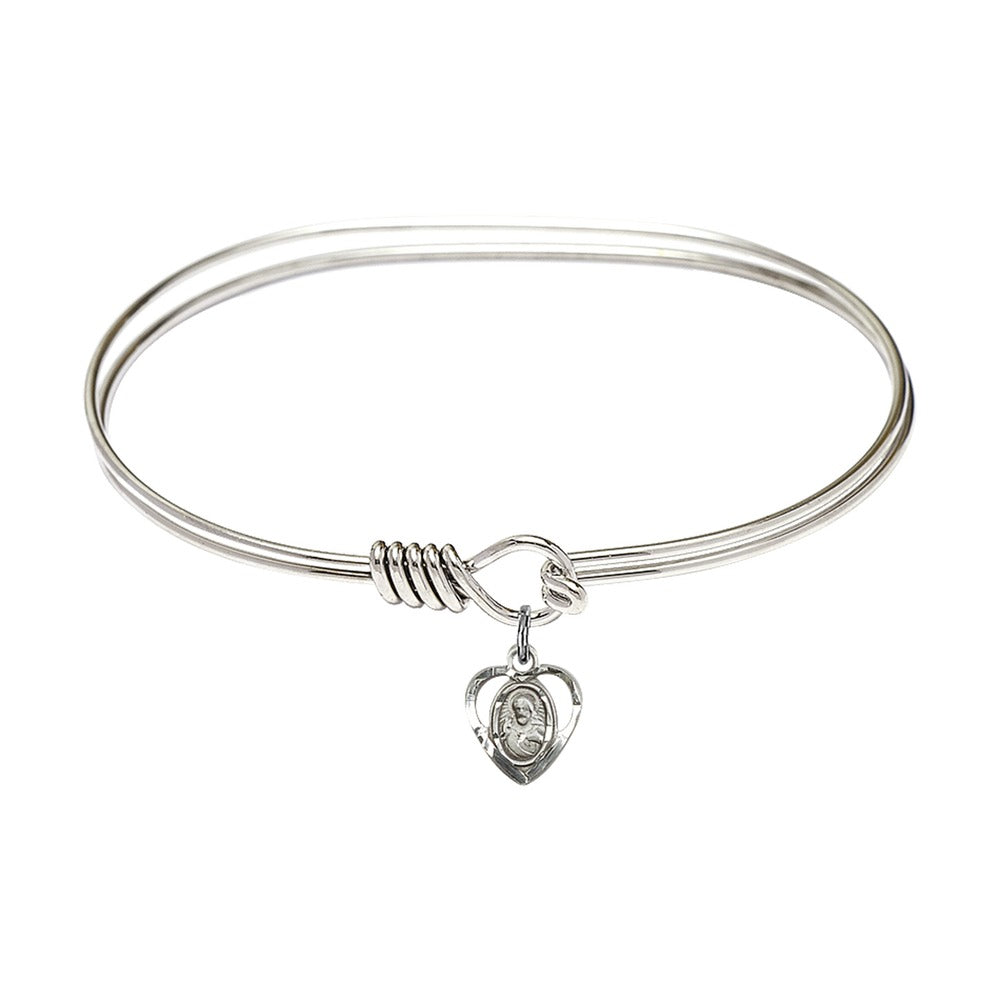
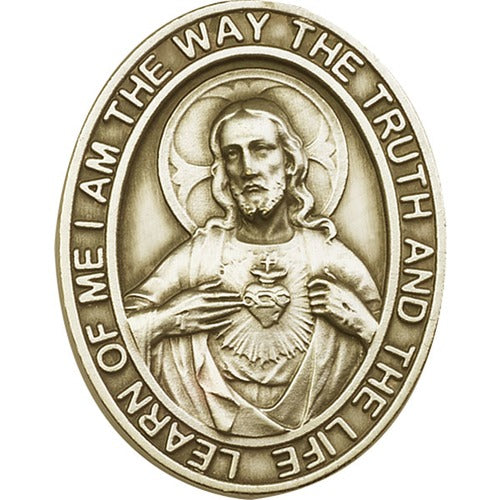
Sacramentals, images, even something as simple as what we wear, can become part of that habit of remembering. They help form that faithful memory we are trying to cultivate.
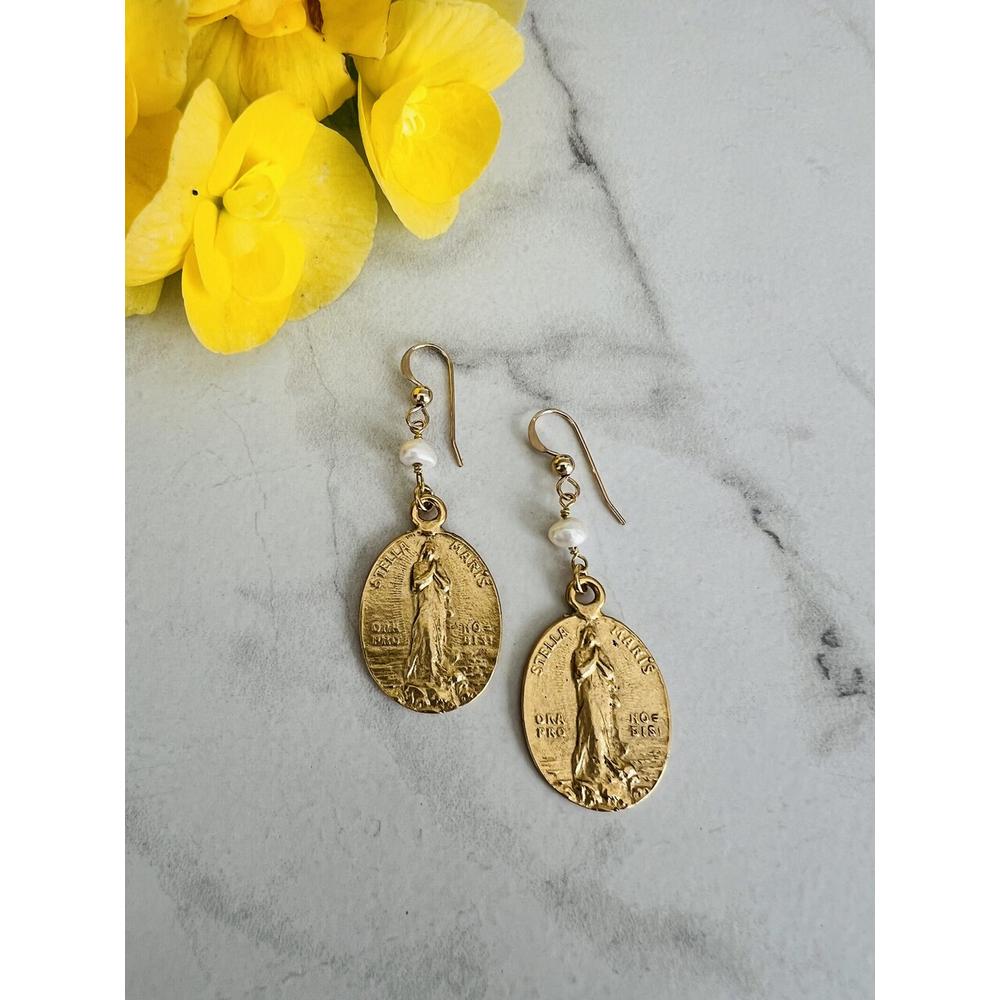
These Stella Maris Earrings, honoring Our Lady as the Star of the Sea, are a quiet example of that. The image itself is a reminder that we are not left to navigate on our own, that Mary guides us, even when we feel unsteady or uncertain.
Purchase for yourself or for a loved one on Mother's Day. Find them at The Catholic Company!