

It may surprise many modern Catholics to know that the cheerful carols we sing today were once forbidden. Yes, there was a time when singing “Silent Night” or “Joy to the World,” or simply walking the streets with a harp or lute and caroling from door to door, could land you in trouble.
What we now call “Christmas carols” began not in living rooms, but with medieval church and folk traditions. By the 13th–15th centuries, Christians across Europe sang verses and refrains; often in Latin, sometimes in the local tongue, to narrate the mysteries of faith with music.
But not everyone loved the joy these songs stirred. Some church authorities condemned the popular tunes and dances tied to carols as licentious or distracting from proper worship.
The most dramatic suppression came in 17th-century England under the Puritan regime. Parliament issued ordinances in the 1640s that abolished Christmas as a feast day — meaning no midnight Mass, no decorations, no feasting… and no carols.
Carol-singing was outlawed. Shops stayed open on December 25. In some cities, government soldiers patrolled the streets to prevent public caroling and the sale of traditional foods and drinks associated with Christmas feasts.
The ban was rooted in Puritan objections to what they saw as popery — excessive feasting, drunken revelry, pagan customs, and what they believed was improvised, sensual, or secular entertainment masquerading under Christian celebration.

The Will of the People Won Out
Still, the carolers refused to vanish quietly. In many towns, people secretly gathered to sing carols. In London, Canterbury, Norwich and elsewhere, riots and open defiance broke out when authorities tried to impose the ban.
And when the monarchy was restored in 1660, the ban was overturned. Carols returned, and within centuries spread across continents. Today, those once-banned songs are so woven into Christmas that it is hard to imagine how they were ever forbidden at all.
The tale of the Christmas-carol ban reminds us that holiness and joy are not always safe from suspicion. It also shows how deeply ingrained and powerful the longing for beauty, music, and celebration is in the human soul, even in hardship or under oppression.
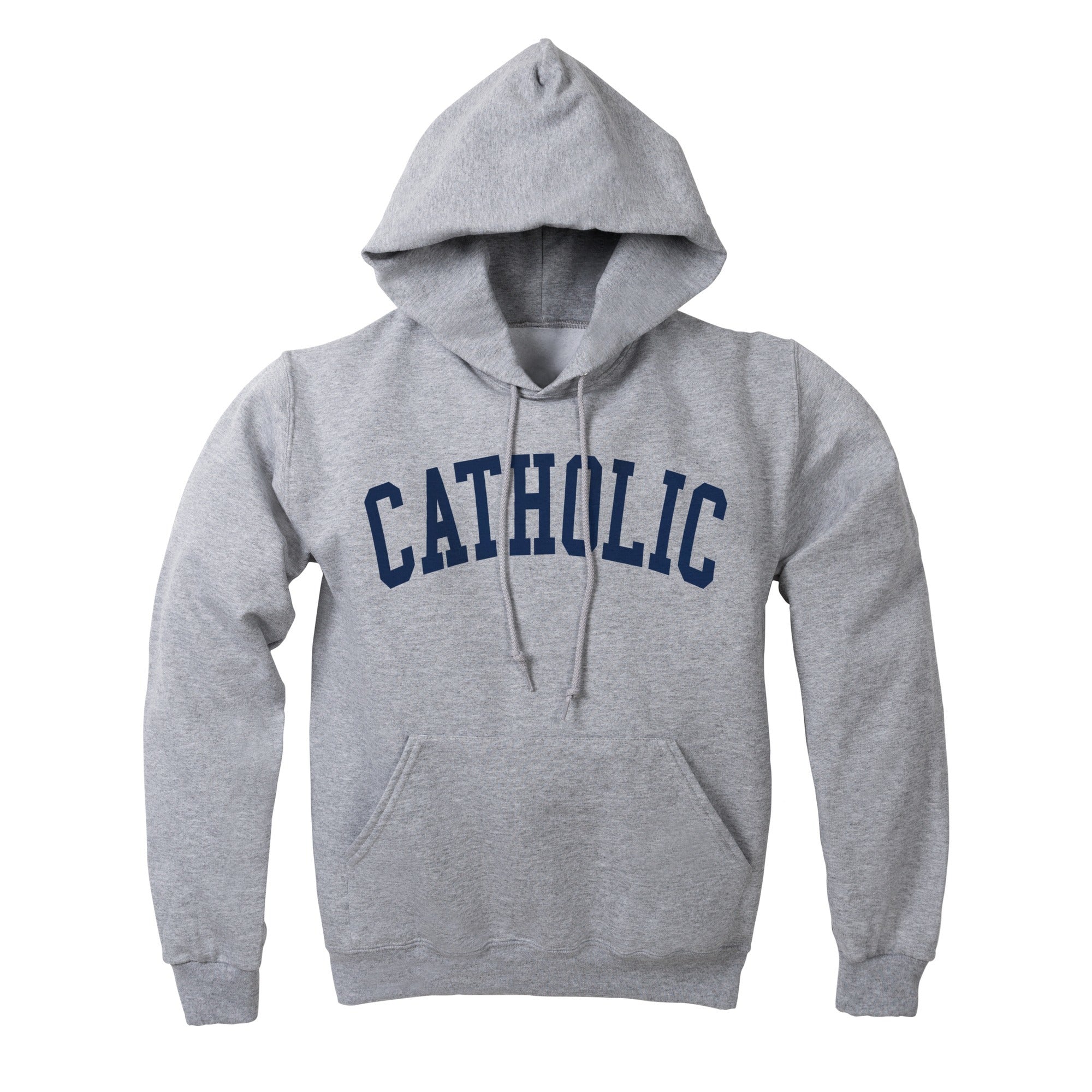
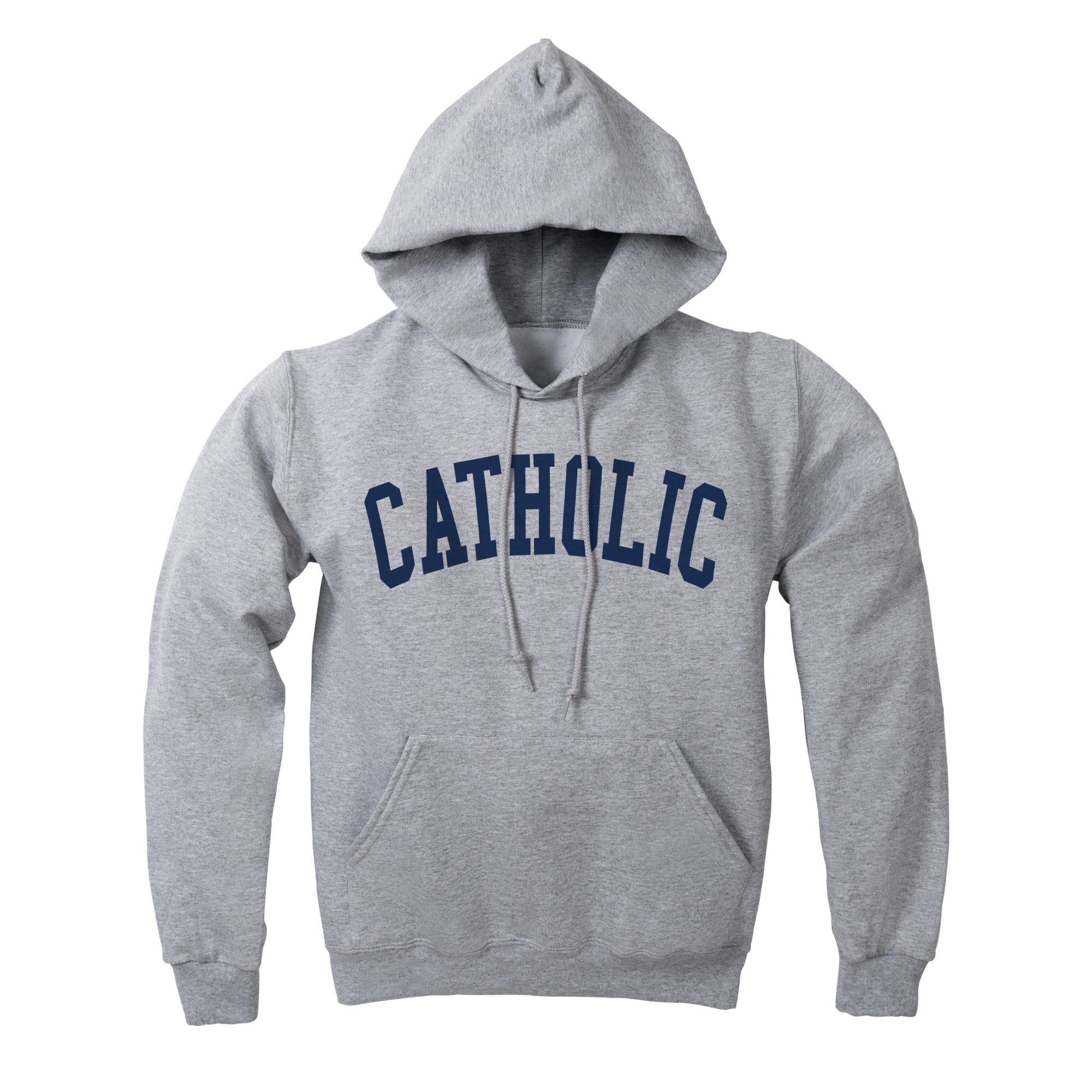
To live your faith can sometimes mean making bold statements or speaking out when others remain silent. This collegiate grey Catholic sweatshirt makes a statement of faith on its own. Purchase yours at The Catholic Company and wear it with pride!