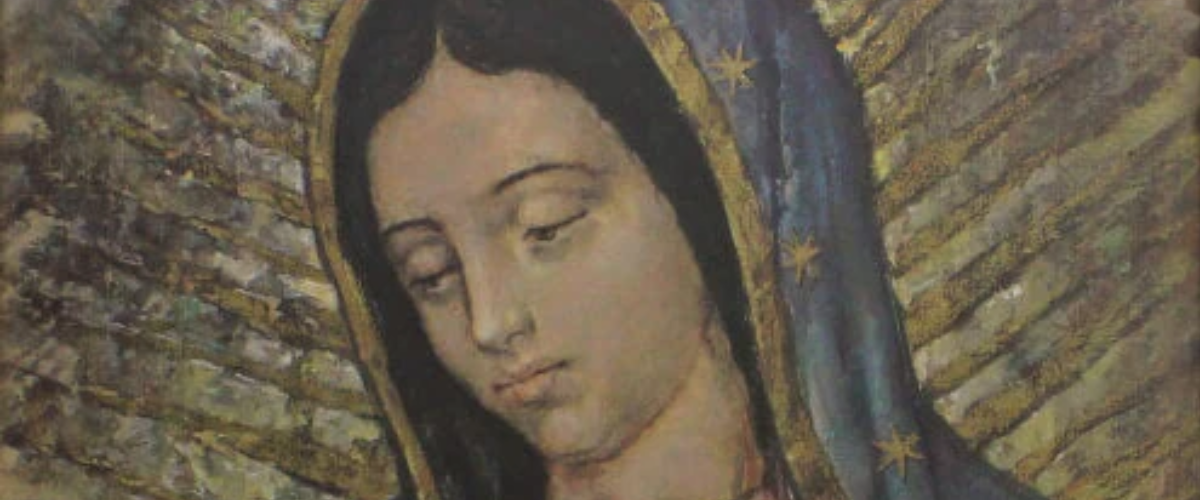

“Here is told and set down in order how a short time ago the Perfect Virgin Holy Mary Mother of God, our Queen, miraculously appeared out at Tepeyac, nose of the mountain, widely known as Guadalupe…”
These are the opening words of a mid-16th century text known as the Nican Mopohua (that is, “Here it is told”). Written in St. Juan Diego’s native language, Nahuatl, it is the first and most definitive written record of what happened on Tepeyac Hill in December of 1531.

The text is attributed to Don Antonio Valeriano, a Catholic Indian. He was a bright mind who received an excellent education from the Franciscans, and, in addition to his native Nahuatl, was competent in Spanish and Latin. He would later hold important positions in the Spanish government of his home territory.
The Nican Mopohua is a short work that Antonio composed about thirty years after the events of Guadalupe. It is a masterpiece of Nahuatl literature and the earliest record of an apparition of Our Lady in the Americas. Because it is written in the indigenous language (one that is still used today in some places), the style is poetic and image-based.
And absolutely everyone, the entire city, without exception, trembled when they went to behold, to admire Her precious Image…They marveled at the miraculous way it had
appeared since absolutely no one on Earth had painted Her beloved Image.
—from the Nican Mopohua
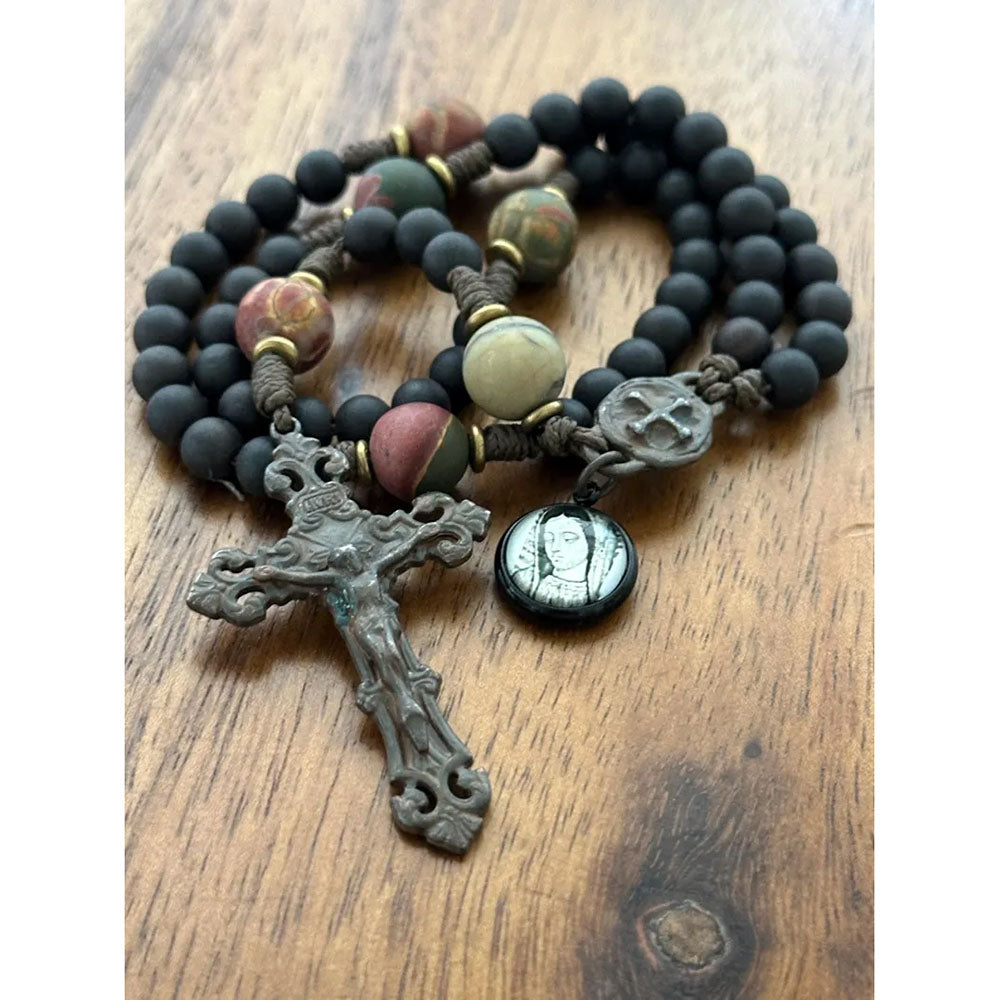
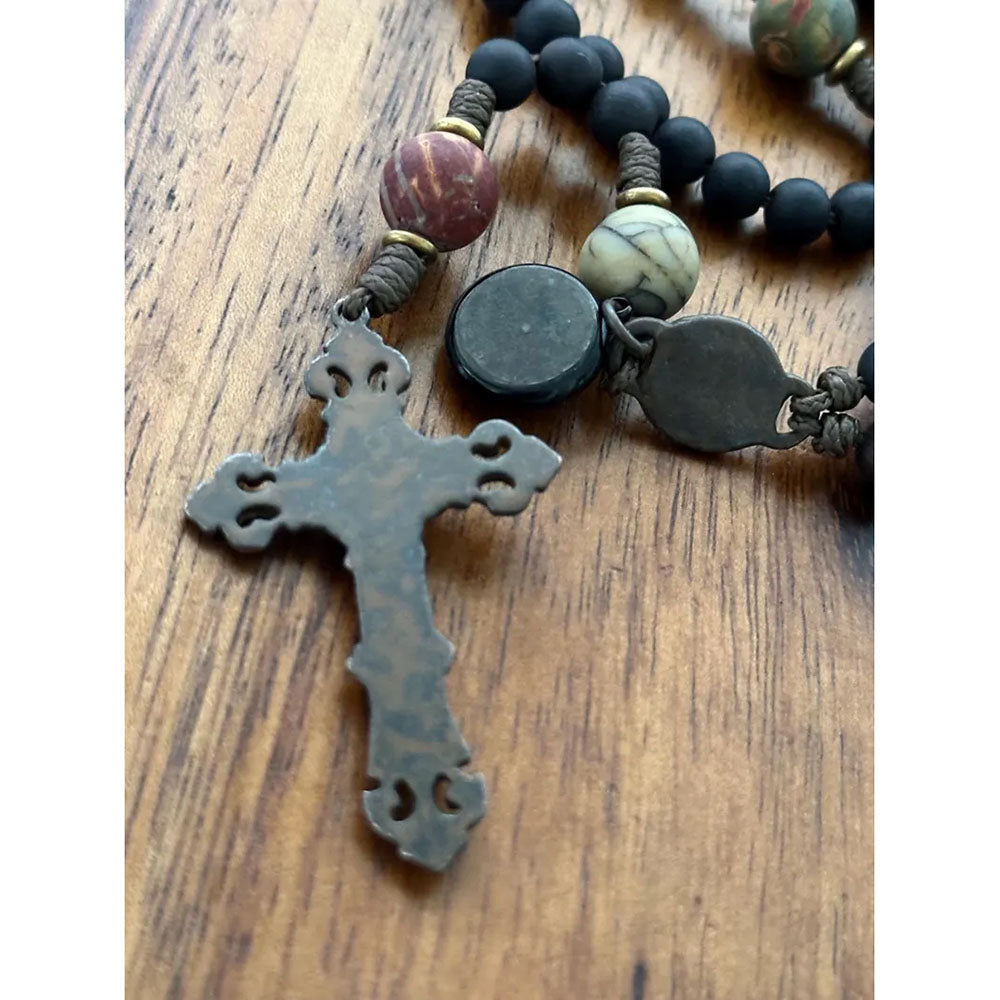
Learn more about the apparitions of Our Lady of Guadalupe in the Good Catholic docuseries, Not Made By Human Hands (available in Spanish). Also discover the beautiful Rustic Sandlewood Our Lady of Guadalupe Rosary. Give as a gift or discover yours today at The Catholic Company!