At first glance, exercise might seem firmly planted in the secular world. Gyms, fitness trackers, training plans, and personal records do not usually sound like the language of sanctity. Yet the Catholic faith has always insisted that holiness is not confined to explicitly religious acts. It encompasses the whole person, body and soul.
The Catechism of the Catholic Church is clear that the human body is not an accessory to the spiritual life, but an essential part of it. Because God created us as embodied persons, how we care for our bodies matters.

The Catechism teaches that the human body shares in the dignity of the image of God. It states that the body is for the Lord and that we are called to glorify God in our bodies (CCC 364). This means that the physical dimension of our lives is not something to ignore or despise, but something to steward responsibly.
Caring for the body through rest, nourishment, and movement is part of honoring the gift God has given. Exercise, when approached rightly, can be an expression of gratitude rather than vanity. It can help maintain health, build discipline, and support the energy needed to fulfill daily duties and vocations.
The Catechism also emphasizes temperance, the virtue that moderates attraction to pleasures and keeps desires within proper limits: Temperance is the moral virtue that moderates the attraction of pleasures and provides balance in the use of created goods. It ensures the will’s mastery over instincts and keeps desires within the limits of what is honorable. The temperate person directs the sensitive appetites toward what is good, maintains a healthy discretion, and does not let oneself be led by the passions.(CCC 1809)
Exercise fits naturally here. It can be a practice of balance, neither neglecting the body nor idolizing it.
When physical training becomes obsessive or self-focused, it loses its spiritual value. But when it is ordered toward health, service, and self-mastery, it can strengthen virtues that spill into the rest of life. Perseverance, patience, humility, and even charity are often learned in small, hidden acts of discipline.
Many saints understood this integration well. St. Paul often used athletic imagery to describe the spiritual life, speaking of running the race and disciplining the body so as not to be disqualified (1 Corinthians 9:24–27). His point was not self-punishment, but purposeful training directed toward an eternal goal.
St. John Paul II frequently wrote about the unity of body and soul, reminding the faithful that the body expresses the person. Caring for physical well-being can support prayer, work, and attentiveness to others, especially when life demands endurance rather than intensity.
“The body, and it alone, is capable of making visible what is invisible: the spiritual and the divine.” (St. John Paul II, General Audience, January 20, 1980, Theology of the Body, Audience 19)
Exercise becomes holy not by its outward form, but by its intention. A walk offered for someone who is suffering, a workout done with gratitude for strength, or a stretch taken as a moment of recollection can all be quietly prayerful.
This is where small sacramentals can help anchor physical routines in spiritual meaning. Wearing or carrying a simple rosary bracelet during a walk or keeping a medal nearby can turn ordinary movement into a reminder of God’s presence throughout the day.
The Catholic vision of holiness is expansive. It includes kitchens and offices, sickbeds and sanctuaries, and yes, even treadmills and sidewalks. Exercise is not holy because it makes us strong, but because it can help us live more fully as the persons God created us to be.
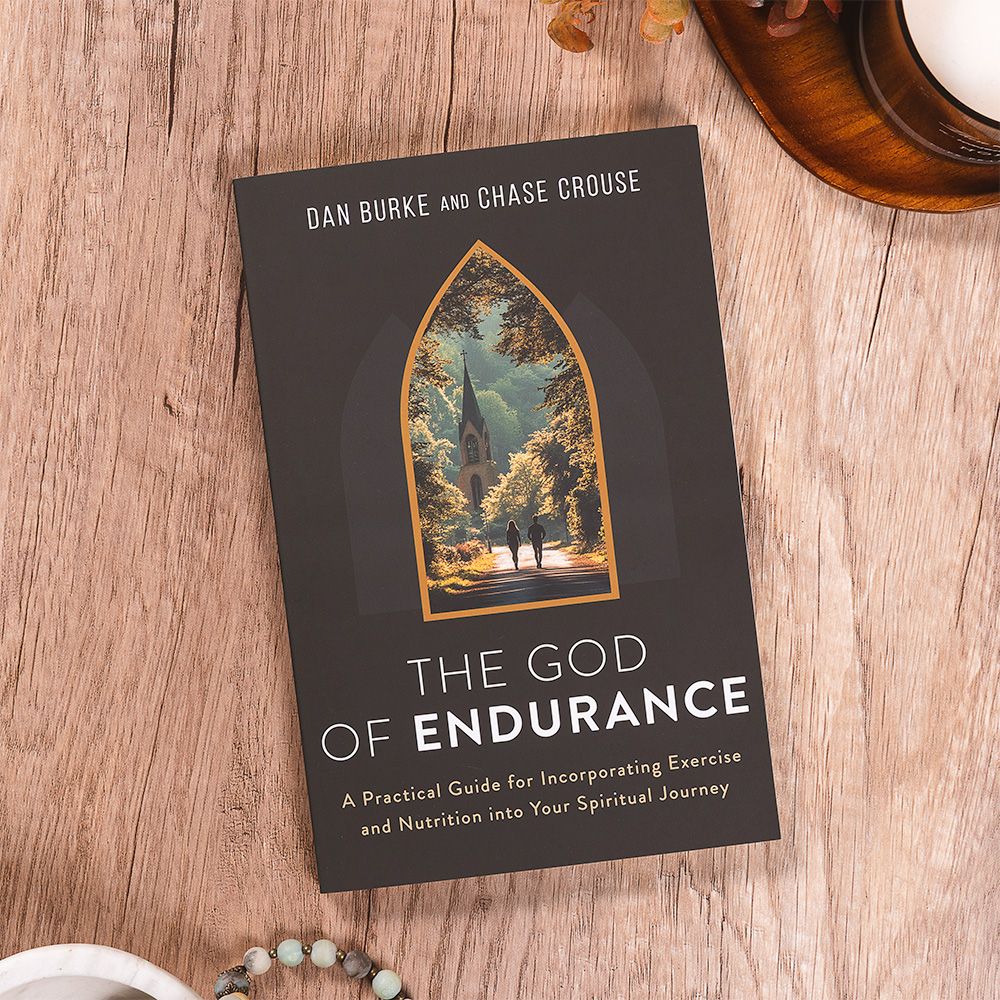
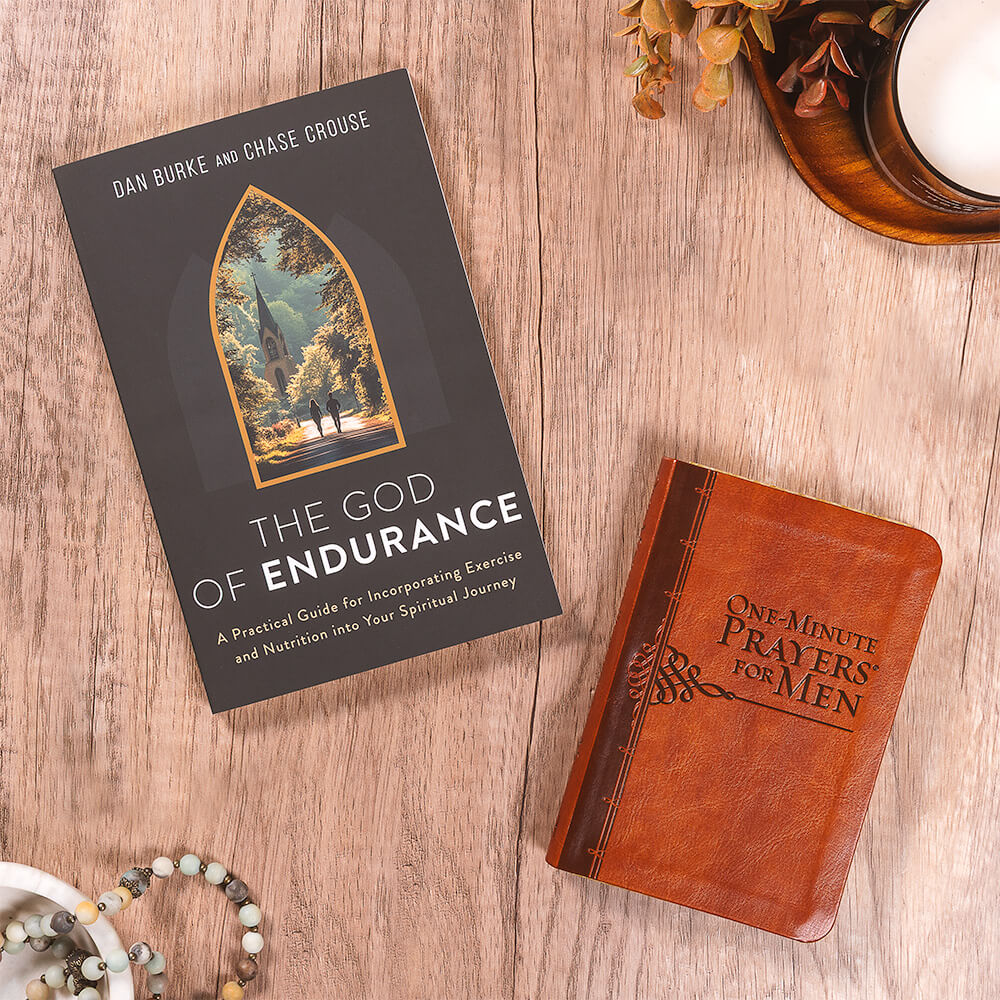
When ordered rightly, movement becomes another way to say yes to the life we have been given and to offer even the most ordinary moments back to God. Dan Burke and Chase Crouse, drawing on St. John Paul II's Theology of the Body, present a Catholic approach to health that unites body and soul in their fascinating book called, The God of Endurance: A Practical Guide for Incorporating Exercise and Nutrition into your Spiritual Journey.
Discover your copy today at The Catholic Company!