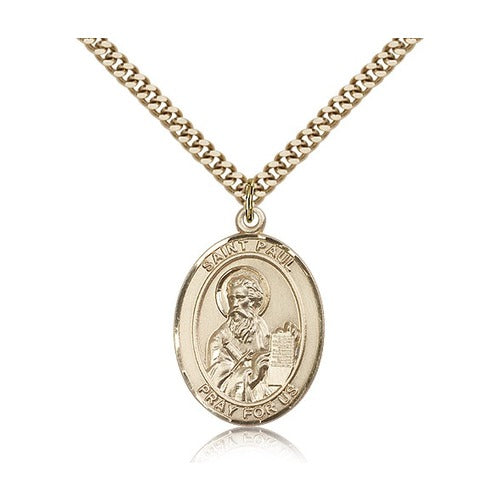

The story of St. Paul’s conversion is one of the most dramatic turns in all of Scripture. A man who once hunted Christians ended up becoming the greatest missionary of the early Church. But beyond the famous facts lies a deeper invitation for us to understand how God meets us in our own transformations.
Saul of Tarsus was educated, zealous, and deeply committed to the traditions of his people. He believed that the young Christian movement threatened everything he held dear. So much so that he actively persecuted believers, even consenting to the deaths of Christian men and women. He was convinced he was doing God’s work.
Then everything changed on the road to Damascus.

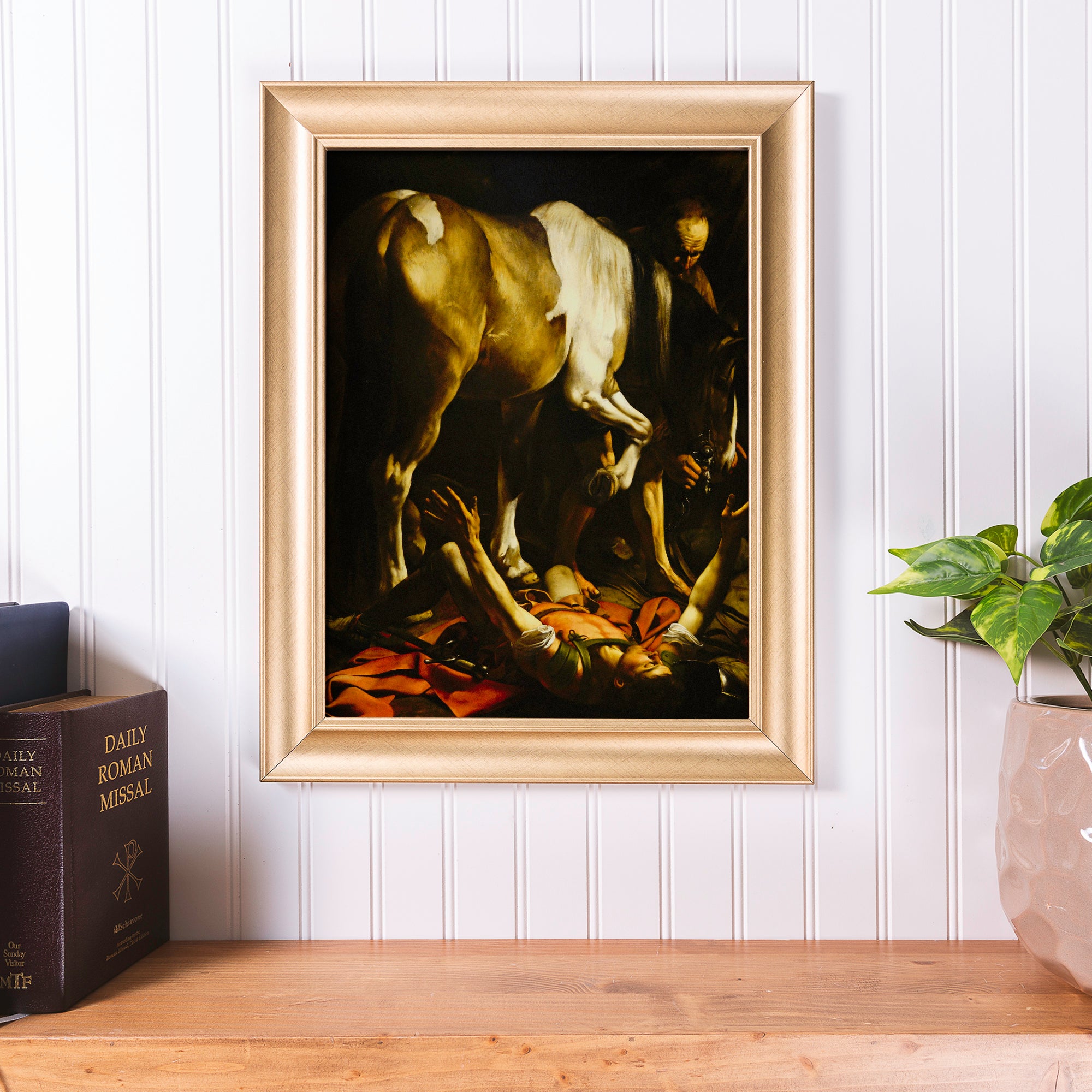
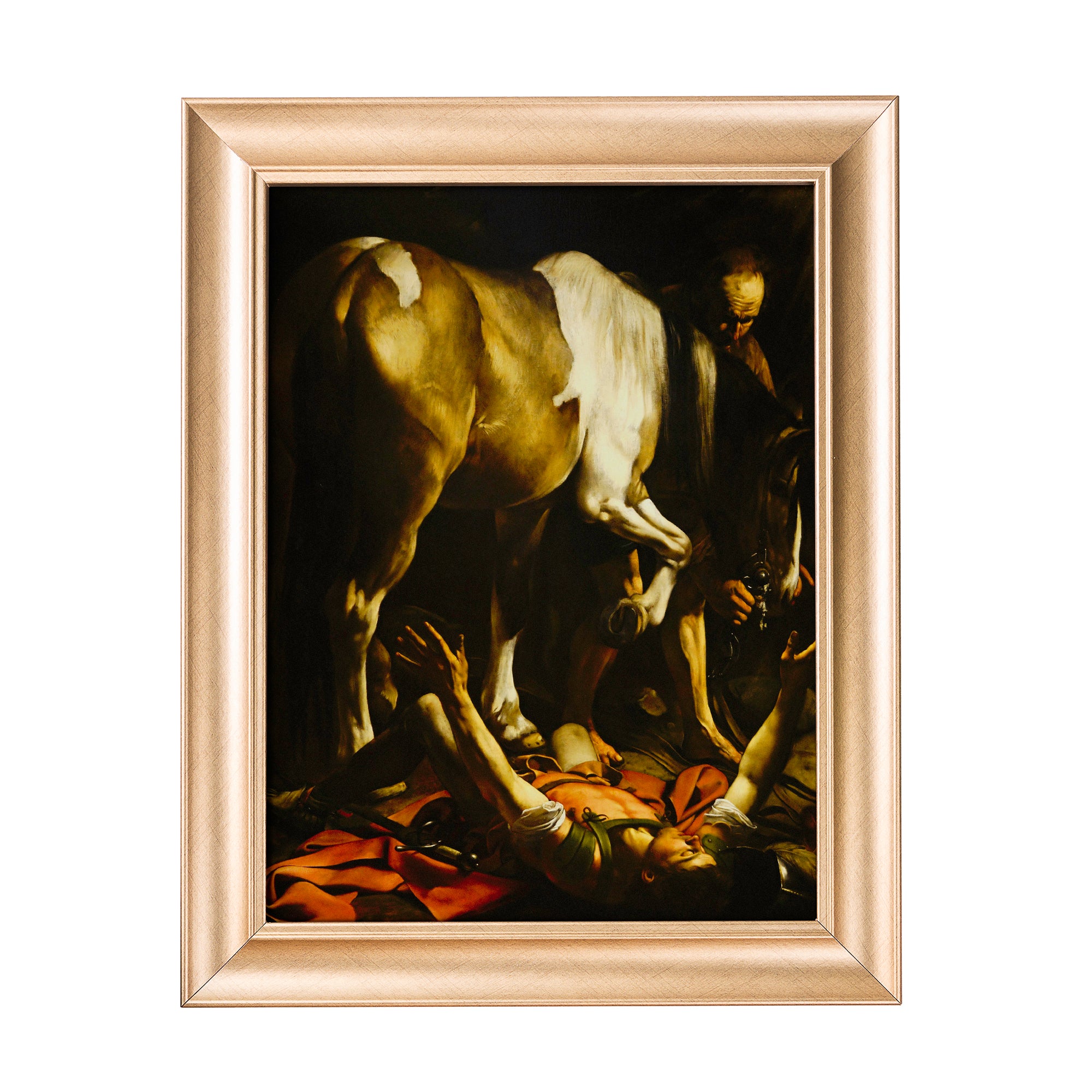
According to Acts, as Saul was traveling with authority to arrest Christians there, a blinding light from heaven suddenly surrounded him. He fell to the ground and heard a voice saying, “Saul, Saul, why do you persecute me?” Amazed and terrified, Saul asked who was speaking, and the voice replied, “I am Jesus, whom you are persecuting.”
What strikes many readers is Paul’s response. He did not argue. He did not defend his zeal. He simply asked, “Who are you, Lord?” This moment was not a theological debate. It was an encounter. God met Saul exactly where he was, in the middle of his pursuit, and asked him to stop running.
But the story does not end there. Saul was left blind for three days. He fasted, prayed, and wrestled with this experience. Then a Christian named Ananias, acting on a vision from the Lord, went to Saul and laid hands on him. Saul regained his sight, was baptized, and immediately began to proclaim Jesus as Lord. The one who once persecuted Christians now preached Christ with unstoppable energy.
One anecdote from early Christian tradition highlights that Saul’s companions on the road heard the sound but saw no one when the light flashed. They knew something extraordinary had taken place. Later tradition tells us that Paul spoke to kings, endured beatings, shipwrecks and imprisonment, yet none of those hardships shook him as much as those days of blindness and reflection.
His letters reveal a man transformed not by information but by encounter and trust. His theology is not abstract. It is born from the experience of meeting the risen Christ.
Paul’s conversion teaches us that transformation may be sudden at its core, but it also requires a period of interior change. We may not be struck by a literal light from heaven, but deep change always involves an interior reorientation. Paul went from persecution to proclamation because he was willing to see truth not as something to defend, but as something to live.
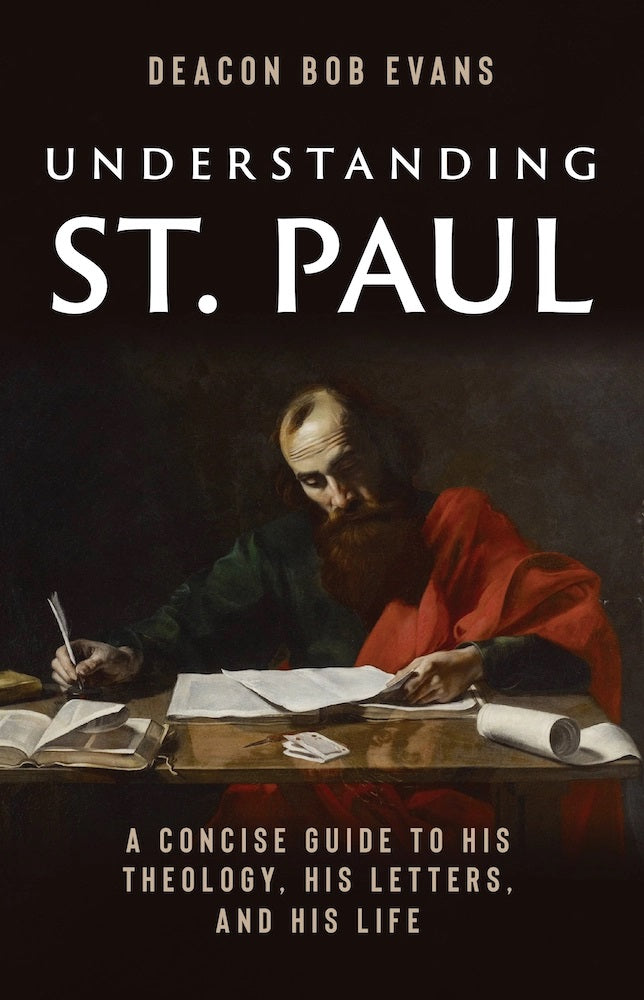
If the story of Paul’s conversion leaves you wanting to understand him more deeply — his life, his letters, and his theology — Understanding St. Paul: A Concise Guide to His Theology, His Letters, His Life can help. It offers clarity, context, and insight into the heart of the apostle who reshaped the early Church and continues to shape ours today.