Long before public schools were everywhere, Catholic parents in the United States faced a dilemma. Their children learned reading, writing, and arithmetic in classrooms that offered little support for their faith. But one 19th-century priest had a vision that would change the face of Catholic education in America forever.

That man was St. John Neumann, a native of Bohemia who became a Redemptorist missionary in the young United States. When he arrived in New York in the 1830s, he encountered a Church struggling to keep up with the needs of its immigrant population. One problem stood out: Catholic children were falling through the cracks of a school system that did not teach their religion.
A Bishop Who Walked the Streets
After years of missionary work and parish ministry, Neumann was made the fourth bishop of Philadelphia. One of his first priorities was to build a Catholic school system that would serve all children, especially those of immigrant families. But resources were scarce, and opposition was common.
Still, Bishop Neumann had a remarkable instinct for inspiring others. He would visit families door to door, encouraging them to send their children to Catholic schools. One parishioner later recalled him gently reminding her that education without faith could leave a child empty. Neumann wasn’t merely organizing schools; he was planting seeds of faith that would bear fruit for generations.
To staff these schools, he invited the School Sisters of Notre Dame from Europe at a time when few American women saw teaching as a vocation. These sisters brought discipline, devotion, and a love for children that matched Neumann’s own.
Under his leadership, the number of parish schools in the diocese skyrocketed. Neumann understood that Catholic education was not just about knowledge, but formation: the formation of heart, mind, and soul.
Catholic schools, as Neumann envisioned them, ground students not just in reading and math, but in the life of Christ. They teach children to see the world through the lens of the Gospel: that every person is made in God’s image, that truth matters, that service to others is not optional, and that faith and reason are not enemies but companions.
Neumann saw schools as places where faith becomes habit, prayer becomes normal, and virtue is learned as children learn. In doing so, he helped give the American Church one of its most vital institutions: a place where children encounter Christ in teachers, classmates, and the routine of school life.
Today’s Legacy
Because of St. John Neumann’s commitment, the Catholic school system in the United States became a model for faithful education. His legacy lives on in classrooms where the cross hangs at the front of the room, in students learning both algebra and the Beatitudes, and in generations of families for whom Catholic schools have been a foundation of faith.
Neumann’s life reminds us that education is never just about facts. It is about forming people who can think, love, and serve with courage and purpose.
To understand why St. John Neumann fought so tirelessly for Catholic schools, one must look at what he wanted children to receive: not just information, but formation rooted in sacramental life. He believed that young people needed to understand how Christ meets them through the Church, especially in the sacraments that shape a faithful life from baptism to the Eucharist and beyond.
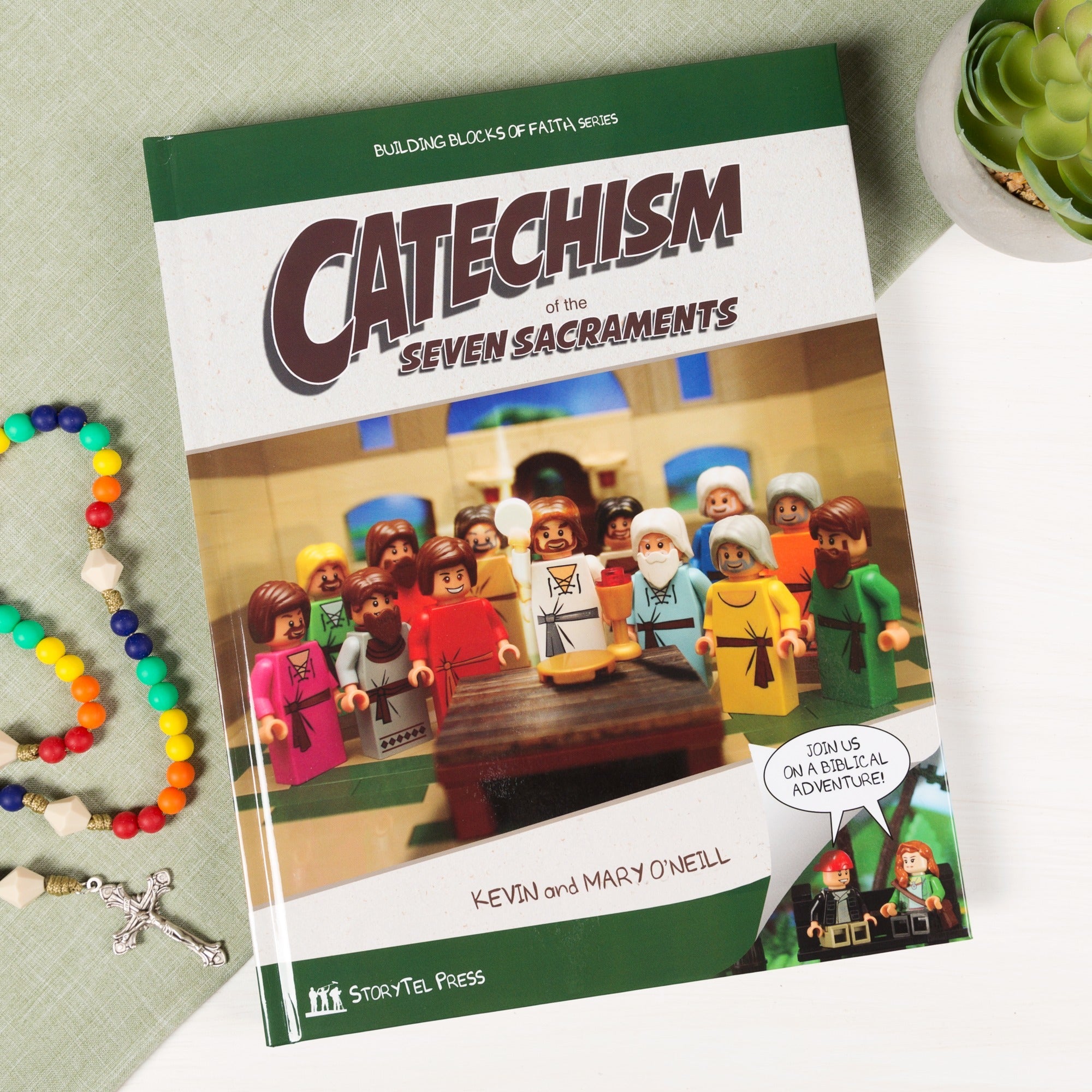
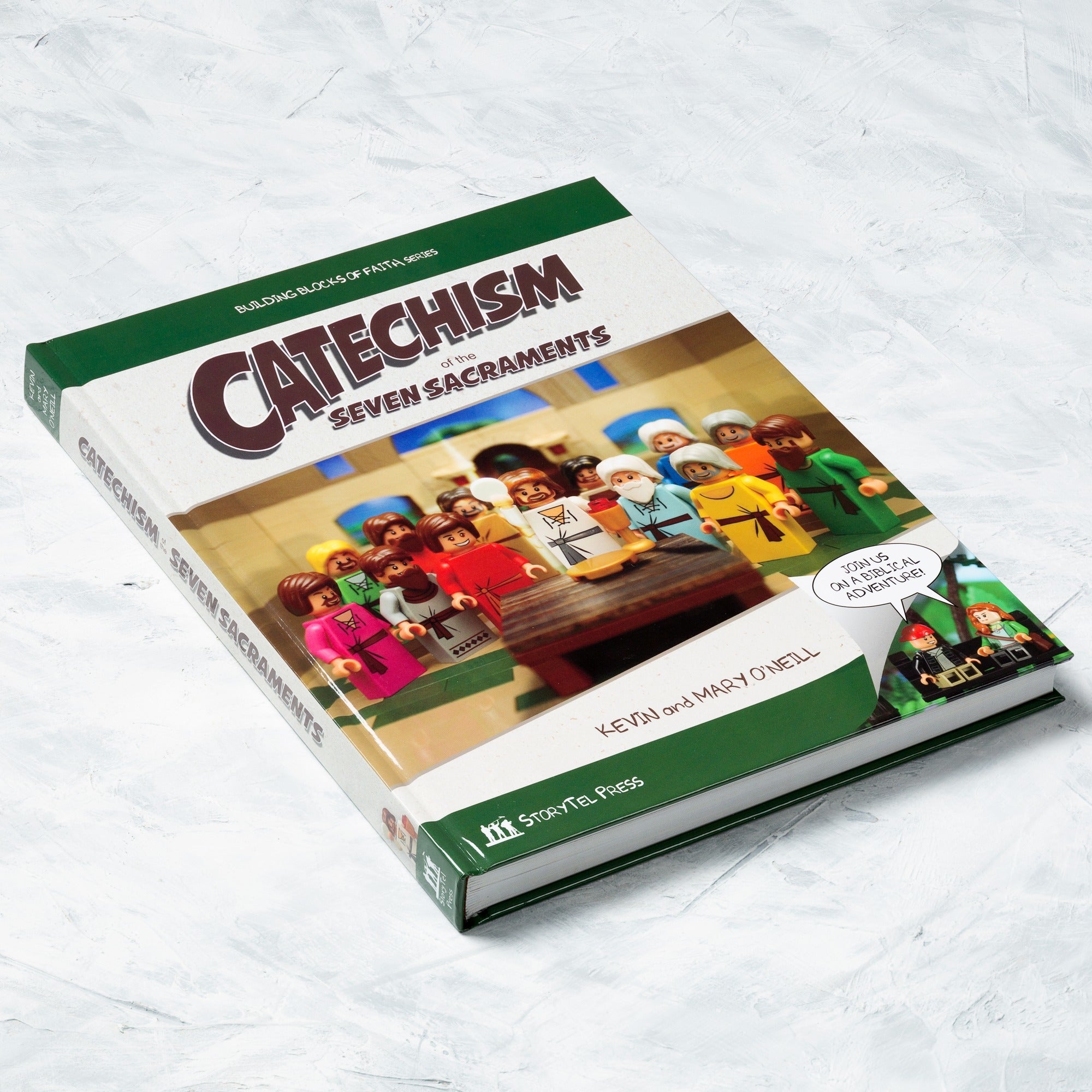
The Catechism of the Seven Sacraments is designed in a vivid comic-book format with stunning photographs. It appeals to both children and adults by making profound theological concepts accessible. Discover yours today at The Catholic Company.