Most Catholics have seen beautiful images of Our Lady in churches, homes, prayer books, and works of art.
But have you ever wondered where the oldest known image of Mary is found?
It is not in a great basilica or museum. It is hidden deep beneath the streets of Rome in the Catacombs of St. Priscilla.
Known as the "Queen of the Catacombs," the Catacombs of Priscilla stretch for miles beneath the Eternal City and contain some of the most important examples of early Christian art. The catacombs are named for St. Priscilla, a Roman noblewoman who supported the early Church and is believed to have assisted St. Peter himself.
Priscilla and her husband, Manius Acilius Glabrio, were among the earliest Christians in Rome. After her husband was executed for refusing to worship the Roman gods, Priscilla donated part of her family's property to the Church. The underground quarry became a burial place for Christians, including martyrs, clergy, and eventually several popes.
Today, visitors can still see the faith of those early Christians painted on the walls.
There are images of Christ as the Good Shepherd, scenes from the Old Testament, and depictions of miracles from the Gospels. The artwork often appears simple by modern standards, but these images carried enormous meaning for Christians living during times of persecution.
The Catacombs of Priscilla contain the oldest known image of the Blessed Virgin Mary.
Dating to the first half of the third century, the fresco depicts Mary holding the Child Jesus on her lap. Beside them stands a prophet, likely Isaiah or Balaam, pointing toward a star and the fulfillment of the messianic prophecies.

This image was painted less than two hundred years after the death and resurrection of Christ.
Long before Christianity became legal in the Roman Empire, Christians were already depicting Mary and her Son on the walls of their burial places. The image reminds us that devotion to the Mother of God is not a medieval invention or a later addition to the faith. It reaches back to the earliest generations of Christians.
This image is found in the darkness of the catacombs, where Christians gathered to bury their dead and profess their hope in the Resurrection...where they knew they could speak the truth of what they believed.
Nearly eighteen centuries later, the image remains as a witness to the faith of those early believers and to the unique place Mary has always held in the life of the Church.
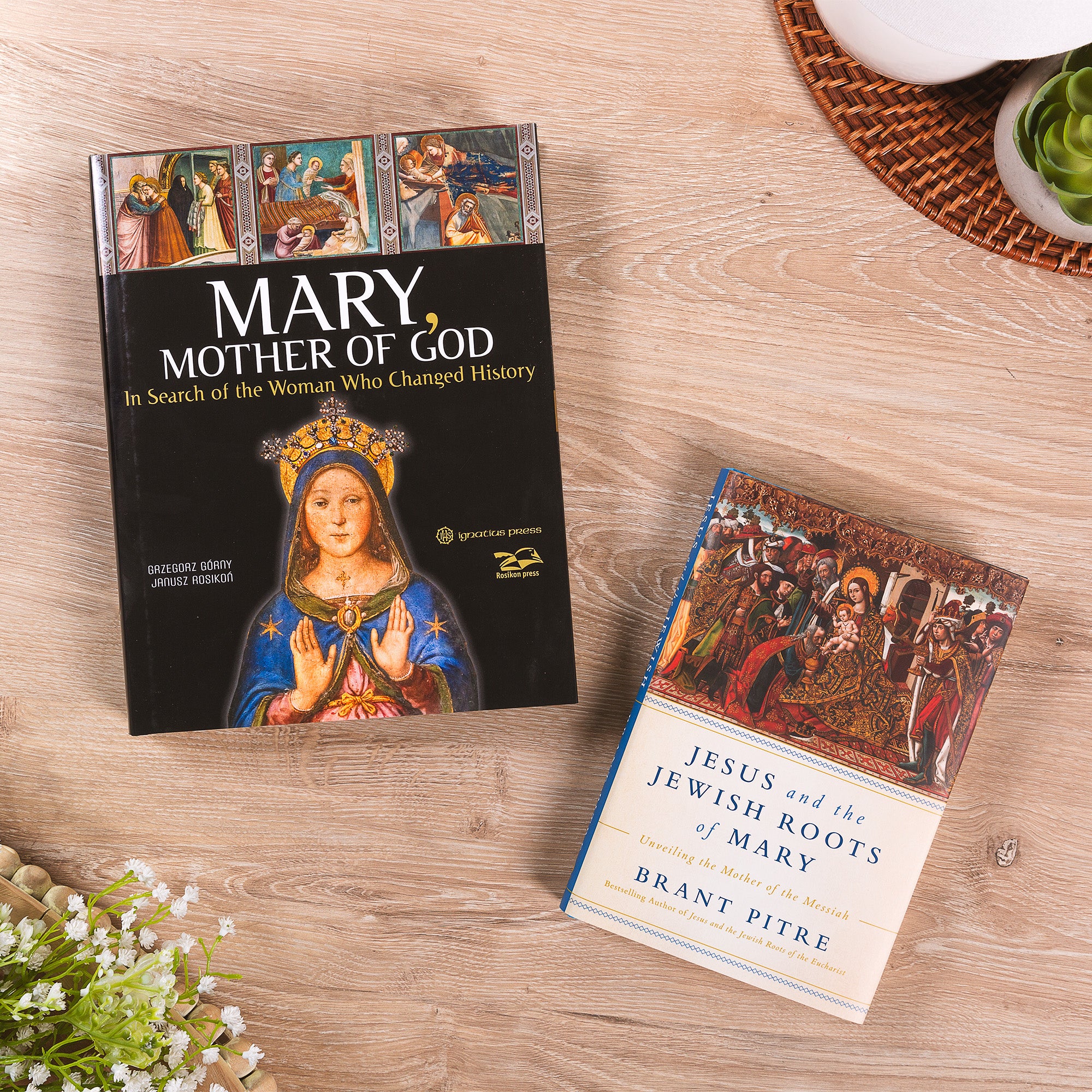
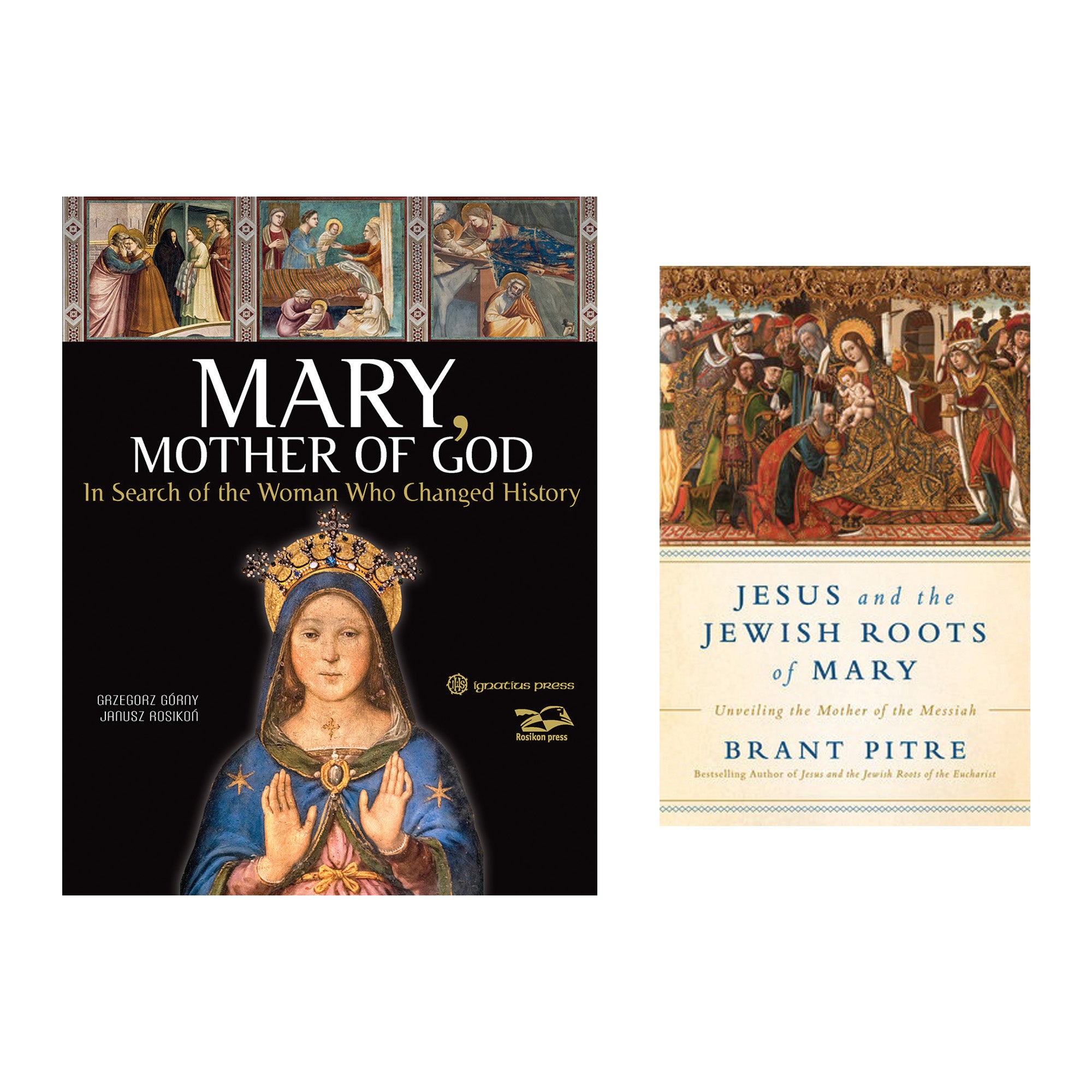
If you would like to learn more about the woman who changed history, Mary, Mother of God: In Search of the Woman Who Changed History explores the biblical, historical, and spiritual significance of Our Lady and her enduring impact on the world. Find it today at The Catholic Company!