






There is a story from the life of St. John of God that you might not have ever heard.
Early in his conversion, John of God (1495–1550) was deeply committed to the care of the poor and sick in Granada, Spain. One Sabbath, as he walked to Mass, he noticed a man whose shoes were completely worn through. Instead of continuing to church, John removed his own shoes and gave them to the man. He then walked the rest of the way barefoot. When friends saw him at Mass, they later asked where his shoes were. John said simply that a sacred day should begin with charity.
The Catechism of the Catholic Church teaches the fourth commandment in the liturgical context: “The Sabbath, which belonged to God’s covenant with Israel, and which Christ’s rising again sanctified in a new way, is to be kept holy by refraining from those works and activities which impede the worship owed to God” (CCC 2175). But immediately after, the Catechism reminds us that true worship extends beyond the liturgy: “The precept of the Church specifies the day on which the faithful are to participate in the Eucharistic celebration” (CCC 2180).
In other words, keeping Sunday sacred involves both participating in the liturgy and living Sunday outside of the liturgy. It is this living that St. John of God practiced even before he arrived at the altar.

This idea finds support in Scripture as well. In Colossians, St. Paul instructs: “Whatever you do, in word or deed, do everything in the name of the Lord Jesus, giving thanks to God the Father through Him” (Colossians 3:17).
St. John of God understood that sacred living is not a compartmentalized hour once a week, but a continuous orientation of the heart toward God. Our Sundays then become not just liturgical Sundays, but lives shaped by the rhythm of grace. It is a good reminder that our whole lives are opportunities to live the way God intended us to live. To be always mindful of ways we can orient our hearts and our minds to the Gospel throughout the week.
Sundays are especially important because they are the days we give to Christ by attending Holy Mass:
“The Sunday Eucharist is the foundation and confirmation of all Christian practice.” (CCC 2181)
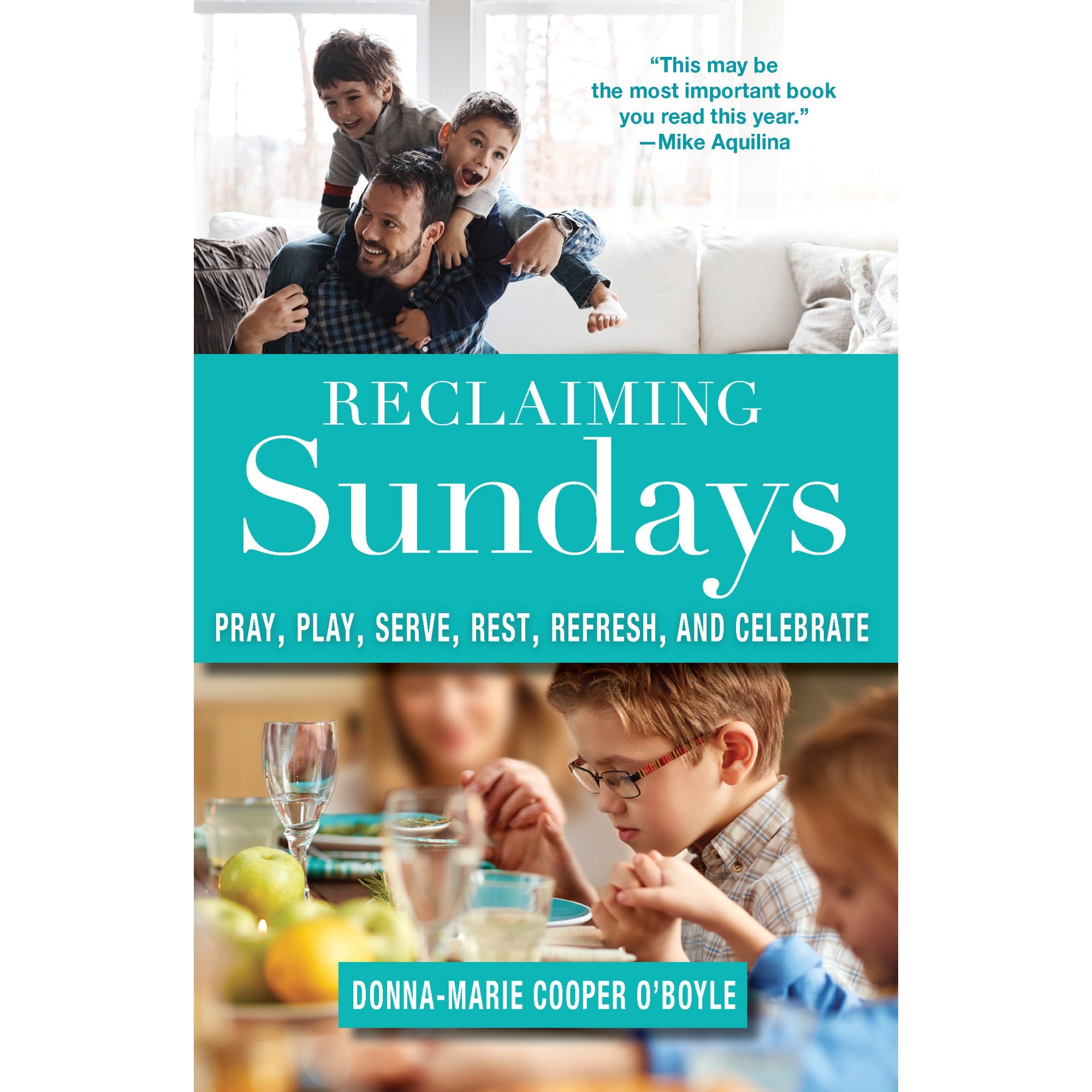
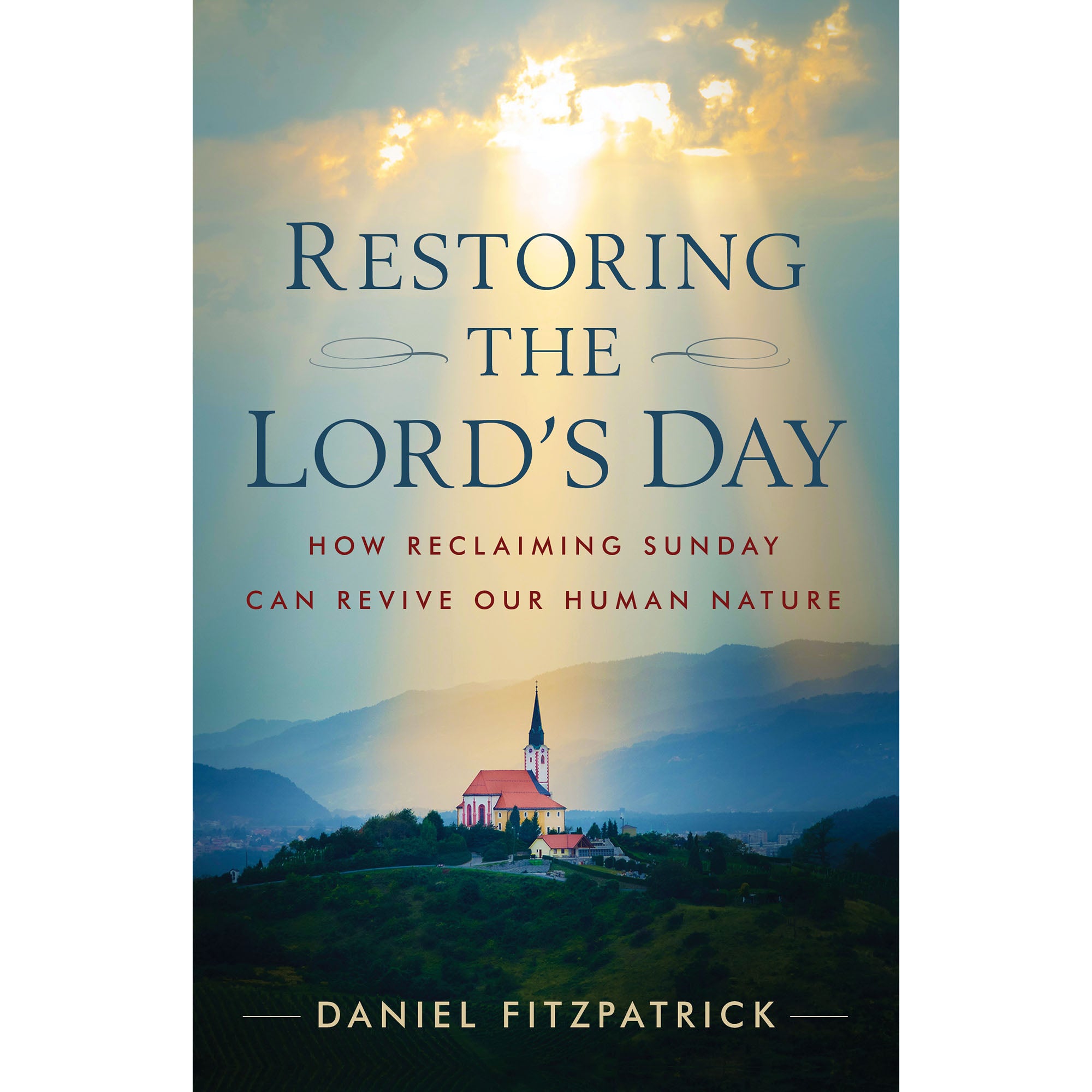
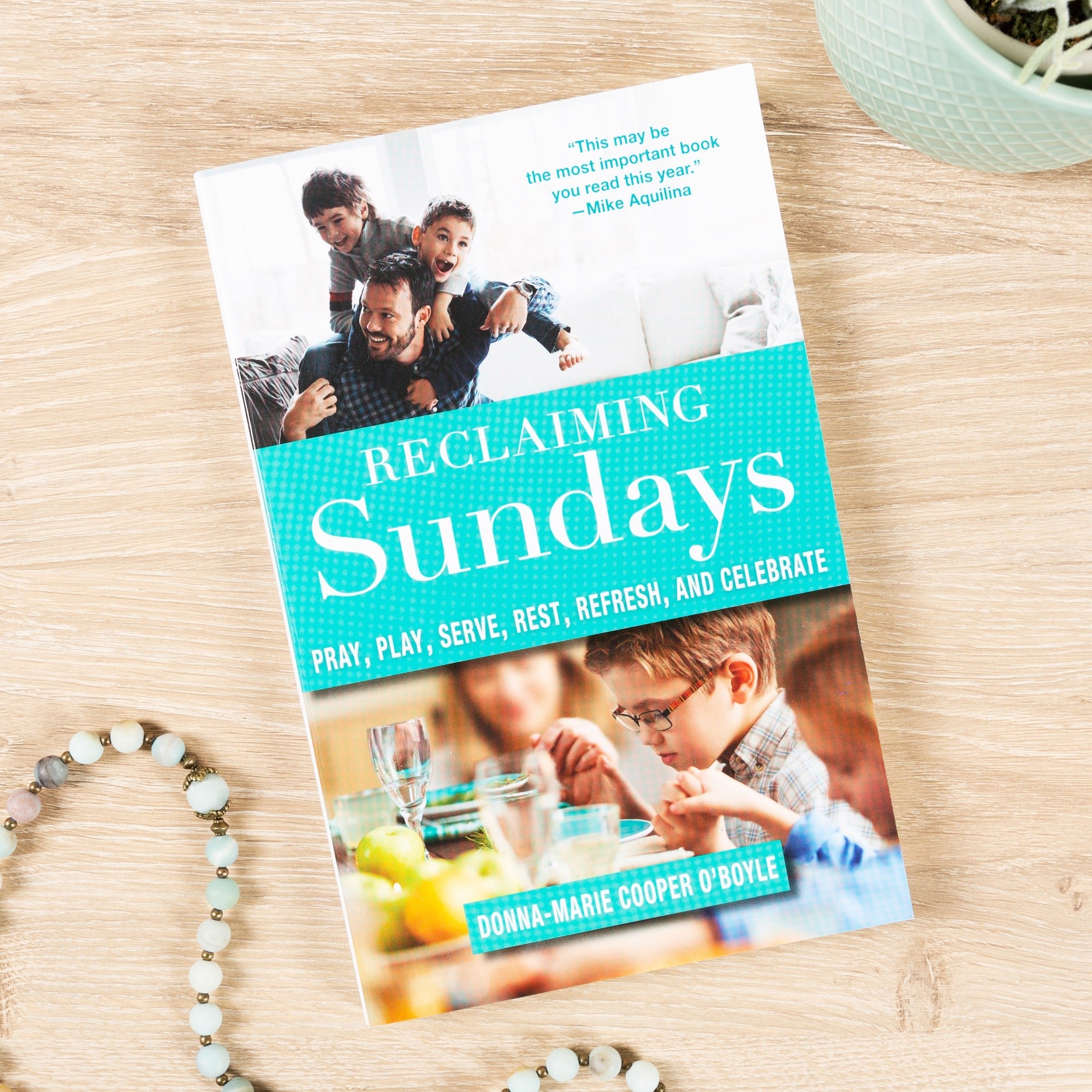
This is exactly the invitation behind Reclaiming Sundays: Pray, Play, Serve, Rest, Refresh, and Celebrate to recover the fullness of Sunday as a day for God, for neighbor, and for the restoration of the soul. Not as a burdensome rule, but as an opportunity to let Christ’s life renew us, not only in the Mass we attend, but in the life we live.
Find your copy today at The Catholic Company!