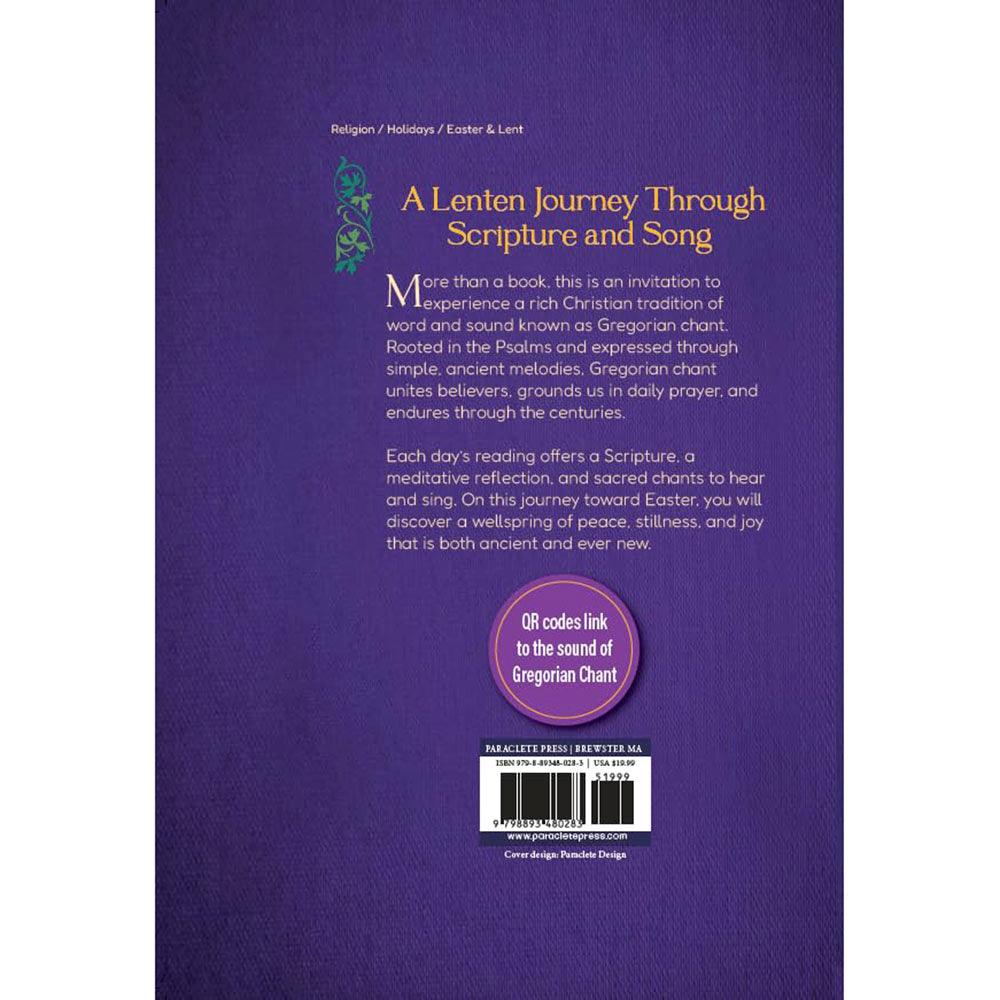






There is a kind of music that Catholics have been singing for well over a thousand years.
It doesn't require instruments. It wasn't written to entertain an audience. And unlike most music we hear today, it isn't really about the singer at all.
Gregorian chant developed from the ancient tradition of sung prayer in the Church. It takes its name from Pope St. Gregory the Great, who died in 604, although the history of liturgical chant reaches back even earlier. Over the centuries, chant became deeply woven into the prayer of the Western Church.
And remarkably, it still holds a special place there.
When the Second Vatican Council addressed sacred music, it didn't relegate Gregorian chant to the past. Instead, Sacrosanctum Concilium declared that Gregorian chant is “specially suited to the Roman liturgy” and, all things being equal, should be given “pride of place.”
Why would music this ancient still matter?
 Part of the answer is in what chant was created to do. Gregorian chant isn't music added to prayer simply to make it more beautiful. The words themselves are being prayed through music. Much of the text comes directly from Scripture, particularly the Psalms, and the melody serves those words rather than competing with them.
That may explain something many people experience when they hear chant, even outside of Mass. There is a peacefulness to it; an unhurried rhythm and lack of musical clutter that create room for recollection.
St. Augustine understood how powerfully sacred music could affect the soul. Writing about the chants he heard in church, he wrote that he was moved to tears as the words entered his heart through the music.
Fourteen centuries after Pope St. Gregory, we live in a much noisier world. Music follows us into stores, restaurants, cars, gyms, and almost everywhere else. Perhaps there is something worth rediscovering in a form of music whose purpose has always been quite different: to help us pray.
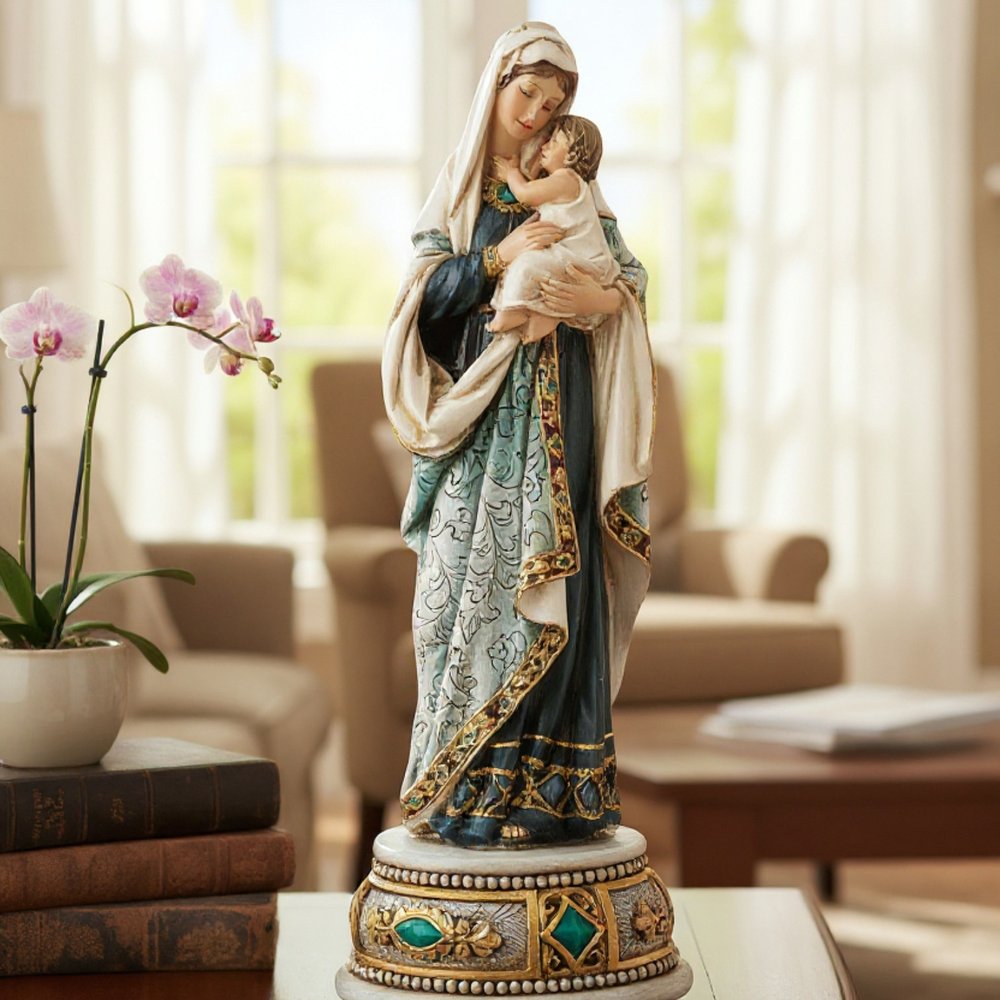
Sacred music can also have a place in our homes. The Adoring Madonna & Child Musical Figurine brings together a beautiful image of Our Lady holding the Christ Child with the gentle sound of the “Ave Maria,” offering a small reminder that beautiful music can still turn our thoughts toward God. Find yours today at The Catholic Company!