It doesn’t take long to notice it. The world can be a harsh place. But perhaps one of the most exhausting battles we fight is the one within ourselves.
We know our faults. We remember our failures. We replay our mistakes long after they’ve passed. And in the midst of that interior noise, it is easy to believe that holiness must look like something we are not.
St. Francis de Sales offers a different vision.
Living in a time marked by severe spiritual thinking, he spent his life gently reminding souls that God is not harsh, that sanctity is not reserved for a select few, and that devotion is meant to fit the person living it. His words still feel startlingly kind.
“There is nothing as strong as gentleness; nothing as gentle as real strength.”
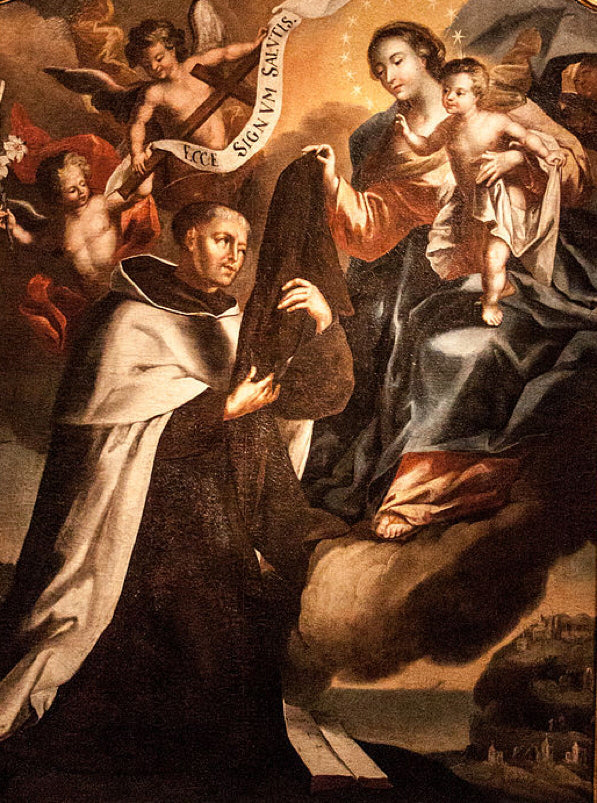
Francis did not arrive at this conviction easily. As a young man, he endured a deep spiritual crisis marked by fear of damnation and despair over God’s love. He was healed through prayer, especially through abandonment to God and trust in the intercession of the Blessed Mother. That experience shaped everything that followed.
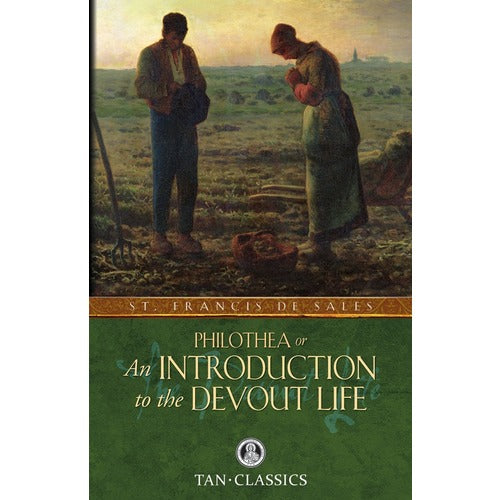
From his sermons to his letters to his great spiritual classic, Introduction to the Devout Life, St. Francis consistently returned to one theme: God desires holiness, yes, but He desires it lived peacefully, patiently, and personally.
The following are five ways St. Francis de Sales helps us grow into our own unique perfection.
1. Holiness is a journey, not a single achievement
St. Francis understood how easily the desire for perfection can turn into anxiety. He warned against wanting to arrive at the end of the road before we have taken the first steps.
He encouraged souls to focus on the stretch of road immediately before them, rather than obsessing over what lies far ahead. God, he taught, is pleased not only with progress, but with intention. Small efforts, offered with love, delight Him.
“We must not wish to be angels before we die, nor expect to be perfect all at once. We must patiently advance step by step, doing what lies before us.” (Introduction to the Devout Life)
Perfection is not about doing everything flawlessly. It is about walking with Christ faithfully.
2. Patience with yourself is part of patience with God
One of St. Francis’ most repeated instructions is simple and difficult: be patient with yourself.
He knew that falls are inevitable. What matters is how we respond to them. Instead of becoming harsh or discouraged, he urges a calm return to God, again and again.
“Have patience with all things, but first of all with yourself. Do not lose courage in considering your own imperfections.” (Introduction to the Devout Life)
Using the image of young bees, he reminds us that early efforts in the spiritual life are clumsy and limited. Wings grow slowly. For now, we feed on what has already been gathered for us by saints and teachers who came before.
Growth happens gradually, and impatience only slows it down.
3. True devotion produces freedom, not rigidity
For St. Francis, one of the clearest signs of spiritual maturity is interior freedom.
A soul rooted in God’s love is gentle, flexible, and peaceful. It is not thrown off course by interruptions, nor crushed when prayer routines are disrupted. Devotion adapts to circumstances without losing its heart.
This freedom extends even to care for the body. St. Francis was strikingly practical, warning against treating oneself like an overworked horse deprived of rest. Physical care, he believed, supports spiritual growth.
“Devotion must be practiced in different ways according to the strength, calling, and duties of each person.” (Introduction to the Devout Life)
Holiness should make us more human, not less.
Introduction to the Devout Life Signature Set
4. Our faults can become doorways back to God
St. Francis never denies the seriousness of sin, but he is clear about one thing: excessive self-reproach does not come from God.
He urges souls to be sorry for their faults without becoming bitter or turbulent. Calm repentance, he insists, is far more effective than emotional self-punishment.
“When you fall, do not be surprised, but humble yourself quietly before God, and with courage and confidence in His mercy, rise again.” (Introduction to the Devout Life)
After a fall, the goal is not to linger in disappointment, but to return quickly to Christ with humility and trust. Even our weaknesses can become places of encounter with mercy.
5. God’s plan for holiness takes your shape
Perhaps St. Francis de Sales’ most distinctive contribution is his understanding of what he called “individual form.”
He often explained that devotion is like a liquid. It takes the shape of the vessel into which it is poured. The Gospel does not erase personality or temperament. It enters them.
Your unique perfection is not someone else’s holiness copied more carefully. It is Christ living within your particular circumstances, strengths, limitations, and character. God does not ask the same things of every soul in the same way.
“True devotion takes different forms, according to the diversity of vocations and temperaments.” (Introduction to the Devout Life)
This is why St. Francis insisted that laypeople, parents, workers, and ordinary Christians could live deeply devout lives without withdrawing from the world. Holiness adapts. It inhabits the life you have been given.
In a culture that prizes intensity and perfectionism, St. Francis de Sales offers something quietly radical: mercy toward oneself grounded in truth.
He teaches us to know our sins, yes, but even more to know the tenderness of God. To grow steadily. To trust slowly. To become saints not by force, but by love.
May we allow his wisdom to soften our hearts, steady our steps, and help us believe that God’s grace knows exactly how to shape itself within us.