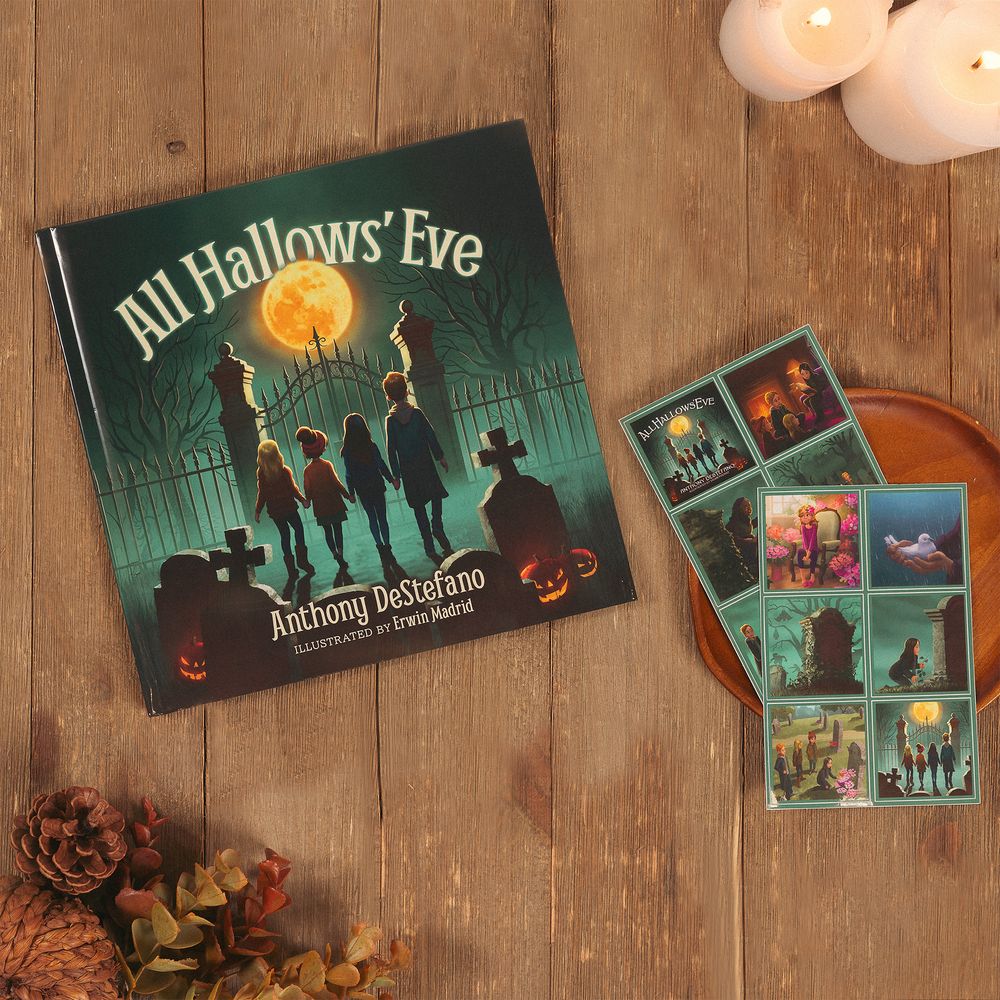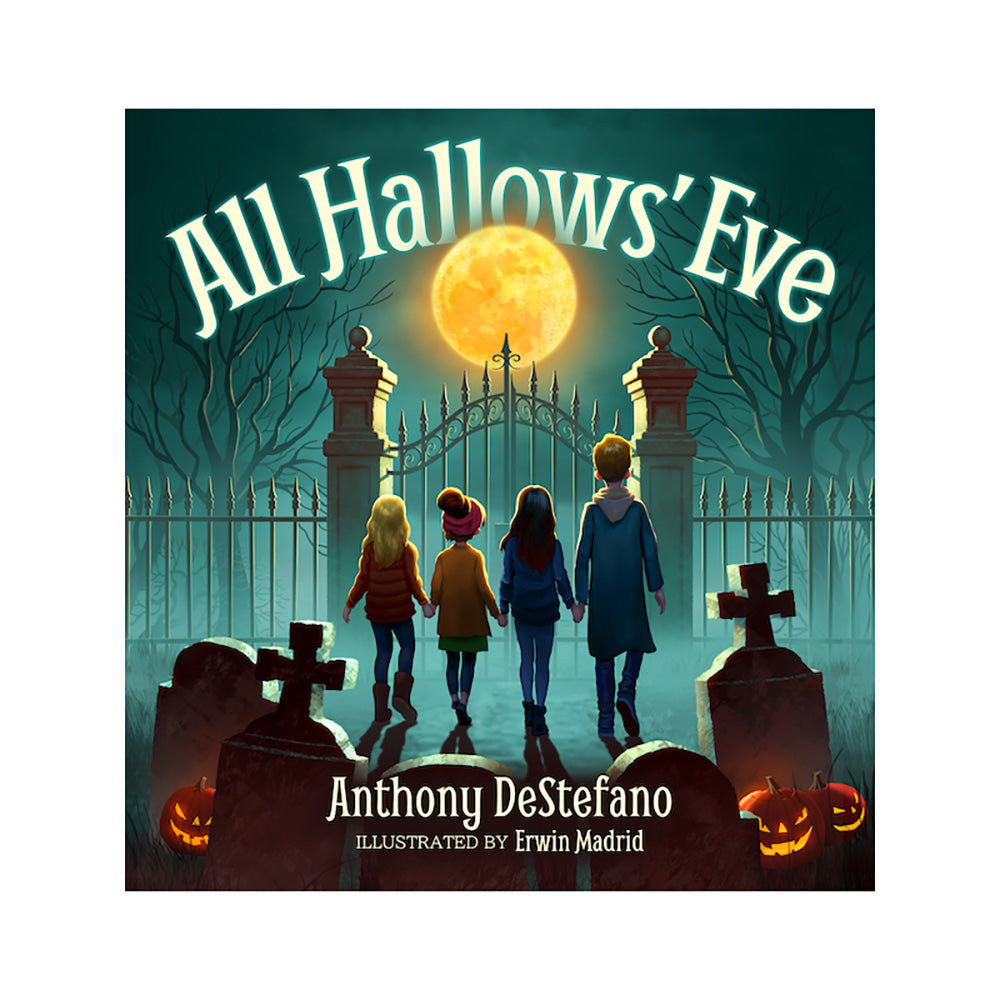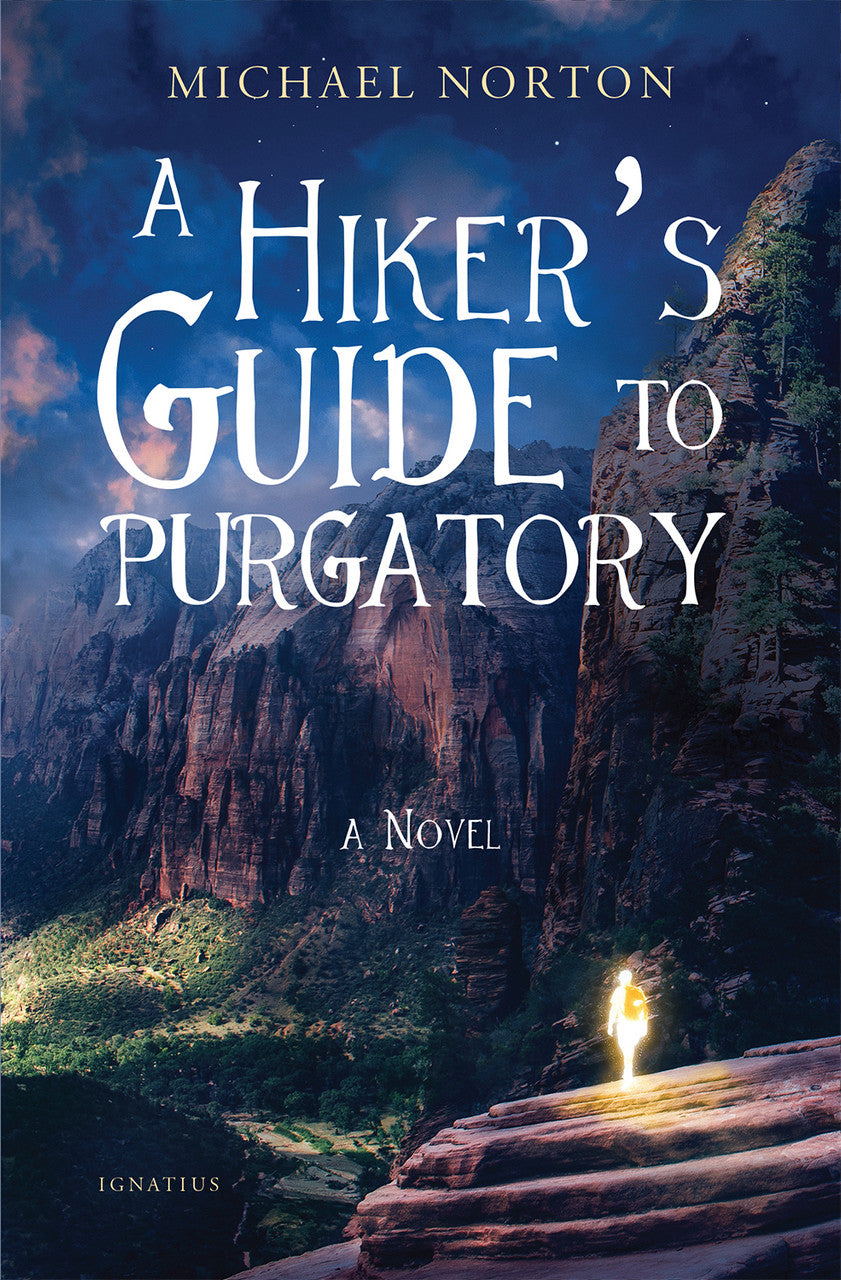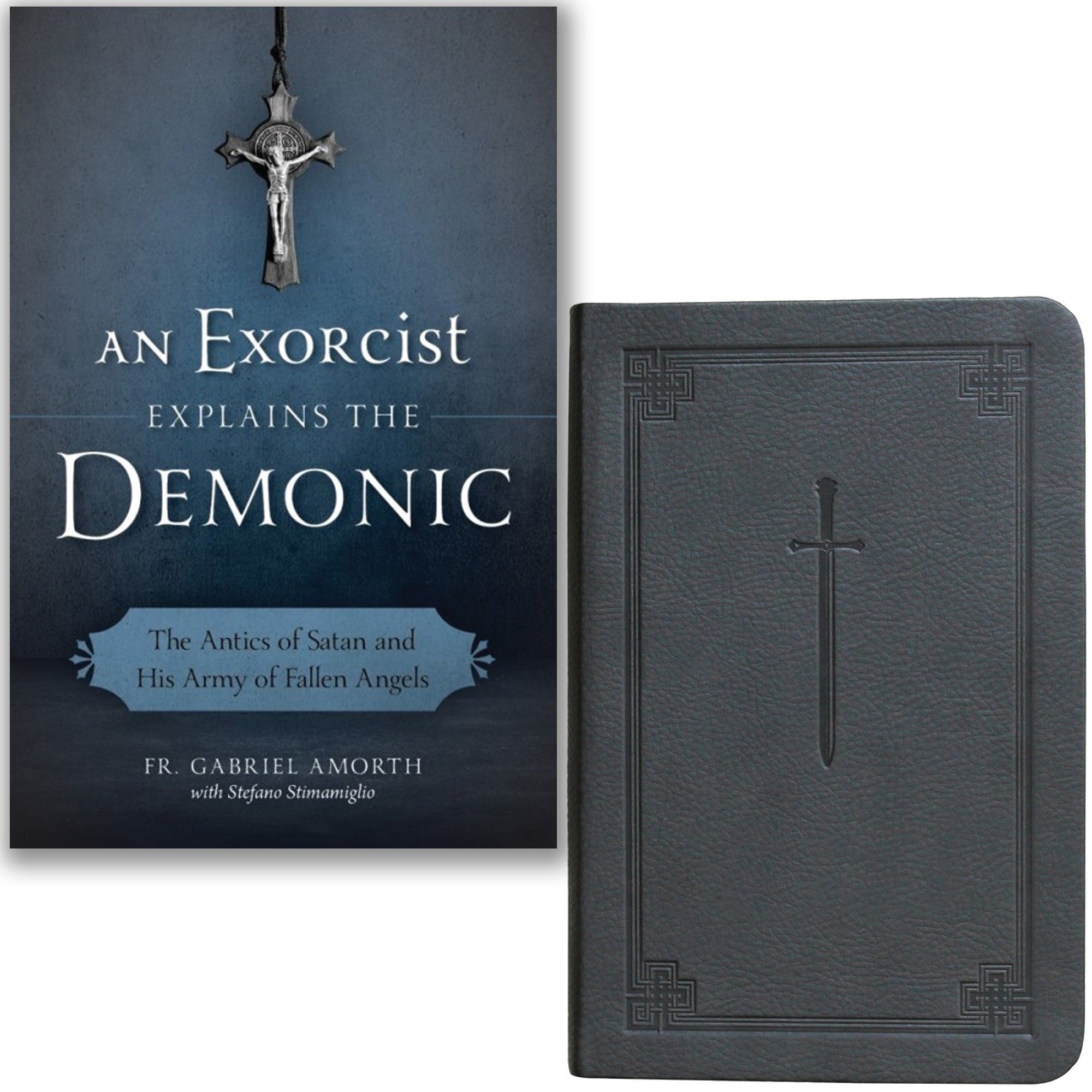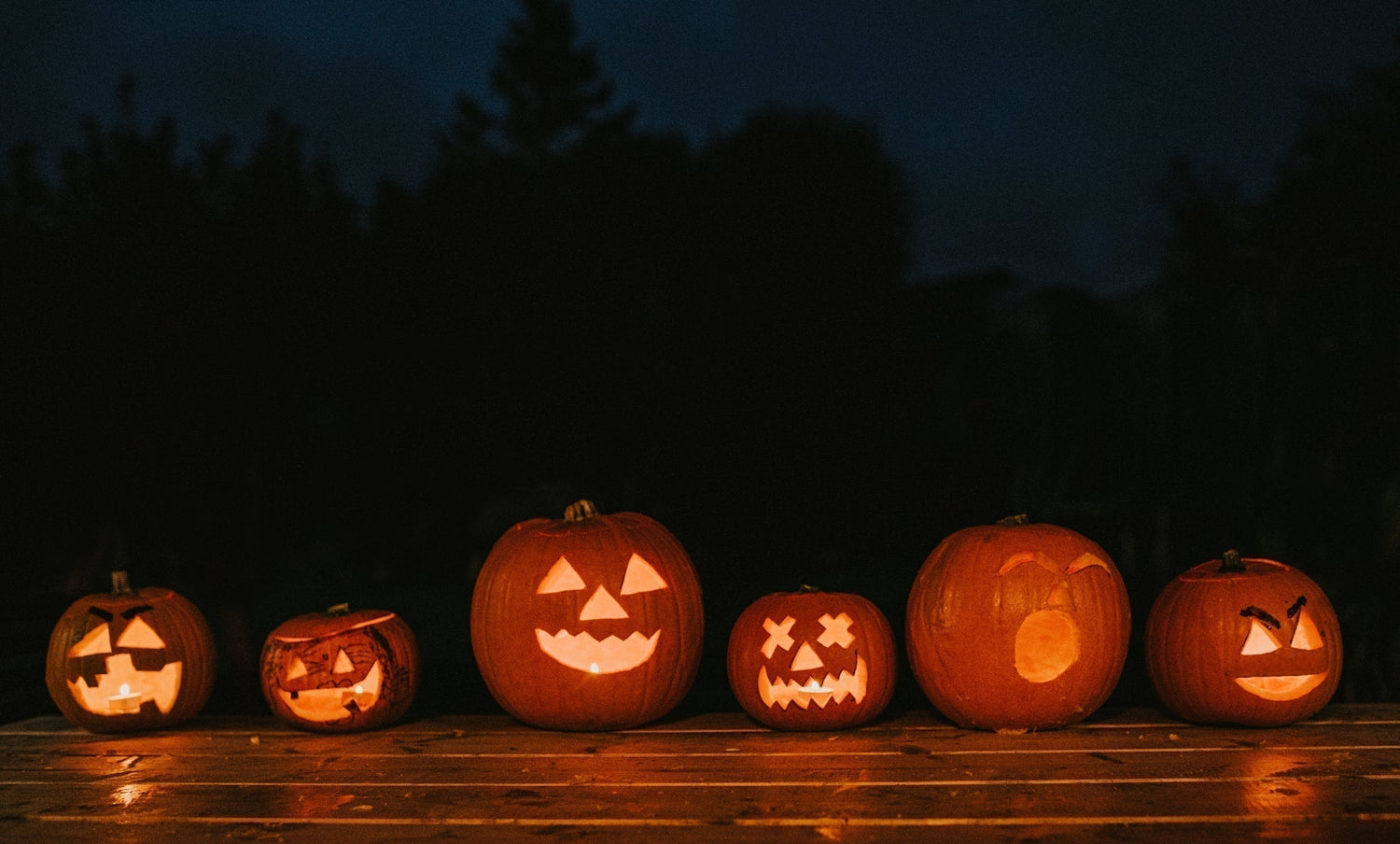
We celebrate Halloween on October 31st because All Saints Day is November 1st, (as Catholics, we know how to celebrate 'vigils'). Vigils are when important feasts begin the night before the feast itself. If you pray the Liturgy of the Hours (Divine Office), you will see that the prayers for these big feasts begin the evening prior, as though the feast had already arrived.
Allhallowtide
The word Halloween comes from All Hallows’ Eve, the vigil of All Saints’ Day. Over time, the sacred meaning of Allhallowtide (the season to honor the saints in Heaven, pray for the souls in Purgatory, and reflect on eternal life) was overshadowed by secular customs and folklore about ghosts and spirits (and even demons, etc.). While most know about Halloween, many are not familiar with its origins or with the traditional three days of Allhallowtide:
-
October 31 – All Hallows’ Eve (Halloween)
The vigil of All Saints’ Day, traditionally a time of preparation and prayer. “Hallow” means “holy,” so All Hallows’ Eve literally means “the evening before All Saints.” -
November 1 – All Saints’ Day
A solemn holy day celebrating all the saints in Heaven—both those formally canonized and those known only to God.(Pope Gregory III (731–741) transferred the Feast of All Saints from its former day on May 13th to November 1st to coincide with the foundation of a new chapel in St. Peter’s Basilica, which he dedicated to all the saints in heaven.) -
November 2 – All Souls’ Day
A day of prayer for the souls in Purgatory, who are being purified and prepared for the joy of Heaven.
At its heart, this time of year still points us toward the truth that death is not the end, and that we are forever united with all the faithful in Christ. Because Allhallowtide reminds us of the connection between death, Heaven, Purgatory, and earth, it also raises questions about the souls who have gone before us, and whether “ghosts” might really exist.
Are There Such Things as Ghosts? A Catholic Answer
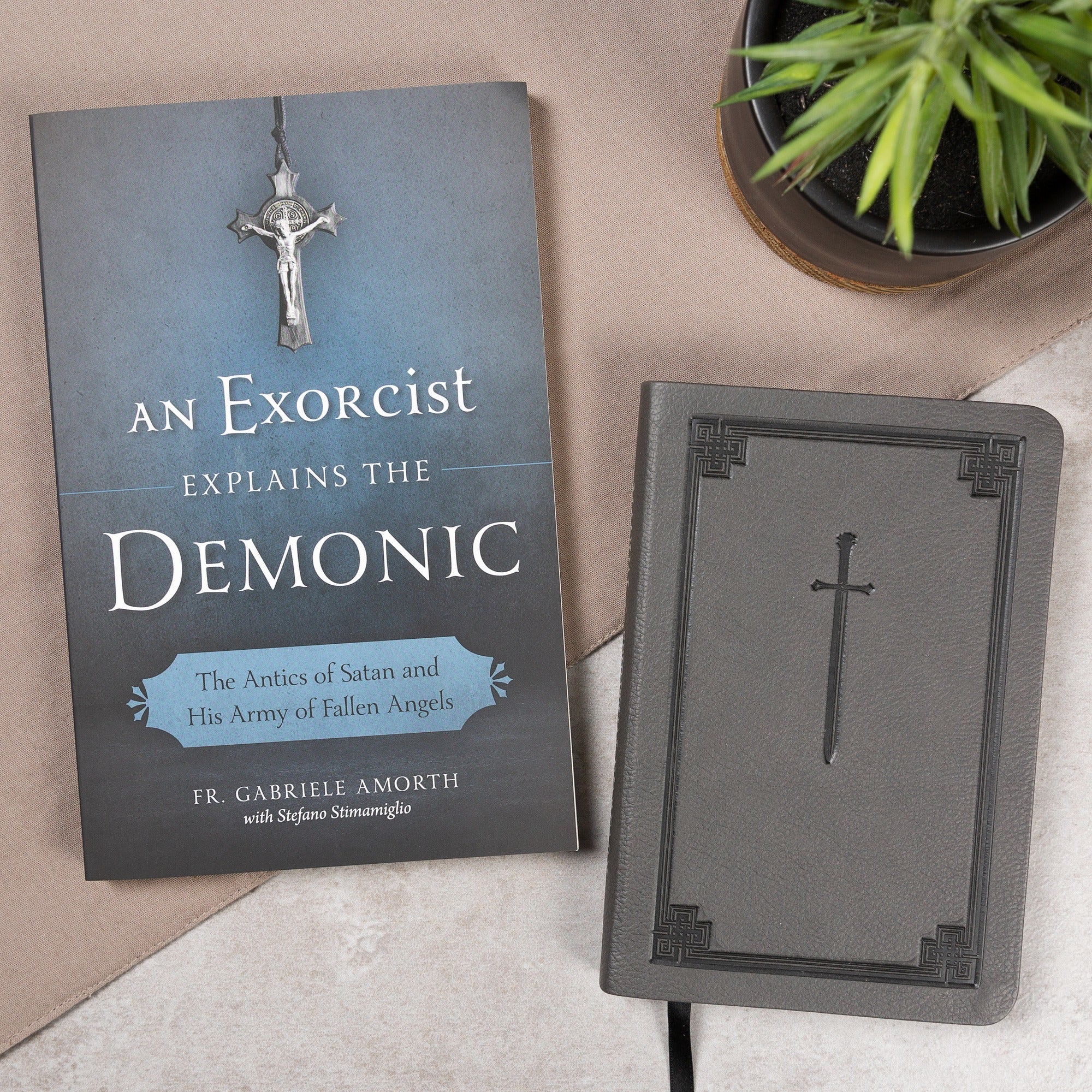
So, what are we to believe about ghosts? Are they real? Are they departed souls? And what does any of this have to do with Halloween? [For an in-depth look, check out the Good Catholic series, Angels and the Supernatural]
The word “ghost” comes from an Old English word, geist, which simply means “spirit.” Catholics do believe in spirits because we know that God, angels, demons, and the souls of those who have died all belong to the spiritual realm.
While the Catholic Church has not offered a formal, dogmatic teaching on the subject of ghosts per se, her most brilliant theologians have discussed it for centuries, and the consensus on the question of ghosts is a qualified “yes.”
[Read How to Help the Souls in Purgatory (And Do Ghosts Exist?) ]
St. Thomas Aquinas, one of the Church’s greatest minds, had this to say:
“…according to the disposition of divine providence, separated souls sometimes come forth from their abode and appear to men . . . It is also credible that this may occur sometimes to the [souls of the] damned, and that for man’s instruction and intimidation they be permitted to appear to the living.” (Summa Theologiae, Supplement, Q. 69, Art. 3)
So yes, it seems that what people call “ghosts” can indeed be departed souls. However, this comes with crucial distinctions. The vast majority of credible accounts within Catholic tradition point not to souls aimlessly wandering or “trapped,” but to souls from Purgatory, permitted by God to seek our help. As How to Help the Souls in Purgatory (And Do Ghosts Exist?) explains, these are the “poor souls” who are assured of heaven but are not yet purified.
Of course, we must be cautious. As the same article notes, “demons are capable of pretending to be departed souls; so not all ‘ghosts’ are from purgatory.” A spirit that is malevolent, encourages sin, or denies Christ is not a holy soul seeking prayer. Discernment is key.
And let us remember this about the "supernatural":
"If the idea of the 'supernatural' continues to feel like an object of curiosity, remember that the Church itself, as a divine institution, is 'supernatural.' We encounter supernatural realities in the sacraments‐that is, we receive supernatural life through them. The more we increase in faith, hope, and charity, the more our souls are filled with supernatural life, which is what we need to enter heaven. So we shouldn’t think of the “supernatural” as being completely foreign." (Angels and the Supernatural, Good Catholic Series)
Holy Ghosts: Stories from the Tradition
History is filled with accounts of these visitations; sober accounts from the lives of saints and holy people, recorded to instruct the faithful. They reveal a beautiful and sometimes terrifying reality of the Communion of Saints.
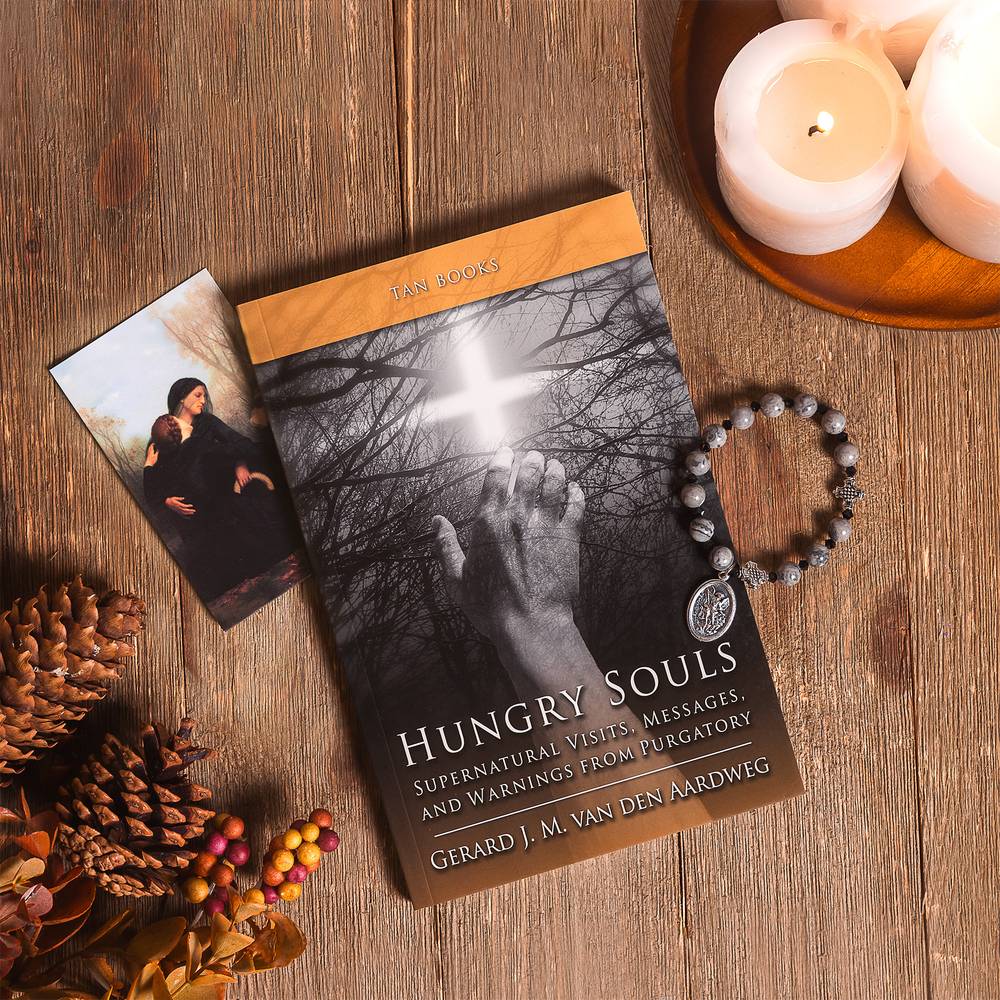
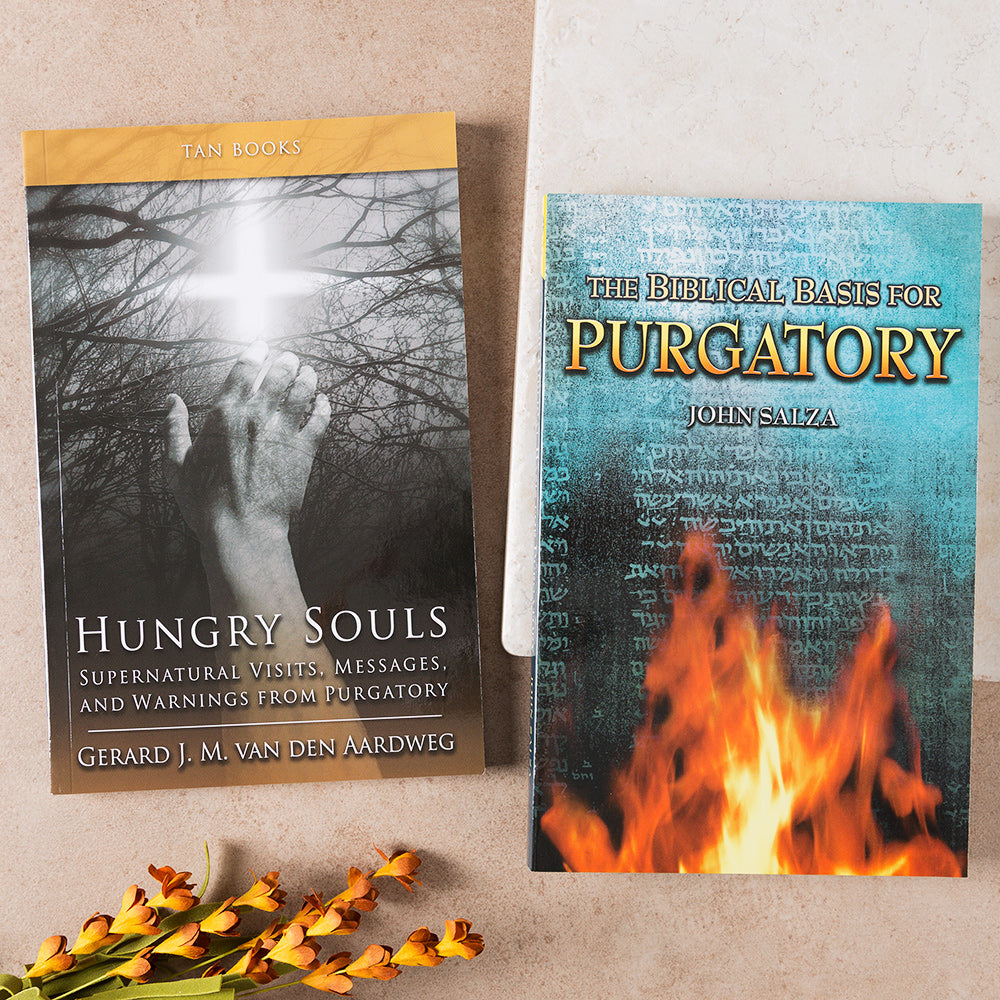
Read: The Catholic Book I Refused To Read: Hungry Souls, A Review

St. Gregory the Great, in his Dialogues, tells of a priest who frequented a bathhouse and was always diligently served by a man he knew. One day, the priest offered the man a holy loaf of bread as a reward. The man replied, weeping:
“Father, why do you give me this thing? I may not eat it for it is holy. I was sometime lord of this place, but after my death, I was deputed to serve here for my sins, but I pray thee that thou wilt offer this bread unto Almighty God for my sins, and know thou for certain that thy prayer shall be heard, and when then thou shalt come to wash, thou shalt not find me.”
After the priest offered a week of Masses for him, the man was gone. This story, and others like it, follow a pattern: a soul appears, reveals their suffering in Purgatory (often connected to their sins in life), and asks for spiritual aid. Their purpose is not to frighten, but to implore.
Purgatory: The Great Forgotten Truth
These ghostly encounters point directly to the reality of Purgatory. The Catechism of the Catholic Church provides a simple, clear definition:
“All who die in God’s grace and friendship, but still imperfectly purified, are indeed assured of their eternal salvation; but after death they undergo purification, so as to achieve the holiness necessary to enter the joy of heaven. The Church gives the name Purgatory to this final purification of the elect…” (CCC 1030-1031)
As the Catechism explains, this is the Church Suffering. These souls are our brothers and sisters in Christ. They can no longer merit anything for themselves, but they are not beyond our help. In fact, they depend on it. Their appearance is a stark and loving reminder from God of our duty to them.
[Discover the Good Catholic series, Purgatory: Cleansing Fire]
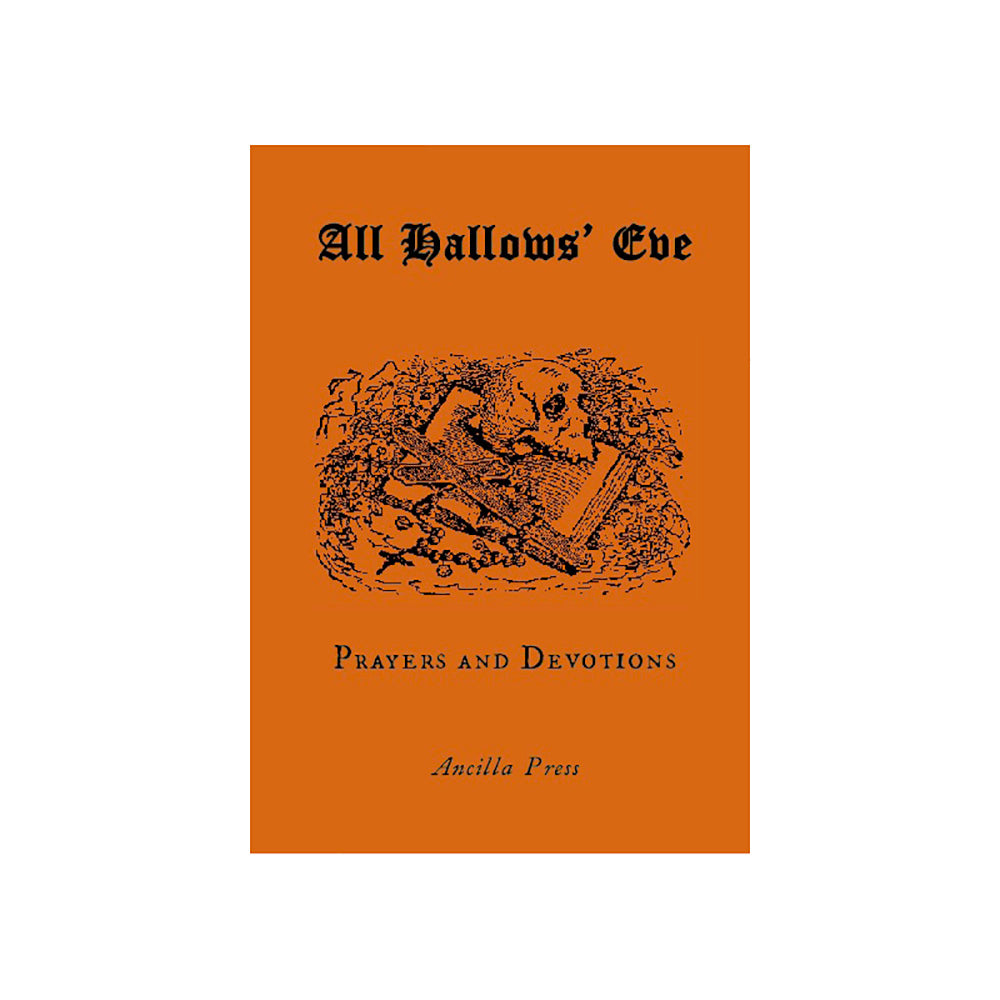
Praying for the holy souls is a great act of charity that benefits our own souls as well. When someone dies, we should not assume they are in heaven. We should commence praying for them immediately. One way we can think about this is to imagine our own death. Would we want our loved ones praying for our soul? Traditional prayers for the dead are the Holy Rosary, the Divine Mercy Chaplet, and the traditional prayer for the Holy Souls (see link here for the book below).

How To Celebrate These Holy Days
Let us not be afraid of the supernatural. Instead, let us reclaim this Halloween season as a truly Catholic time. Let the plastic skeletons and fake cobwebs remind us of the real bones of our ancestors in the faith and the real spiritual battle we are in. Let them remind us of the holy souls, who yearn for the beatific vision and who await our prayers. This is not a time for fear, but for faith, hope, and charity.
The following is an excerpt from an article on our sister site, Good Catholic, titled: A Good Catholic Guide To Halloween, on how to celebrate Allhallowtide:
How to Celebrate Halloween:
- Try to get to Mass on All Hallows’ Eve.
- Pray for the intercession of the saints—especially those who are your patrons.
- Have a party with saint-based activities or costumes for kids. Growing up, my mom had connections with the Pauline Fathers at the Shrine of Our Lady of Czestochowa in Pennsylvania. They agreed to host us, and we had the best All Saints' / All Hallows’ Eve celebration I’ve ever seen for seven years running. (My family eventually moved away and was no longer able to enjoy it!) The priests said Mass for us and let us kids wear our saints’ costumes to Mass. Then we had a party (complete with a Saint Guessing Game) in the cafeteria. A parent brought a guitar and played “When the Saints Come Marching In” and let us kids parade around. There was dinner, candy hunts, and more—and little “saints” running around everywhere, with their costumes looking delightfully disheveled by the end of the night. All of this made a big impression on me as a kid—and was the best day of the year for my childhood life, second only to Christmas. (author Genevieve Netherton)
- Is it okay to dress up and do trick-or-treating? It’s no sin to wear fun costumes and enjoy trick or treating! (The medieval days were full of enthusiasm for dressing up, going door to door to sing to the folks inside, and more!) Try to find a good, family-focused neighborhood to Trick or Treat in. My cousin brings her four kids to a neighborhood street renowned for a communal celebration that is focused on kids and their parents.
-
Help your kids pick a saint to dress up as when they trick-or-treat. Perhaps help a child discover a little-known saint who has a great story and impressive costume possibilities. When neighbors ask your son or daughter, “Who are you?” it’s a chance for your family to witness to the Faith. If your kids are reluctant and want to be Davy Crockett or Amelia Earhart, instead of a saint, help them research a famous person’s life and even teach them to pray for the repose of that soul. (If they want to dress up as a superhero, baker, or a construction worker, no harm in that either.)
How to Celebrate All Saints Day:

- Attend Mass with your family. November 1st is a Holy Day of Obligation!
- Enjoy a special meal with loved ones. November 1st is on the weekend this year, so you could make a big brunch after Mass featuring traditional Catholic and Autumnal foods.
- Thank the saints for their intercession. If you have a home altar, adorn their altars and images with flowers, venerate their relics, recite special prayers and litanies in their honor. You can turn your dining room table into a focal point. All you need is a saint’s image, flowers, fall decor, and some candles.
- Read about the lives of the saints. You could pick a new patron saint for the year—or have a saint “chosen” for you with a saint name generator (from Jen Fulwiler!
How to Celebrate All Souls Day:

- Attend Mass for the Holy Souls in Purgatory and pray for them. Pray especially for deceased relatives.
- Learn about the various Poor Souls’ indulgences that are offered by the Church so that you can bring relief and consolation to the Poor Souls. (Read this article: What Exactly Is An Indulgence?

As we can see, the Catholic Church has a rich tradition deeply intertwined with the forgotten Catholic triduum of Allhallowtide. Looking deeper into its meaning reminds us that Halloween is only the beginning of a much greater story...the story of life, death, and eternal communion in Christ.
Though modern Halloween often fixates on the frightening and demonic, we as Catholics are called to reclaim this sacred season as a time to honor the saints, pray for the dead, and celebrate the victory of Christ over darkness.
“All you holy Angels and Saints, pray for us.”