If you have ever struggled to believe that God truly loves you and is infinite in his mercy, you are not alone. In fact, you're in good company. I'm not just saying that because I am one of your companions. I'm saying it because this struggle is not uncommon in the spiritual life.
Many faithful Catholics believe in God, pray regularly, attend Mass and receive the sacraments, all the while striving to live His commandments, yet quietly carrying a the fear that they are disappointing Him.
One Catholic spiritual classic has helped countless people like us believe the truth: God’s love is not something we earn. It is something we simply trust.
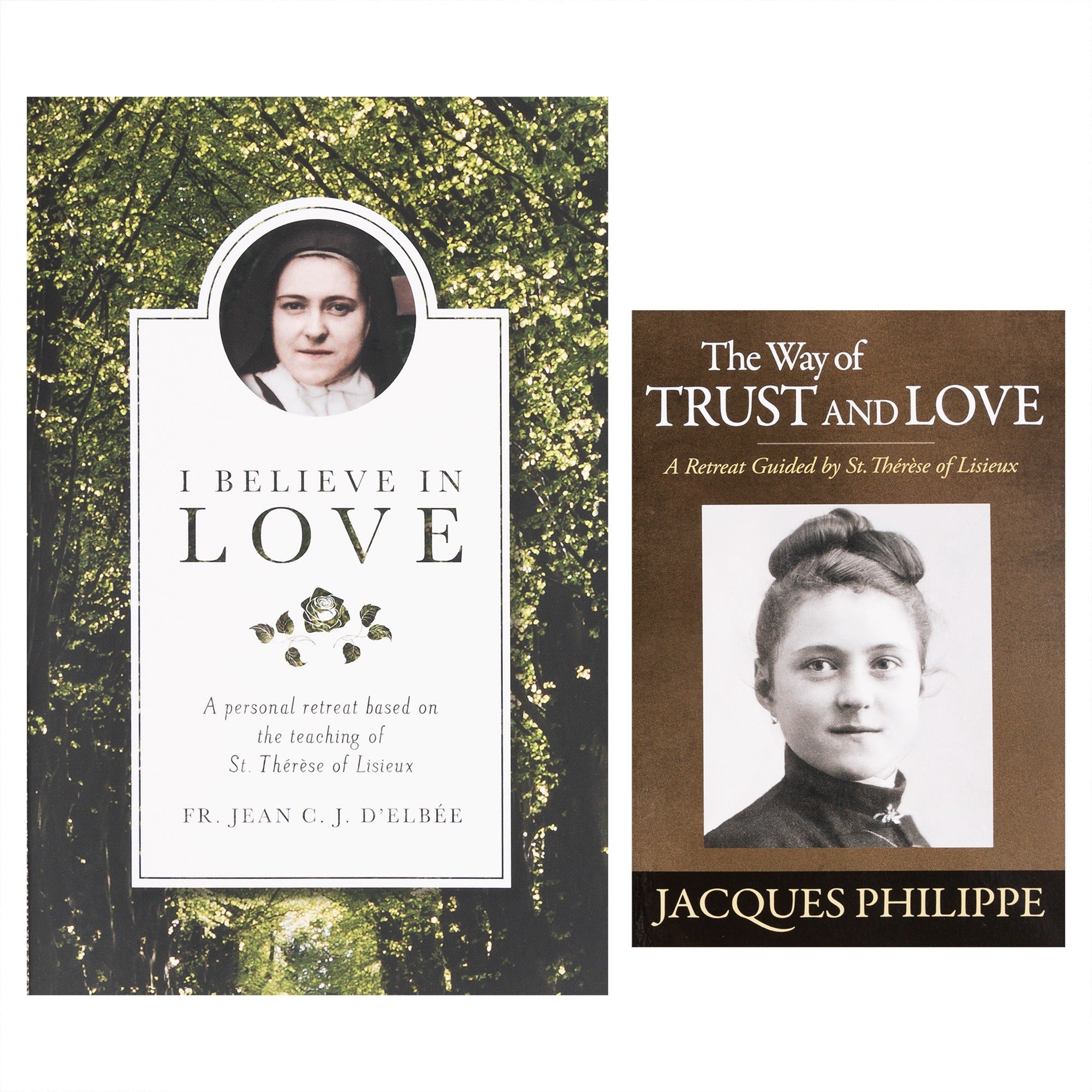
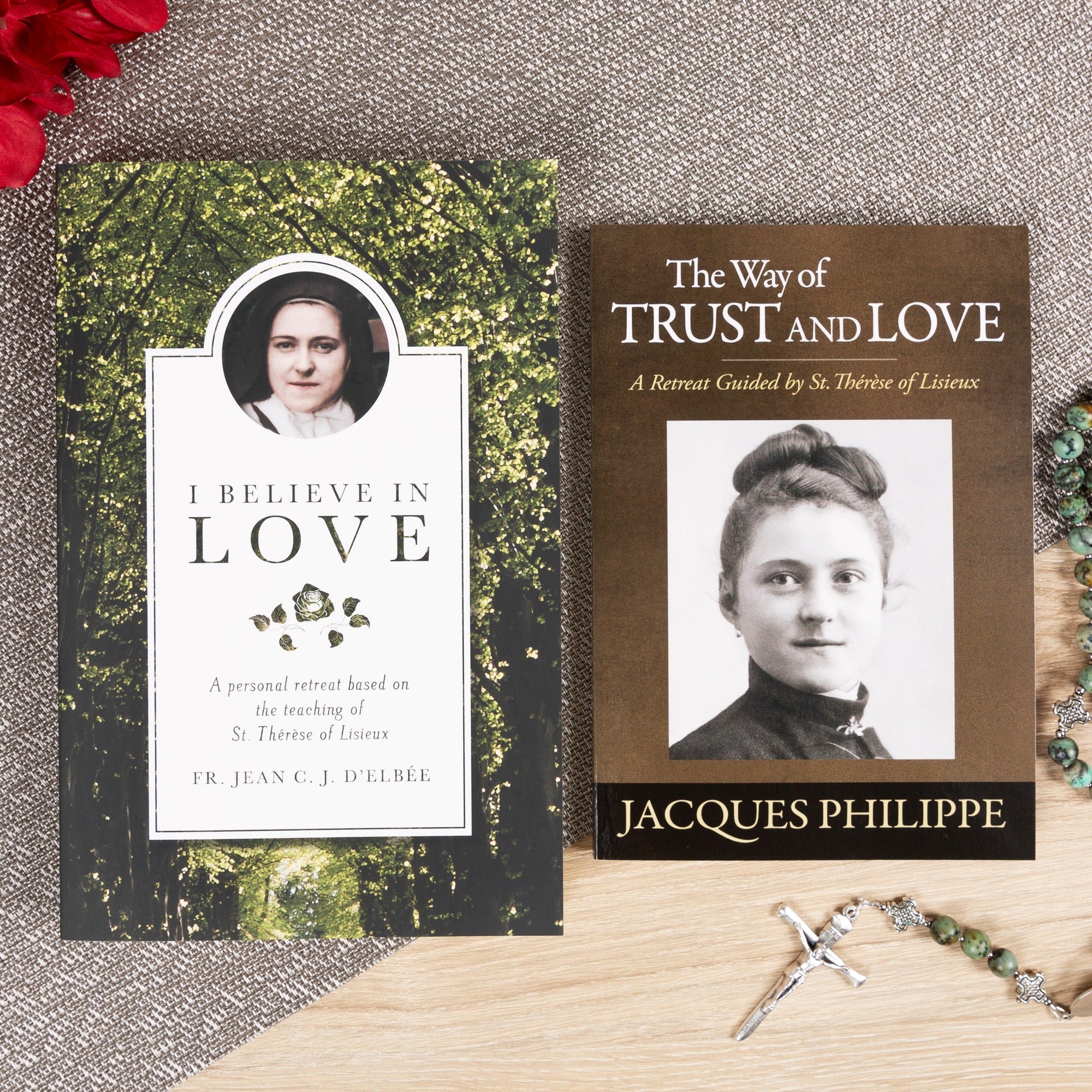
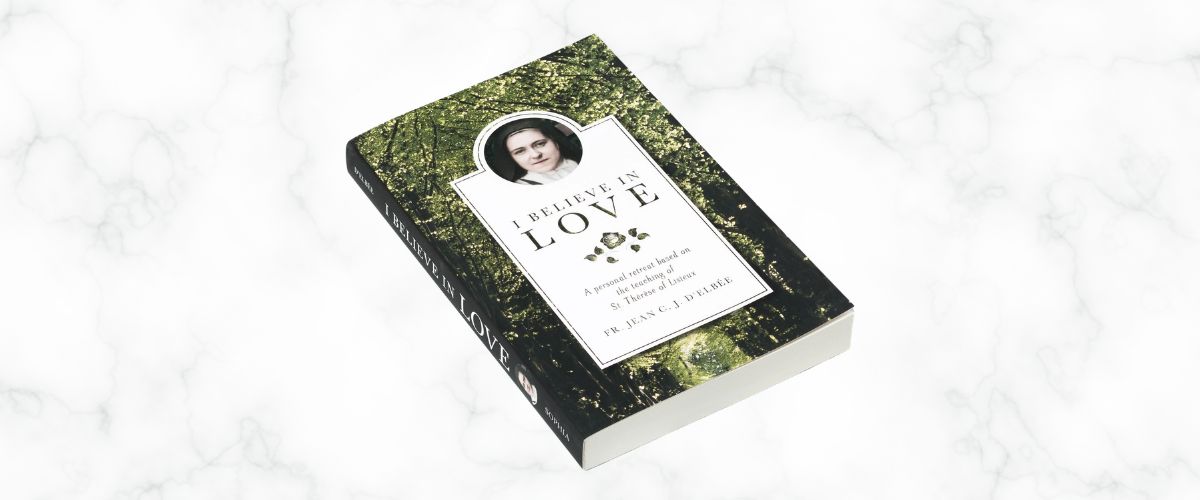
The book I Believe in Love offers one of the most beautiful explanations of this reality ever written.
The Book That Has Helped Thousands Rediscover God’s Love
I Believe in Love is based on a series of spiritual conferences given in 1969 by Fr. Jean C. J. d’Elbée, a French priest and later bishop. His reflections draw deeply from the spirituality of St. Thérèse of Lisieux and her beloved “Little Way.”
The conferences were originally delivered to a community of Poor Clare nuns, but their message quickly spread far beyond the cloister. Over time, the talks were compiled into the book, now a well loved text that has helped many Catholics learn to trust in God's love.
As a Secular Discalced Carmelite, I am a daughter of St. Teresa of Avila, whom we Carmelite Seculars call our Holy Mother. I have long-since commended myself to St. Thérèse, who was a Discalced Carmelite nun, and I affectionately call on her as my "Little Mother."
She has helped me grow into a deeper and richer understanding of God's love for me, and she helps me trust in that love every day. If you struggle similarly in your spiritual life, read on.
Why So Many People Struggle to Believe in God’s Love
For many people, the idea of God’s love is overshadowed by fear.
Some worry constantly about their faults and failures. Others are bound by past hurts that have left them deeply wounded. Some believe they must always "do more" to please God. Many struggle to forgive themselves for sins of their past, or root sins that remain a constant battle.
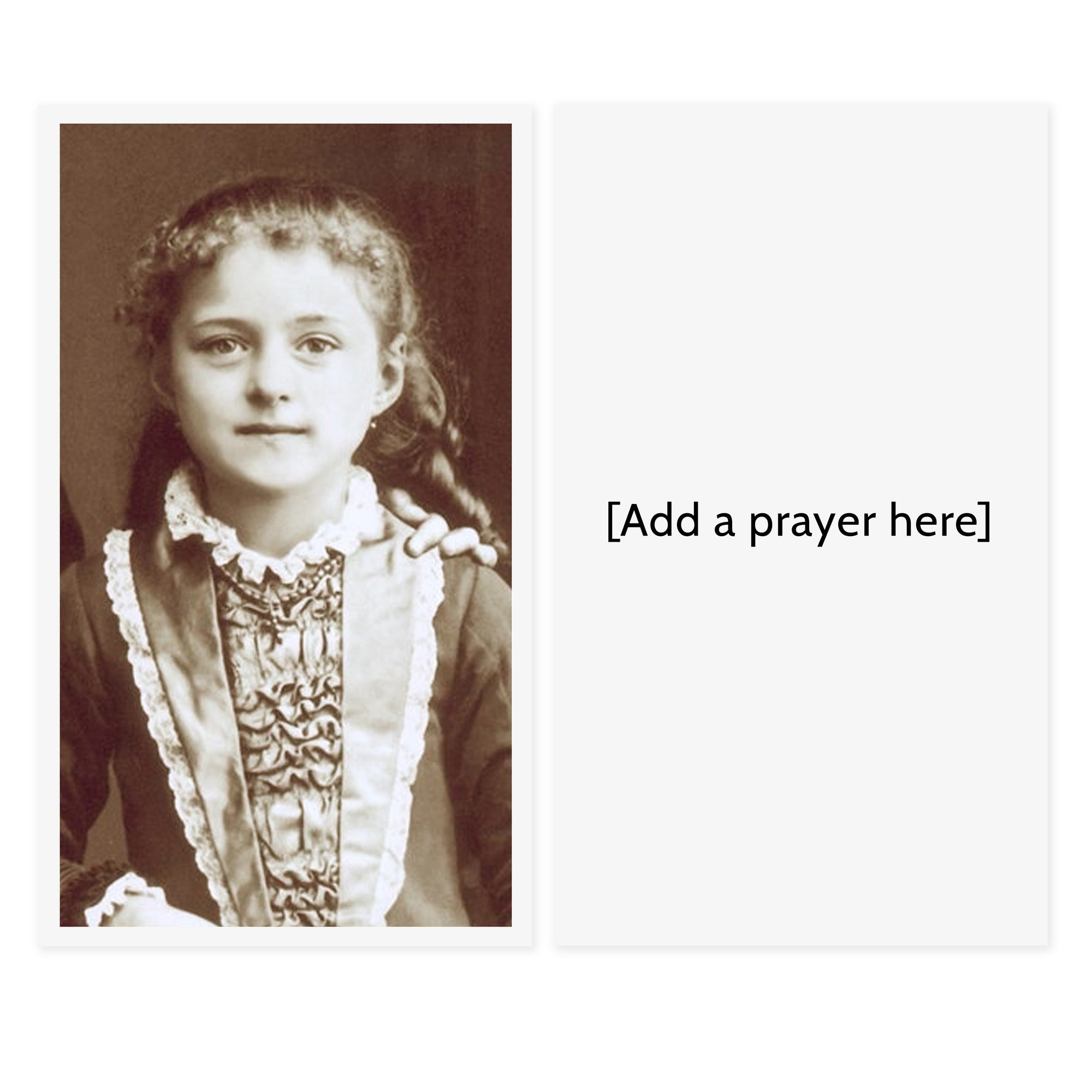
St. Thérèse recognized this struggle long before our modern age. She saw that many people approach God more like a strict judge than a loving Father.
Her Little Way offers a radical antidote to all of these struggles.
St. Thérèse and the Little Way of Trust
The Little Flower knew that holiness does not begin with spiritual achievement but with childlike trust.
She believed that God is not discouraged by our weakness. In fact, our weaknesses are the very places where His mercy shines most brightly. Thérèse invites us to approach God with the confidence of a child who knows they are loved rather than striving anxiously for our own idea of perfection.
She instructs us to ask Him to care for us in our helplessness and provide for our every need, including soothing our fears and doubts with his Fatherly tenderness.
Fr. d’Elbée’s book explains this spirituality in a clear and practical way.
Through simple reflections, meditations and examples drawn from the life of St. Thérèse, I Believe in Love helps readers see that God is not waiting for them to become perfect before loving them. He already loves them intimately and completely.

A Message That Brings Freedom to the Spiritual Life
One of the most striking aspects of I Believe in Love is the sense of freedom it brings to the spiritual life.
Instead of encouraging readers to focus on perfecting and healing their shortcomings, the book gently shifts our gaze away from our failings and toward the goodness and mercy of God. It reminds us that our unwavering confidence in God pleases Him far more than our anxious self-reliance.
The Little Way teaches that holiness grows when we entrust ourselves to God’s love. St. Thérèse invites us to reach out and receive the embrace of our "Papa God," as she called Him. She beckons us to rely on Him for everything, just as a helpless child confidently relies on a parent to provide.
For many readers, this message heals deep wounds, replacing fear with hope and confidence in God’s mercy.
Why This Book Still Speaks So Powerfully Today
In a highly competitive and active world obsessed with perfectionism, achievement, and constant comparison, the message of St. Thérèse feels more relevant than ever.
Many people carry hidden spiritual burdens: the fear of failure, the feeling of not measuring up, the worry that they are disappointing God, the inability to forgive themselves for past mistakes. I Believe in Love speaks directly to these struggles.
Its central message is simple but profound:
God’s love is greater than our weakness. God's mercy is greater than our frailty. He died so that we could trust in this. So that we could rest in this.
When we learn to trust in His love, the spiritual life becomes the antithesis of life in the world. It is less about striving and more about surrendering, and rejoicing in the incredible mercy of Our Father.
When we are no longer shackled by self-doubt and angst, we can finally experience the peace that comes from knowing God's Fatherhood and resting in His love.
A Book Worth Returning to Again and Again
Many readers find that I Believe in Love is a companion they return to throughout their spiritual life. This is especially true the longer they have struggled to trust in His merciful love for them.
Its reflections are gentle, encouraging, and anchored in the Gospel. Each page invites the reader to grow in confidence and to rest in the heart of God.
For anyone who has ever struggled to believe that God truly loves them, this book offers a powerful reminder: the spiritual life begins not with fear, but with trust.
Through the wisdom of St. Thérèse’s Little Way, this beloved Catholic classic helps us rediscover the truth at the heart of the Gospel - God’s unfailing mercy is greater than our human weakness, and His infinite love is stronger than our fears.
Discover all of our wonderful books and media here.

I Believe in Love by Fr. Jean C. J. d’Elbée
Read Next: Lessons Learned at the Feet of St. Thérèse