
“My Lord and my God.”
John 20:28
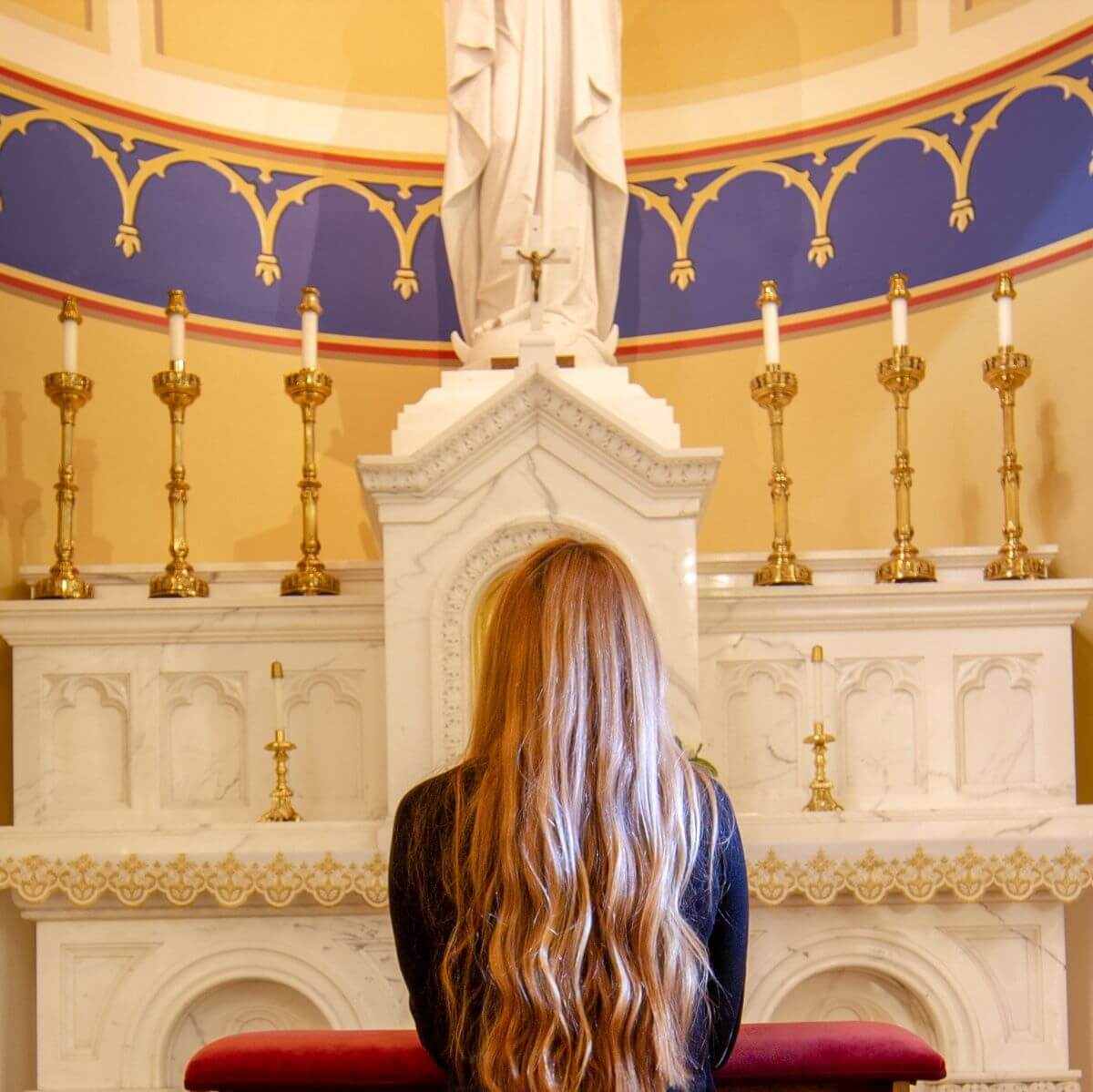
When I first became Catholic, a friend asked me if I would join her for her Adoration hour. I agreed, and after following her into the chapel and bowing down on both knees as she did, I slid into the pew.
As we knelt in front of the monstrance, I heard my friend whisper, “My God and my all.”
For some reason, those words surprised me. I stared at the monstrance.
My God and my all.
I repeated the phrase in my head and let it sink in. Adoration was a strange yet beautiful experience for me that first time. I recall looking around and noticing the few others in the small chapel and recognizing in their humble faces a profound faith. I recall thinking to myself, "They really do believe..."
Still to this day, the first words I whisper to Jesus when I am at Adoration are "my God and my all". They are similar to the words I say silently during the consecration at Mass: “My Lord and my God,” taken from St. Thomas’s words when he encountered the risen Christ and placed his hand in His wounds (John 20:24-29).
As Catholics, we believe that Our Lord is present in the Most Holy Sacrament of the Altar. We believe He is present with us there, Body, Blood, Soul, and Divinity. It occurred to me again recently that when we go before Jesus in Adoration, we are making a confession of faith. We are saying, by our presence, that we believe He is truly there.
After all, if we did not believe, there would be no reason to be there.
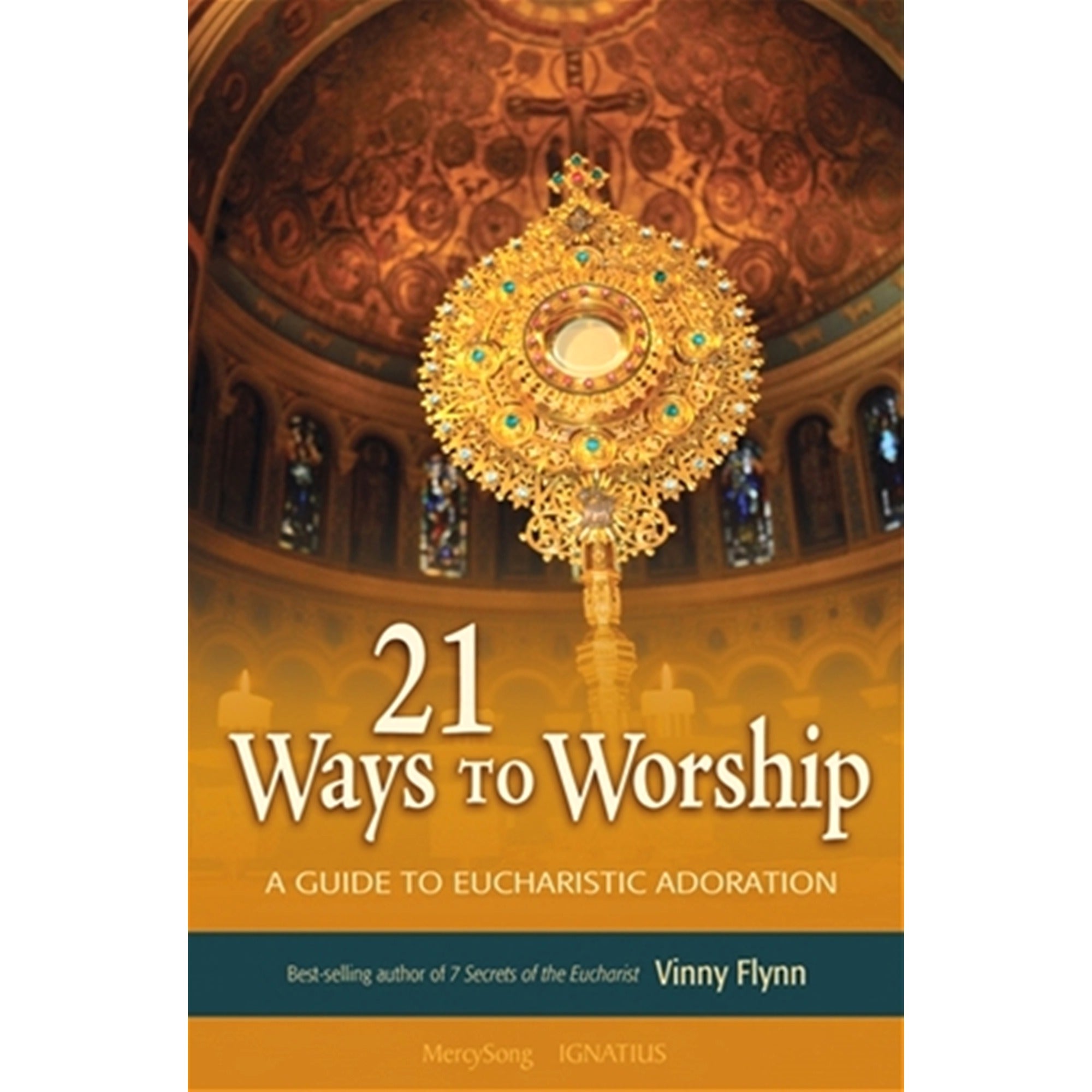
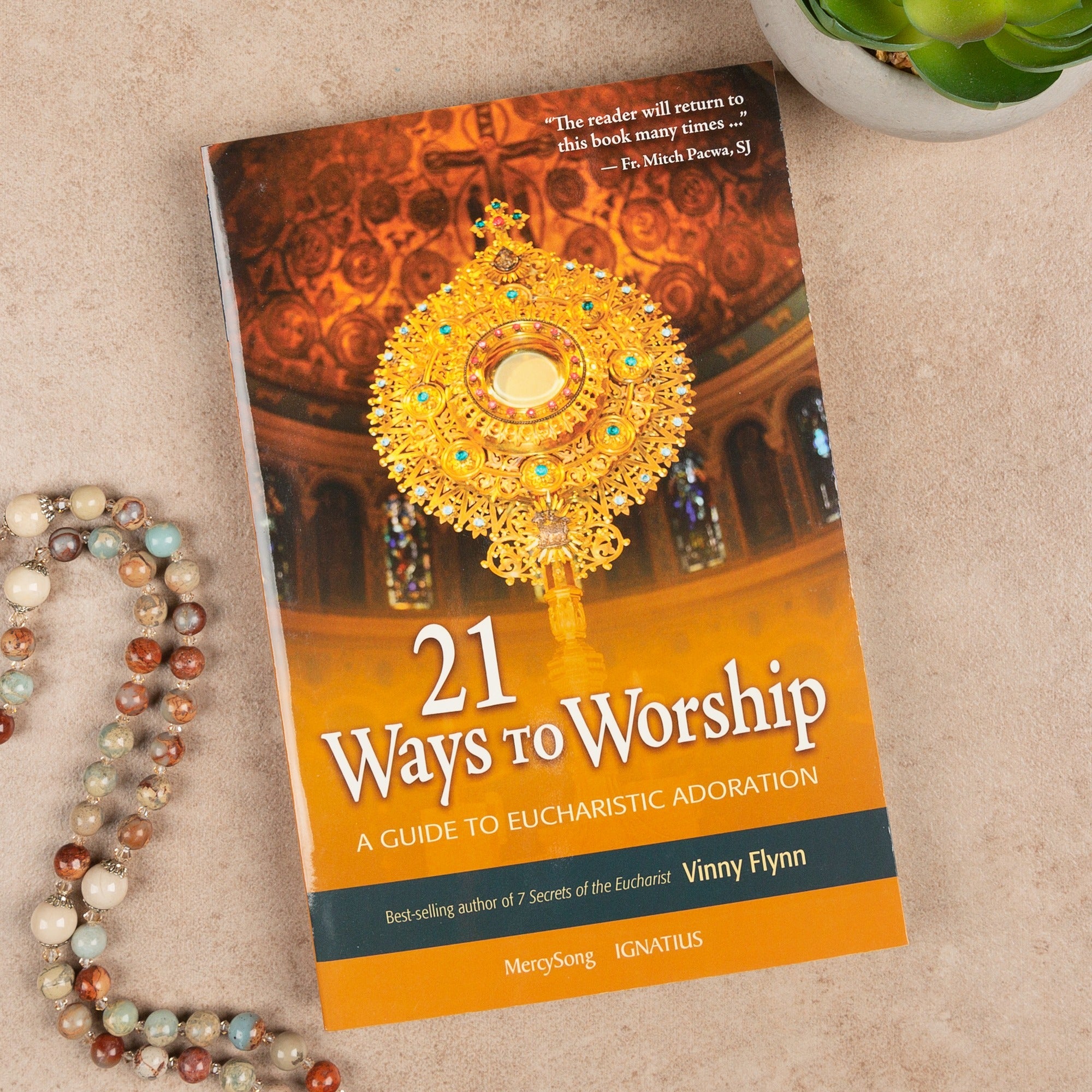
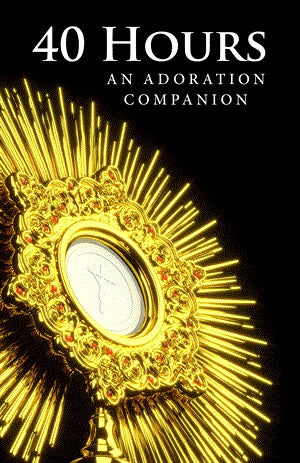
To learn more about Adoration or find books to assist while in front of the Blessed Sacrament, find our Collection here.
This makes me think of St. Peter.
When Jesus asked the disciples, “Who do you say I am?” Peter replied, “You are the Christ, the Son of the living God.”
For a devout Jew such as Peter, this was an amazing thing to say. It revealed his great faith and confidence in Jesus. Furthermore, it was a stunning example of divinely inspired clarity. We know this because Christ Himself said to Peter, “Blessed are you, Simon Bar-Jona! For flesh and blood has not revealed this to you, but my Father who is in heaven” (Matthew 16:17).
Peter’s confession was not merely his own human conclusion. It was knowledge that came from God.
A few chapters earlier in the Gospel of Matthew, we see another version of Peter’s undaunted faith on display when he steps out and walks on water toward Jesus. However, that same faith quickly falters when Peter takes his eyes off Jesus and sees the frightening predicament he has gotten himself into. As he sinks into the water, Jesus takes hold of his hand and rescues him, saying, “O man of little faith, why did you doubt?” (Matthew 14:31).
Perhaps what I appreciate about St. Peter is not necessarily his bold convictions, but his humanity. There is something in Peter’s faith and his struggles that I recognize in my own.
Not long after Peter’s great confession, we see him falter again when he denies Christ. “Though I should die with thee, I will not deny thee” (Matthew 26:35) was Peter’s pronouncement to Jesus just a short time before. And yet Peter would soon deny knowing his Lord, three times in fact.
We can recognize that Peter’s faith was rocky at times, but it was Peter whom Jesus chose as the rock on which to build His Church.
Each time I go to Adoration, I am humbled by others I see there. In the quiet of the church where the Blessed Sacrament is exposed, faith is plainly visible. Whether there are many adorers or only a few, whether they are on their knees or sitting in the pew, whether their eyes are open or closed, they acknowledge the sublime presence of the Lord.
[[manual-for-eucharistic-adoration,seeking-gods-face-meditations-for-the-church-year-by-joseph-ratzinger]]
I am always touched by that visible expression of faith.
Like Peter, we have the opportunity to experience moments of divine clarity when we come to Adoration, but we should not necessarily expect this. We should be happy to simply sit with Him for a while.
As it turns out, the words my friend spoke to Jesus in Adoration are words that Cistercian monk and abbot Dom Boylan used to describe Our Lord in the Eucharist in his classic work, This Tremendous Lover:
“Words fail us here, for all human words are useless; but if in desperation we may pick out one phrase, which rather than any other may be a fitting salute to the divine Guest of our souls, is it not: ‘My God and my all’? If we could only get some shred of an idea of the truth that is in those two words: My all. He is all, for He is God; His is mine, for He has made me one with Himself. What is there left for us to want? Why lose a moment’s thought over our own deficiency? Why be discouraged even if our life has been one of continual sin?…MY ALL! Gladly will I glory in my infirmities that the power of Christ may dwell in me…The Lord, my God, dwelleth with me, and I want for nothing.”
I notice something else when I go to Adoration: the more I go, the more I long to be there. Blessed Columba Marmion explained that when we come before Our Lord in the Blessed Sacrament, we are more apt to recognize Him for who He is and to want to share ourselves fully with Him:
“The more we sink into that silence in front of Our Lord, the more we respond with awe and wonder at His Greatness…Jesus is our surest friend and there is no light or strength that cannot be found in Him. We ought to accustom ourselves to tell everything to Our Lord, to entrust to Him all that concerns us. ‘Commit thy way to the Lord,’ that is, reveal to Him thy thoughts, thy cares, thy anguish, and He Himself will guide thee…How do most men act? They talk over their troubles either within themselves, or to others; few go to pour out their souls at the feet of Christ Jesus.”
(Blessed Columba Marmion, With Christ)
There are times while I am at Adoration when I grow frustrated with myself. I forget that I am in the Lord’s presence and become easily distracted by my thoughts. Other times, I find it difficult to speak to God.
When this happens, I recall Peter.
[[personal-prayer-a-guide-for-receiving-the-father-s-love,holy-silence-a-practical-guide-to-recollection-in-god]]
Our Lord spent three years with His apostles and, as God, He certainly knew everything about Peter, down to every sin and fault. Yet He blessed Peter and gave him the keys on which to build His Church.
God knows exactly who I am, too. When I place myself in His care, I can be so much more than the person I know myself to be. Perhaps this is what Pope St. John Paul II, who spent countless hours in Adoration, meant when he said, “Become who you are.”
I need to make time for Adoration; to turn to Our Lord with all of the works, joys, cares, and sufferings of my daily life.
If we cannot be in the presence of the Blessed Sacrament, let us remember to make an act of faith daily so that we might confess with boldness and confidence our belief in Christ, the Son of the living God.
My God and my all.
St. Peter, pray for us!
Discover our Collection of books for Adoration