If only you knew how good it is to have the mind empty of all creatures, to admit only the image of Jesus Christ and Mary, the purest created reflections of the Invisible. Converse with them…” A Carthusian monk
I have never been good at fasting. Even if I skip a meal or two on a fairly regular basis because I forget or am too busy, it’s easier than fasting. The minute I intentionally skip a meal, it becomes measurably more difficult.
Yet I recognize the value of fasting in the spiritual life; I understand why it is a practical act that draws me closer to Christ.
Each time I fast, even if only in a small way, I am seeking a renewed reliance upon God. When I fast, it helps me truly focus on God and the importance of His primacy in my life.
A Different Kind of Fast
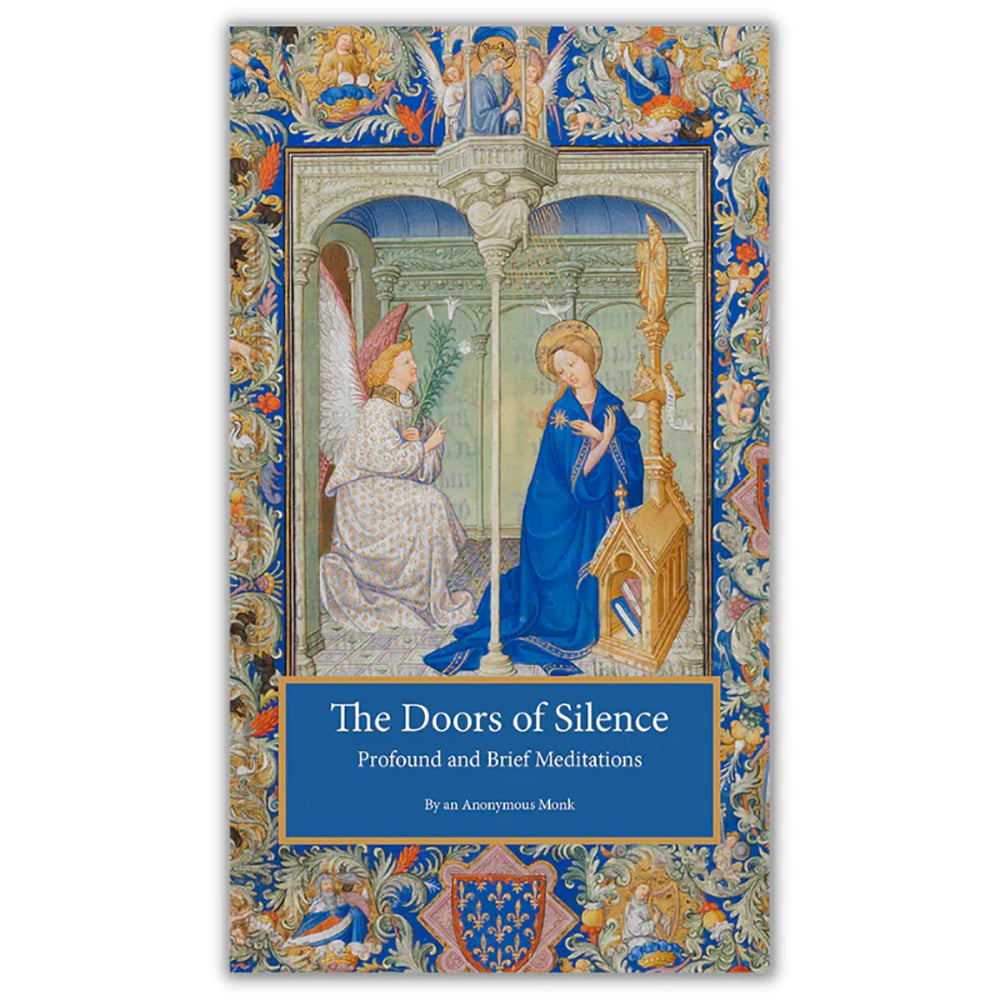
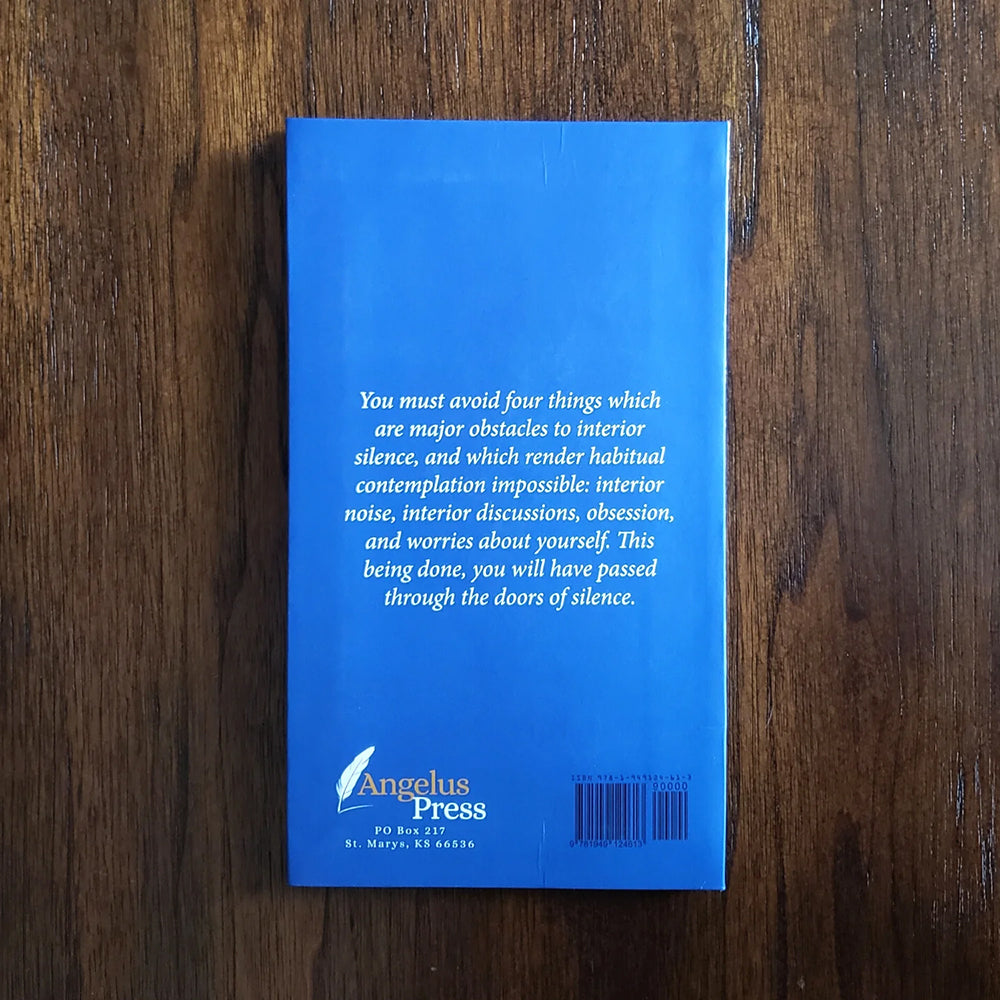
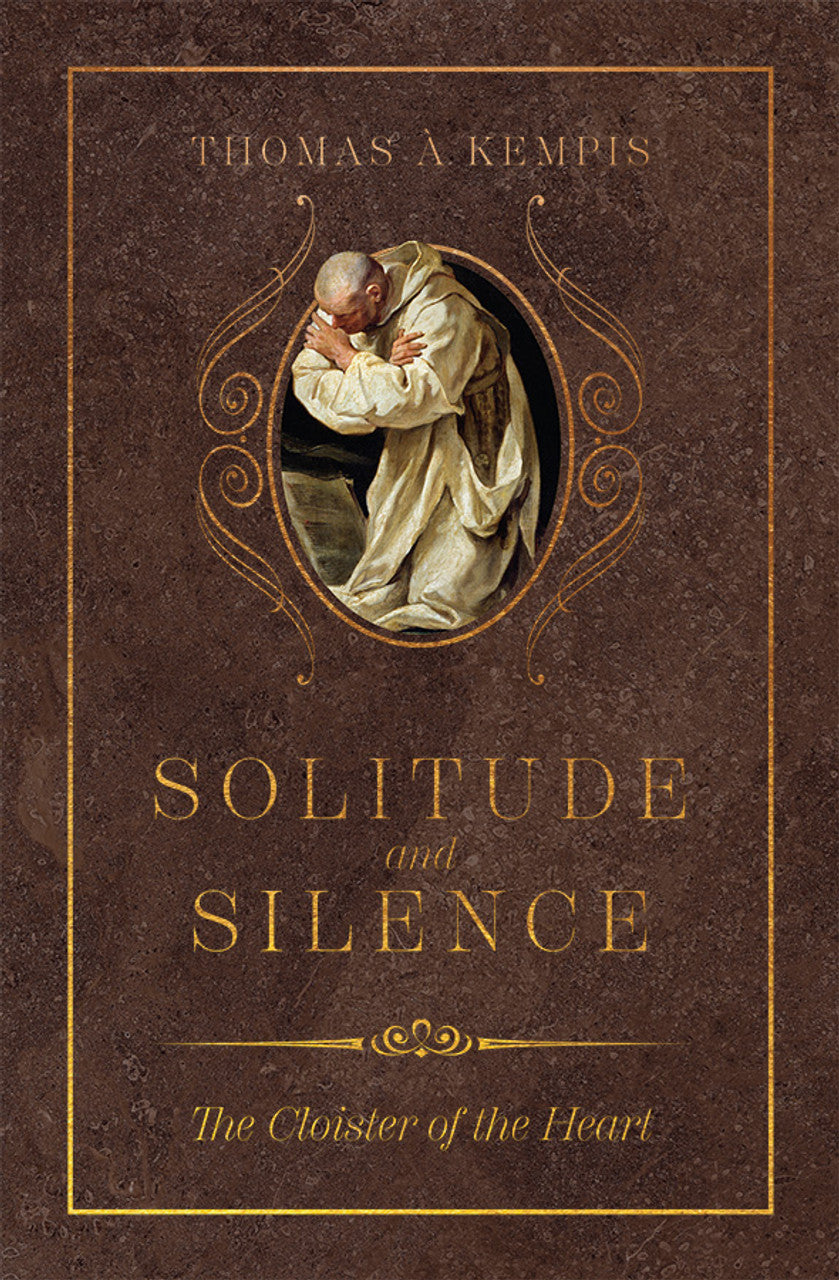
I recently read a small book entitled The Doors of Silence, written by an anonymous Carthusian monk. In it, he urges his fellow monks to put a stop to those pesky thoughts that wreak havoc within the soul. He appeals to the monks with this question: “Are you not tired enough of conversing with men that you dialogue again with them now in your soul or imagination, to bring them to your reasoning?”
As I read this I thought to myself, “If holy monks have these interior conversations with themselves, no doubt we all do!”
I know the conversations he’s talking about: the interior dialogues that often go unchecked and have free rein over my thoughts. Or those conversations that take place in my mind long after the actual conversation has ended.
You know them too, I imagine! What about abstaining from those and joining it to our fast?

We Can Fast From Things Other Than Food
If we think about the spiritual benefits of fasting from food and drink, it’s not hard to see how curtailing the unnecessary inner monologues might also be of great benefit to us.
At the very least, instead of time spent in unnecessary conversation with ourselves, it will foster more conversation with God.
I am always less peaceful whenever I justify anger, resentment, or envy by harboring such feelings in my heart or entertaining interior dialogues about them. None of these thoughts add one day to my life but instead bring with them useless worry, agitation, and distraction.
Or worse, they bring sinful thoughts or actions.
Refuse to compose epilogues within yourself, not even for one deliberate second! Nothing useful will come out of this clandestine courtroom.
Practice Arrow Prayers This Lent
Instead of obliging or entertaining those useless inner thoughts, the wise monk and author of Doors of Silence suggests that we have at our disposal arrow prayers or little messages of the heart to recite as a countermeasure.
These can be short prayers such as the Glory Be, the Jesus Prayer (Jesus Christ, Son of God, have mercy on me a sinner) or lines from a Psalm (The Lord is my shepherd I shall not want [Psalm 22], Have mercy on me, O God, according to your unfailing love [Psalm 51]) and so on.
You will never be able to destroy—neither in totality nor at all times—the ideas or the images which, with the insistence of little houseflies, impose themselves on your attention. (Yet) calmly confronted with thoughts of faith…their lack of value is humiliated by the importance which they usurp.
Lent is the perfect time to try and eliminate our habit of worthless interior conversation. To “fast” from such indulgences.
After all, we are often reminded that this penitential season is a time to do the things that will help the Lord to prune us, to allow good fruit to come forth. It is an opportunity to put aside our ego and to unite ourselves with our suffering Lord.
Perhaps we might add this as a penitential practice for Lent—a practice that closes the door on the interior noise in our head and opens the door of silence in our heart.
Join us this Lent 2026 for Journey to Easter, the perfect Lenten companion from Good Catholic!
This article also appears on our sister site, Good Catholic.