
Alcoholism is in my family tree. Up and down it.
I have seen what alcohol can do to people I love, and I lost my father, in part, to his drinking. So my own experience has certainly shaped the way I think about alcohol, and about the choice to live without it. I know that alcohol can occupy a different place in one person’s life than it does in another’s.
I also know that the Catholic Church does not teach that drinking alcohol is sinful. Jesus Himself drank wine. Wine becomes the Precious Blood at Mass. Scripture speaks of wine as one of God’s good gifts.
And yet it also warns us very clearly about drunkenness and excess. And it has quite a lot to say about being sober.
What does it mean to be sober?
I think we sometimes mistakenly think of sobriety as something meant only for the alcoholic.
But Scripture uses the word sober differently. Again and again, all Christians are told to be sober.
St. Peter tells us, “The end of all things is at hand; therefore keep sane and sober for your prayers.” (1 Peter 4:7) And, “Be sober, be watchful. Your adversary the devil prowls around like a roaring lion, seeking some one to devour” (1 Peter 5:8). St. Paul writes, “Let us keep awake and be sober” (1 Thessalonians 5:6). And again, “Do not get drunk with wine, for that is debauchery; but be filled with the Spirit” (Ephesians 5:18).
Obviously, the biblical meaning of sobriety is broader than simply abstaining from alcohol. To be sober is to be clear-minded and watchful. It means to live fully and truly in the present moment. It is to have possession of ourselves rather than allowing an appetite, habit, or anything else to have possession of us.
In this way, we are all called to sobriety.
There is a movement towards sobriety today
Even in the secular world, there is no doubt a movement towards the sober life today. The growing popularity of Dry January, “sober curious” living, mocktails, and the explosion of non-alcoholic beers and wines all seem to point in that direction. I first started to hear about it on podcasts such as Rich Roll (the ultra-marathoner) and Arthur Brooks (the happiness guru) and others.
It is not just podcasters; statistics show that many people are asking the question: Would my life be better with less alcohol? Or without it at all?
And as someone who doesn’t drink, I would say that my life really is better without alcohol. Back in my college days, when I did drink, there were times I looked back on with regret. I wasn’t the best version of myself when I drank and, truthfully, I didn’t really like myself when I did. So in my early twenties, knowing my family history, I decided I would be better off not drinking at all.
Today I can say that I have not EVER regretted that choice. That is not to say there haven’t been moments when I’ve thought it might be easier if I drank, perhaps at a dinner party or a wedding. But I never dwell long on that thought.
For me to be sober is to be awake. To be attentive. To experience life fully and be completely present for it. Ultimately, to be ready for God in whatever He calls me to.
That is a much more positive way to think about sobriety. Sobriety, for me, is about being fully alive. I get to be wide awake to this life God has given me, to experience all of it, and to be present to the people I love. I wouldn't want it any other way.
Celebrating without the alcohol
Drinking alcohol is not necessarily wrong. But neither is it necessary for celebration, friendship, or a full and joyful life.
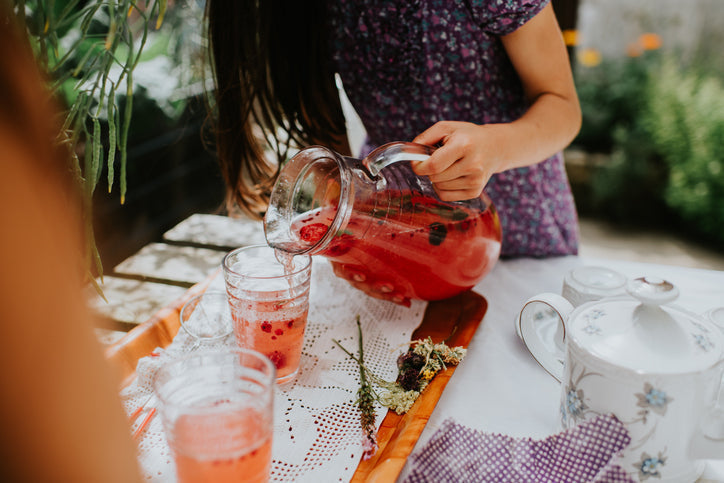
I can raise a glass without alcohol in it. I can dance at a wedding. I can sit around a table for hours laughing with people I love. I can enjoy a nice dinner out with my husband or with friends. I don’t need alcohol for any of those things.
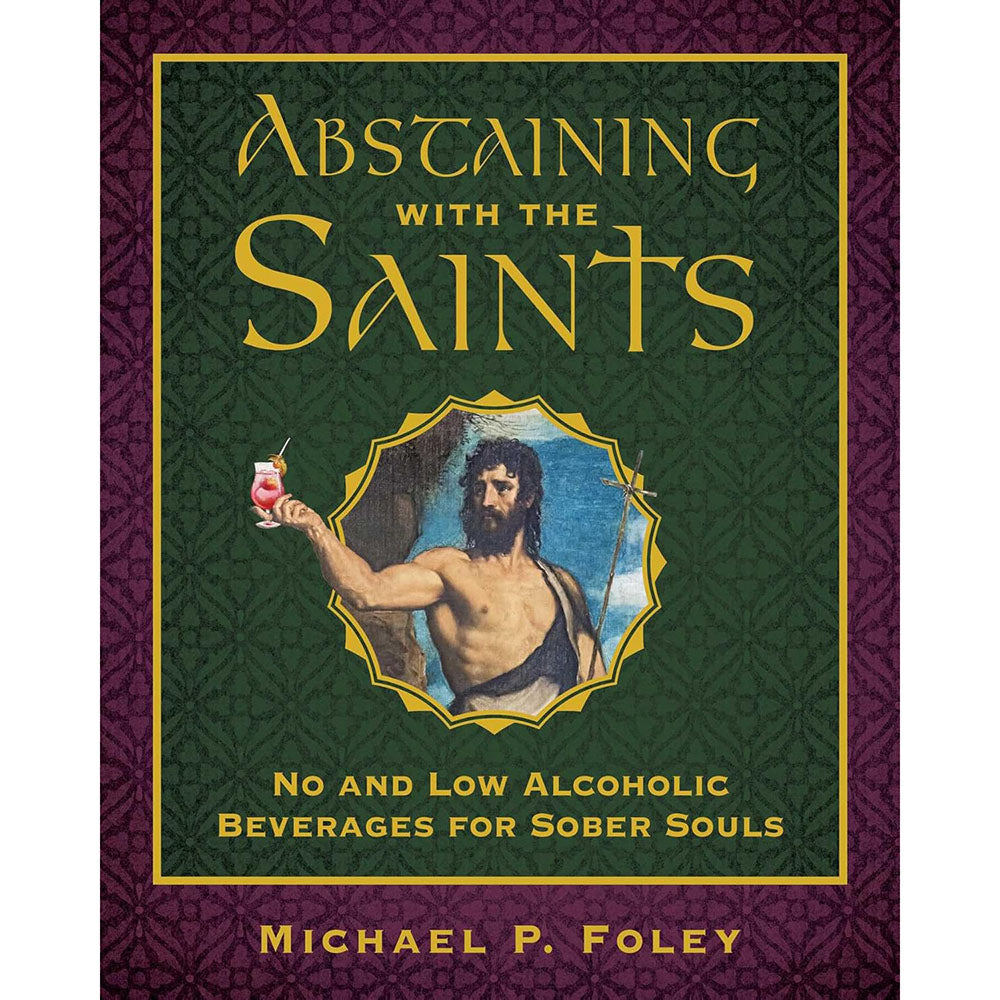
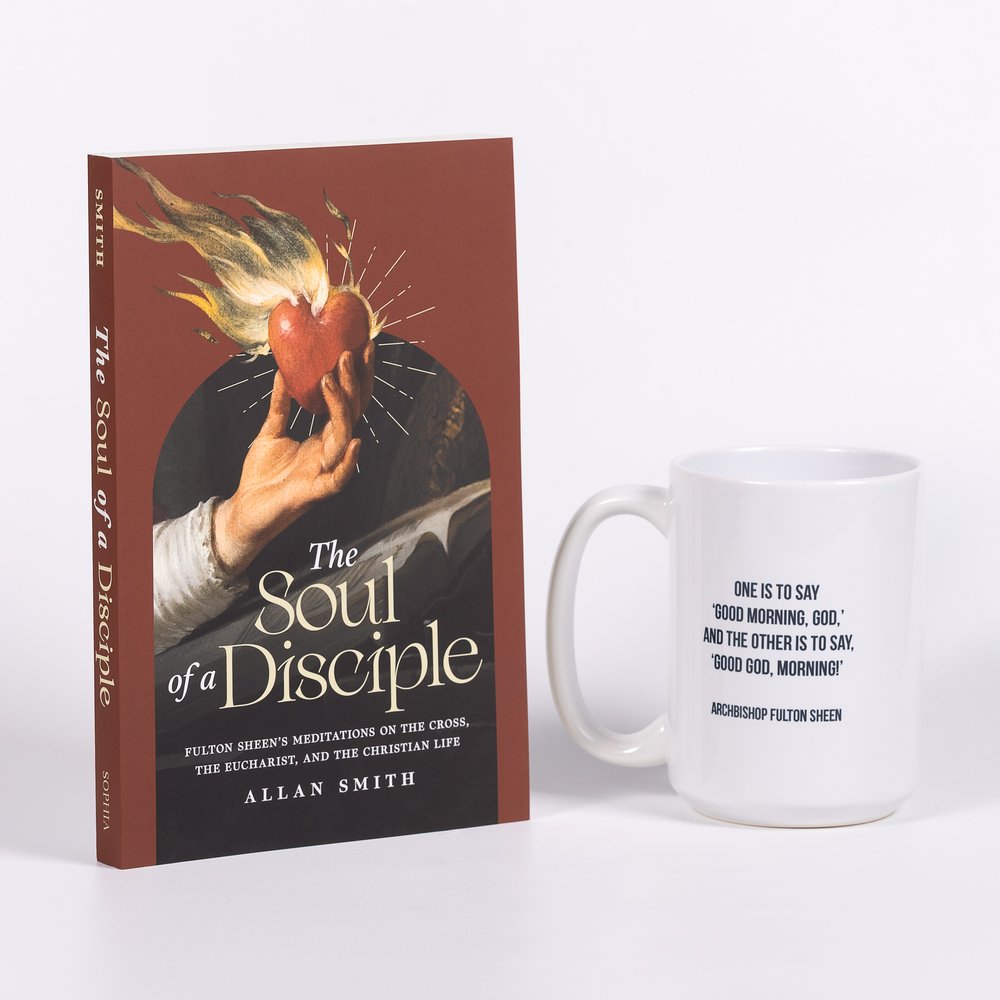
The newest book by Catholic author Michael Foley takes this same joyful approach to celebrating without the alcohol. Abstaining with the Saints: No and Low Alcoholic Beverages for Sober Souls is filled with creative alcohol-free and low-alcohol drinks inspired by the saints and the liturgical year. But I think what I like most about the idea behind the book is that it doesn’t treat abstaining as missing out. There is still a delicious drink to pour, a saint to celebrate, friends to gather with, and plenty of reason to raise a glass.
When I was growing up, cocktail parties seemed to be a regular part of my parents' social life. Alcohol was woven into the way people gathered and celebrated, so choosing not to drink might have felt like the unusual choice. Slowly that has changed, and I’m encouraged by how many non-alcoholic beers, wines, and other alternatives are available today. Hopefully our culture now thinks a little differently about the role alcohol needs to play in our lives.
And that brings me back to my dad
Years ago I wrote (on 9 Kid Fitness) about how much of my love for running came from my dad. Some of my earliest memories are of my dad returning from his weekend twelve-mile run, sweaty and happy, while my sisters and I waited with a cold iced tea. He eventually stopped running. I don’t know exactly why. Years later, after his death, I found myself wondering whether running might have helped him keep moving forward during some very difficult years. I will never know.
Alcohol was part of my father’s story, too. I don’t want to oversimplify that story, because human beings are complicated and addiction is complicated. But having seen alcoholism in people I love has made me respect alcohol enough not to pretend that it is harmless simply because it is socially acceptable.
For some people, moderation works fine. For others, it doesn’t.
And perhaps there is another group in between: people who aren’t necessarily alcoholics, but who might discover that they like their lives better without alcohol.
Sobriety and the abundant life
Michael Foley is not exactly known as an anti-alcohol crusader. He’s the Catholic theologian and mixologist who wrote Drinking with the Saints. So I was intrigued to see his latest books turns the tables a bit.
Abstaining with the Saints includes roughly 200 non-alcoholic drinks tied to saints and feast days, but it also includes a practical approach to what Foley calls going “soberish”, taking a break from alcohol to reset our appetites and reconsider our relationship with it.
What a great idea.
While alcohol might add something to an evening or a celebration, not having it doesn't have to take anything away. And abstinence certainly doesn’t mean dullness or joylessness.
Quite the opposite.
Christ tells us:
“I came that they may have life, and have it abundantly.”
John 10:10
Part of living abundantly is being able to enjoy the good things God gives us without becoming too attached to any of them.
I am grateful that I have been sober for all that life has brought me. All of the joys and celebrations, but also the worries, heartaches, and sufferings. I haven’t always wanted to feel everything life has brought, but I have been fully awake and present for all of it. If anything, sobriety has made life more exhilarating, not less.
And let’s face it, life is short.
Maybe we should think about that. Is alcohol taking up more room in your life than it should?
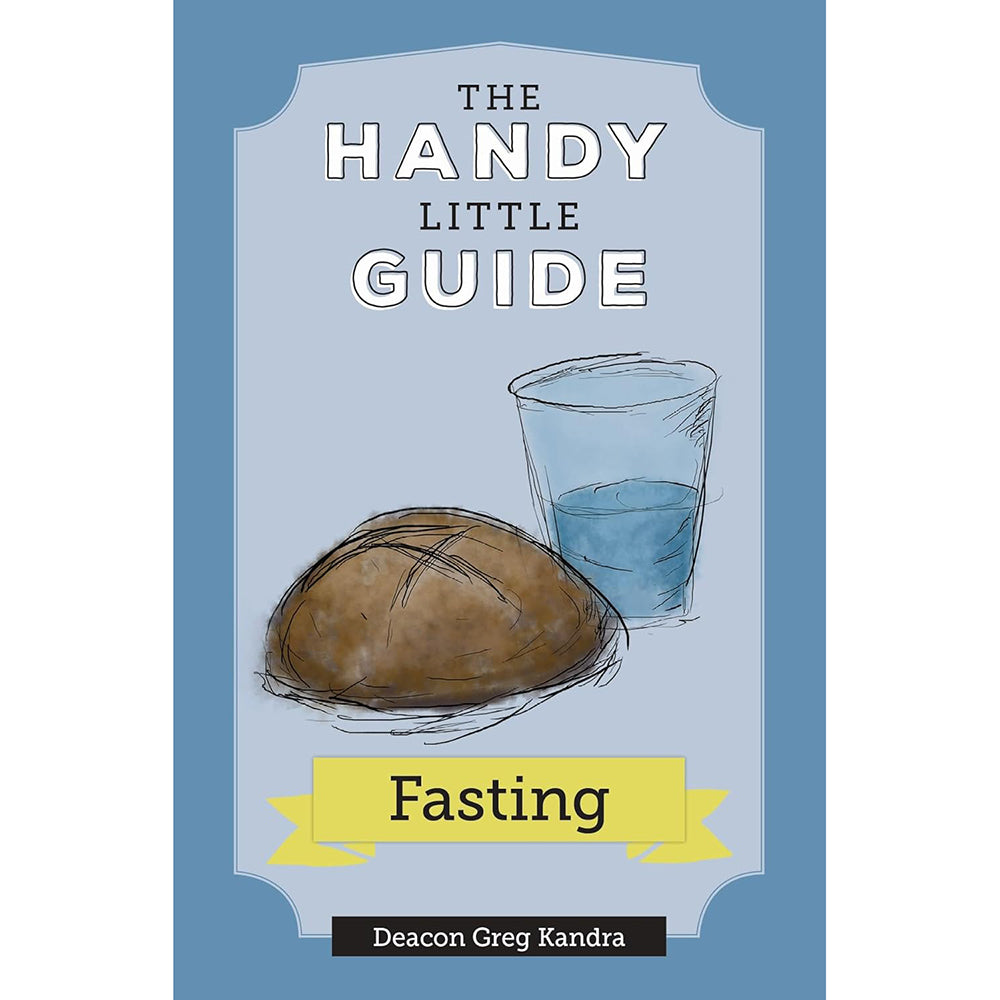
Frankly, I’d like to think that as Catholics we should be among the people who make sobriety easier. We know something about fasting, feasting, abstinence, temperance, and giving things up for the sake of something greater. These aren’t foreign concepts.(Read more about why we do Lenten penance and embrace sacrifice — the same spirit of joyful self-denial applies year-round.)
And we should know better than most that giving something up doesn’t mean giving up joy.
Abstaining with the Saints shows that sobriety and celebration belong together. Foley’s recipes are built around the liturgical year and are intended to preserve precisely what people sometimes fear they’ll lose when they stop drinking: merriment, fellowship, celebration, and gratitude.
September is National Recovery Month, which seems like a particularly good time to think about sobriety. Certainly, recovery is a serious and sometimes lifesaving matter for those struggling with addiction. But it is also a good time for the rest of us to think more broadly about what it means to live soberly.
Sobriety doesn’t mean standing on the sidelines while everyone else enjoys life; in fact, I happen to believe it means entering more fully into it.
Discover your copy of Abstaining with the Saints today at The Catholic Company!