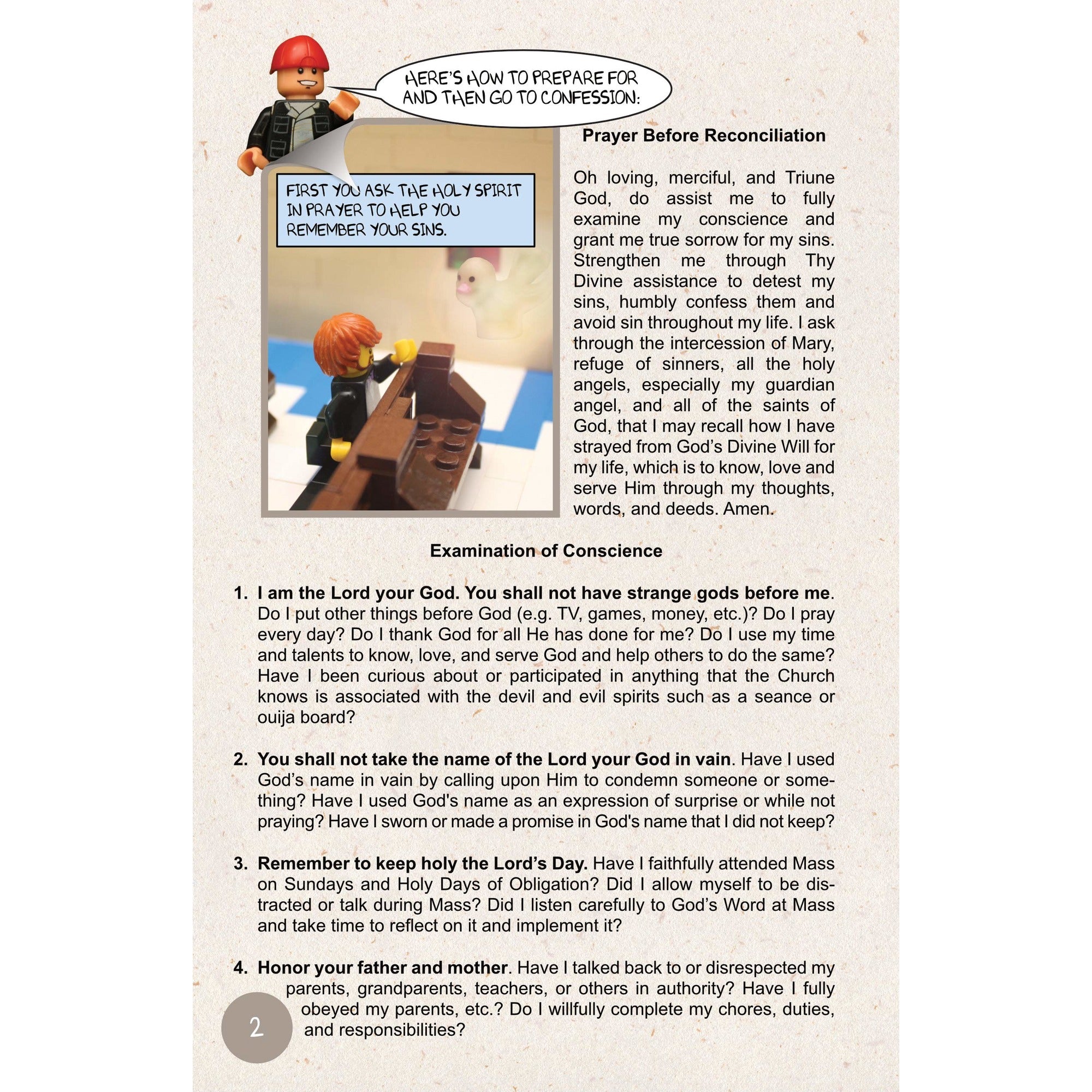





















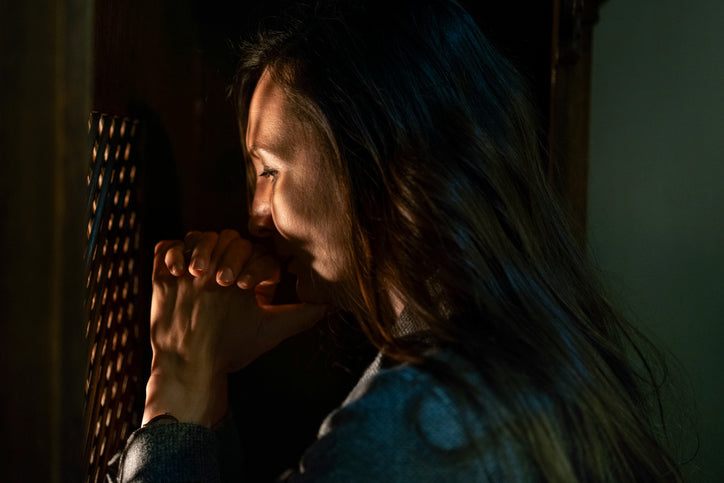
I became a Catholic over 30 years ago and I can still remember my first confession. It started off a little shaky, but I will always be grateful to the kind-hearted priest who heard it. When I entered the confessional I was nervous and, while I had been prepped on how to begin, I remained silent not remembering how to start.
After a while, I realized the priest didn't even know I was there! Finally he gently prompted me with a few questions and told me not to be worried. I pulled out of my pocket the sheet of paper where I had written down my sins and began my confession. I remember hearing my voice like there was a microphone in the confessional and wondering if everyone in line could hear what I was saying.
Eventually, I settled in. I’m not sure what I thought it would be like. Perhaps I expected to feel shame rather than relief. But I recall the feeling of lightness and joy as I left the church.
As I stood in line for Confession recently, it occurred to me that one of the graces of this Sacrament is that it helps us surrender ourselves more fully to God. I think it has to do with recognizing and acknowledging our weaknesses before God and asking Him for forgiveness. This is what true self-knowledge requires. St. Catherine of Siena said that when we look at ourselves for who we really are, there is no other place to go except to God's mercy.
In the Sacrament of Reconciliation, we come to Christ, who, in the person of the priest, restores the friendship with Him that was wounded by sin. God, of course, already knows our sins, but in confessing them we are saying to Him: “I am sorry, Lord. Help me not to sin again.”
Why is confession an act of surrender?
Touched by God’s mercy and freed from our sins, we have a chance to begin again.
Pope St. John Paul II once said, “Confession is an act of honesty and courage, an act of entrusting ourselves, beyond sin, to the mercy of a loving and forgiving God.”
Trustful surrender is a spiritual discipline that goes by different names: abandonment to Divine Providence, conformity to the will of God, trustful surrender, or perfect submission to the will of God. All imply the same spiritual principle. In its perfect form, this spiritual discipline is a means of uniting ourselves with God so that His will and our will become one.
While this discipline might sound simple, I’m sure that most of us would agree that it is not easy to attain. That is because surrender asks us to deny ourselves in the Gospel sense, not by rejecting who we are, but by letting go of self-will and pride so that God’s will can become our own. This is what regular confession can do for us.
We cannot commit part of our lives to God’s care while keeping other parts under our own control. And yet it is actually an illusion to think that anything is fully under our own control. Our abandonment to God is an acceptance of the reality that He is in charge of all things. Abandonment to God’s providence is simply what it means to live a life of faith. It is a recognition that we do not belong to ourselves, that we have a Creator whom we serve, who loves us, and who orders all things for our good and His glory.
We do not always perceive this, which is why abandonment to God is also called trustful surrender. It is not easy to trust God from day to day, but we must return to that trust again and again if we wish to find true peace in this life. Burdens, pain, and suffering make it harder to trust, but it is precisely in these times of trial that our trust in God can be strengthened. Even the evil that happens to us is folded up in His loving providence and ordered for our ultimate good.
"This spiritual discipline (trustful surrender to God's Providence), although difficult, is the most rewarding thing a soul can ever do. It is the pinnacle of the spiritual life, the secret to true happiness in this world, and the distinguishing mark of a saint." (Good Catholic series, Thy Will Be Done)
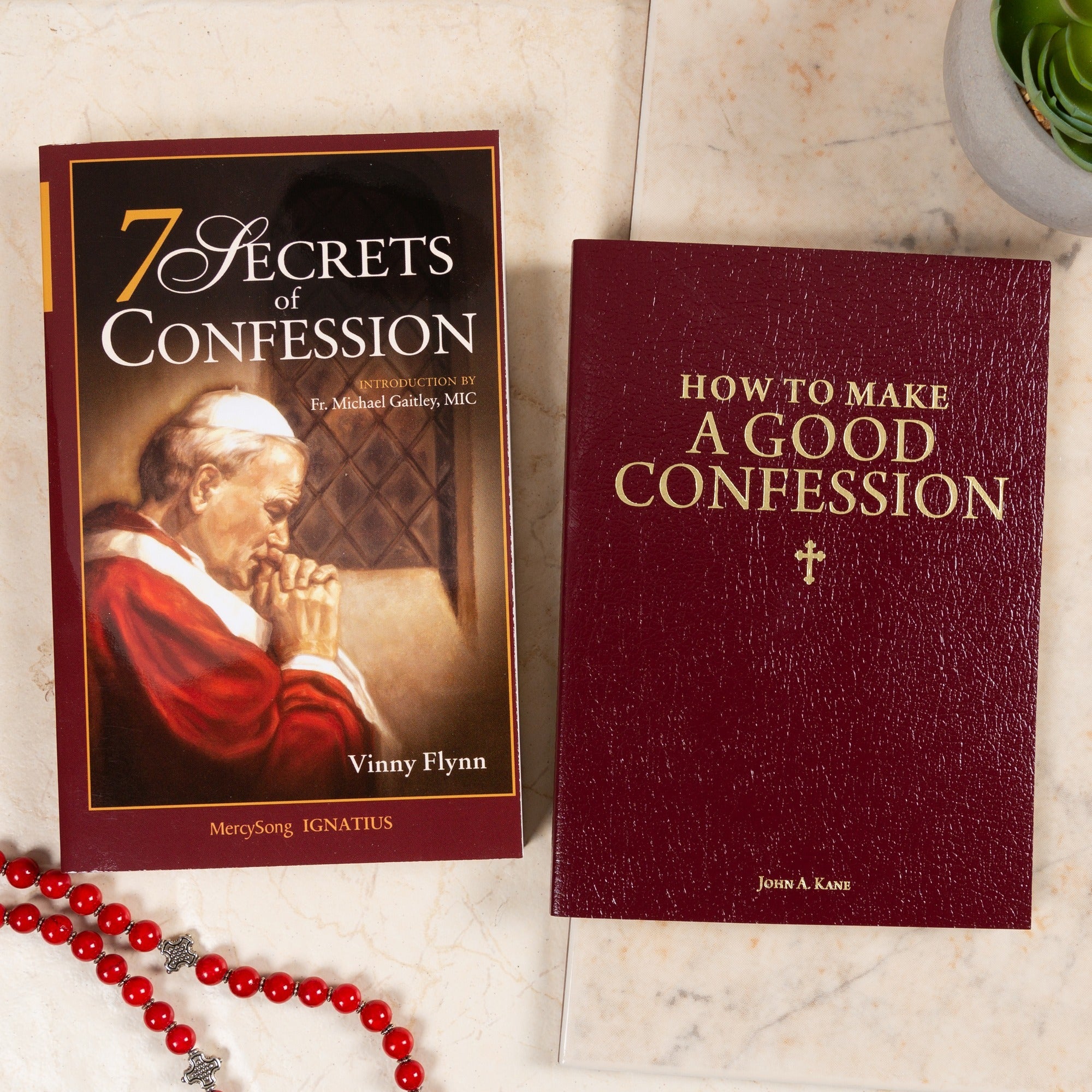
[[how-to-make-a-good-confession,frequent-confession-its-place-in-the-spiritual-life]]
Why should we make confession a priority?
Since my first confession so many years ago as a new Catholic, I know that when I offer my sins to God, He gives me rest for my soul and the gift of a new start: “Come to me, all who labor and are heavy laden, and I will give you rest” (Matthew 11:28).
Sadly I often find it difficult to make Confession a priority, even though there are many other things in my life that I commit to consistently. For instance, I find time to exercise, I take my dog to the vet, my kids to the dentist, and my car to get an oil change.
While I hardly think twice about these other necessities of life, tending to my soul can be relegated to the back burner. Why is this?
In How to Pray Always, Fr. Raoul Plus, S.J. explains that we often don't appreciate the gravity of sin. If I am honest, I think it is true that I often do not recognize the terribleness of sin, and therefore I simply do not think about it as often as I should.
But when we read the lives of the saints, we can see that at some point they recognize the evil of sin in their lives. Some very early on and others much later in their life. But it is that recognition that brings them to humility and to true self-knowledge, and it is ultimately what brings them to the mercy of God.
Is surrender simply putting our finger to the wind?
Many things in life take effort, and our spiritual life is no different. God is amazingly generous. He richly rewards us for our efforts to conform to His will. And yet our part is necessary. When we surrender we aren't simply putting our finger to the wind passively.
I know that if I truly wish to surrender to the will of God, part of that is making Confession a regular part of my life. It must be an intentional priority. I think we all long for the sense of freedom that surrender brings. But it is one thing to say, "I surrender all to you, Lord." It is another thing to actually do so. Saying it is much easier!
Perhaps we are afraid of what will happen if we truly surrender. In his book Into Your Hands, Father, Fr. Wilfrid Stinissen explains that one reason it is difficult for us is that we often make the mistake of assuming our freedom is somehow opposed to God’s will, but in fact:
“There is a wonderful harmony that exists between a person’s true freedom and God’s freedom. Those who are free (unfettered) give God the freedom to do what He wills. When you are free of all inhibitions and impediments, God is also free to fill you as He wills.” (Fr. Wilfrid Stinissen)
There is much to be joyful about when we surrender to God’s providence. God turns all things to good and uses even our sinfulness to work for His glory if we let Him. How wonderful is that? Even when we turn away from God, He never turns away from us.
[[surrender-novena-prayer-card,trustful-surrender-to-divine-providence-the-secret-of-peace-and-happiness]]
What was the gift Jesus asked of St. Jerome?
In his book, Fr. Wilfrid Stinissen writes about the following anecdote from the life of St. Jerome which reveals the humility of Our Lord and serves as a profound reminder to make Confession a priority:
After many years spent in Jerusalem translating the Word of God, Jerome finished his grand project just days before Christmas. To celebrate his accomplishment, Jerome decided to spend Christmas Eve in nearby Bethlehem, in one of the many grottoes that dot the countryside. According to the ancient account, sometime around midnight Jesus appeared to him, saying, “Jerome, what will you give me for my birthday?”
Immediately and enthusiastically, Jerome declared, “Lord, I give you my translation of your word.”
But instead of congratulating him, Jesus simply replied, “No, Jerome, that is not what I want.”
Jerome was speechless. Then he began to complain and remonstrate with Jesus, asking why He had let him go on for forty years, far from home, laboring at something other than what God most wanted from him. But Jesus remained silent.
Jerome started suggesting other ways of honoring Jesus’ birthday: fasting, becoming a hermit, giving his possessions to the poor. To each of these Jesus replied, “No, Jerome. That is not what I want most.”
Finally, Jerome protested, “Then you tell me, Lord. Tell me what would give you the most joy on your birthday, and you shall have it. Anything at all."
Jesus replied, “Give me your sins…”
Have you surrendered your sins to God recently?
God wants us to come to Him with everything, most especially our sinfulness, so that He can make us whole: “He who conceals his transgressions will not prosper, but he who confesses and forsakes them will obtain mercy” (Proverbs 28:13).
Perhaps this is the invitation. Not simply to think about Confession, or to admire the idea of God’s mercy, but to actually go. To bring Him the very thing we are tempted to hide.
To surrender the sin, the shame, the fear, the excuses, and the need to appear better than we are.
Sirach gives us a beautiful reminder as we prepare our hearts: “Trust in him, and he will help you; make your ways straight, and hope in him… For the Lord is compassionate and merciful; he forgives sins and saves in time of affliction” (Sirach 2:6, 11).
This is what happens in Confession. We fall into the hands of the Lord, and we discover His unfathomable mercy. That is the essence of surrender.
[[into-your-hands-father-abandoning-ourselves-to-the-god-who-loves-us,simply-surrender-30-days-with-st-therese-of-lisieux]]
Would you like to learn more about how to surrender to God's will for you? Discover the acclaimed Good Catholic series, Thy Will Be Done.
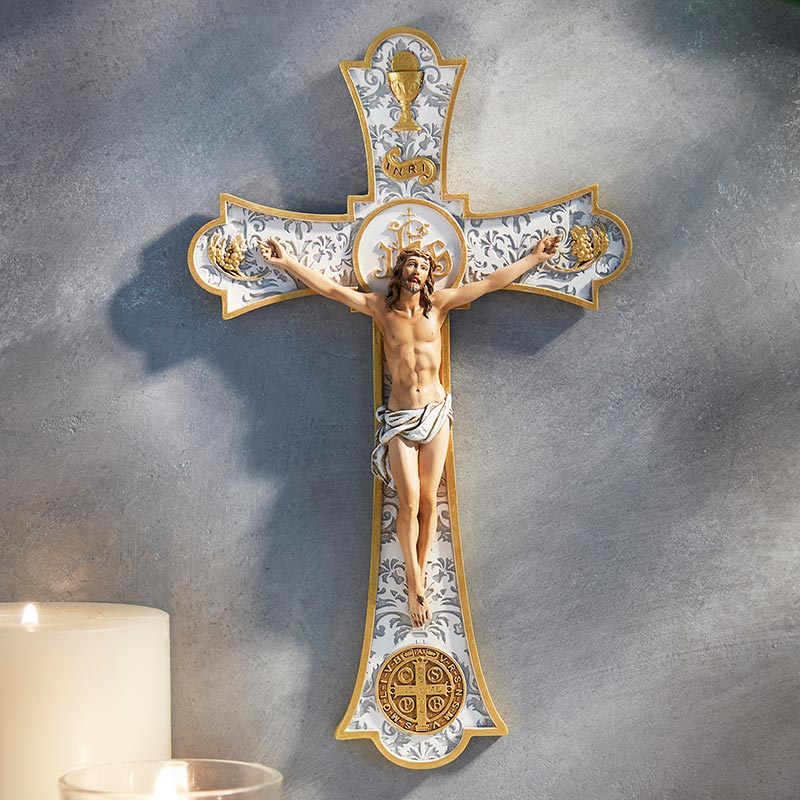
Discover our Sacrament of Reconcilation Collection.
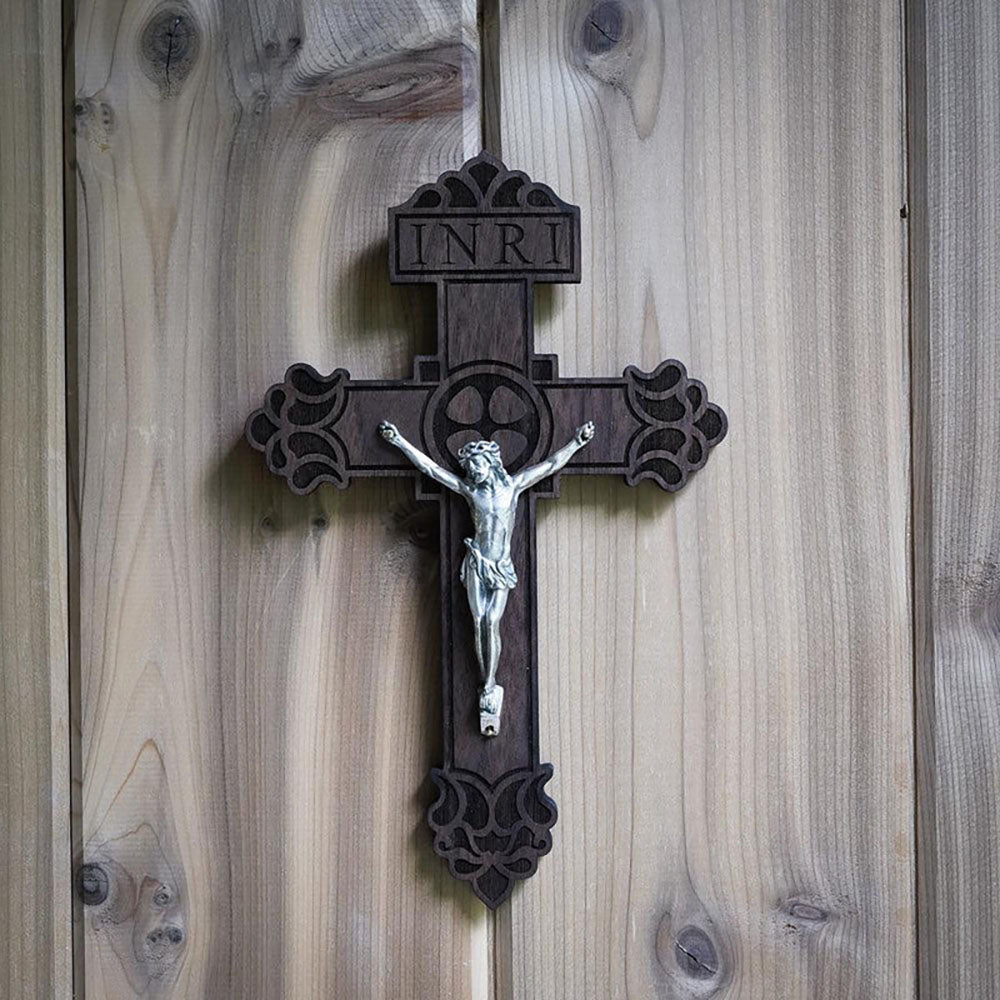
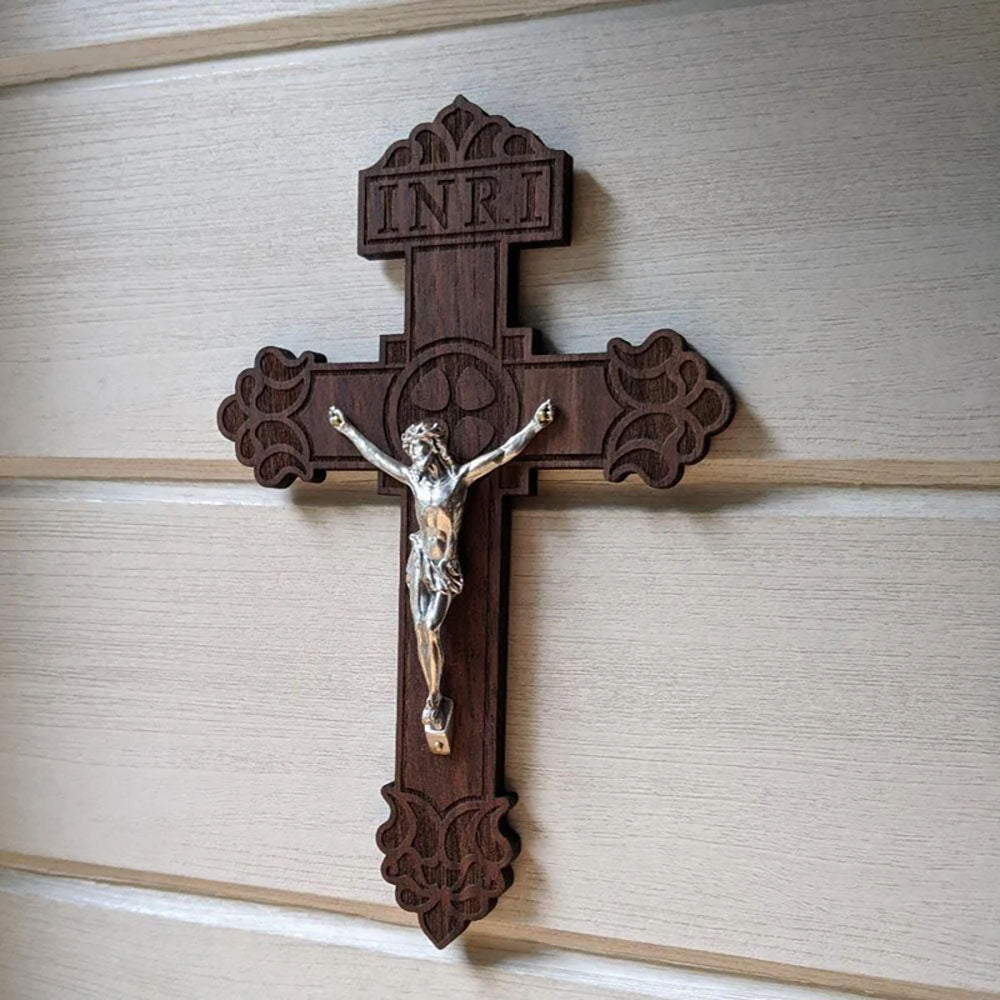
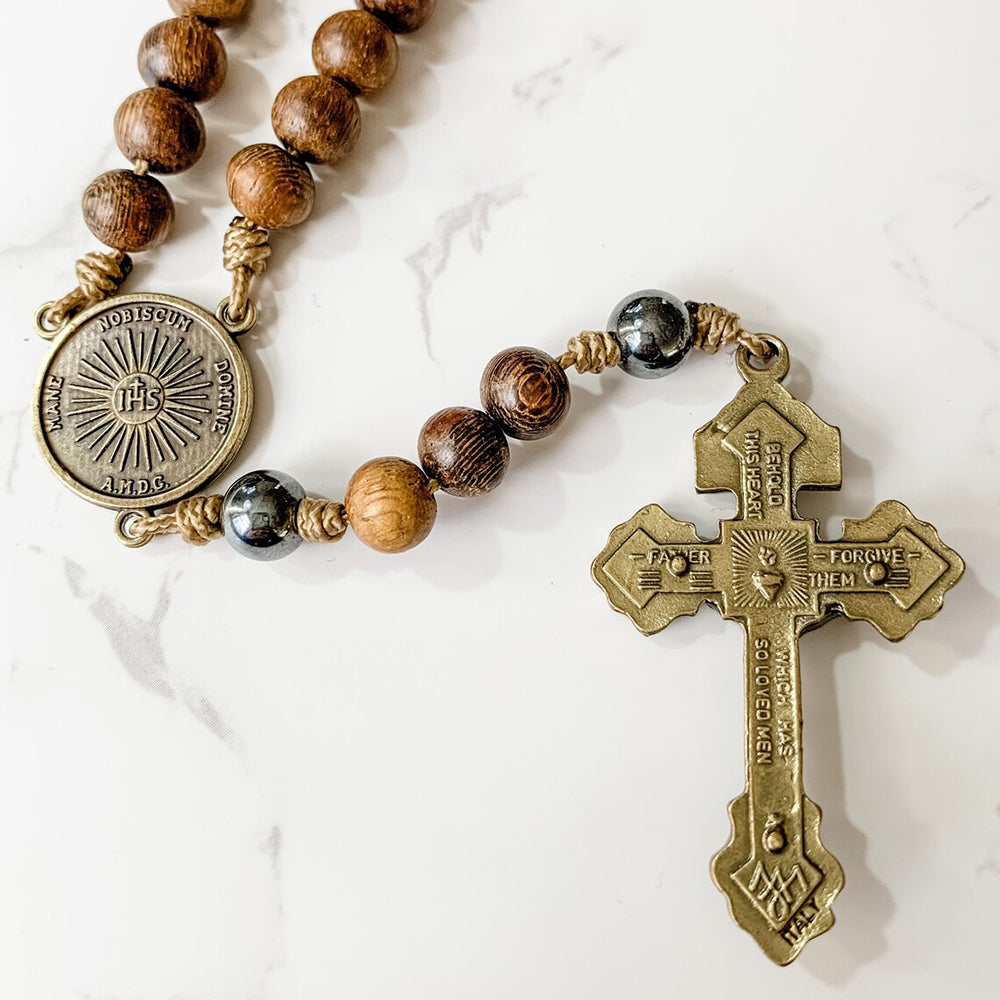
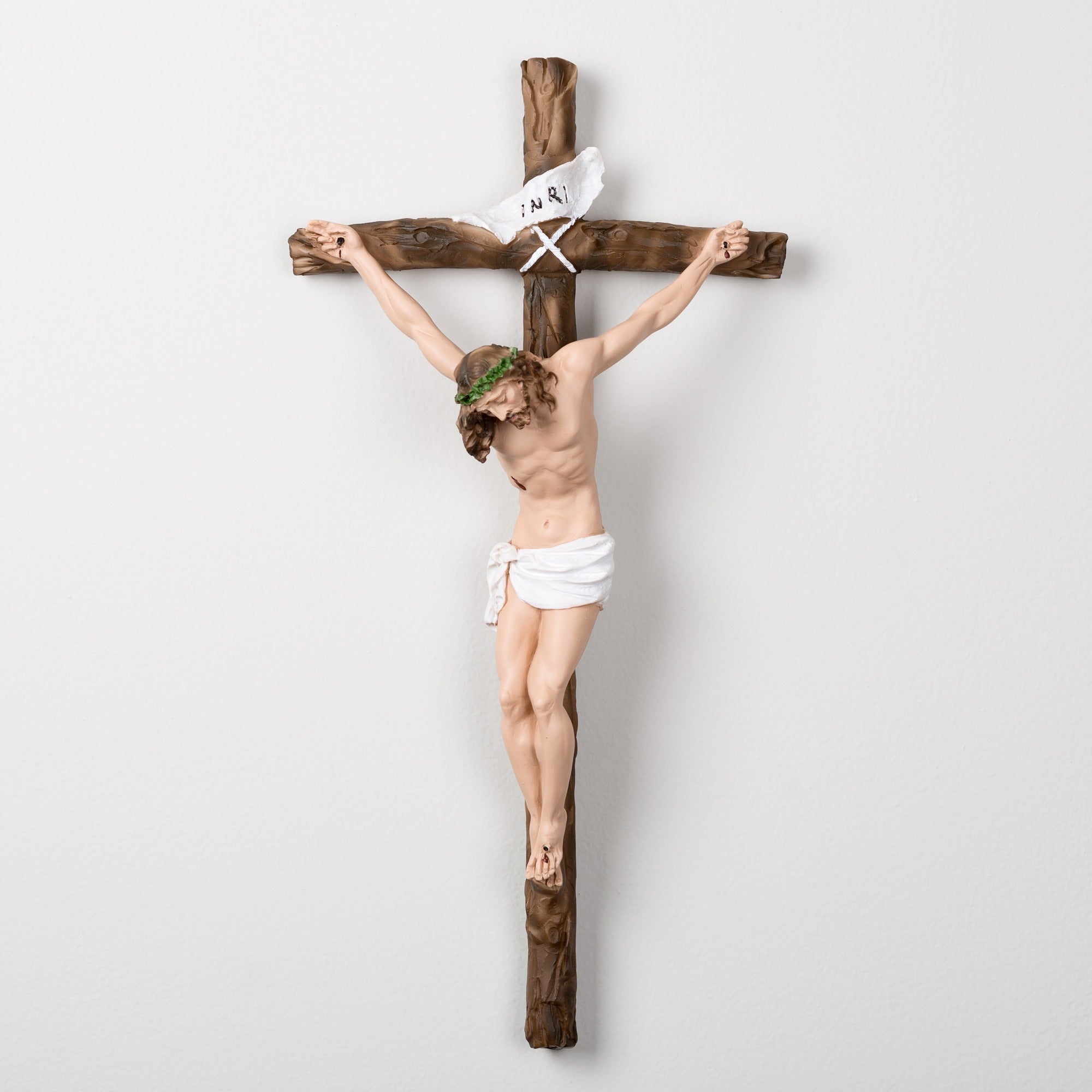
Have you heard of a Pardon Crucifix?
Questions for Quiet Reflection
When was the last time I brought my sins to God in the Sacrament of Reconciliation?
Do I make time for an examination of conscience?
Do I believe that God wants to give me mercy, not merely because I deserve it, but because He is good?
Where in my life is God inviting me to surrender more fully to Him?