







When a pope dies, the entire Church pauses. There are no new encyclicals to publish, no audiences to hold, no blessings from the balcony. The seat of Peter is empty. The white cassock is folded. And the fisherman’s ring is shattered—a quiet but dramatic sign that even the greatest earthly authority in the Church comes to an end.
This moment, though heavy with grief and silence, offers Catholics something very rare: a spiritual lesson drawn not from words, but from absence.
The death of a pope invites us to reflect on the fleeting nature of human leadership, the humility implicit in our faith, and the eternal strength of the One who truly governs the Church—Jesus Christ.
Here are 3 Lessons all Catholics can learn from the death of our Holy Father:
Humility: Every Office Comes to an End
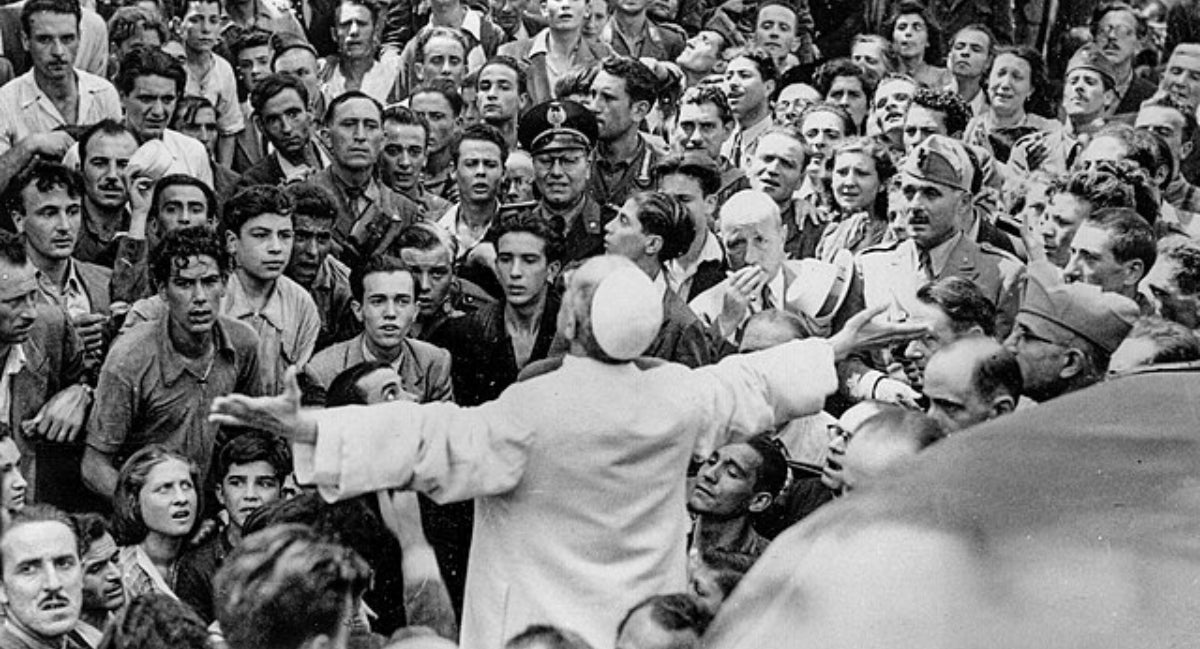
The pope is the Vicar of Christ, the spiritual father to over a billion people, and the visible sign of unity in the Church. Yet when he dies, the Church removes his name from the Eucharistic prayer. His ring is broken. His tomb is prepared.
This is not done with disrespect—but with deep humility. It reminds us that the pope, like all of us, is mortal. No matter how revered, he too will return to dust. The grandeur of the papacy is not in the man himself, but in the office, and in the One who entrusted it to Peter.
For each of us, it’s a call to humility. No title, achievement, or earthly influence can follow us into eternity. Not even if we are the Vicar of Christ, shepherding the entire Church. What matters in the end is whether we have loved, served, and trusted in God.
Leadership: True Authority Means Service
The pope is regarded as powerful in certain aspects, but the papacy is a call to service, not status. At his election, the new pope receives the pallium—a simple woolen band—symbolizing the lost sheep he must carry.
At his death, he is buried with that same pallium, a reminder that the heavy burden of leadership is not one of privilege, but of pastoral responsibility.
When a pope dies, we see his leadership in its most vulnerable moment: not in how he ruled, but in how he gave himself.
Whether he was a joyful and creative soul with incredible intellect and a heart for the young, brilliant theologian whose ideas and work spanned a lifetime, a world traveler who loved to be among the people, or a quiet, humble, contemplative soul, his legacy rests on how faithfully he followed Christ the Good Shepherd.
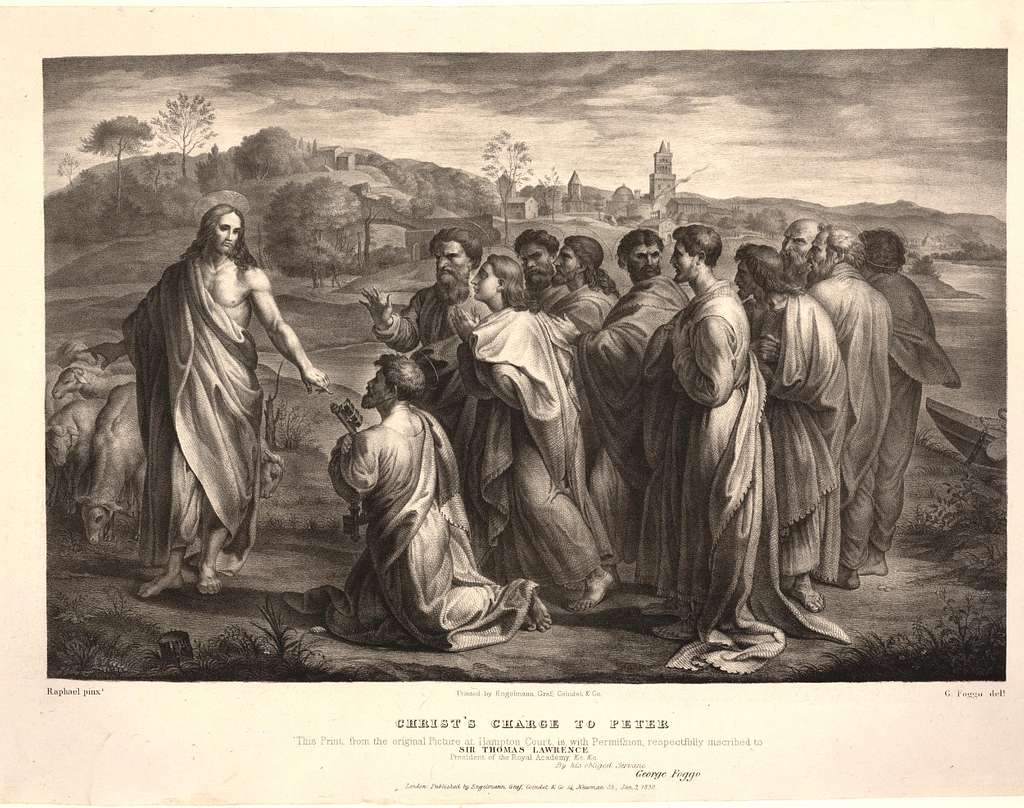
In this, we are reminded that Catholic leadership—whether in Rome, our parishes, or our families—should always reflect Christ, who knew menial labor, washed feet, and was crowned with thorns.
Faith: The Church Belongs to Christ
When the chair of Peter is empty, the Church does not collapse. She prays. She waits. And she presses on.
Why?
Because despite our admiration and devotion to them, popes come and go.
Christ remains.
He is the true head of the Church. His Spirit guides the cardinals. His promises never fail.
The death of a pope teaches us that the Church is not built on personality, popularity, or politics. It is built on a living faith—one that believes Christ is still with us, even in the silence. Especially then.
This moment can deepen our trust. It reminds us that God raises up leaders in every generation and that the Holy Spirit is never absent, even when the world holds its breath. In fact, the Holy Spirit is working profoundly in the waiting.
What Can We Do?
As the Church mourns, and we are a part of the Body of Christ, we are not meant to stand still. This is a time for prayer, for reflection, and for renewing our commitment to live as faithful Catholics under the care of the Good Shepherd. We can:
-
Pray for the soul of the pope who has gone to meet the Lord whom he served.
-
Pray for the cardinals, that they may discern with wisdom and courage and the Holy Spirit reveal to them our next Holy Father.
-
Pray for ourselves, that we may live with servants hearts, in the humility and faith this moment invites.
Final Thoughts
The death of a pope is a rare and sacred time. It leaves us with a quiet Church and a space to contemplate what matters most—not power or legacy, but holiness.
In the end, the most powerful man in the Church is laid to rest, not as a ruler, but as a servant.
Through him, we are reminded that to lead is to love, to reign is to serve, and to believe is to entrust everything—life, death, and the entirety of the Church—to Christ alone.