





What is a papal inauguration, and how is it different from a coronation?
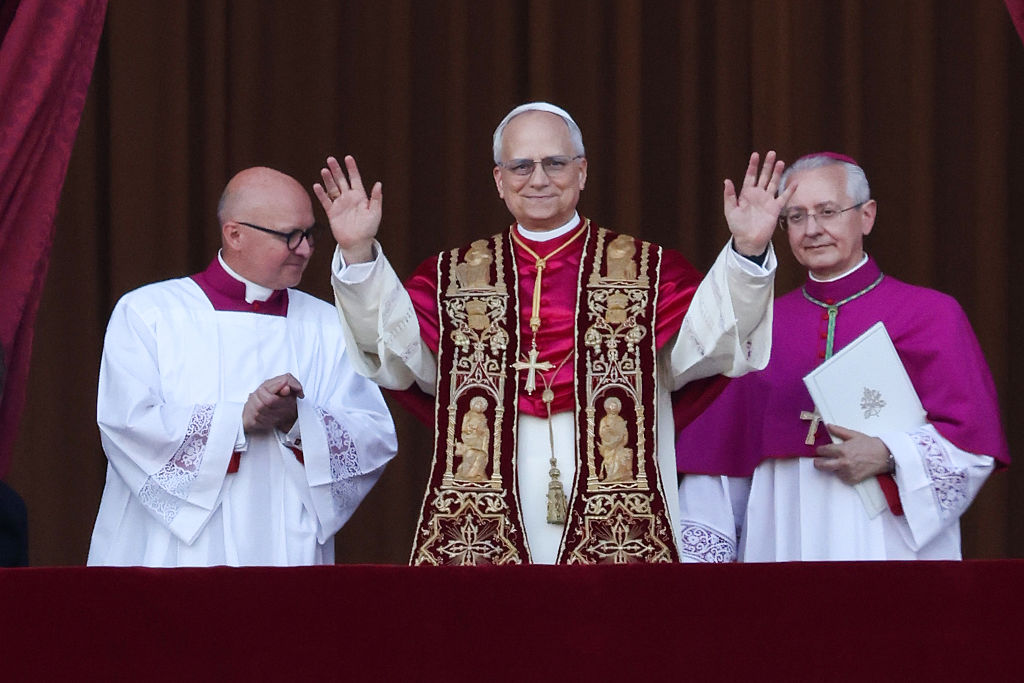
The papal inauguration is the formal Mass that marks the beginning of a newly elected pope’s ministry. Unlike medieval times when a pope was “crowned” with a tiara in a coronation ceremony, modern popes simply have an inauguration Mass without any crown. In fact, the last papal coronation was in 1963 (Pope Paul VI), and since John Paul I in 1978 no new pope has been crowned or worn a tiara. Instead, the new pope receives a pallium (a woolen stole) and the Fisherman’s Ring as symbols of his office. These symbolize his spiritual authority and mission as successor of St. Peter, rather than any temporal kingship.
When and where will the new Pope’s inauguration take place?
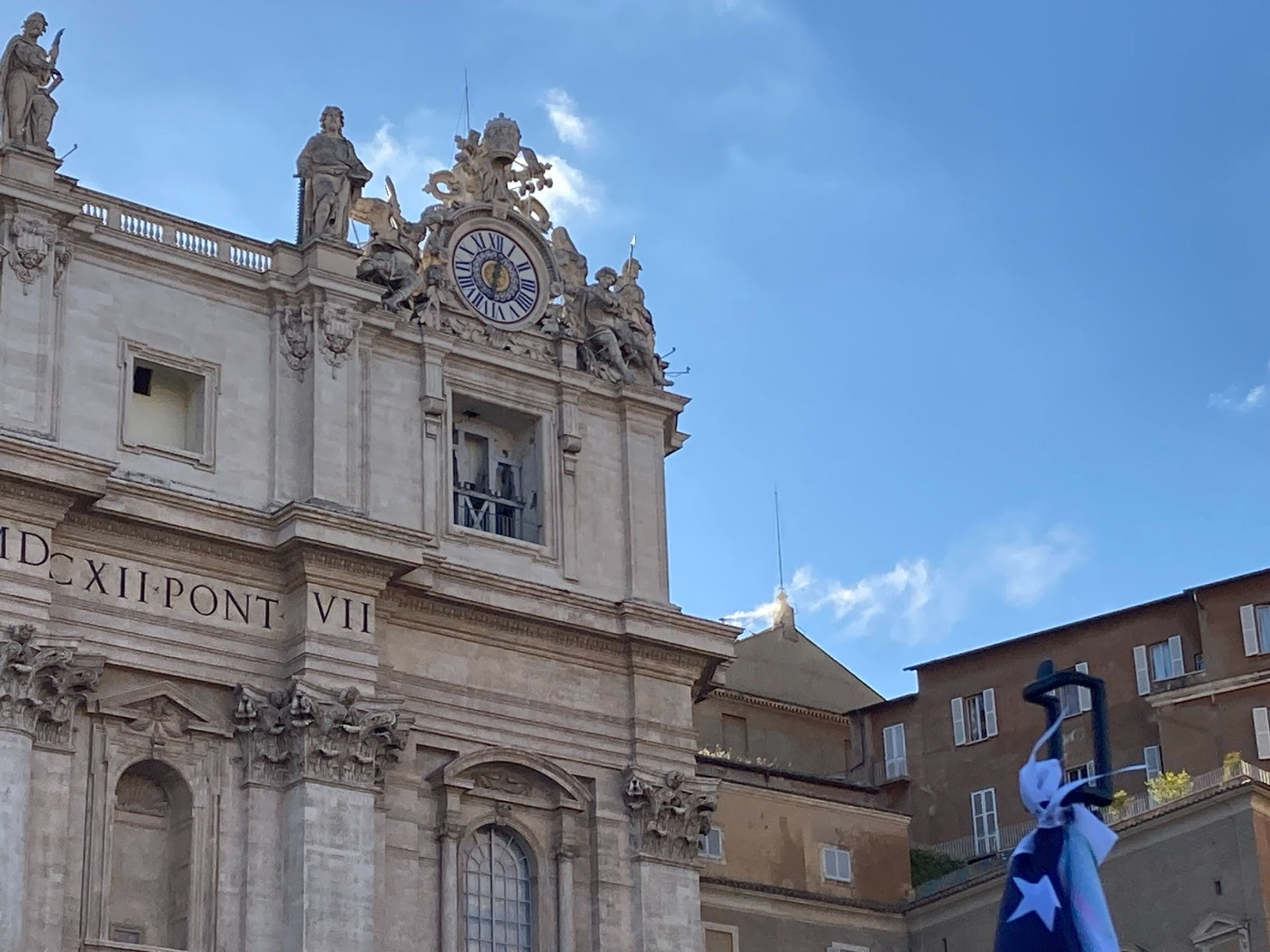
The inaugural Mass will be held on Sunday, May 18, 2025 at 10:00 AM local time in St. Peter’s Square at the Vatican.
What happens during the inauguration Mass?
The ceremony follows a rich traditional sequence. It usually begins in St. Peter’s Basilica, where the new Pope (having already prayed at the tomb of St. Peter) walks in procession with cardinals, bishops, and clergy into St. Peter’s Square. As they enter, the ancient chant Laudes Regiae (“Christus vincit – Christ conquers”) is traditionally sung. Early in the Mass, the Cardinal Protodeacon places the Pallium (a white woolen band with crosses) on the Pope’s shoulders. Later, the Cardinal Camerlengo (Chamberlain) hands the Fisherman’s Ring to the new Pope. After these bestowals, the new Pontiff celebrates the Liturgy of the Word and Eucharist, giving a homily about his vision. The Mass concludes with prayers and a blessing.
What are the Pallium and Fisherman’s Ring, and what do they symbolize?
These two items are the central symbols of the inauguration. The Pallium is a circular band of lamb’s wool with embroidered crosses (traditionally five). It dates back to the early Church and symbolizes the Pope’s role as the Good Shepherd who carries the “yoke of Christ” on his shoulders. In the inauguration, the Pallium underlines the Pope’s universal pastoral authority as bishop of Rome and head of the global Church. The Fisherman’s Ring is a signet ring engraved with an image of St. Peter (a fisherman) casting a net. This ring is a reminder that the Pope is the “fisher of men,” succeeding St. Peter. It has practical use too--historically it was used to seal official documents. A unique new ring is made for each pope, and the old ring is ceremonially broken when a pontificate ends.
Who attends the Inauguration Mass, and why is their presence significant?
The inauguration is a major world event, so a wide range of people gather for the Mass. Vatican officials (the College of Cardinals, Roman Curia members, bishops and priests) are present, but so are international guests. Heads of state and other dignitaries are invited – though countries usually send delegations rather than the heads of state themselves. Large numbers of lay faithful and pilgrims pack St. Peter’s Square and beyond. The presence of these groups shows the Church’s unity and the global importance of the papacy. World leaders coming to the Vatican signal respect for the new Pope’s moral and spiritual leadership, while Catholics from all over (and even many non-Catholics) gather to witness and support the new Pontiff.
What is unique or historic about this particular inauguration?
This ceremony is historic in several ways. The new Pope is Leo XIV (Robert Francis Prevost), the first-ever U.S.-born Pope. Pope Leo XIV is a Chicago, Illinois native and now officially becomes the 267th Pope of the Catholic Church. Americans nationwide have been excited since hearing the historic news on Thursday. He is the second pope in a row from the Americas (following Pope Francis of Argentina). His papal name, Leo XIV, also stands out. The last Pope Leo was over a century ago (Leo XIII), and the choice evokes St. Leo the Great (5th-century Pope Leo I), who defended Christ’s divinity and negotiated peace in his time.
How can the faithful participate spiritually in the inauguration?
Even if we can’t be in Rome, all Catholics can unite spiritually with the Inauguration Mass by our participation in Sunday Mass wherever we live. This participation not only joins us to the universal Church, it unites our prayers in union with the Pope. By offering our own reception of the Eucharist for Pope Leo XIV we can extend the most powerful form of support there is.
Why does this inauguration matter for the life of the Church?
The inauguration is more than ceremony – it publicly affirms the new Pope’s role as the Vicar of Christ and Shepherd of the Church. It’s a moment when the Church formally thanks God for guidance during the conclave. For Catholics, it is also a chance to recognize that no matter the challenges ahead, the Church continues in apostolic succession under Peter’s successor.
Let us continue to pray for our new Pontiff, Pope Leo XIV:
Heavenly Father,
In Your mercy, You have not left us orphaned. You have given us a shepherd, Pope Leo XIV to guide, guard, and feed Your flock.
With hearts full of gratitude, we thank You for the gift of his leadership. You have once again shown Your faithfulness to the Church, raising up a successor to Peter to stand firm in the breach and speak Your truth with love.
With hope, we ask You, Lord, to stand beside him. Strengthen him with courage, wisdom, and compassion as he takes up the cross of the papacy.
May he defend us against the empty promises of secularism, the despair of atheism, and the distractions of our time.May he rekindle in us the fire of faith, remind us of the dignity of every human life, and call us always back to You.
Let his pontificate of Pope Leo XIV be filled with grace and may his leadership echo with the clarity of truth and the mercy of Christ.
And let us never cease to thank You for Your goodness, for Your Church, and for our Holy Father.
Amen.
Discover more about Pope Leo XIV here: Pope Leo XIV