


If you've ever compared a Catholic Bible with a Protestant Bible, you've probably noticed something.
The Catholic Bible has 73 books. Most Protestant Bibles have 66.
So who changed it?
Catholics are sometimes accused of adding seven Old Testament books to Scripture. But a look at Christian history tells a different story.
Long before there was a Catholic-Protestant debate about the Bible, Greek-speaking Jews were using a Greek translation of the Old Testament known as the Septuagint. It included the books Catholics know today as Tobit, Judith, Wisdom, Sirach, Baruch, and 1 and 2 Maccabees.
The writers of the New Testament overwhelmingly used the Septuagint.
In fact, the New Testament contains hundreds of quotations from or references corresponding to the Septuagint wording. There are even apparent allusions to the books later rejected by Protestants. Hebrews 11:35, for example, describes faithful people who were tortured and refused release in hope of "a better resurrection," closely resembling the martyrdom account in 2 Maccabees 7.

So these books weren't suddenly discovered by Catholics in the Middle Ages. They were already part of the Scriptures being read by early Christians.
By the fourth century, Church councils were formally listing the books Christians recognized as Scripture. The Council of Rome in 382 listed the books of the Catholic canon, followed by the Councils of Hippo in 393 and Carthage in 397.
That means Christians were recognizing these books as Scripture more than a thousand years before the Protestant Reformation.
So where did the 66-book Bible come from?
During the Reformation, Martin Luther questioned the seven Old Testament books and placed them in a separate section of his German Bible. Among his objections were passages supporting doctrines he rejected. One particularly important example is 2 Maccabees 12:44-46, which speaks approvingly of prayers offered for the dead.
Eventually, most Protestant Bibles omitted these books altogether.
The Catholic Church responded at the Council of Trent in 1546 by solemnly reaffirming the canon it had received and used for centuries.
So when someone asks, "Did Catholics add books to the Bible?", the historical question worth asking is actually the reverse:
If these books were being read by Christians from the earliest centuries, when did Christians stop including them?
The answer comes much later than many people realize.
The Bible didn't simply drop from heaven as a completed book with a table of contents. Christ entrusted His revelation to the Church, and through the guidance of the Holy Spirit, the early Church discerned which writings belonged in Sacred Scripture.
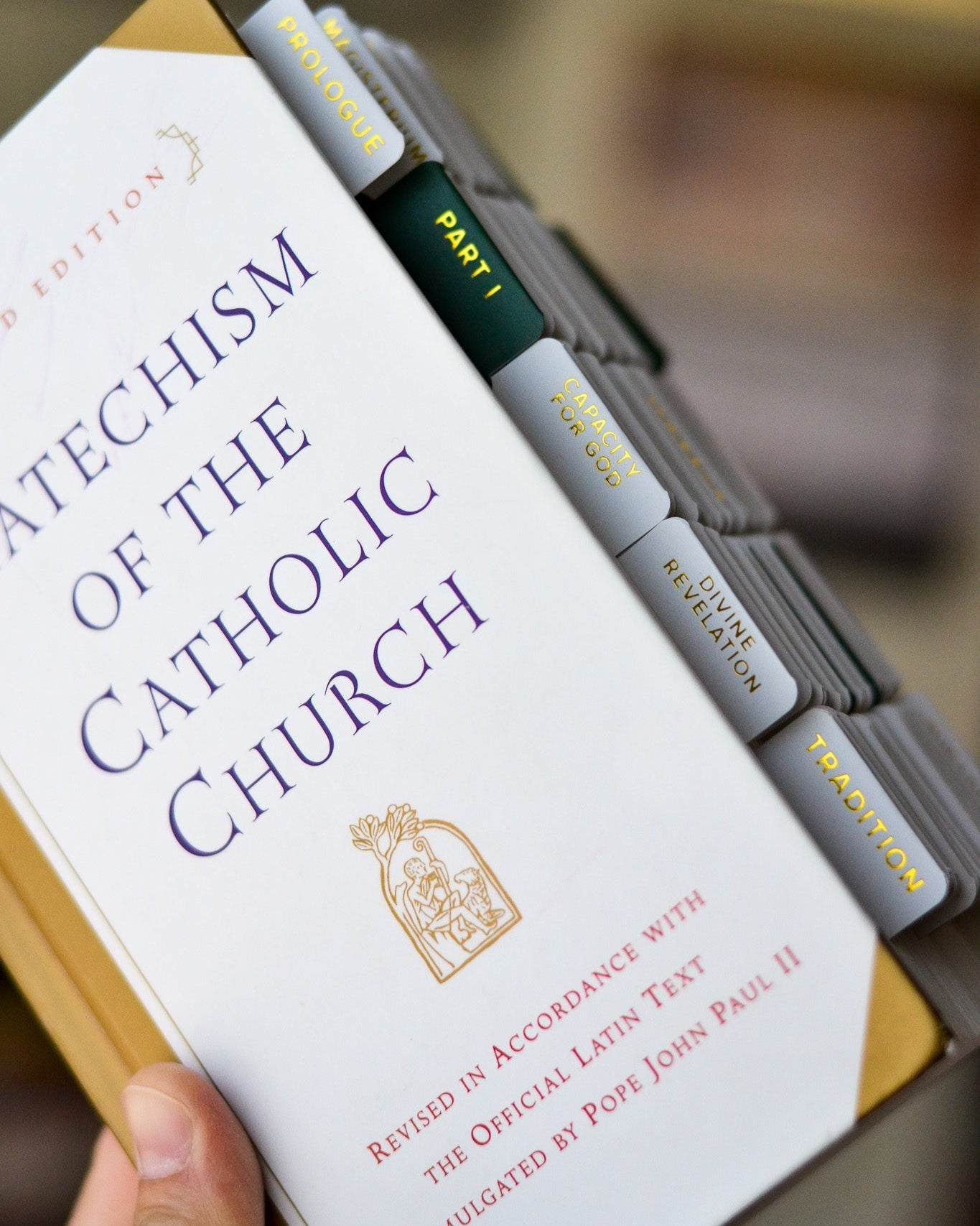
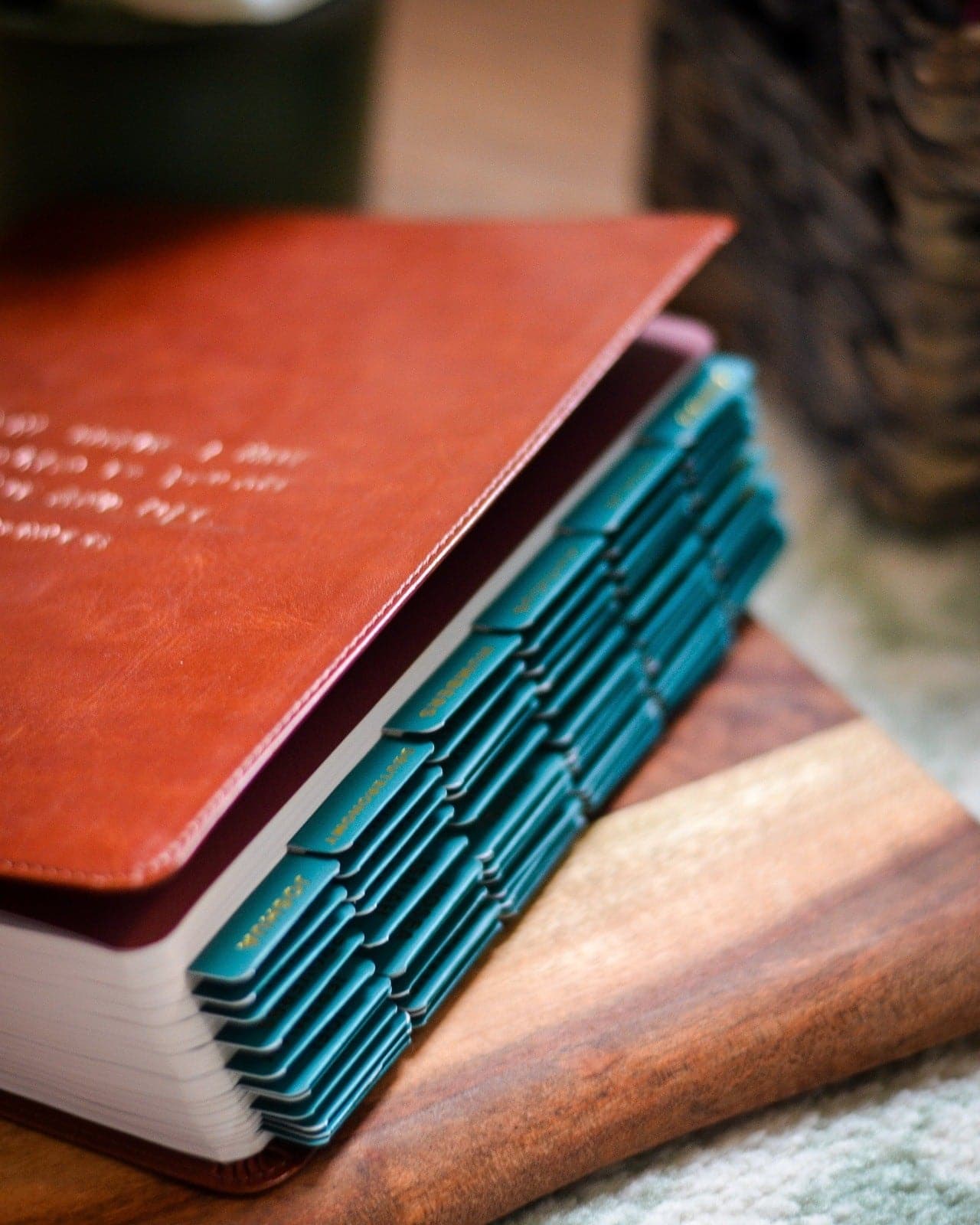
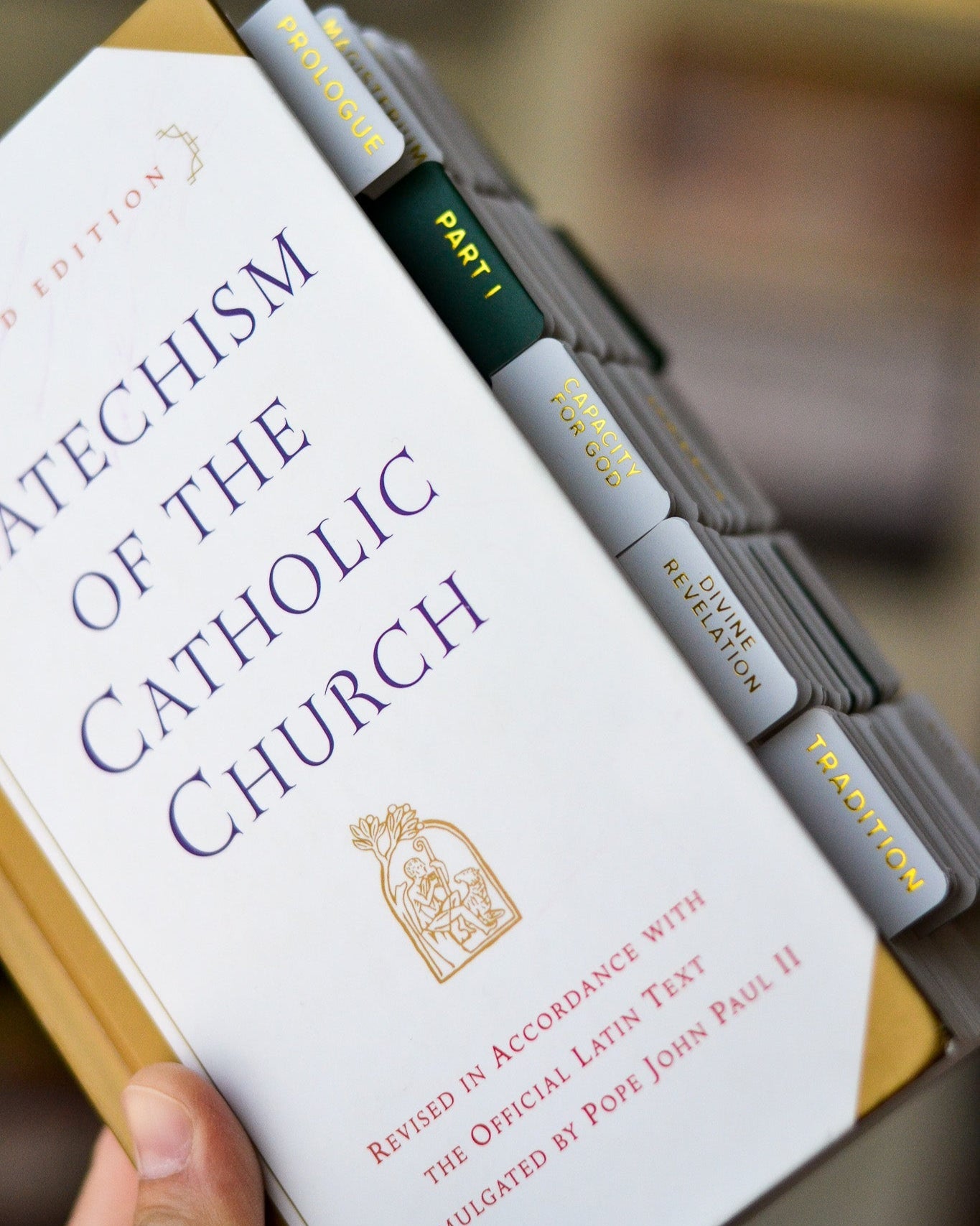
The Bible itself is one of the great treasures handed down to us through the life of the Church. Discover the Emerald and Gold Catholic Bible Tabs, featuring all 73 books of the Catholic Bible; each tab is designed with elegant gold foil accents that shimmer softly against the deep green background. Purchase yours today at The Catholic Company!