It is a question that comes up more often than we might expect.
What do angels actually look like?
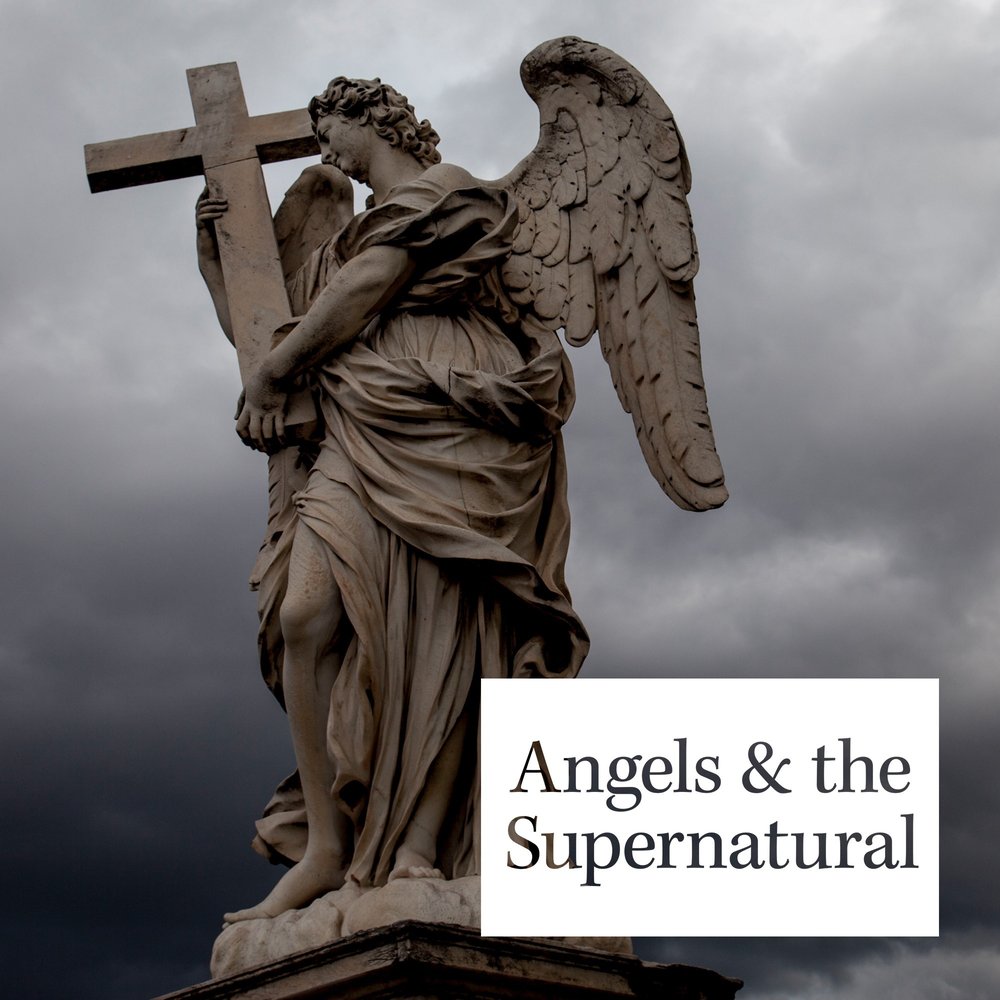
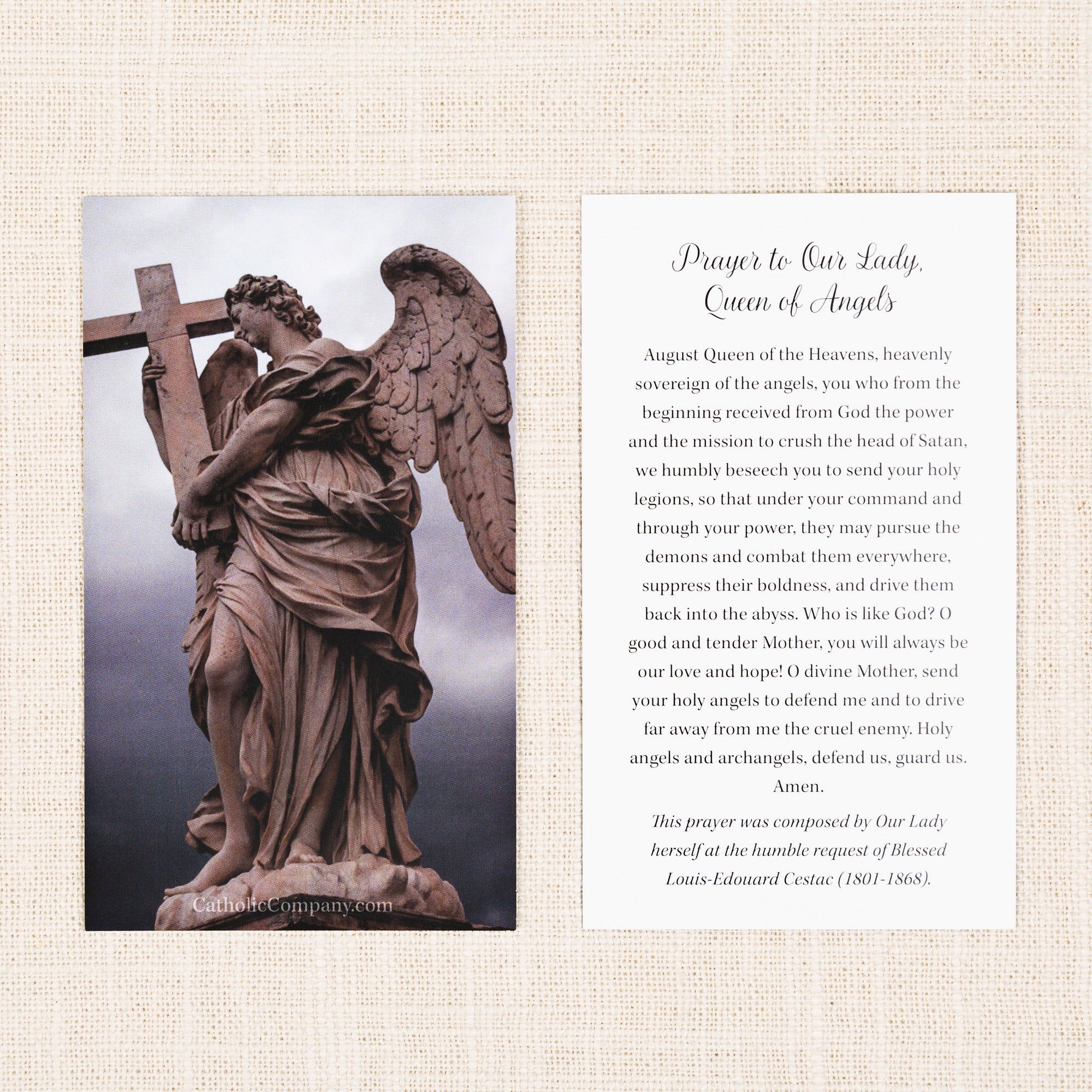
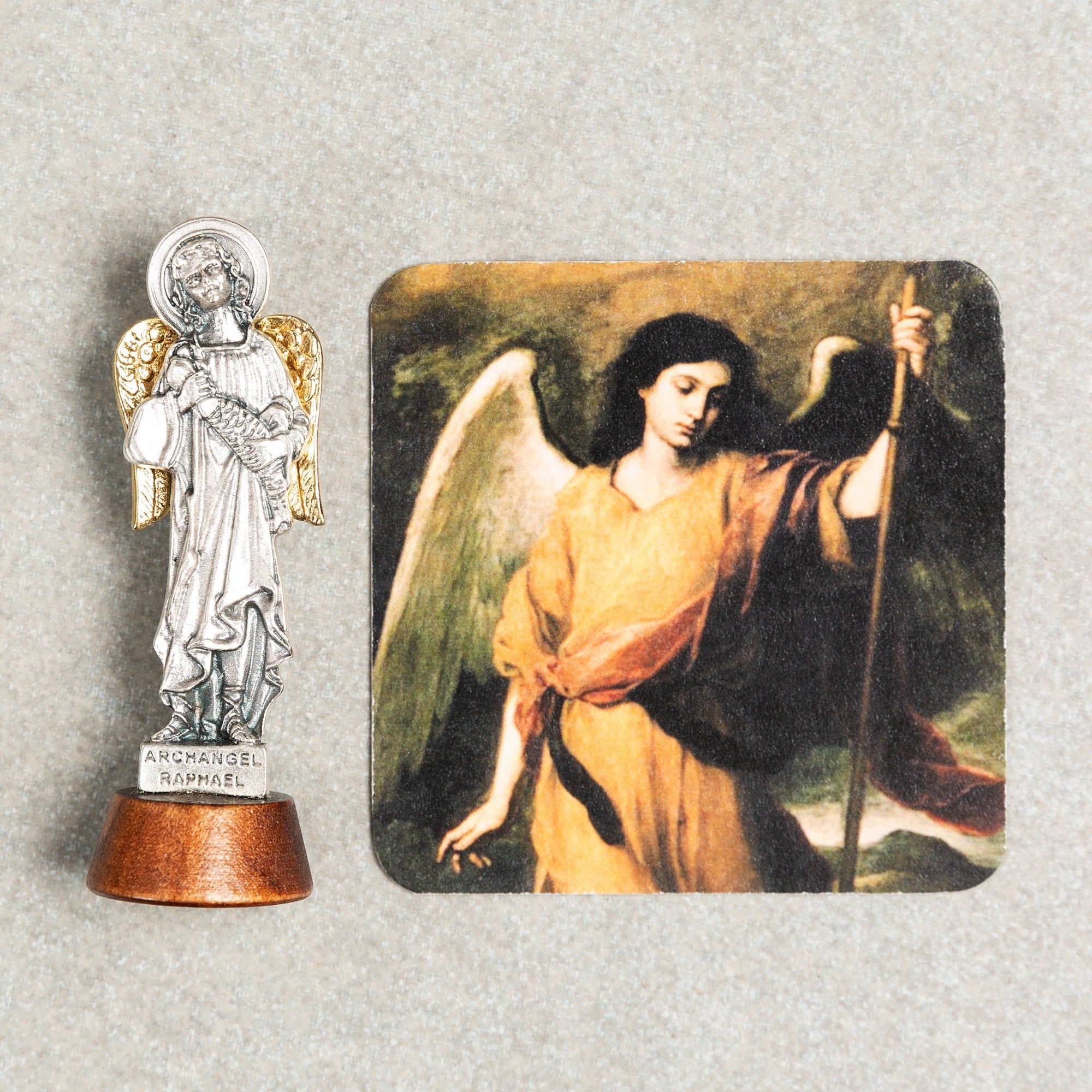
We are surrounded by images of them—paintings, statues, holy cards—often with wings, flowing garments, and a kind of radiant beauty. These images are familiar and even comforting. But they can also leave us wondering whether this is what angels truly look like.
The Church gives us a helpful starting point.
Angels are not material beings. They are pure spirits. That means they do not have bodies in the way that we do, and strictly speaking, they do not “look like” anything at all. Our minds naturally try to form an image, but they will never fully succeed, because angels exist beyond the limits of what we can see or imagine.
And yet, throughout Scripture and the lives of the saints, angels do appear.
When they do, they take on a visible form. This is not because they have bodies, but because they choose to appear in a way we can understand. As one author explains, they “assume a bodily form… as an accommodation to the visionary.” In other words, they make themselves visible for our sake.

This helps explain why there is some consistency in how angels are described. In Scripture and in many accounts from the saints, angels often appear in human form, sometimes even described as young men. Although angels are neither male nor female, they consistently appear in a masculine form, reflecting their role as messengers of God, who has revealed Himself as Father.
It also helps explain why we so often see angels depicted with wings.
Angels do not have wings any more than they have bodies. But wings communicate something real about them. They suggest swiftness, power, and a kind of freedom from earthly limitation. Even in the Old Testament, God instructed that the cherubim placed on the Ark of the Covenant should be depicted with wings. The image is symbolic, but the truth it conveys is real.
This is how the Church has always approached sacred art.
It is not meant to be a literal photograph of heaven, but a way of pointing us toward realities that go beyond what we can see. Artists, through their skill, try to convey something of the glory, strength, and holiness of these beings, even though the reality itself remains hidden.
There is also something worth noting in the variety of these descriptions. While there is a certain consistency, there is also uniqueness. Those who have experienced angelic apparitions often describe them in slightly different ways. Some speak of brightness, others of strength or clarity, and still others of a kind of presence that is difficult to put into words at all.
That should not surprise us.
If angels are created by God and reflect His glory, then it makes sense that there would be both order and diversity among them. What we see in art and description is not the full reality, but a glimpse—something given to us so that we can begin to understand what we otherwise could not.
So what do angels look like?
In one sense, we cannot say. But in another, we already have what we need.
The images we have been given are not exact, but they are meaningful. They remind us that we are not alone, that God’s creation extends beyond what we can see, and that there are beings who serve Him—and, by His will, assist us.
And perhaps that is enough.
To learn more about angels, discover the Good Catholic series, Angels and the Supernatural. Much of this article comes from that series.
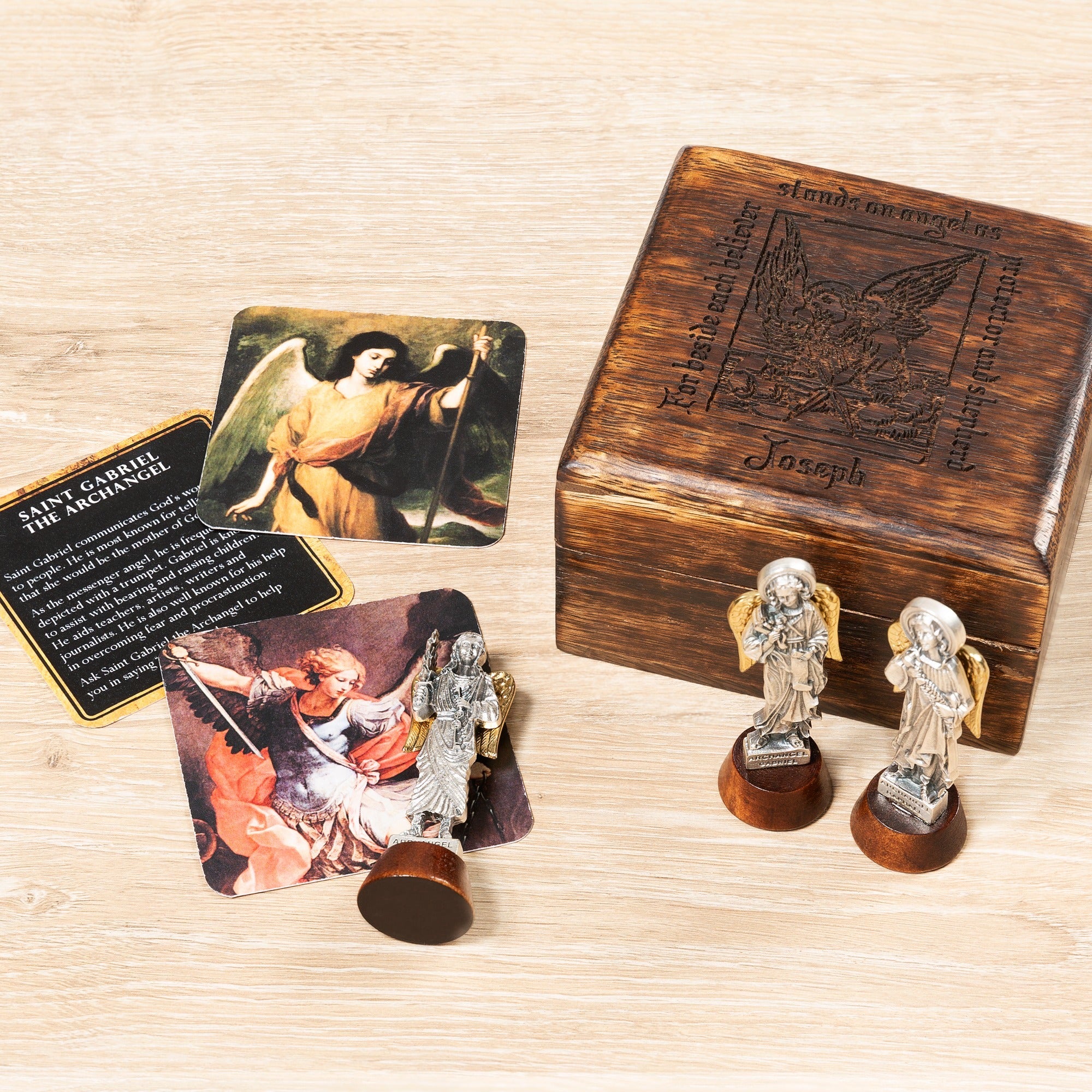
The Personalized Archangels Saint Box is a delightful set featuring three pewter angels on wooden stands and information cards in a mango wood box. Including archangels St. Michael, St. Gabriel, and St. Raphael, it offers powerful divine companionship. Discover this today at The Catholic Company!