
Did you know that one of the oldest observatories in the world was founded by the Vatican?
The story begins in 1582 with Pope Gregory XIII. Famous for reforming the calendar (the Gregorian calendar we use today), Gregory XIII relied on astronomers to ensure the calendar aligned with the solar year.
Gregory encouraged the Vatican to support and pursue scientific observations and documentation. These observations were documented within the Vatican and led to many great developments in the scientific study of the stars.
Fast forward to 1774, when Pope Clement XIV built on his predecessor’s work and established the Vatican’s first observatory, the Specola Vaticana, atop the Roman College.

A bigger observatory was created in 1891 under Pope Leo XIII and given the official title of Vatican Observatory.
Over the years, the observatory has moved to avoid the light pollution of Rome. By the 1930s, it had relocated to Castel Gandolfo, the Pope’s summer residence.
In the late 20th century, it expanded to a new facility in Arizona, where clearer skies offered astronomers a better view of the heavens. While the official headquarters is still located at Castel Gandolfo, the Vatican Observatory Research Group (VORG) maintains its offices at the University of Arizona in Tucson, where they collaborate with the Steward Observatory.
So, how old is the Vatican Observatory? If you count its roots in Gregory XIII’s era, it’s over 440 years old! It continues to evolve to this day as the Church maintains her commitment to the support of the sciences.
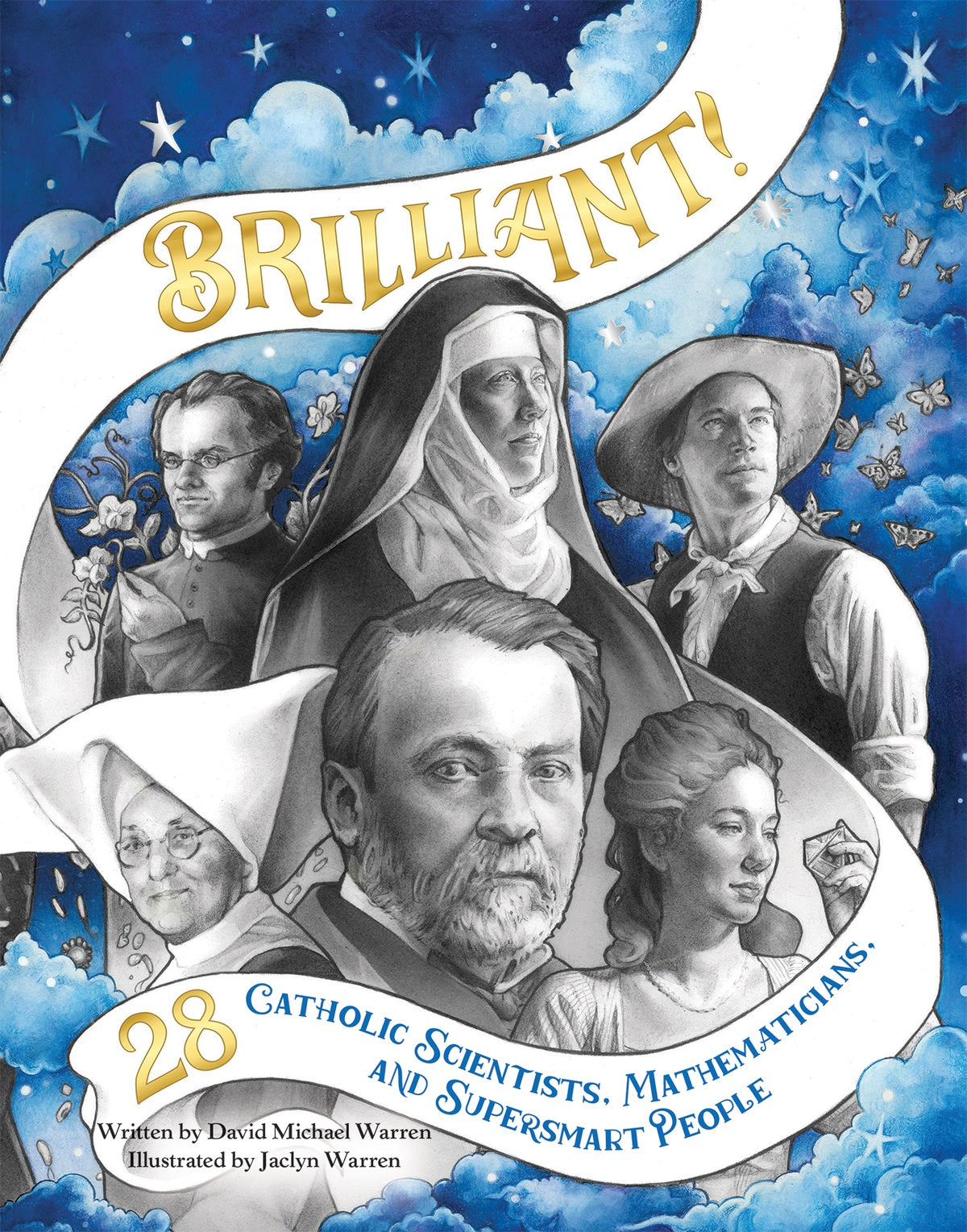
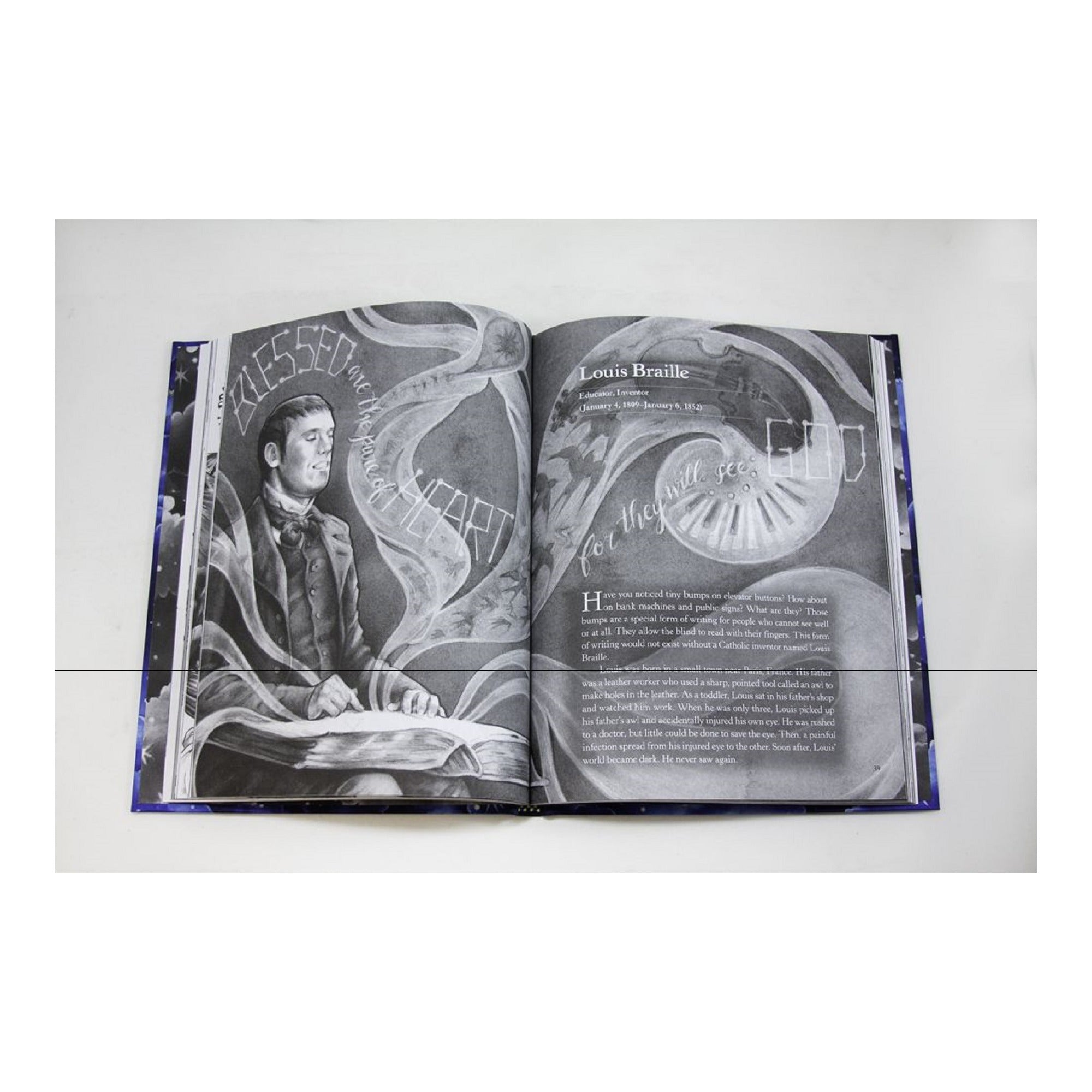
Teach your children about Church history and science with this engaging book, designed for ages 7-11, called Brilliant: 28 Catholic Scientists, Mathematicians, & Supersmart People.
This book highlights faith-filled innovators from anatomy to astrophysics with captivating illustrations and a helpful glossary. Educate your children, grandchildren, neices and nephews on the harmony of faith and science. Order your copy today from The Catholic Company!