







Have you heard the term hygge?
Although it’s not a recent practice, hygge has certainly become a trending term in recent years. In general, hygge is a Danish practice that helps people embrace the colder and darker months of the year by leaning into simple, cozy practices and cultivating a sense of warmth within their homes.
Okay, you may be thinking, but what does this have to do with my spiritual life? Good question.
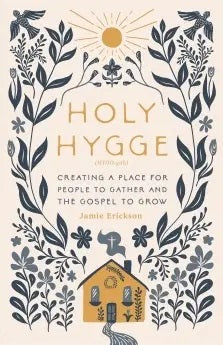
In her book Holy Hygge: Creating a Place for People to Gather and the Gospel to Grow, Jamie Erickson invites us to reimagine hygge not just as a cozy décor trend but as a gospel-shaped way to make home a sanctuary. She writes, “hygge is a mindset—a way of making the mundane and necessary tasks of life more meaningful and beautiful.”
That emphasis on elevating the ordinary is deeply Catholic. After all, our faith teaches us that even the little moments of life can become vessels of grace, and that living seasonally can help us align with the Church and our created nature.
So, as we enter into fall, let us all try to cultivate a little holy hygge in our homes!
1. Hospitality = Gospel at the Table
One of the core tenets of hygge is hospitality: creating space for others to gather and feel at home. Erickson suggests that true hospitality isn’t about perfection or impressing others, but about offering presence over perfection.
In Catholic practice, sharing a meal, breaking bread, and praying before and after are incarnational acts. When a family invites someone in, lights a candle, shares a simple meal, and says grace, they echo Christ’s own table fellowship. Imagine a modest evening gathering where the Rosary is prayed together and laughter fills the room; this is holy hygge in action.
2. Presence, Not Performance
Erickson warns against hustle. Hygge rejects overabundance and over-effort. She writes, “Simple pleasures… cultivate contentment.”
In Catholic spirituality, silence, contemplative prayer, and lectio divina invite us to presence. Instead of rushing from one task to the next, hygge presses us to linger: listen to Scripture, pray the Angelus at midday, or sit quietly before a crucifix. These are small pauses that root us in God’s presence.
3. Set the Tone
The atmosphere of a space—lighting, texture, scent—affects the soul. Erickson connects hygge and atmospheric living: cozy lighting, soft textiles, scents, and comfort.
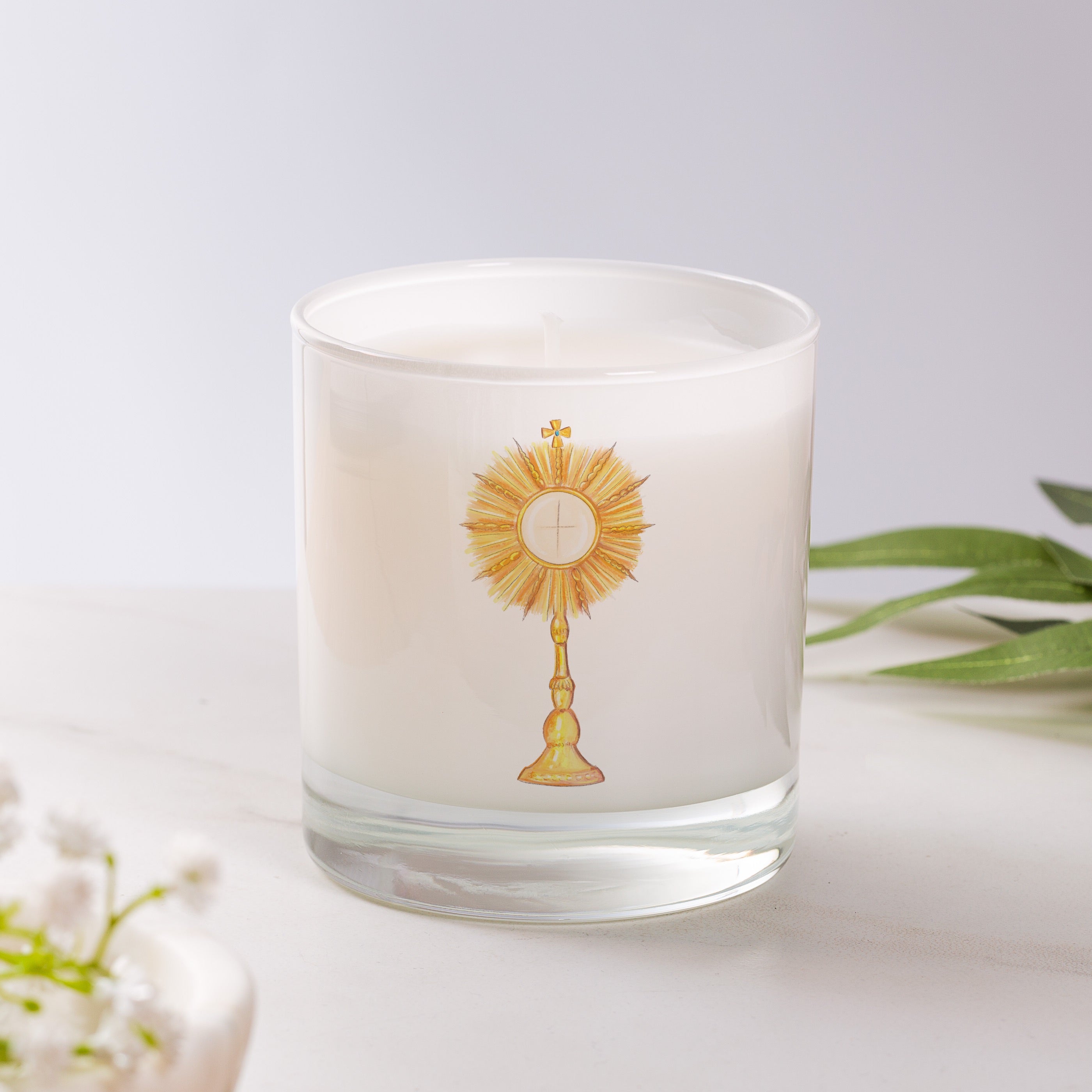
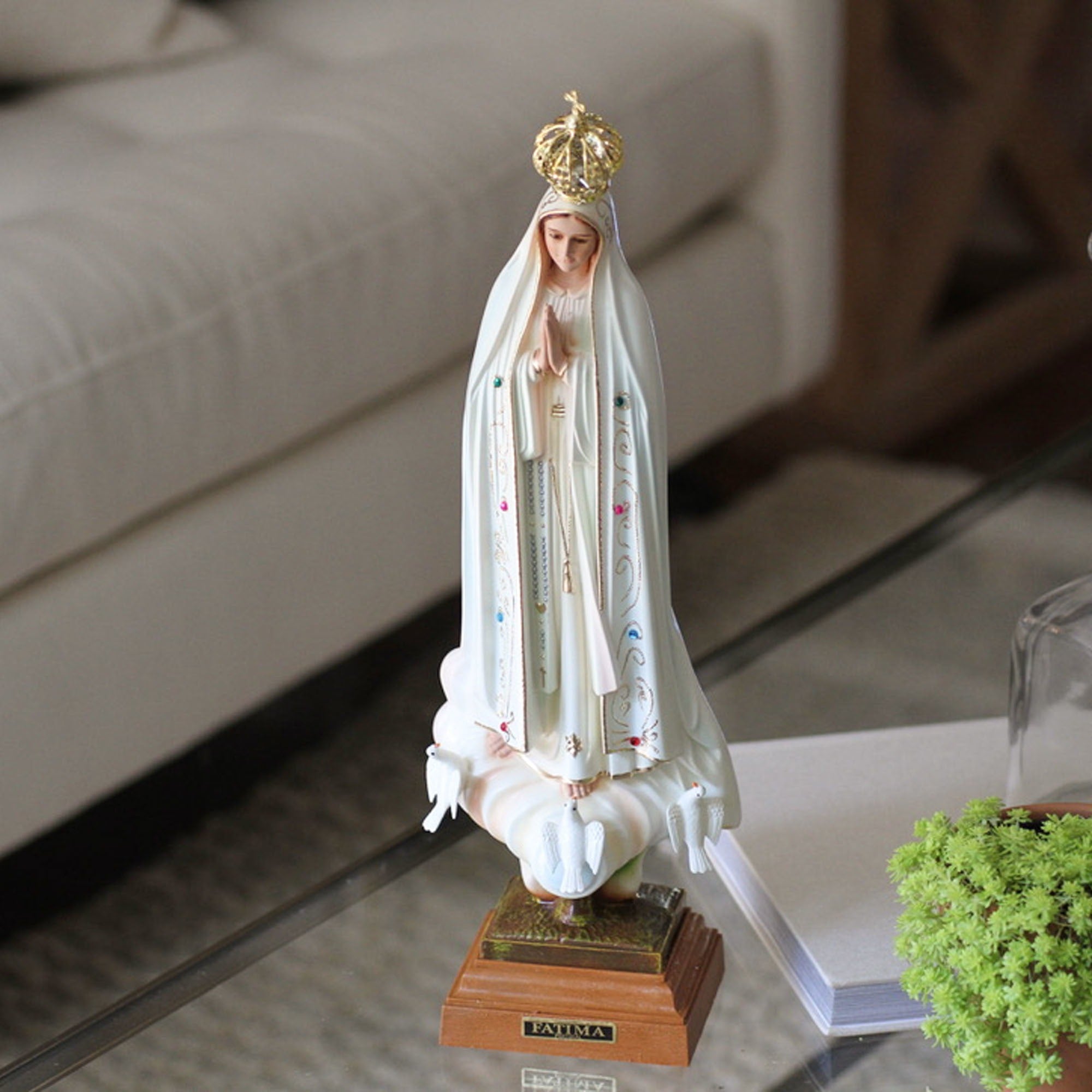
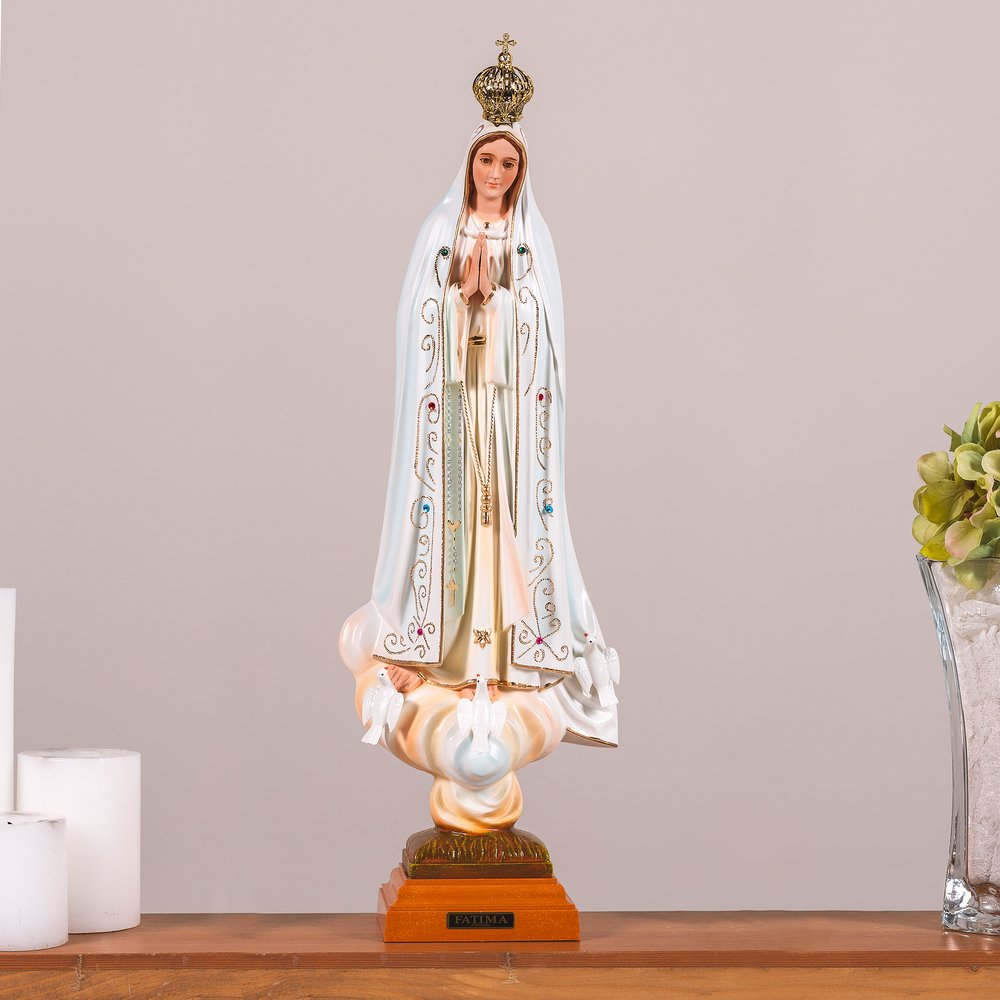
In Catholic tradition, sacred art, candles, incense, and liturgical season décor serve the same purpose. They are not distractions, but invitations. A dim lamp beside a Bible, a Marian statue with a rose nearby, or a candle near the tabernacle helps the soul enter prayer more readily.

4. Rest That Remembers God
One element of hygge is rest. Erickson speaks of rest as not just cessation of labor but an attitude of receiving.
The Church gives us the Sabbath, holy days, and nights of Eucharistic adoration. Resting well—turning off screens, putting down to-dos—makes space for the Holy Spirit to speak. In those moments, hygge and Christian rest overlap beautifully.
5. Contentment Anchored in Christ
Hygge encourages gratitude for what is, rather than striving for more. Erickson says extravagance becomes exhausting when constant; “simple pleasures… cultivate contentment.”
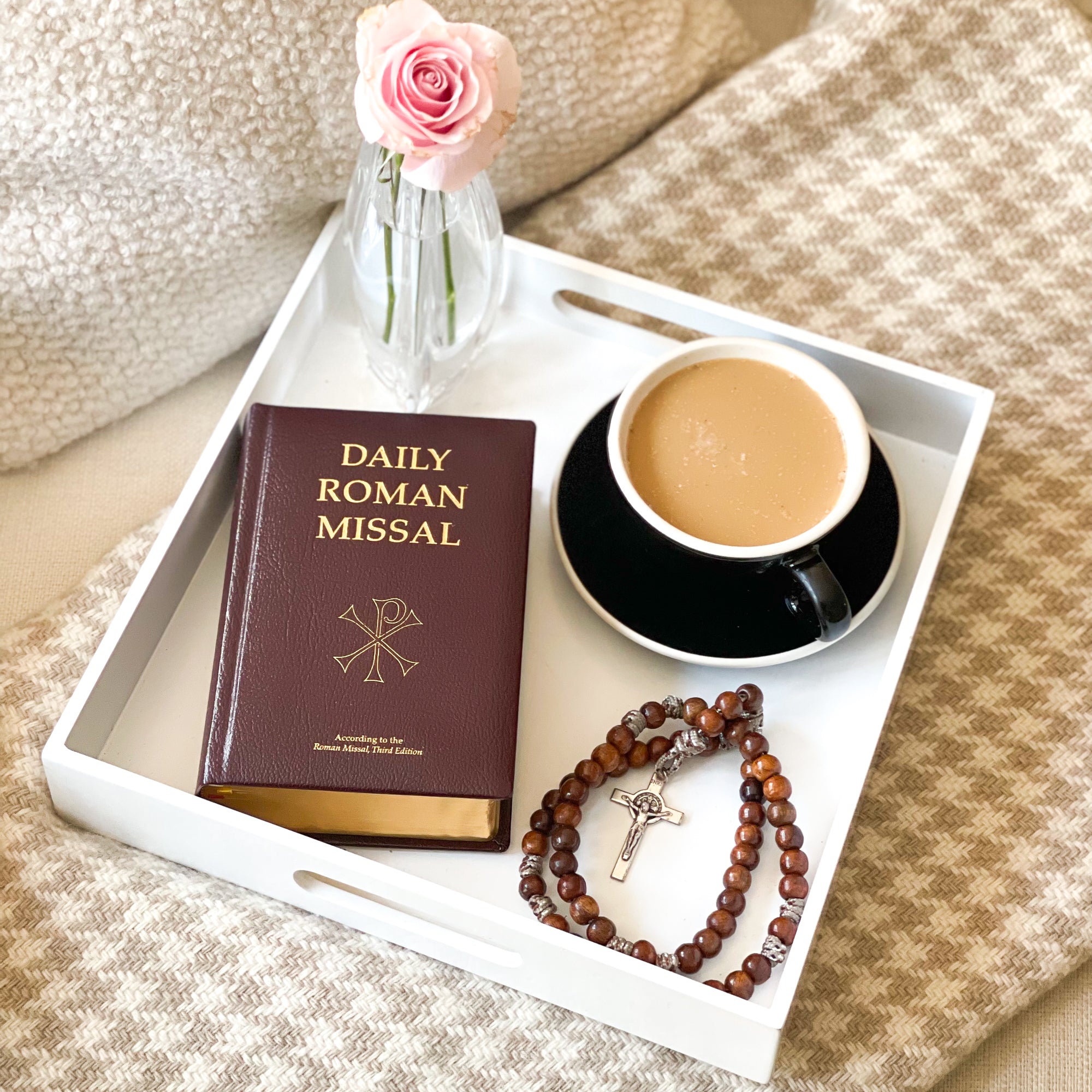
In the Christian life, contentment is a virtue. St. Paul writes, “I have learned in whatever state I am to be content” (Philippians 4:11). In practice, this means appreciating the little routines—morning coffee, quiet prayers, a cozy corner—as gifts from God, not things to replace.
Hygge without Christ is sentimental. Holy hygge invites Him in. As Erickson notes, “true and lasting comfort… can help, especially when paired with the hope of Jesus.”
May your home become a place where faith and coziness meet—not to impress, but to invite, nurture, and reflect the love of Christ in the everyday.
Order your copy of Holy Hygge today from The Catholic Company!