



If you grew up in the English-speaking world, you likely learned one thing about Queen Mary I of England: she was “Bloody Mary.”
The image is fixed. A cruel Catholic queen. Bonfires. Religious fanaticism. A dark chapter best forgotten.
But history is rarely that simple.
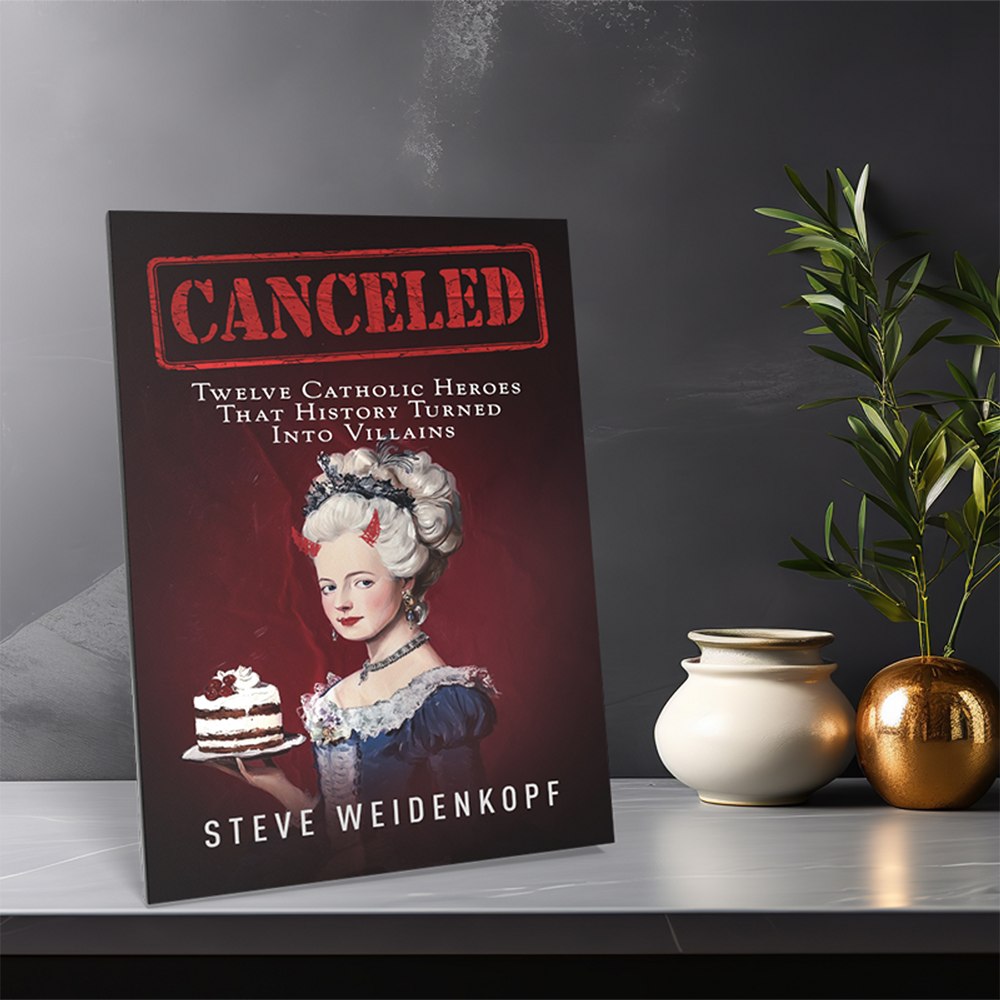
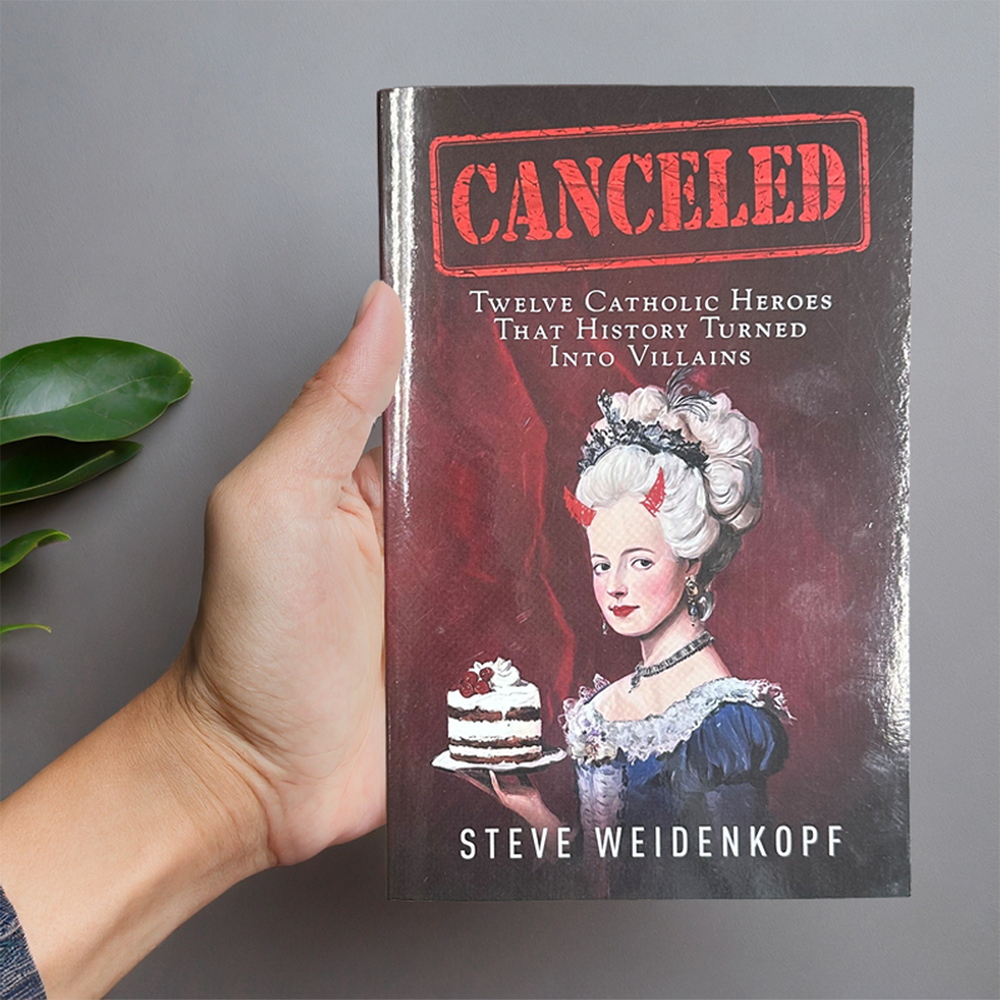
One of the most fascinating stories retold in Canceled: Twelve Catholic Heroes That History Turned Into Villains is the story of Mary Tudor — and how her reputation was shaped not only by what happened during her reign, but by who wrote the history afterward.
Here is one detail that often gets overlooked:
Mary reigned from 1553 to 1558. During that time, about 280 Protestants were executed for heresy. It is a tragic number, and one that should sober any Christian. But what is less commonly taught is that her father, Henry VIII, executed far more people — including both Catholics and Protestants — and her half-sister Elizabeth I executed hundreds of Catholics during her reign.
Yet Elizabeth became “Good Queen Bess,” while Mary became “Bloody Mary.”
Why?
Much of what we know about Mary comes from John Foxe’s Actes and Monuments, commonly known as Foxe’s Book of Martyrs. Published under Elizabeth’s Protestant reign, it became wildly popular and shaped English public opinion for generations. The book portrayed Mary as a monstrous persecutor and helped cement her nickname in the Protestant imagination.
Foxe’s work was not neutral history. It was written to defend Protestantism and to solidify Elizabeth’s legitimacy. The timing mattered. The politics mattered. The printing press mattered.
And Mary’s story became a cautionary tale.
None of this erases the suffering that took place during her reign. But it does remind us that history is often written by the victors.
Mary believed she was saving souls. She had watched her mother, Catherine of Aragon, cast aside. She had seen her country separated from Rome. She had endured humiliation and pressure to renounce her Catholic faith. When she came to the throne, she sought to restore England to Catholicism, convinced that unity with the Church was a matter of eternal salvation.

The book Canceled: Twelve Catholic Heroes That History Turned Into Villains invites us to reconsider figures like Mary Tudor, not by whitewashing their flaws, but by placing them in context. It challenges the easy narratives we have inherited and asks us to look more closely at the stories we think we know.
Sometimes what history “got wrong” is not the facts themselves, but the framing.
And as Catholics, truth matters.
If you enjoy discovering the deeper, often forgotten sides of Church history, Canceled: Twelve Catholic Heroes That History Turned Into Villains is a fascinating read — one that may change the way you hear certain names ever again. Find yours at The Catholic Company.