
So much happens inside a home. Husbands and wives live out much of their marriage there. Families eat and sleep. Children grow up. Birthdays are celebrated. Difficult news is shared. Illness is experienced there. Important decisions are made there. Arguments happen. Forgiveness too. And prayers are said there.
So when the Church blesses a home, she asks God's favor upon the place where all of that living will take place.
A home blessing isn't meant to guarantee that nothing painful will ever cross the threshold. It asks that the home become a place where Christian life can flourish: where there is peace, virtue, gratitude, obedience to God, and ultimately holiness.
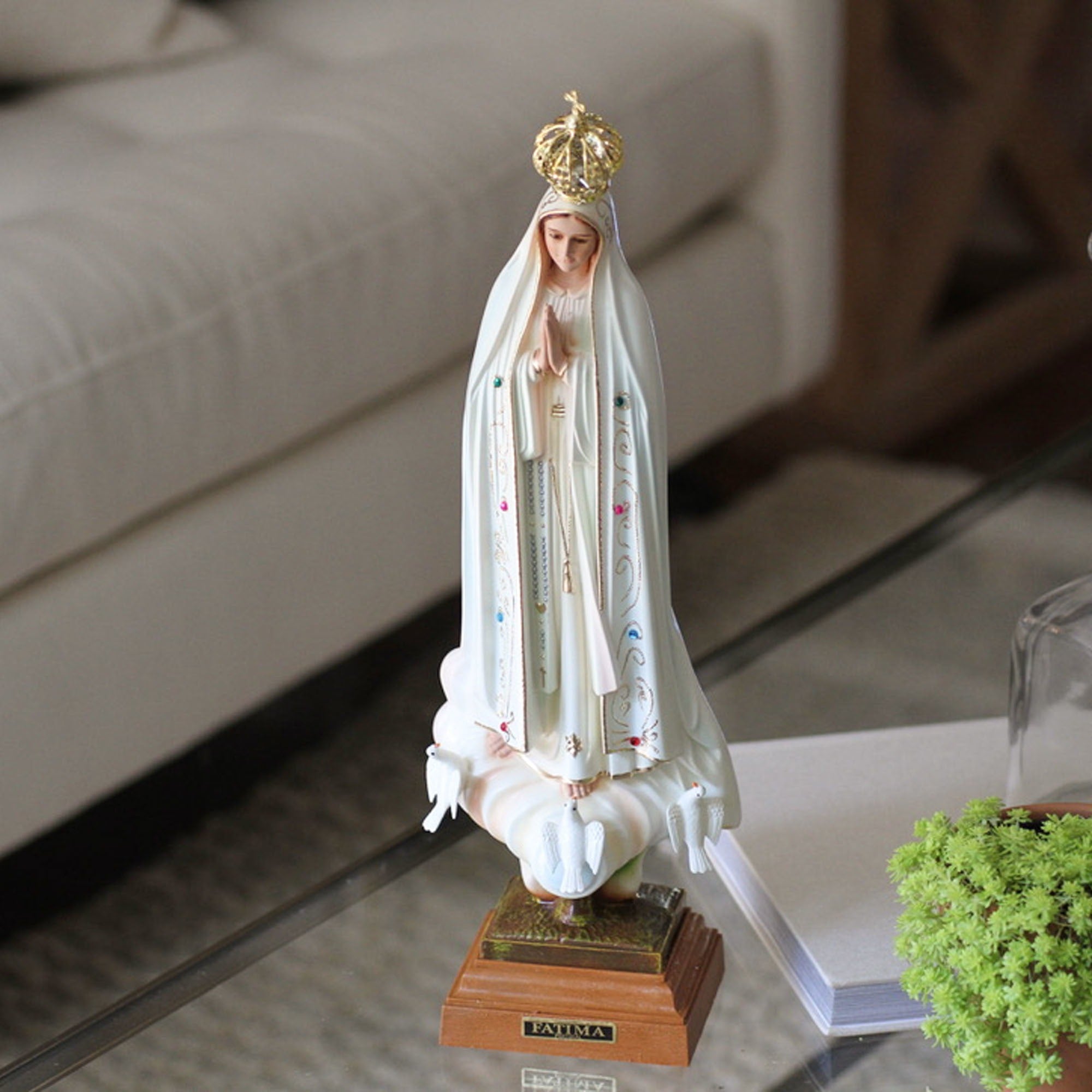
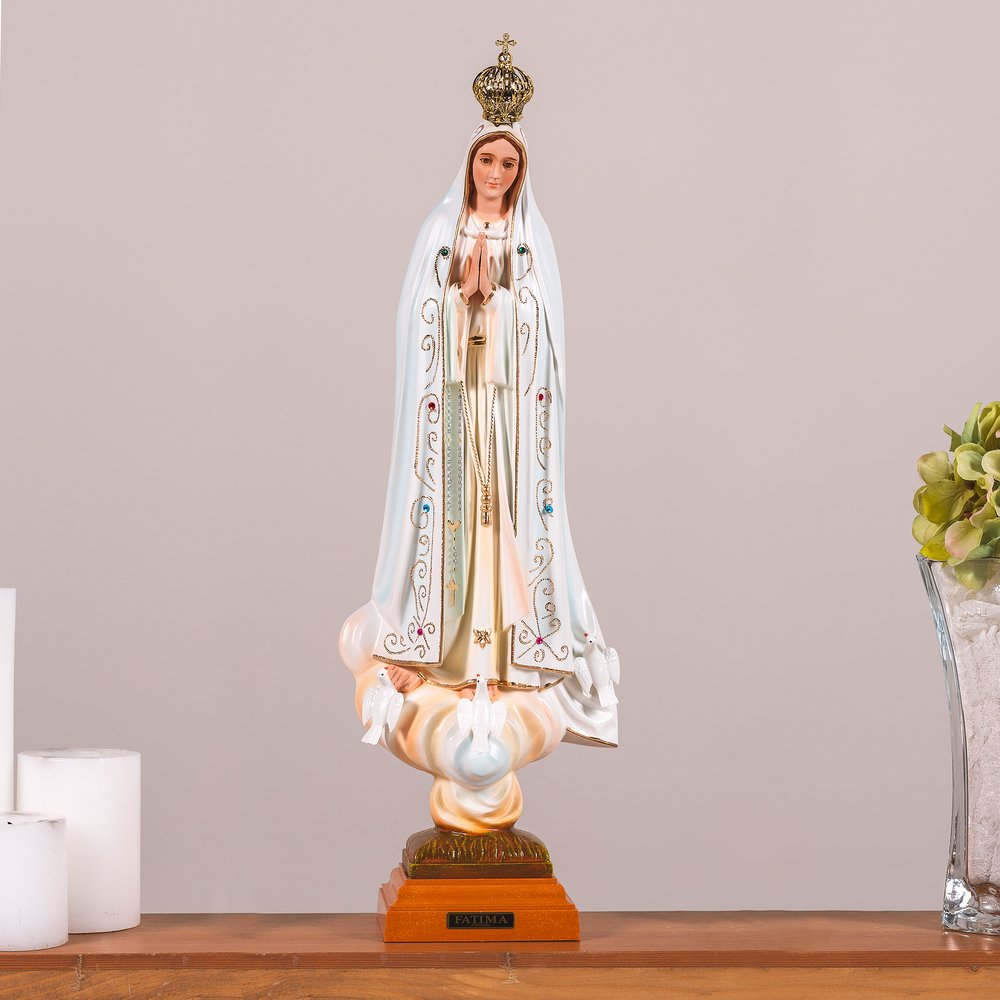
Christ entered ordinary human life. And Catholic sacramentals continually bring us back to the reality that our kitchens, bedrooms, front doors, dinner tables, and family rooms belong to Him too.
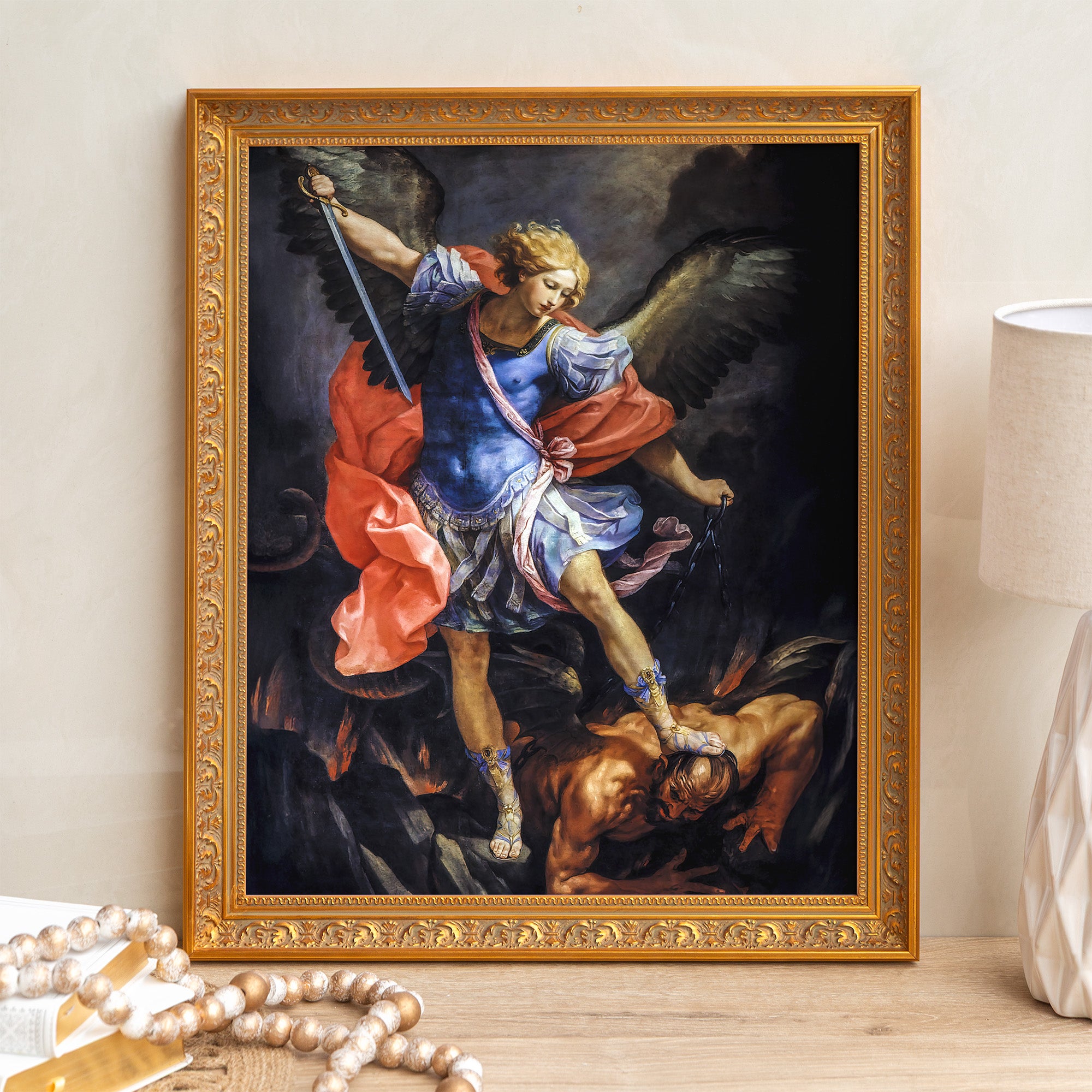
 Home blessings are also meant to protect us. The Church's prayers ask for God's protection and invoke Christ's authority over evil.
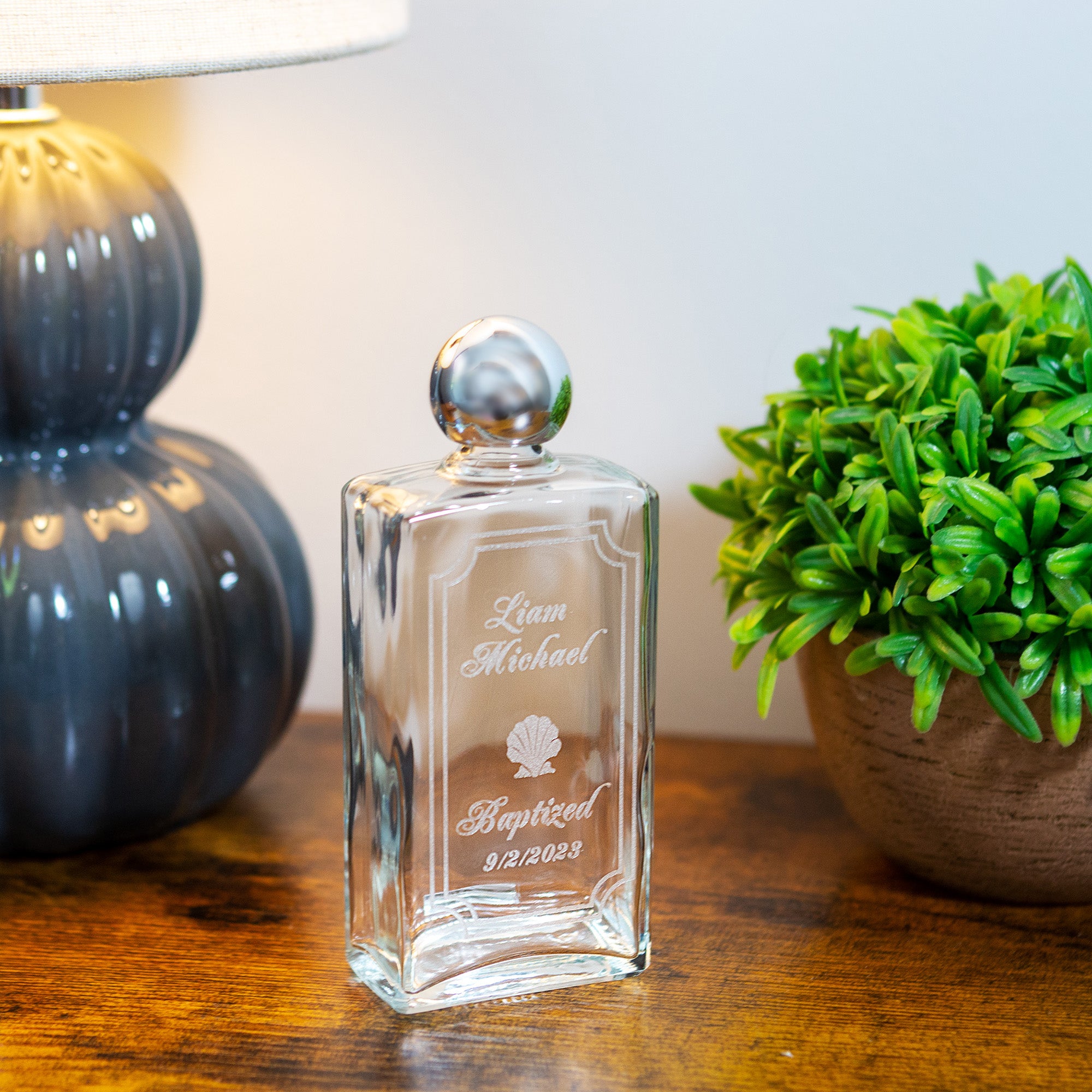
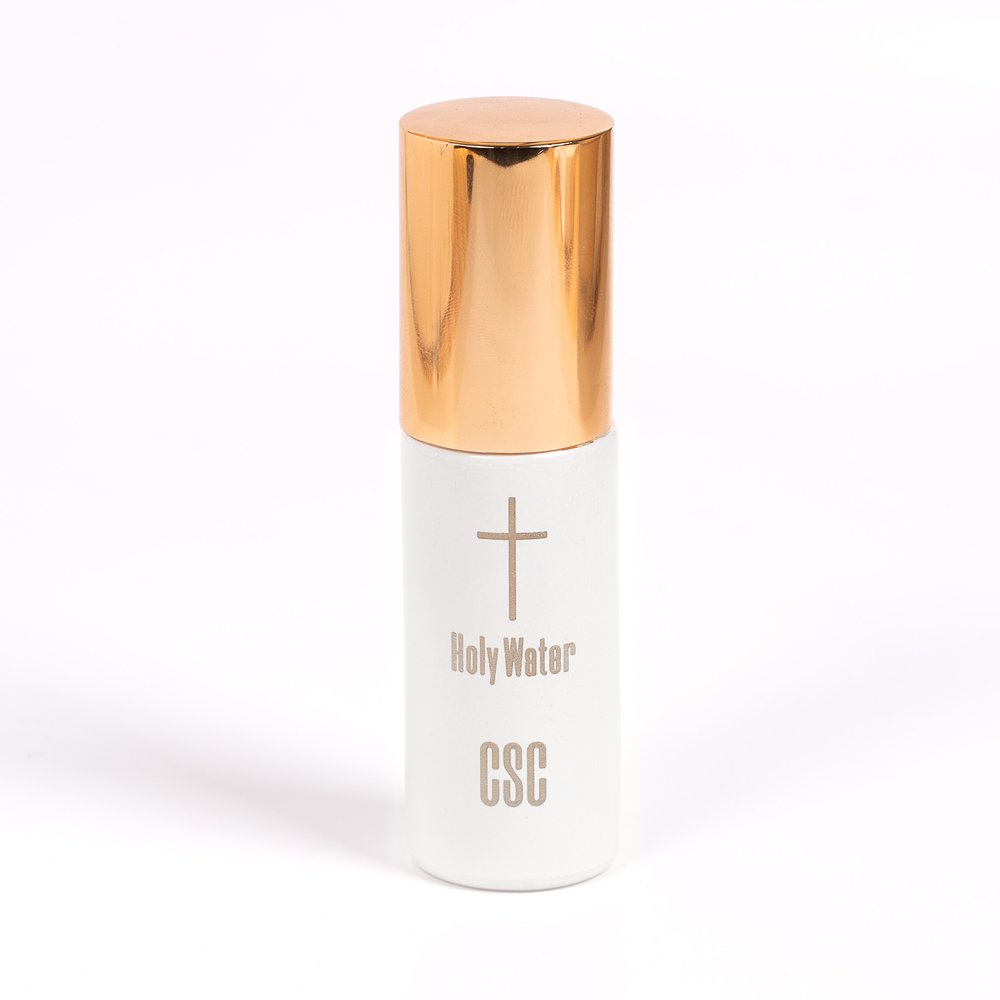
Holy water has long been used in the blessing of homes. St. Teresa of Avila famously wrote of holy water:
“From long experience I have learned that there is nothing like holy water to put devils to flight and prevent them from coming back again.”
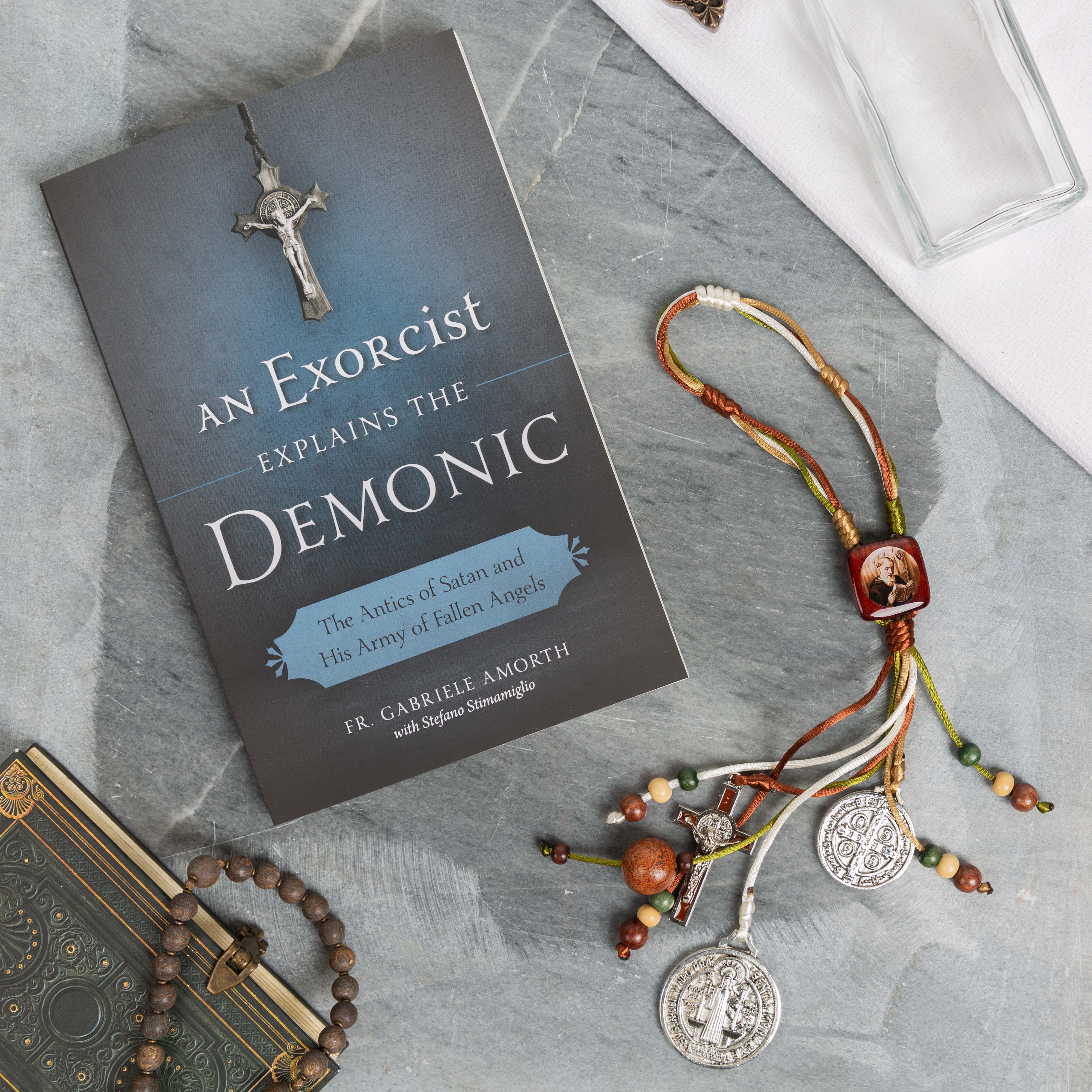
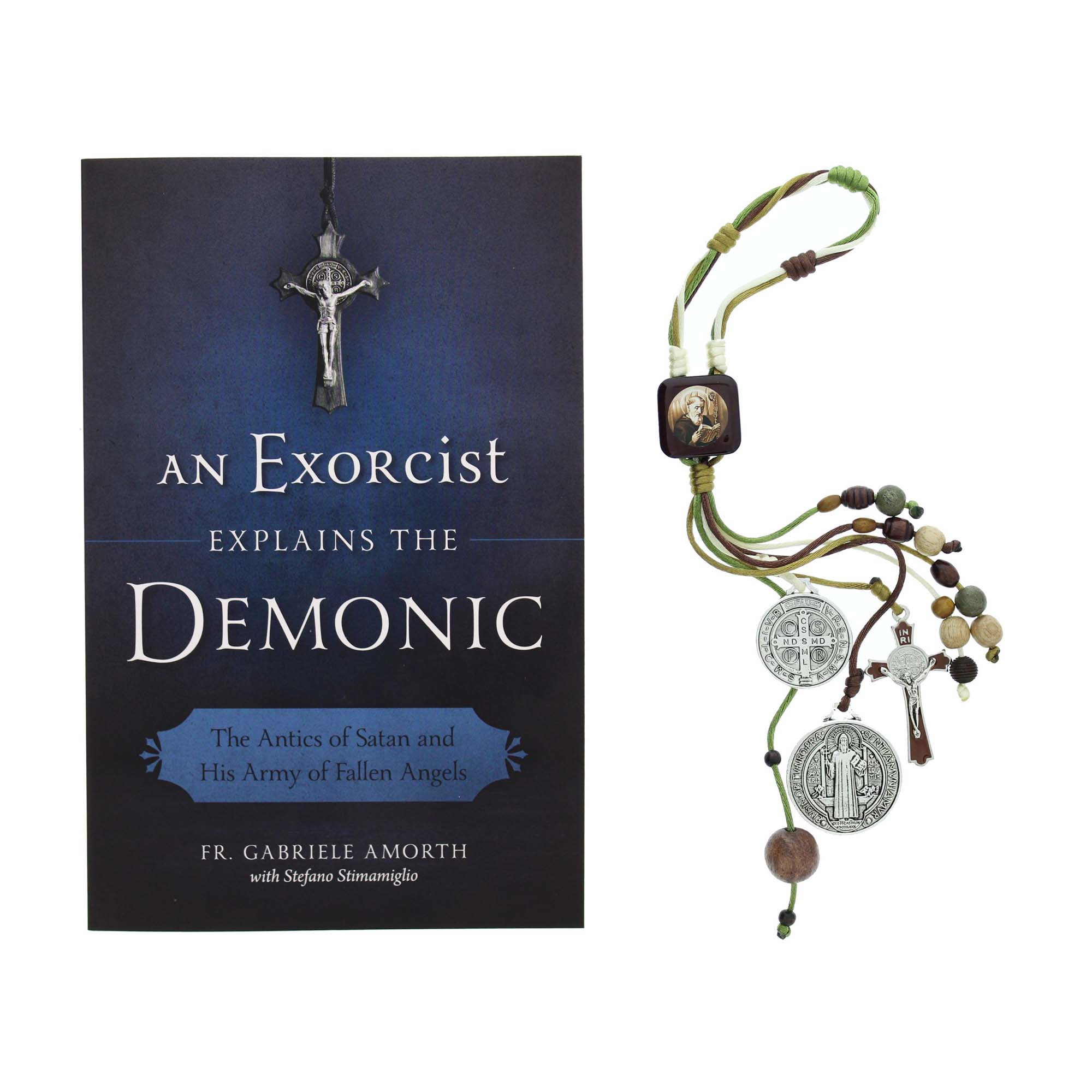
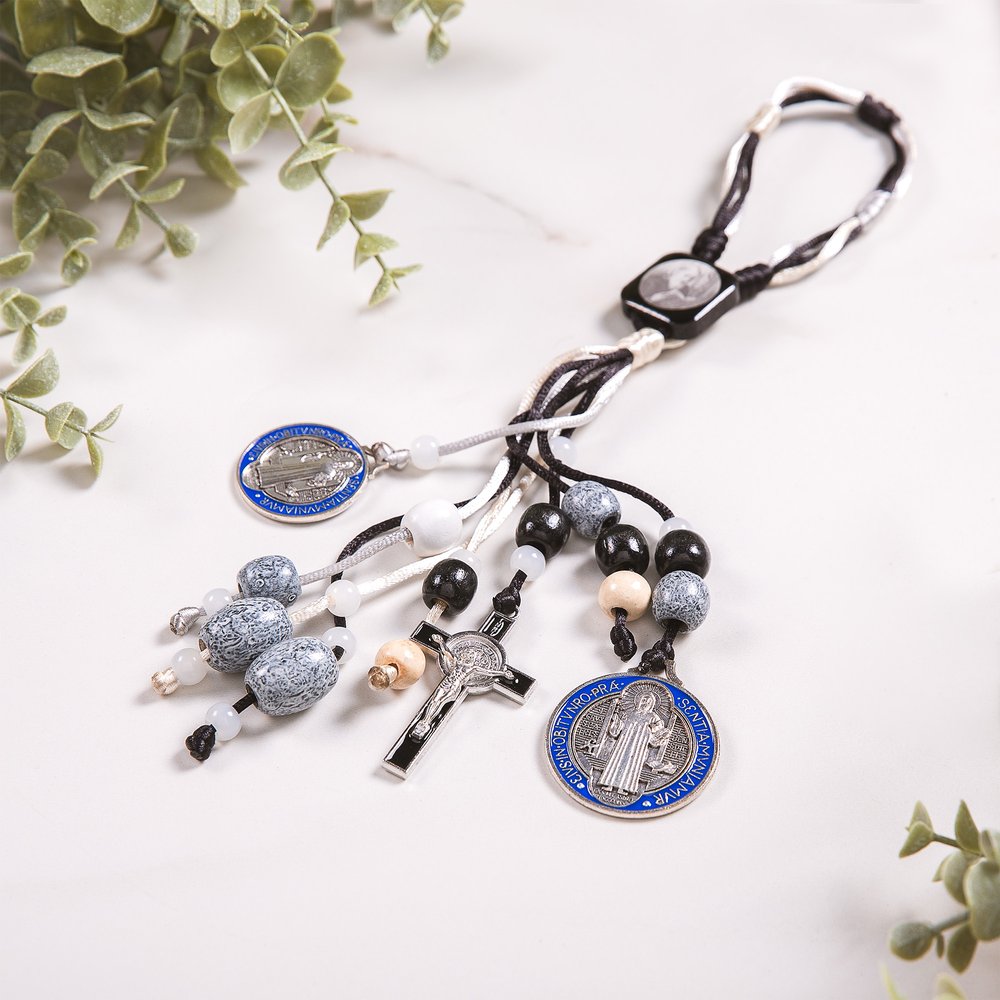
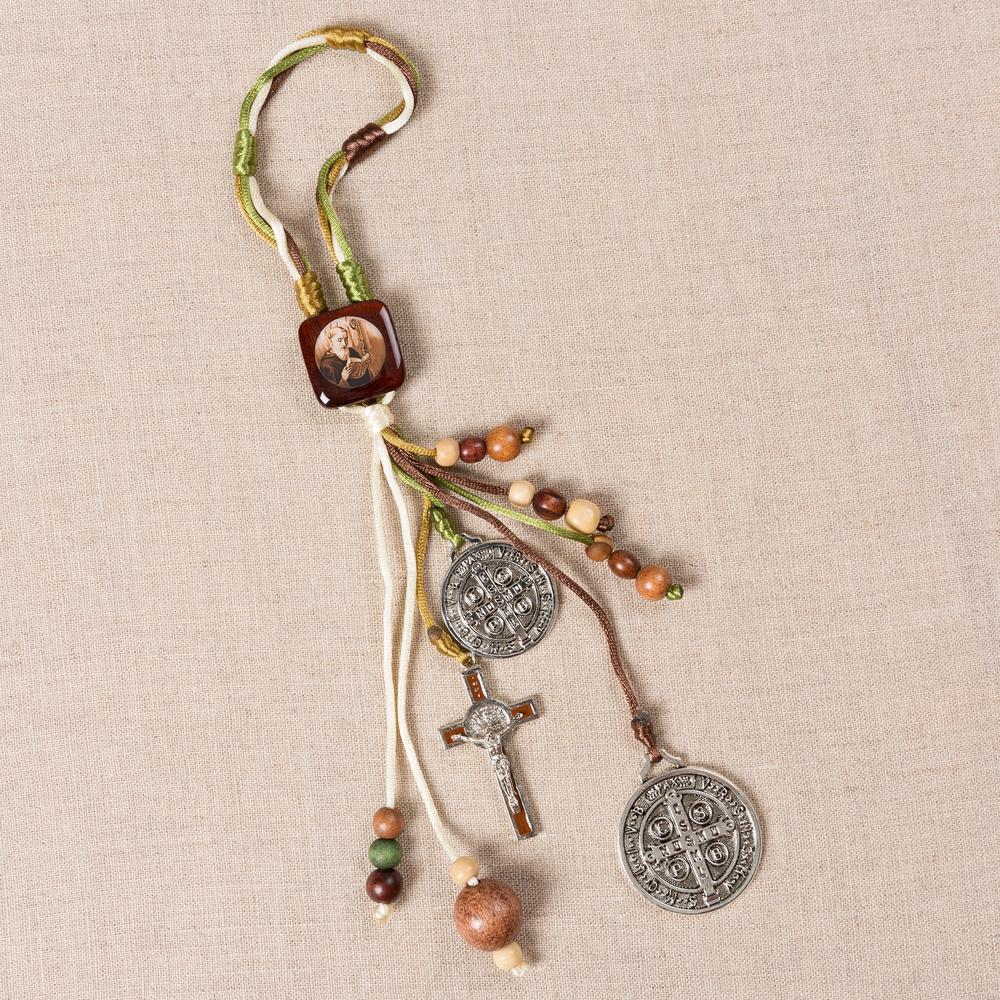
The St. Benedict Medal has also traditionally been placed in homes. The medal contains prayers centered upon the Cross of Christ and the rejection of evil, including the famous inscription Crux sacra sit mihi lux: “May the Holy Cross be my light.”
The purpose of using a blessed St. Benedict Medal in the home is to invoke God's blessing and protection, particularly through the intercession of St. Benedict, who fought the devil in his lifetime and so is called upon for intercessory help.
The Medal of St. Benedict is based on this tradition of the saint's power over the wiles of the Devil. To understand why this medal carries such spiritual weight, read about why the St. Benedict medal is considered so powerful.
It also becomes what might be called a “silent prayer,” like a crucifix or statue, continually reminding those who see it to whom the home belongs. Again, none of this should be understood superstitiously. A blessed medal is not a spiritual security system, and holy water isn't a magic potion. As Fr. Dan Reehil says, "It all goes back to faith. If you don’t have any faith, these things aren’t going to work.”
You can bless your own home at any time. The popular time is the Feast of the Epiphany, when families can follow the beautiful tradition of blessing the home and marking the doorway with blessed chalk:
20 + C + M + B + 26
The letters traditionally recall Caspar, Melchior, and Balthasar, the names given to the three Magi. They also stand for the Latin Christus mansionem benedicat: “May Christ bless this house.”
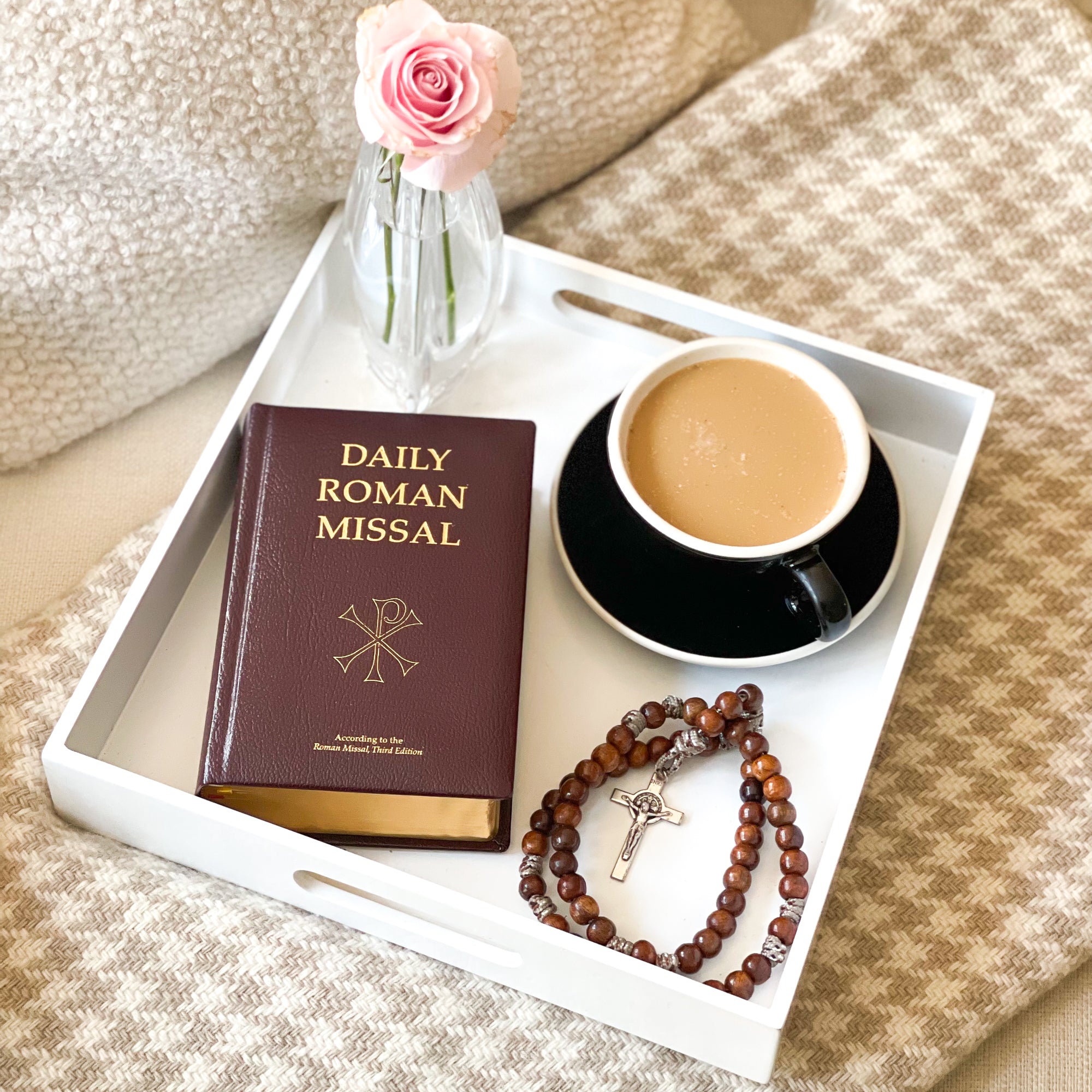
You can also use a prayer book to find a home blessing.
But having a priest formally bless your home is encouraged as well. The Catechism explains that while laypeople may preside at certain blessings, the more a blessing concerns the Church's sacramental life, the more its administration belongs to ordained ministry.
Prayer should be a regular part of life in a home. Even something as simple as lighting a candle can become an occasion to stop and pray for the people who live beneath our roof.
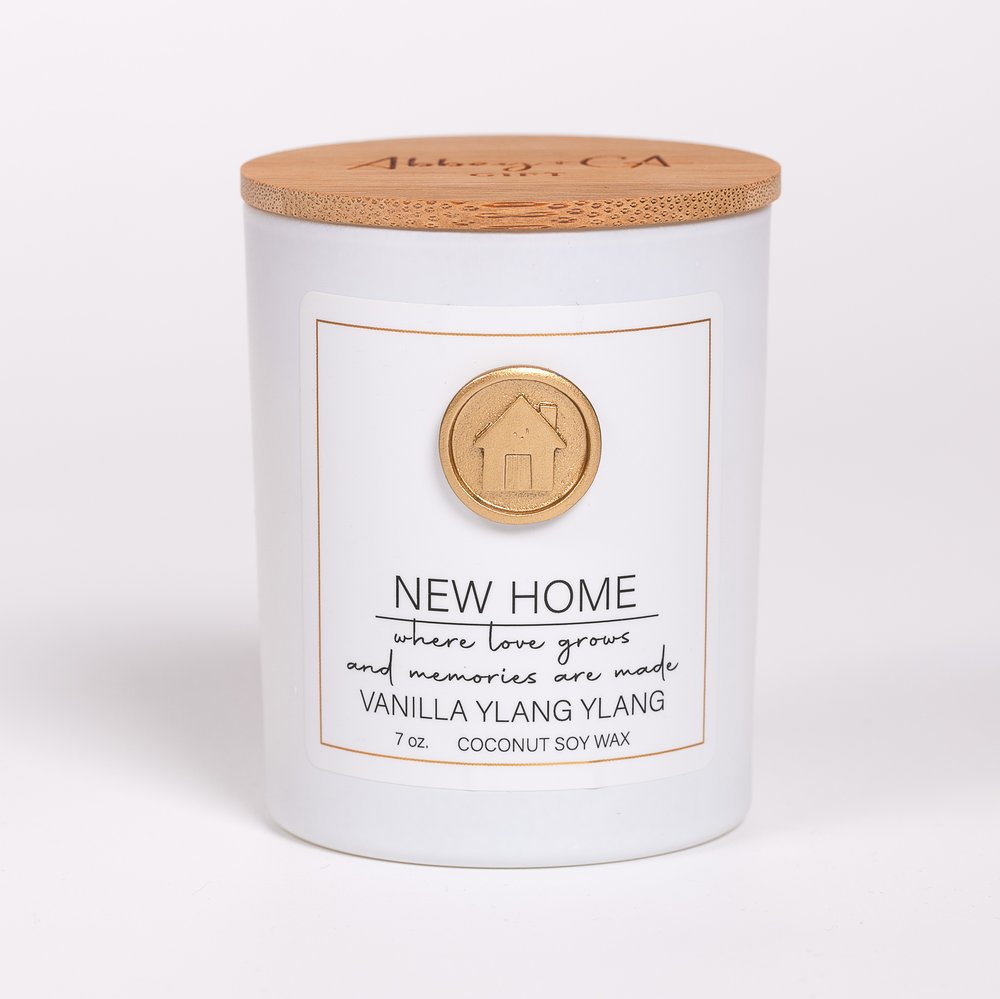
The New Home Blessing Candle was created for precisely that kind of moment. Its prayer asks God's blessing upon the home and the people who will live there, making it a meaningful housewarming gift or a beautiful reminder in your own home. Find yours today at The Catholic Company!