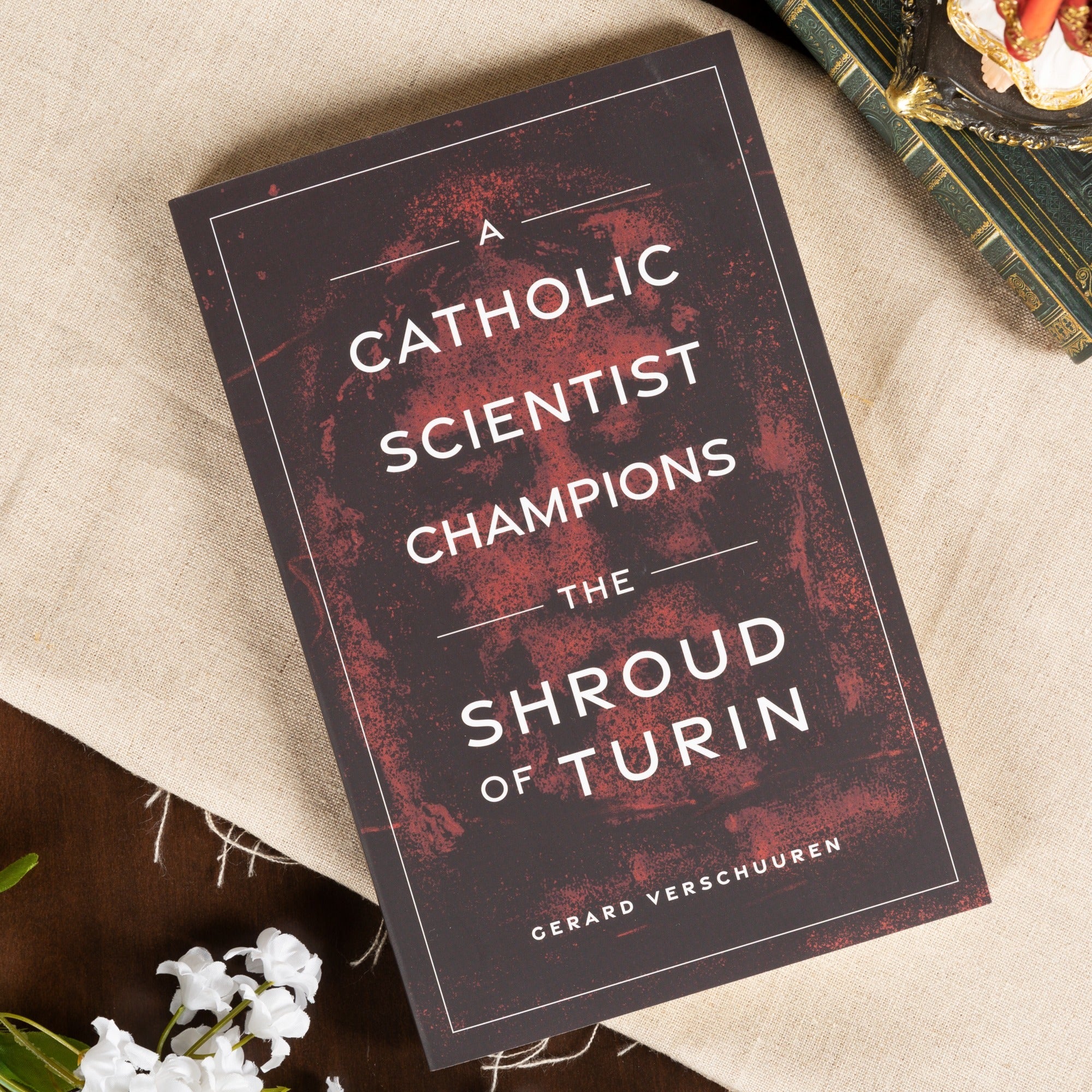
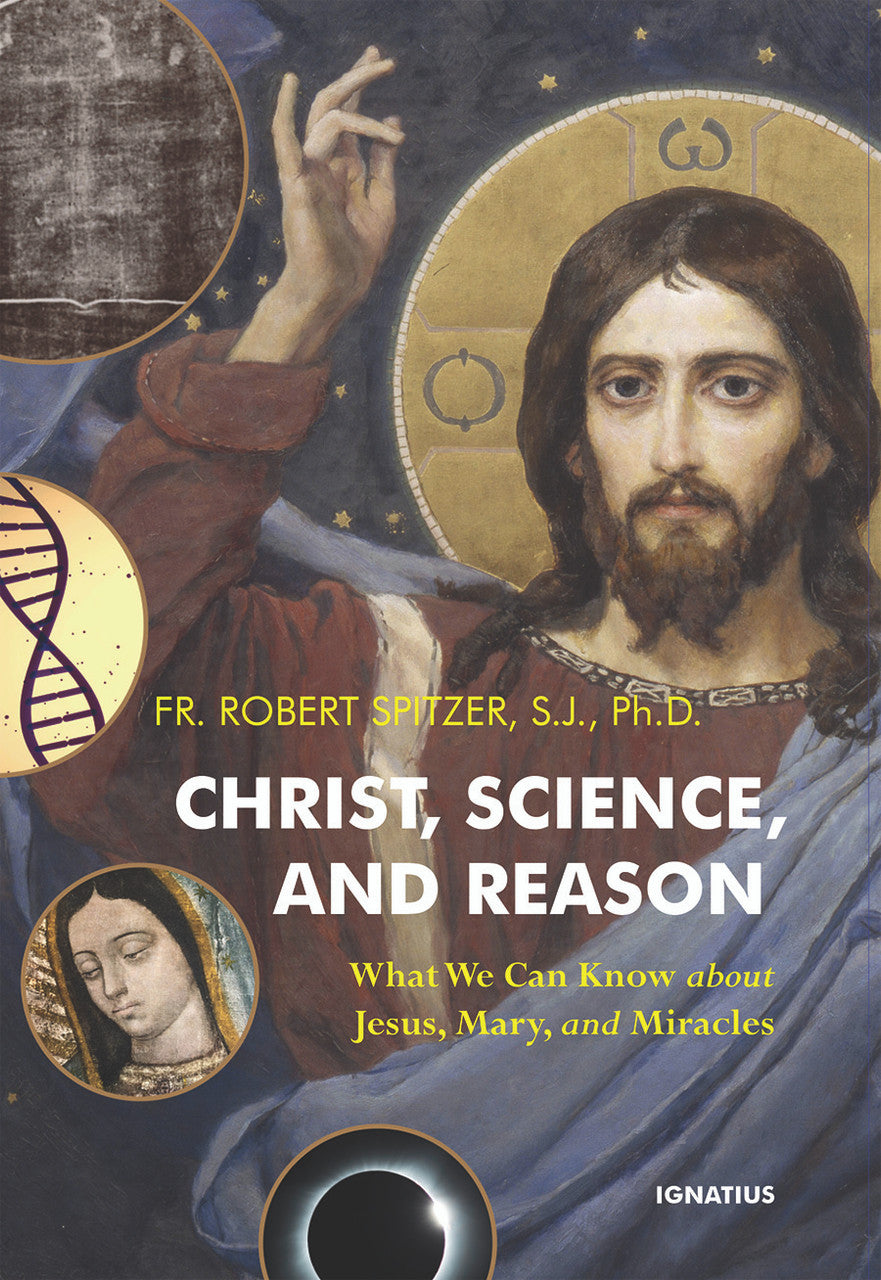
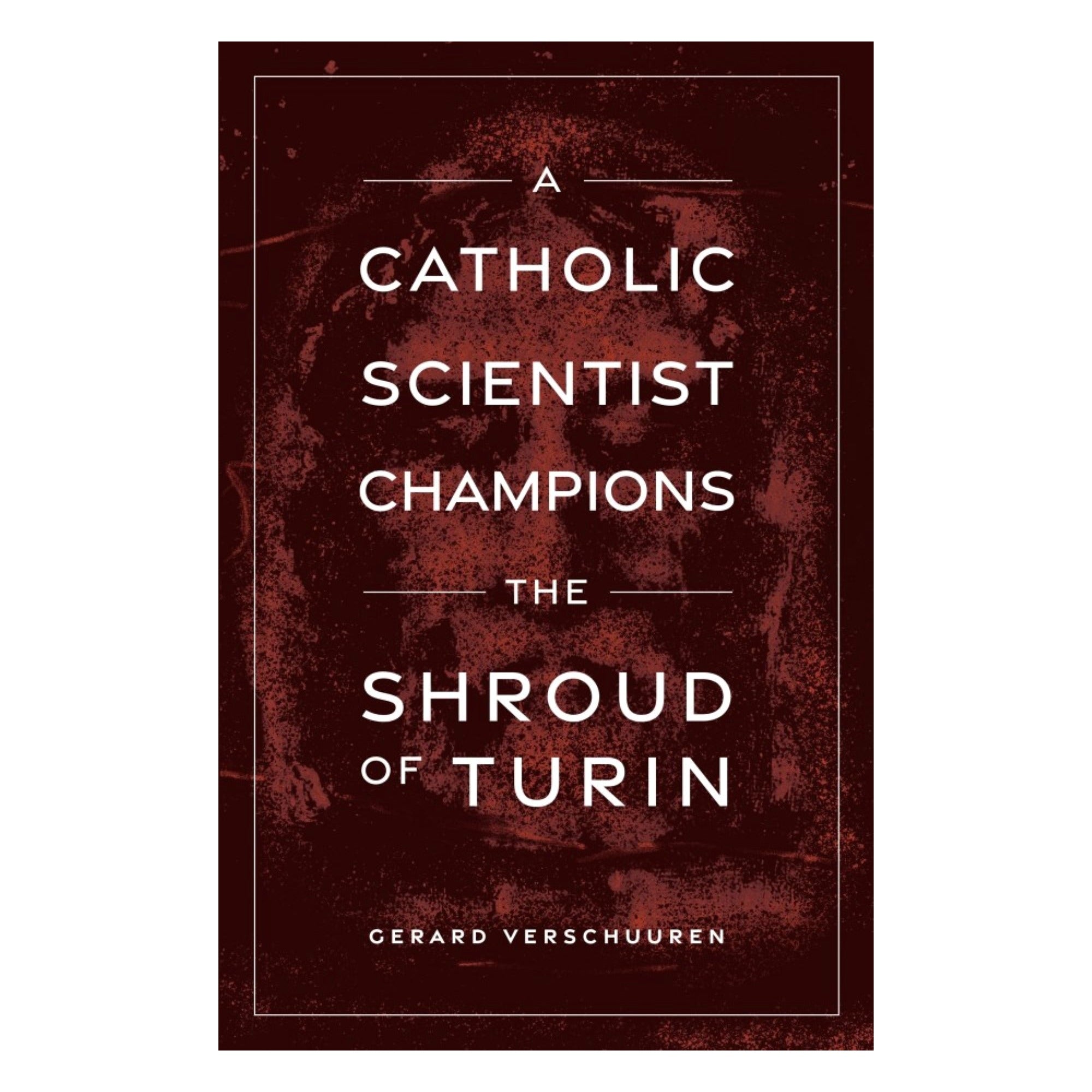
Most people look at the Shroud of Turin and go straight to the face.
That makes sense. We all want to know: Is this what Jesus looked like?
But researchers who have studied the Shroud for decades often say the most unsettling part is not the face at all.
It’s the wounds.
The Shroud shows over one hundred distinct scourge wounds covering the body — front and back — consistent with Roman flagellation. The wounds are not random. They match the pattern of a Roman flagrum, a whip fitted with metal or bone fragments designed to tear flesh.
The Gospels tell us simply: “Then Pilate took Jesus and scourged him” (John 19:1).
One sentence.
The Shroud suggests what that sentence cost.

Medical experts who have studied the image note that the wounds appear in pairs, as though delivered by two soldiers standing on either side. The blows are angled differently, consistent with trained executioners. The severity suggests someone scourged nearly to death before crucifixion.
Isaiah prophesied centuries earlier:
“But he was wounded for our transgressions, he was bruised for our iniquities; upon him was the chastisement that made us whole, and with his stripes we are healed.” (Isaiah 53:5)
“With his stripes.”
The Shroud does not argue. It does not preach. It simply shows stripes.
Yet even amid all the wounds, there is one aspect that has captured the devotion of pilgrims for centuries: the face.
The face that appears on the Shroud is not only haunting; it is intimate. It reveals a human being who suffered deeply, yet whose eyes seem somehow open to mercy. It reminds us that the Passion was not only physical horror. It was humiliation, spiritual loneliness, abandonment — and love.
This focus on the Holy Face is not new.
Long before the Shroud became widely studied by science and technology, the early Church venerated the Holy Face of Christ through tradition and sacred art. The story of Veronica wiping Jesus’ face on the way to Calvary and the imprint left on her veil became one of the oldest devotions connected to Christ’s Passion. That moment is remembered in the Sixth Station of the Cross, where Veronica reached out in compassion to the suffering Savior.
The gaze of Christ’s face ... sacred, wounded, human, divine ... has become a powerful object of reparation and prayer for countless Christians. The Church does not require belief in any particular relic, but the devotion to the Holy Face expresses a deeper truth: Christ’s wounds are not only marks of suffering, but invitations to love.
In fact, Pope Benedict XVI once described the Shroud carefully as “an icon written in blood… the blood of a man flagellated, crowned with thorns, crucified and wounded on his right side.”
An icon.
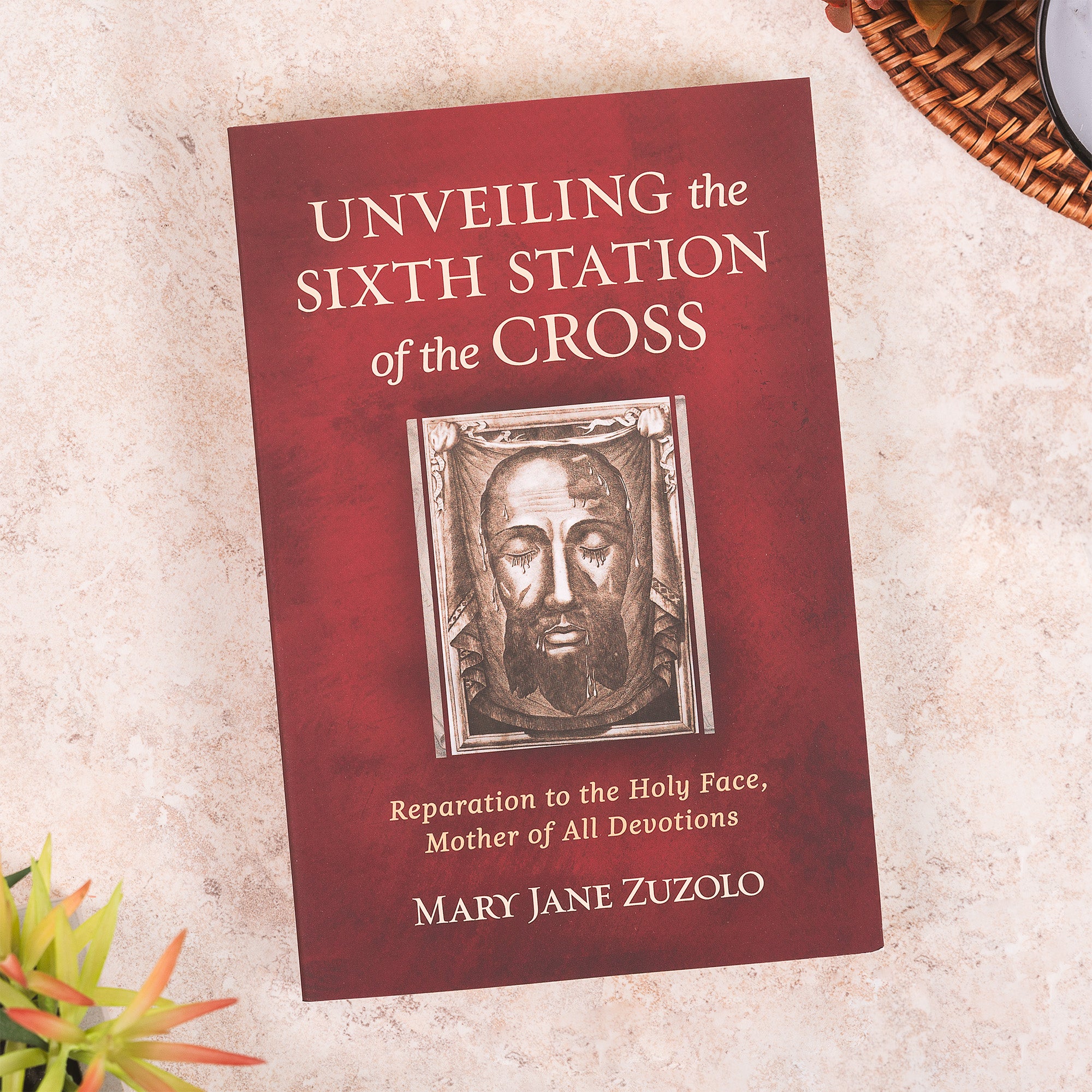
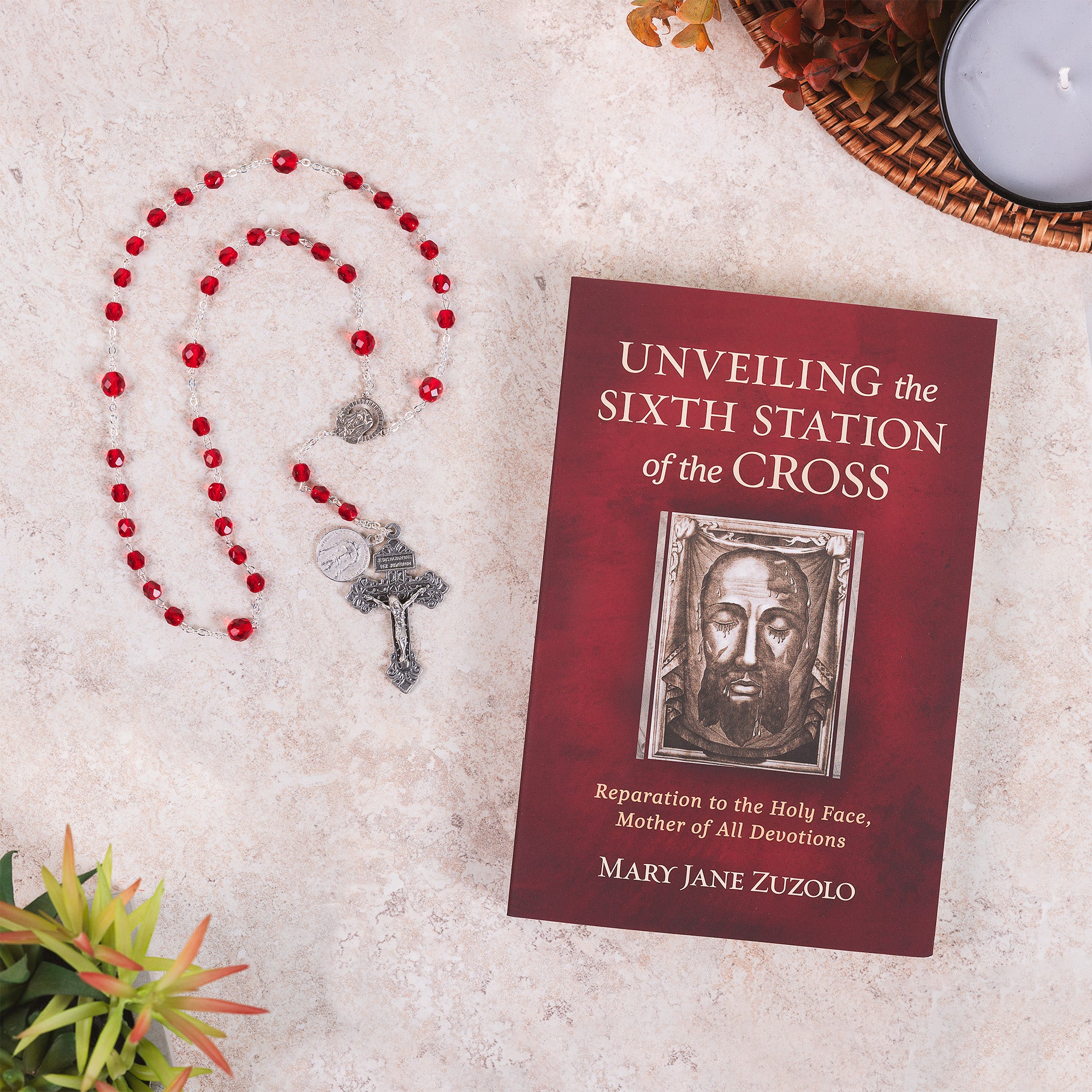
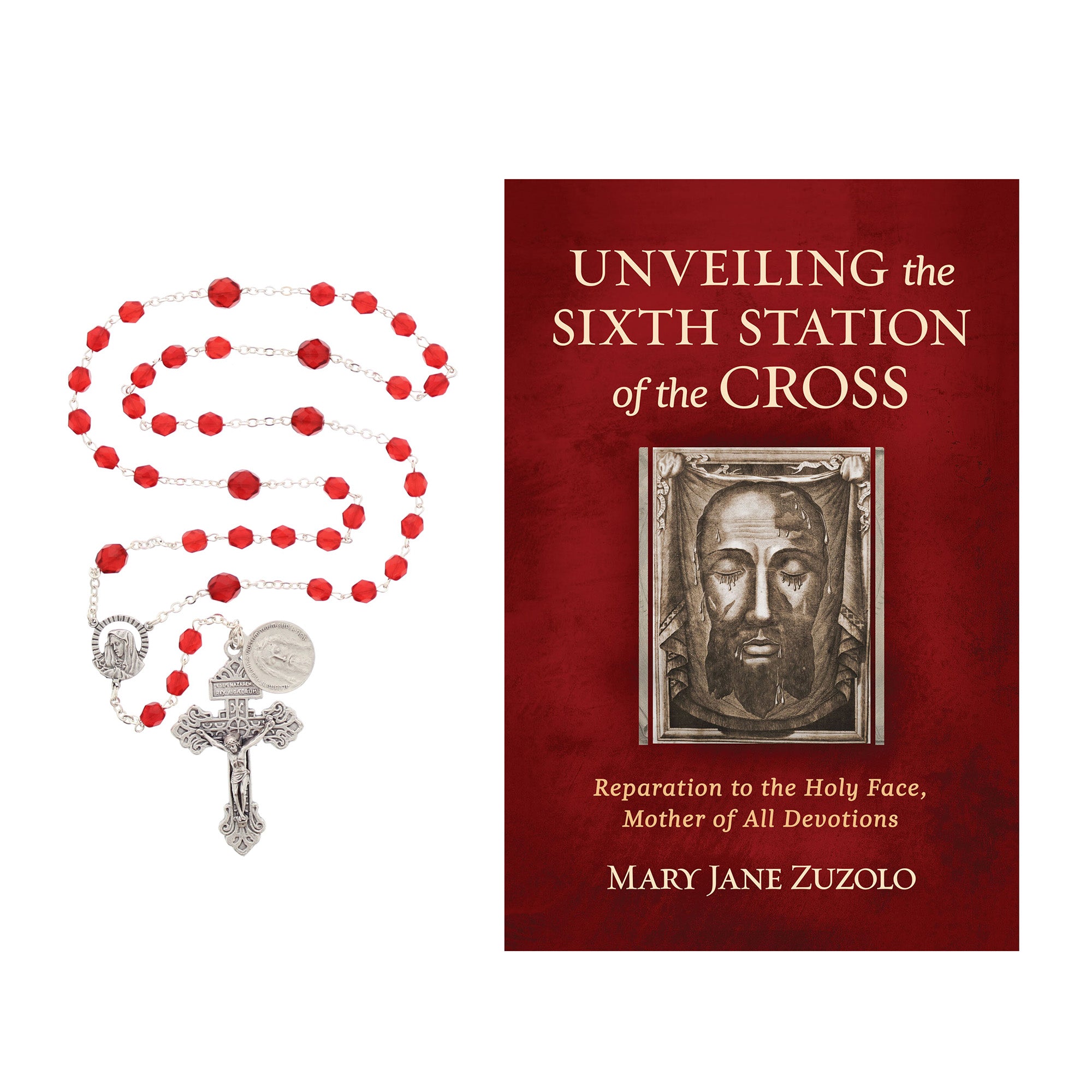
This is where Unveiling the Sixth Station of the Cross: Reparation to the Holy Face becomes a fitting companion to reflection on the Shroud.
Rather than asking, Is it authentic? This resource invites you to meditate on why the Holy Face matters to your prayer and your interior life. It places the devotion of the Holy Face in the context of reparation, mercy, and Christ’s gaze turned toward you even in suffering. The Holy Face calls us deeper than curiosity alone. It guides us toward a prayerful encounter.
Find yours today at The Catholic Company!