















No matter how excited and determined we are as Lent starts, the high of Ash Wednesday can start to slide away as the reality of the next several weeks sets in.
“I have to go without candy until Easter?”
“I need to keep up this new prayer routine for 35 more days?”
One question probably continues to pop up: “Why is Lent so long?”
Why is it 40 days? Why not 30? Why not a week?
The answer lies deep in Scripture, where the number 40 appears again and again at pivotal moments of trial, testing, and transformation.
 In the Bible, 40 is the number of preparation before something new. It marks a period of purification before renewal, of struggle before mission, of surrender before promise. Lent follows this ancient pattern.
One of the earliest and most dramatic examples is the flood in Genesis. Rain fell for 40 days and 40 nights upon the earth. At first glance, this seems only like destruction. But the flood was also a cleansing. Corruption and violence had overtaken humanity, and through those 40 days the world was washed clean. When the waters receded, God established a covenant with Noah; and thus a new beginning emerged from this time of trial! The key here is that the 40 days were not meaningless suffering; they were preparation for renewal.
We see the same pattern in the story of Israel’s 40 years in the desert. After God freed His people from slavery in Egypt, they did not immediately enter the Promised Land. Instead, they wandered. The desert was a place of testing. Hunger exposed their complaints. Thirst revealed their fears. Hardship uncovered their longing to return to slavery rather than trust God. Yet it was in the wilderness that they learned dependence. God fed them with manna from heaven and water from the rock. He formed them into a people who knew His law and relied on His providence. The desert stripped away false security and shaped them into a nation ready to receive the promise. Forty years transformed former slaves into God’s covenant people, fully prepared and on fire to do His will.
Then we come to Our Lord Himself.
Before beginning His public ministry, Jesus fasted for 40 days in the wilderness. There, He faced temptation from the devil. He experienced hunger and isolation. Where Israel had failed in the desert, Christ remained faithful. He resisted the temptation to turn stones into bread, to test God, to grasp earthly power. After those 40 days of preparation through self-denial and union with the Father, He emerged ready to proclaim the Kingdom. His ministry was prepared in silence and sacrifice.
Other biblical moments echo the same meaning. Moses spent 40 days on Mount Sinai before receiving the Law. The prophet Jonah warned Nineveh that it had 40 days to repent before destruction. Again and again, 40 marks a merciful space: time to be purified, time to turn back, time to prepare for what God is about to do next.
This is why Lent lasts 40 days. The Church is not being arbitrary, but deliberately placing us within a biblical rhythm.
If Lent were only a few days, we might grit our teeth and power through. 40 days, though, is a long time…long enough to stretch us, to expose our attachments, and to reveal how much we rely on comforts instead of God.
But 40 days require something deeper than willpower. They require surrender. Over time, fasting begins to uncover what controls us. Extra prayer reveals how distracted we are. Acts of charity challenge our self-protection.
The number 40 tells us that trial is not pointless. It is purposeful. In Scripture, 40 never stands alone. After 40 comes renewal. After the flood comes the covenant. After the desert comes the Promised Land. After Christ’s 40 days comes the proclamation of the Gospel. And after Lent comes Easter.
When the days feel long, remember: this is what 40 does. It clears away what is unnecessary and readies the heart for resurrection!
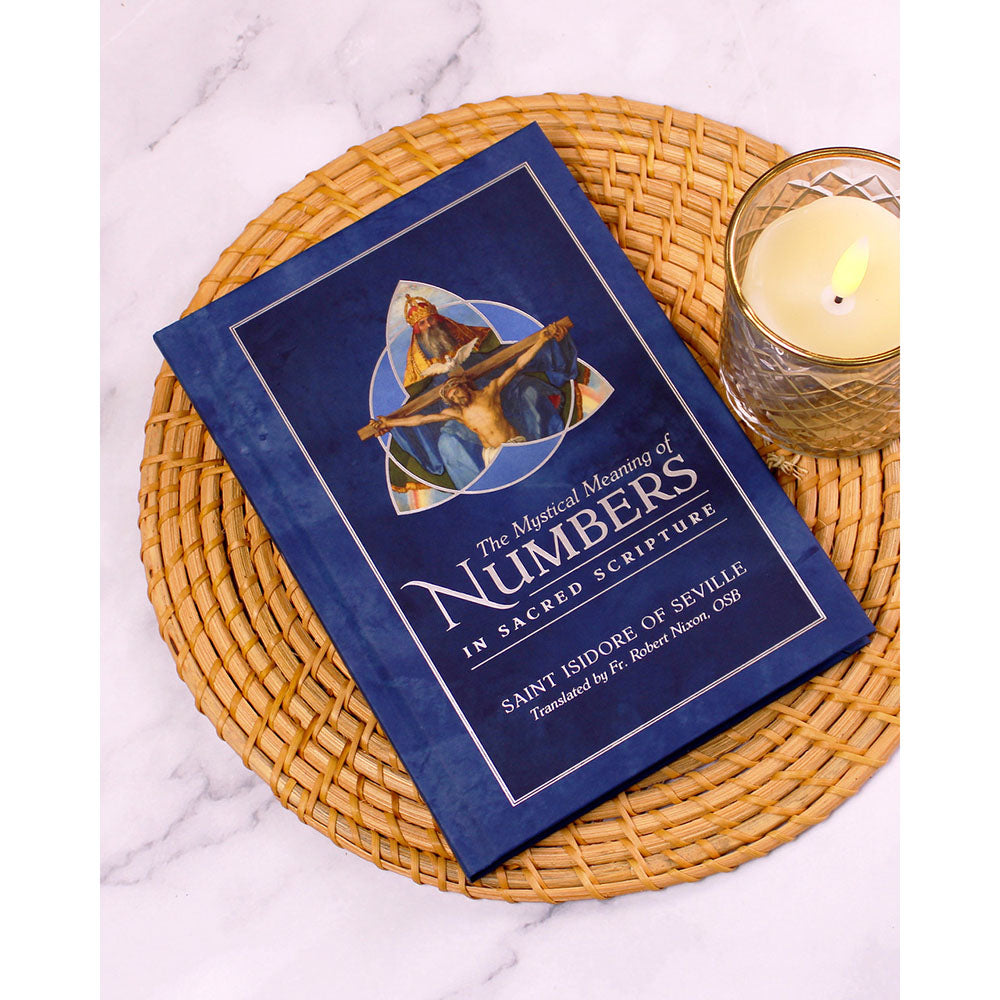
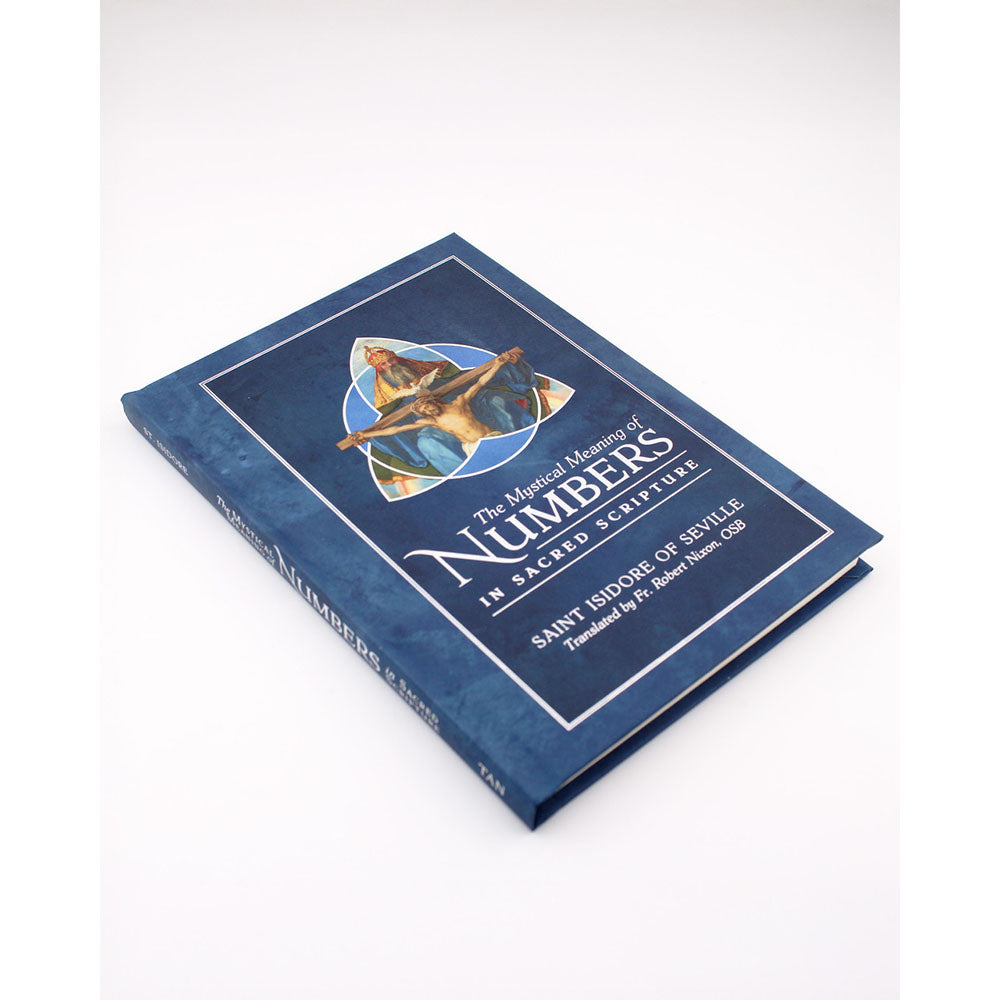
The crazy part is: the significance of numbers in Sacred Scripture doesn’t stop at 40. It runs throughout the Bible! Discover far more with The Mystical Meaning of Numbers in Sacred Scripture. Far more than simple counts, the numbers used by sacred authors serve as signs of divine order, theological truth, and spiritual mystery. In this early medieval treatise, St. Isidore explains how biblical numerology opens a deeper understanding of God’s design woven throughout salvation history. Get yours now at The Catholic Company!