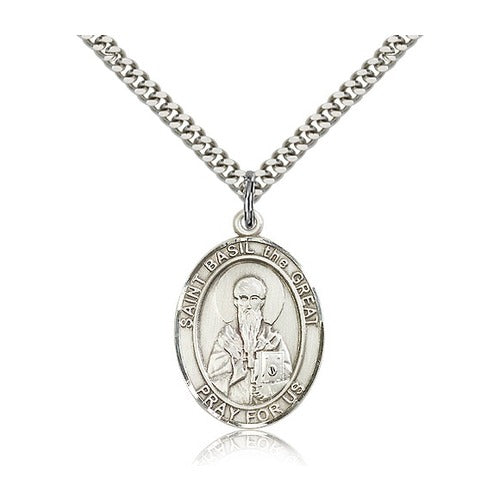
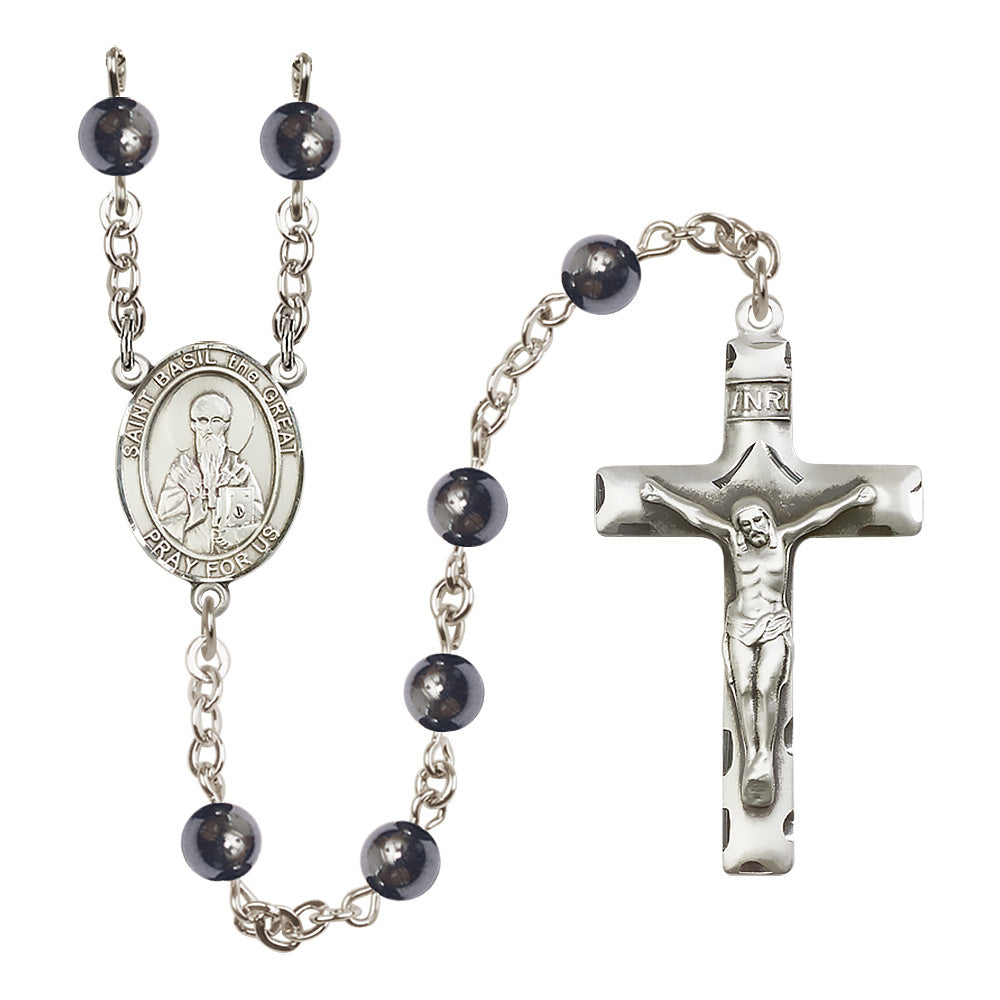
When we hear “St. Basil the Great,” we might picture solemn councils and deep theology. But beneath the titles and writings was a man with a heart for God’s people, a fierce defender of orthodoxy, and a pioneer in caring for the poor.
Basil was born in 330 in what is today Turkey, into a family of saints and scholars. From an early age he sought after Christ, and his life became a blend of prayerful solitude and active service. He became a monk, then a bishop, but never forgot the roots of his calling: to lead others to Christ through both word and deed.
One of the most famous stories about St. Basil reveals what made him truly great.
During his time as bishop of Caesarea, a severe famine struck the region. Food was scarce and panic was rising. Seeing his flock suffer, Basil opened the doors of the Church’s storehouses and distributed grain freely. Not long after, a caravan arrived unexpectedly from Alexandria with a large supply of grain.
When Basil was asked if he had telegraphed for help, he smiled and responded simply: “No. But God did.”
This moment became the hallmark of his legacy. Rather than hoard resources in fear, he gave what he had, trusting in God’s providence. In Basil’s own words,
“A poor man’s life is like a precious vessel in God’s sight; take care not to despise him.”
This was not an idealistic sentiment. It was lived theology... practical, painful, and powerful.
Basil’s influence wasn’t limited to charity. He was a brilliant theologian who helped shape the Church’s understanding of the Holy Trinity at a time when it was under attack. His writings defended the divinity of the Holy Spirit and clarified the relationship between Father, Son, and Spirit — teachings that remain cornerstones of Catholic doctrine today.
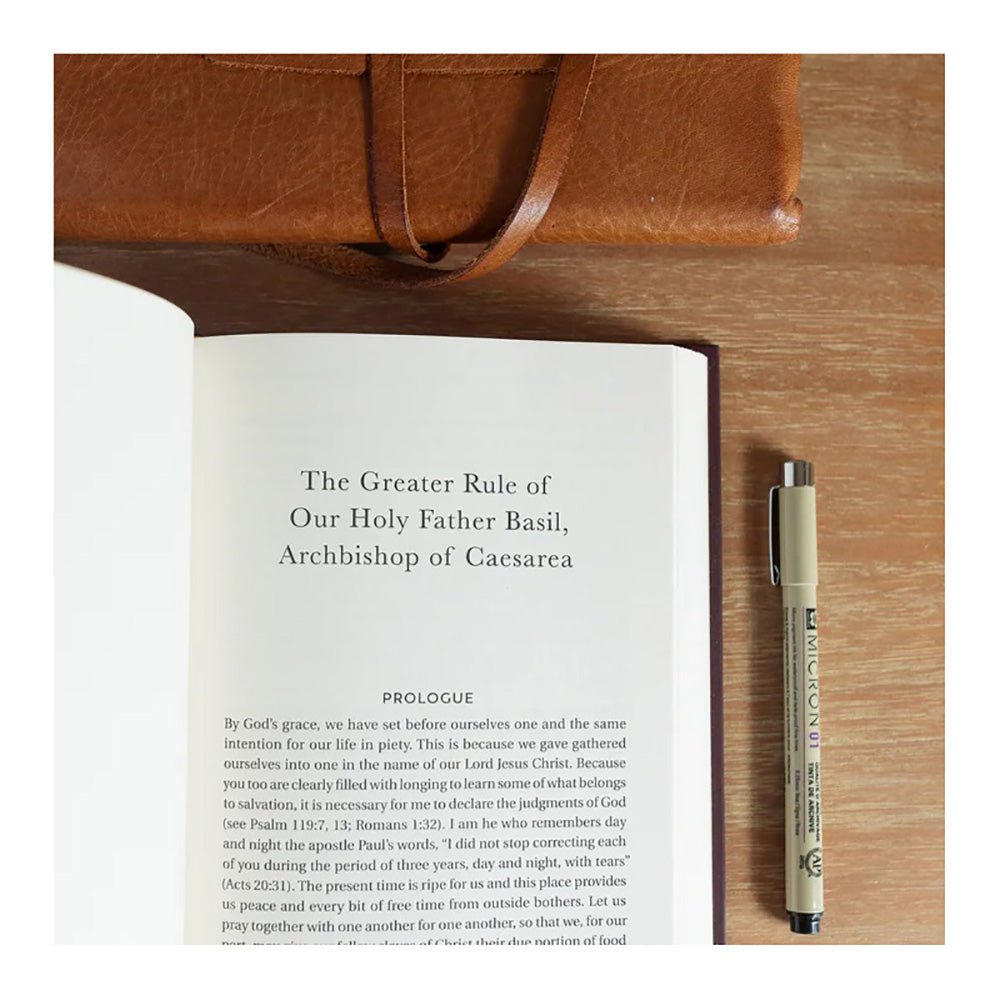
He also knew that prayer without care for neighbor is incomplete. Basil wrote the first monastic rule in the East, combining contemplative prayer with community life and service. His vision helped shape monastic life that would spread throughout Christianity.

What We Can Learn from St. Basil
St. Basil teaches us that holiness is not only found in the quiet of a monastery or the neatness of doctrine, but out in the messy reality of human need. He reminds us that theology without mercy is dry, and mercy without thought is incomplete. True discipleship involves head and heart, prayer and action.
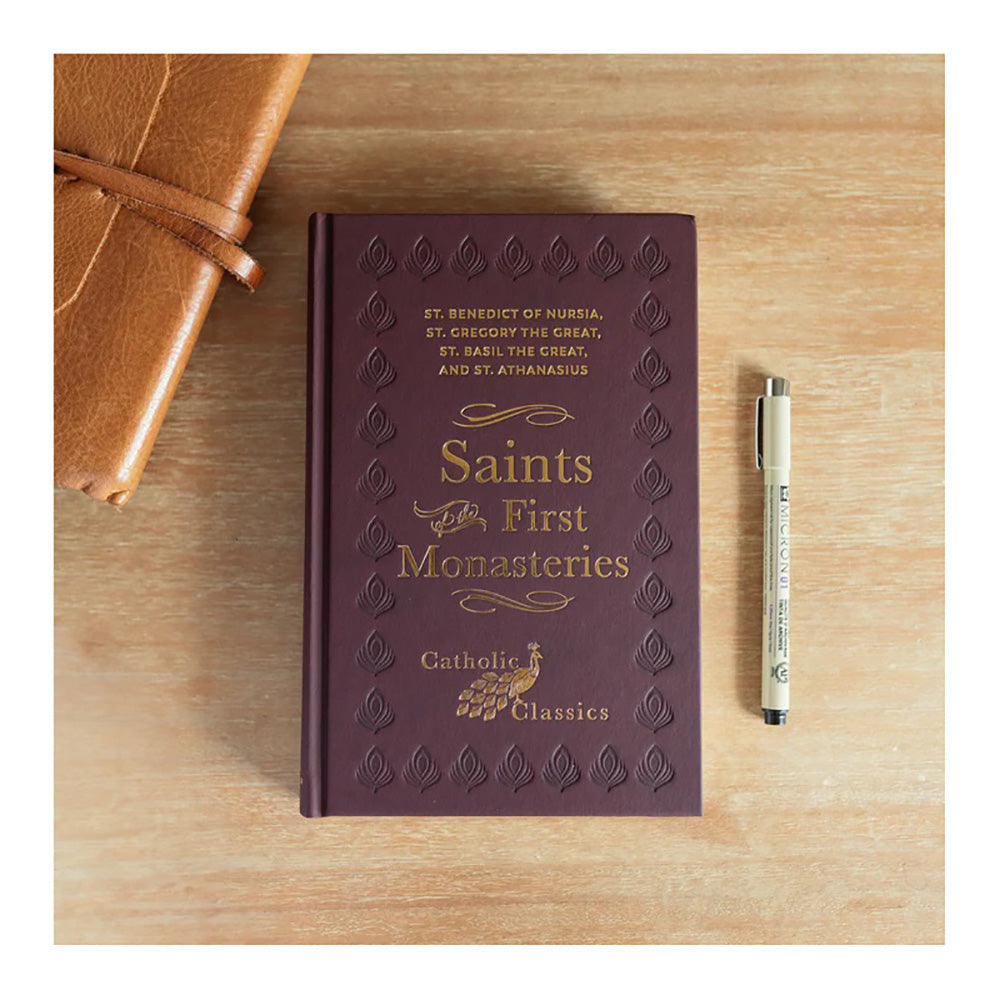
If the life of St. Basil inspires you, Saints of the First Monasteries is a beautiful way to explore the men and women who laid the foundations of Christian monastic life. These early saints, like Basil, pursued God in community, solitude, and service — reminding us that the search for holiness is both personal and shared.
This Catholic Classics volume offers rich stories from the early centuries of the Church, grounding ancient wisdom in everyday life. Whether you’re drawn to prayer, service, or simply learning from the giants of the faith, this book makes their witness accessible and inspiring.
Order your copy today from The Catholic Company — and let the roots of our tradition deepen your own walk with Christ.