Heaven is the deepest hope written into every human heart. Long before we had theologians or catechisms, humanity sensed that earth was not our final dwelling place. The longing for something more, something eternal, is built into us by the God who made us.
But if that longing is real, what exactly will heaven be like? Is it a place? A state of being? A reunion? A crowd? A solitude? These questions have shaped Christian reflection for two millennia.
Scripture is our first guide.
Jesus said of himself, “I go to prepare a place for you… that where I am you may be also” (John 14:2–3). He also promised that the saints “will shine like the brightness of the sky forever and ever” (Daniel 12:3). The Book of Revelation gives glimpses of heaven’s wonder: “The dwelling place of God is with man… he will wipe every tear from their eyes, and death shall be no more” (Revelation 21:3–4).
These images are not meant to be cold abstractions, but invitations to trust that what God has prepared for those who love him is beyond any earthly imagination.
The Church’s teaching helps us organize these truths. The Catechism of the Catholic Church explains that heaven is our ultimate end and fulfillment, “the resurrection of the body and life everlasting,” when we see God face to face (CCC 1024).
The Catechism goes further:
“For all the elect, their joy will be full in the vision of God, as we are told: ‘Therefore they are before the throne of God, and worship him day and night within his temple, and he who sits on the throne will shelter them.’”
Catechism of the Catholic Church §1036
This “vision of God” is called the beatific vision, the foundation of all our happiness for eternity. It is not merely knowledge about God, but a direct, loving gaze upon Him.
Heaven will be intensely personal. Every soul will be perfected in love and truth. Pain, fear, and sorrow will be gone. But heaven is also communal. The saints are not angels in isolation; they are family. Scripture calls them “a great multitude that no one could count, from every nation, from all tribes and peoples and languages” standing before the Lamb (Revelation 7:9). In heaven we are united not only with God but with all those who have gone before us in faith.
Another truth that surprises many is that heaven is not just about the soul. The Church teaches that at the end of time, all the dead will rise and be reunited with their bodies in the resurrection promised by Christ (CCC 988). Our bodies, made in God’s image and destined for union with the soul, are not accidental accessories to our personhood. They, too, share in the glory of redemption.
Jesus defined eternal life not as stagnation, but as relationship: “This is eternal life, that they know you, the only true God, and Jesus Christ whom you have sent” (John 17:3). Heaven is an everlasting friendship with God. It is intimacy without end. It is love that neither tires nor fades.

Some wonder whether heaven might be dull since suffering and struggle will be gone. But Scripture offers images of worship, rejoicing, celebration, and the “marriage feast of the Lamb” (Revelation 19:7). If the life of the Trinity is communion, participation in that life surely overflows with purpose, delight, and unending discovery.
Heaven is not a distant fairy tale. It is the goal toward which every sacrament, every act of virtue, and every prayer turns. The saints lived as people already on pilgrimage toward eternity, finding joy even in suffering because they saw beyond it.
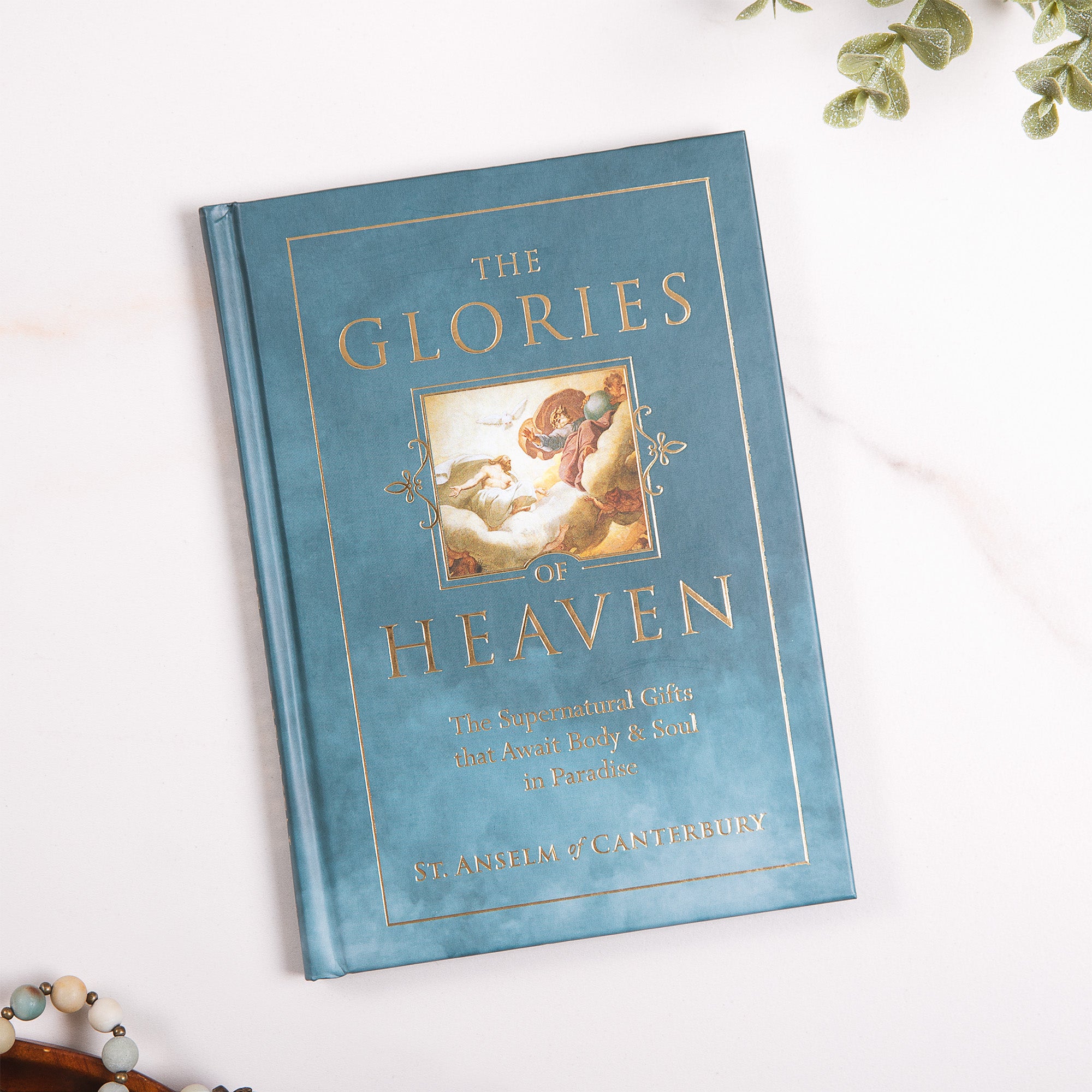
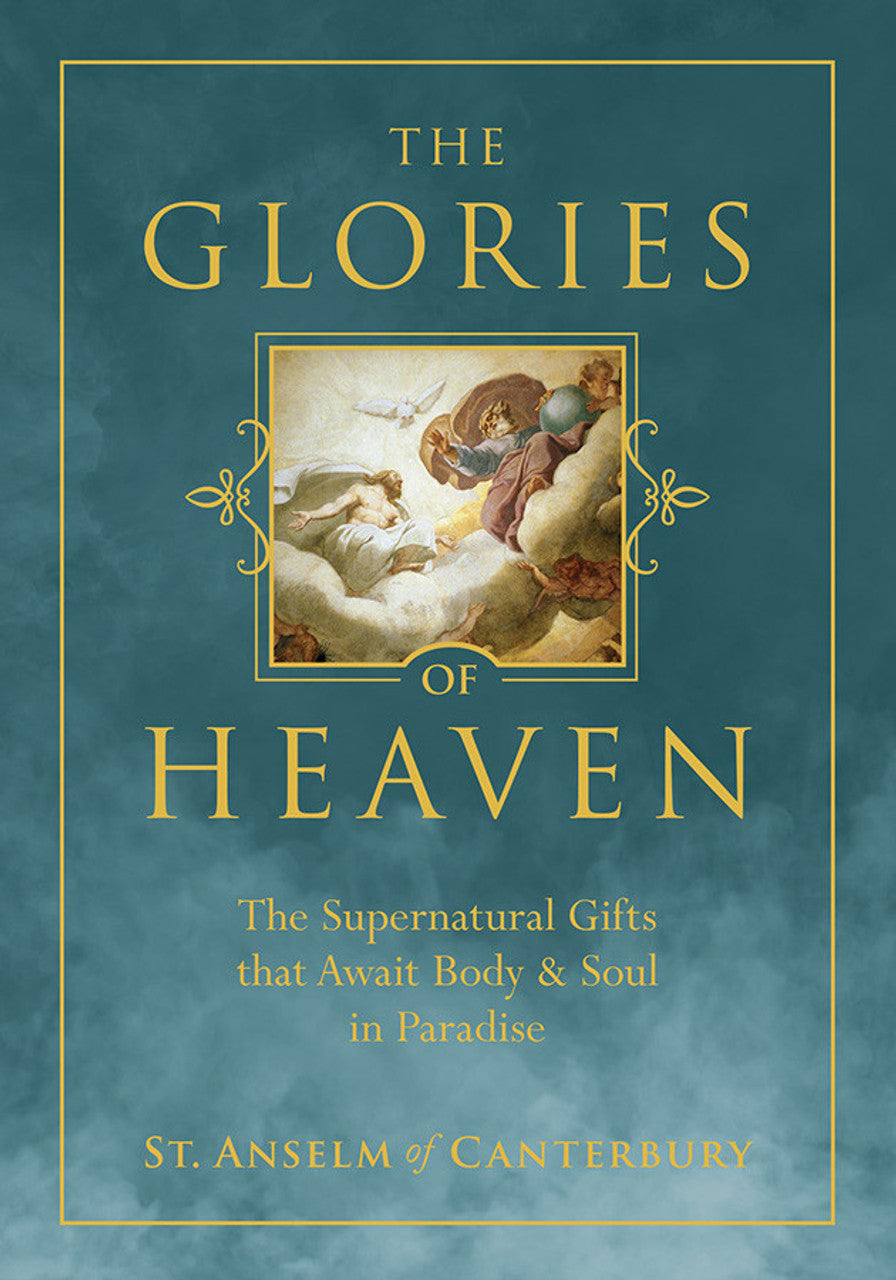
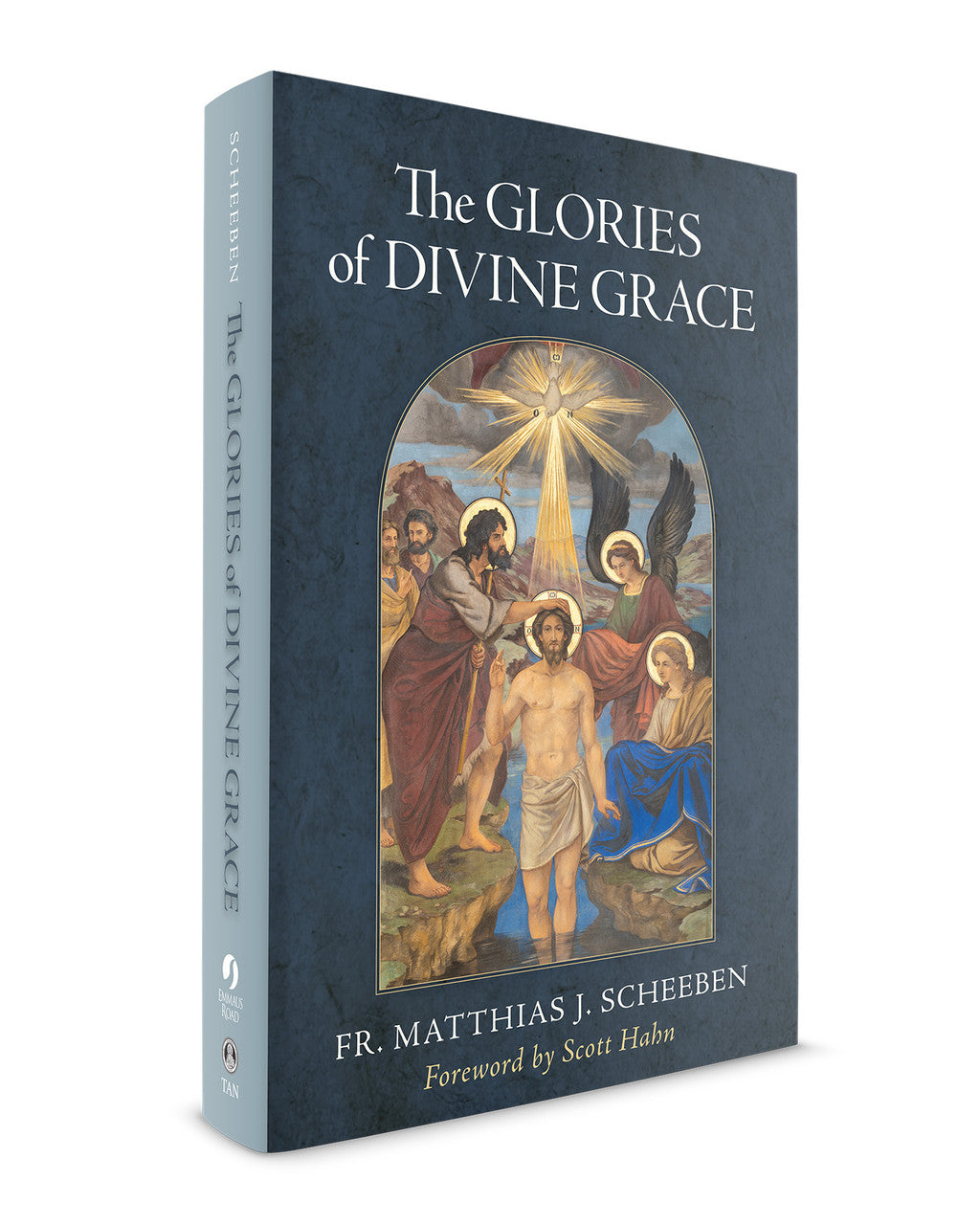
If you want to go deeper into what Scripture and the Church teach about heaven, The Glories of Heaven offers a breathtaking vision of the supernatural gifts that await body and soul in paradise. It brings theological insight to life in a way that stirs both mind and heart, reminding us why heaven is not only possible but the joyful destiny God intends for us.