
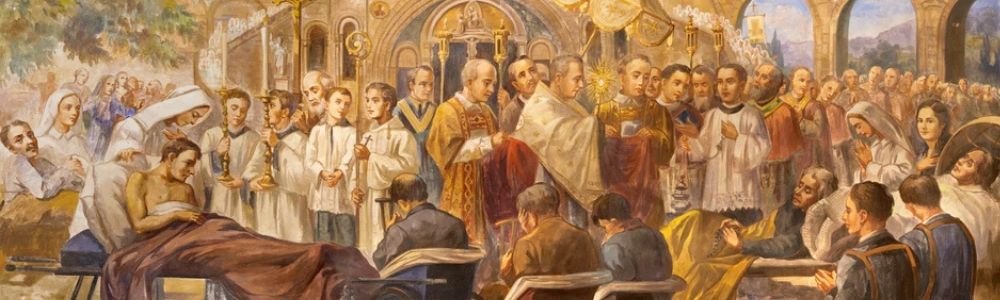
Most Catholics today know the Eucharistic procession as a beautiful expression of our faith — the Blessed Sacrament carried through streets, neighborhoods, and churches with incense rising and bells ringing. But how far back does this tradition go? And where did it begin?
Surprisingly, the first recorded Eucharistic procession did not take place in the grandeur of medieval Europe, but in a humble Italian town in the early 13th century: Orvieto, in 1264.

A Time of Fear and a Miracle of Faith
The story begins with a spiritual and physical crisis. Little is known about the precise origins of the illusion, but in the mid-1200s, Europe was gripped by fear of the unknown and spiritual unrest. Around this time, a German priest in Bolsena — not far from Orvieto — was struggling with severe doubts about the real presence of Christ in the Eucharist.
While celebrating Mass, he reached the consecrated host, and it began to bleed. The corporal (the altar cloth) became stained with drops of blood. Shocked and shaken, the priest took the cloth to Pope Urban IV, who was staying in nearby Orvieto.
The pope was moved by the event, later confirmed as a Eucharistic miracle. In response, he entrusted the great theologian St. Thomas Aquinas with composing the liturgical texts for a new feast honoring the Eucharist: the Feast of Corpus Christi.
That same year, 1264, a solemn procession was held in Orvieto so that the Blessed Sacrament could be publicly honored, adored, and visibly carried among the faithful. This event is widely considered the first formal Eucharistic procession in Church history — a moment when the reality of Christ’s presence in the Eucharist was not only believed, but publicly proclaimed.
What Makes This Moment So Important
This wasn’t just a parade. In a world still sensitive to mysticism and skepticism, the procession was a bold proclamation:
The Eucharist is Jesus...truly present, truly among us, not hidden but revered.
It became a turning point in the Church’s devotional life. The Feast of Corpus Christi spread rapidly across dioceses, and the custom of processing the Eucharist — carried in a monstrance — became a public witness of faith.
Over centuries, this practice took on layers of meaning. It became a blessing for towns, a sign of unity, a witness of belief in Christ’s real presence, and a public declaration that God does not remain hidden in the tabernacle but walks among His people.
One of the most telling anecdotes from those early processions comes from medieval chroniclers: when the Blessed Sacrament passed through the streets of a town, shops and inns would close; farmers in their fields would kneel; children walking home from school would fall silent and genuflect. It was said that in those moments the world paused, not for festival, but for profound reverence.
That awe of Christ walking among His people is the heart of the procession.
The Eucharist in Our Lives Today
Centuries later, Eucharistic processions remain a vivid expression of a living faith. In 2024, tens of thousands of Catholics filled the streets of Indianapolis in one of the largest Eucharistic processions in U.S. history during the National Eucharistic Congress, publicly witnessing to belief in the Real Presence of Christ.
Whether winding through parish streets or around the grounds of a cathedral, Eucharistic processions challenge us similarly: to recognize that Christ is not only in a consecrated host behind a veil, but present among us as we move through our daily lives.
A Tool to Deepen Devotion to the Blessed Sacrament
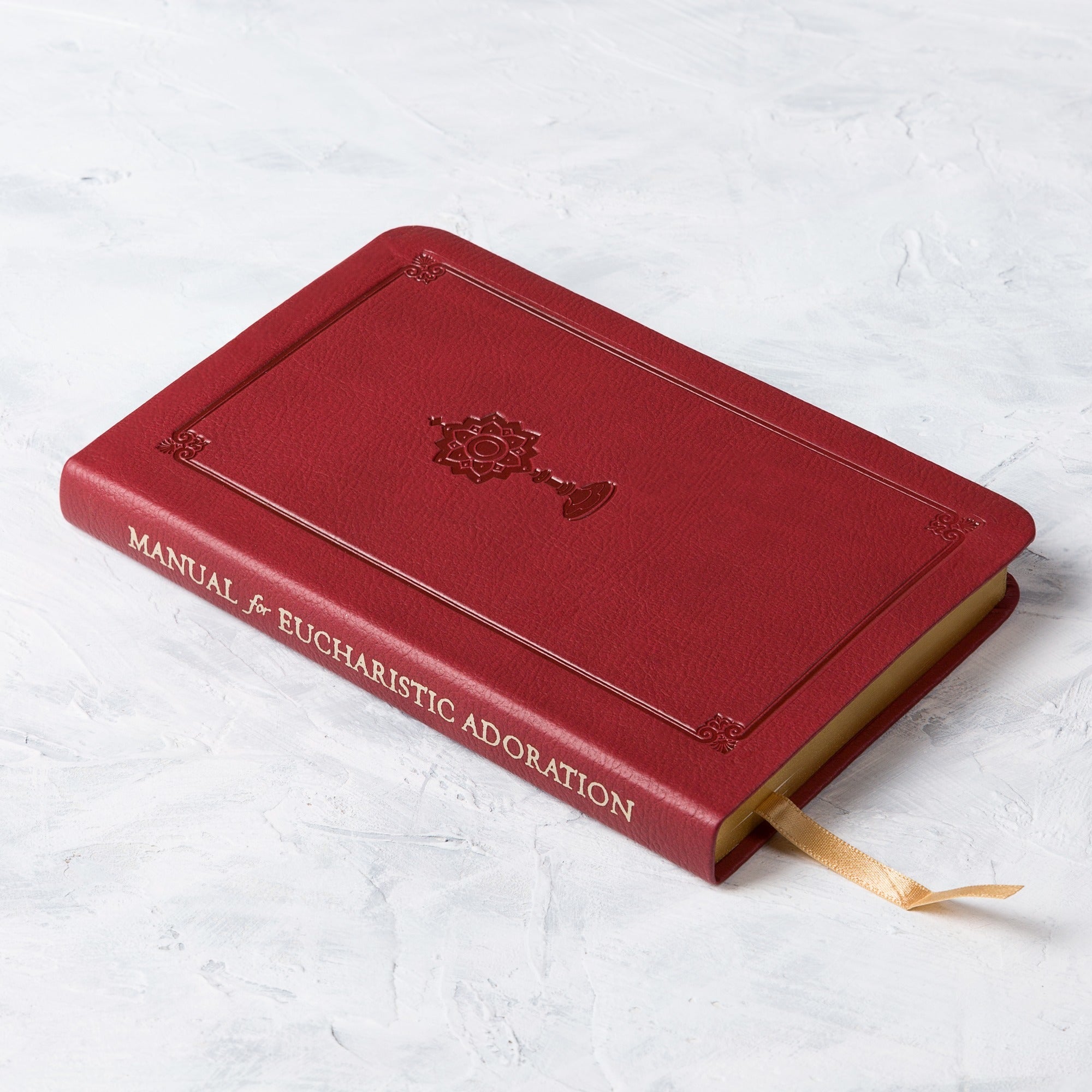
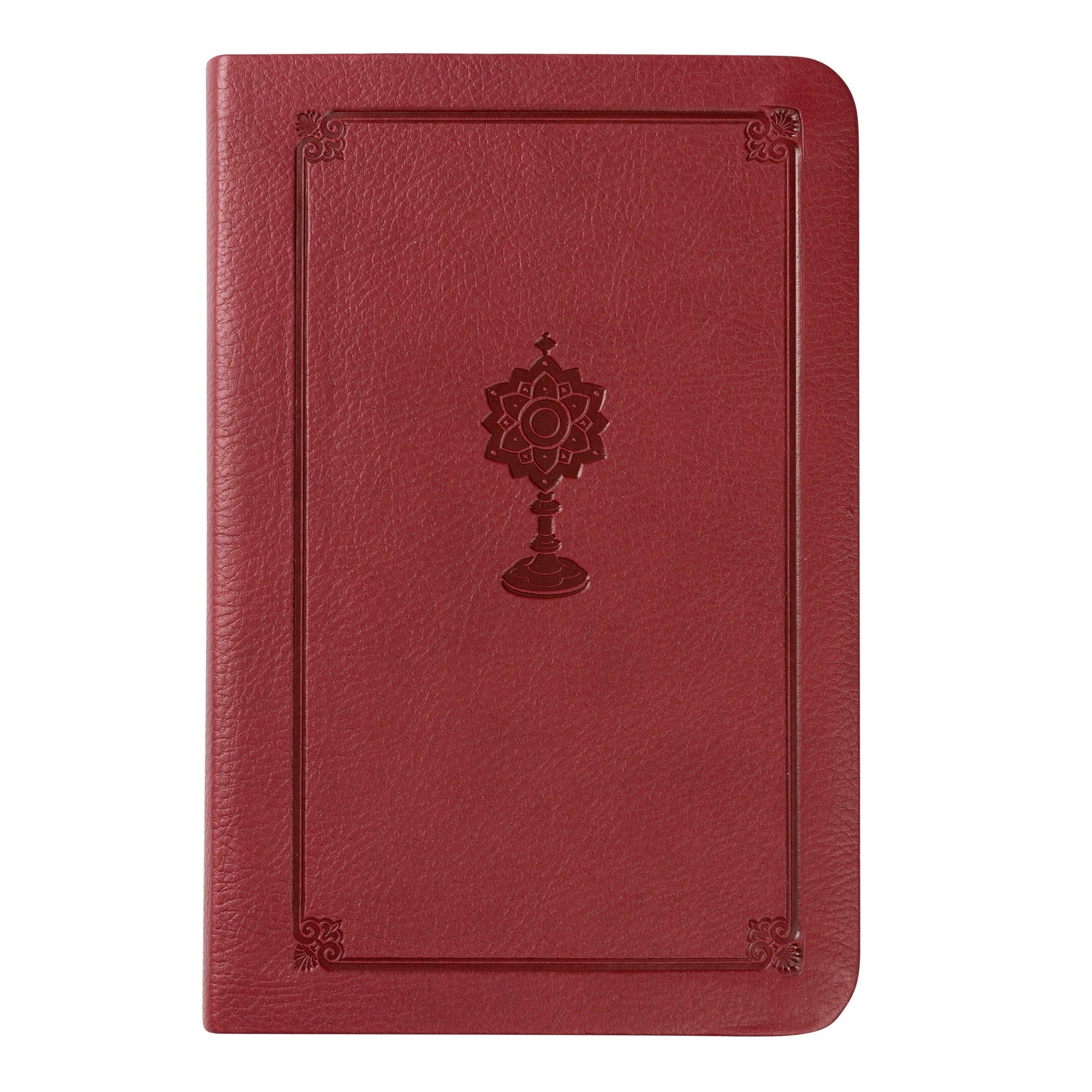
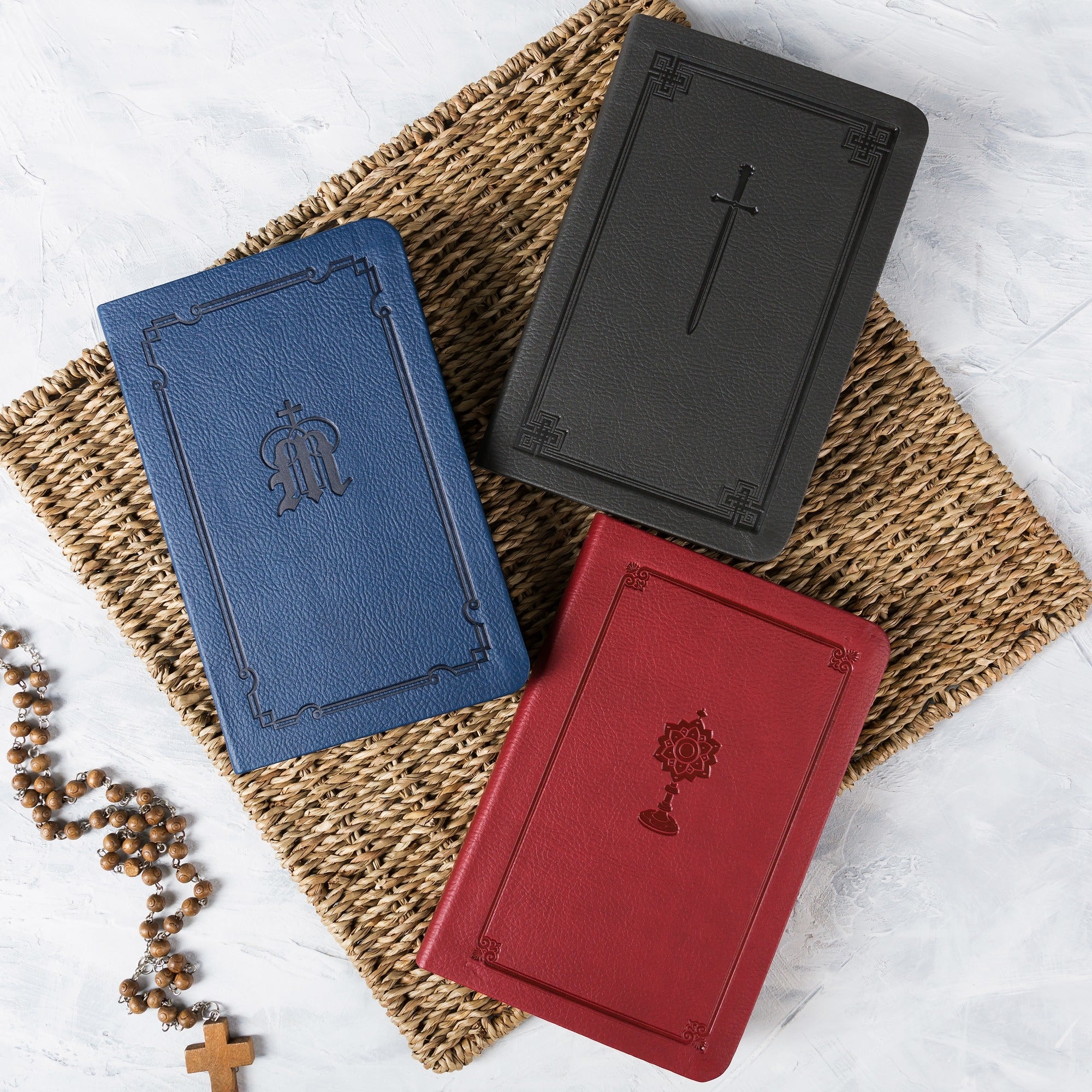
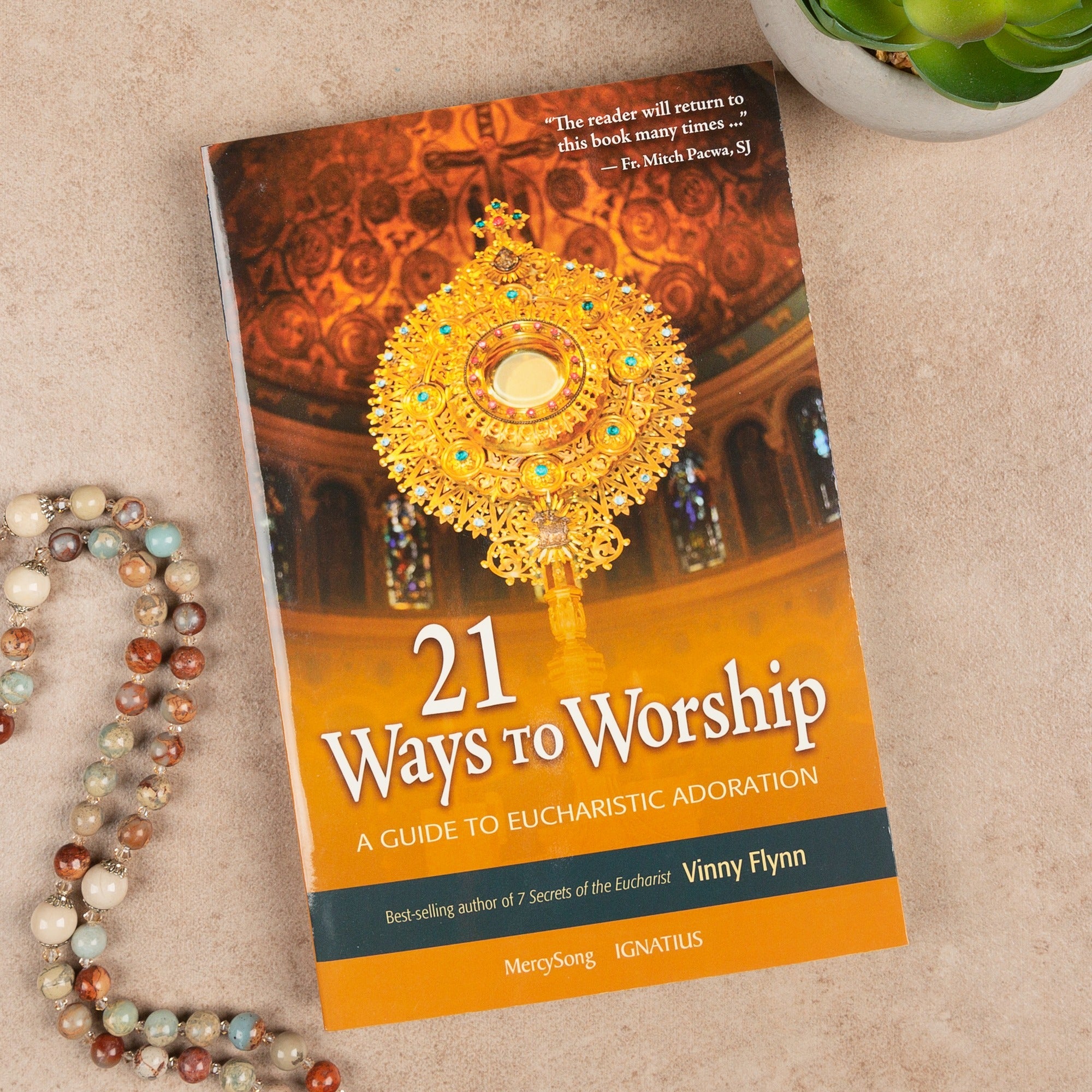
If the history and tradition of Eucharistic processions nourish your soul, you may want a companion that helps you dive deeper into Eucharistic adoration. The Manual for Eucharistic Adoration offers prayers, reflections, and guidance for quiet, intentional time before the Blessed Sacrament.
Just as the first procession made the presence of Christ visible to all, this manual invites you to make Christ’s presence personal, deepening your prayer life and your awareness of Jesus truly present in the Eucharist. Discover yours today at The Catholic Company!