St. Hildegard of Bingen was a 12th-century Benedictine abbess, mystic, composer, and Doctor of the Church who lived during the High Middle Ages in what is now Germany. Like so many saints, she saw the created world sacramentally, as something charged with meaning, order, and purpose because it came from God. That vision shaped even the way she thought about food. She did not see it as separate from healing. To her, what you ate mattered not only physically, but spiritually.
That may sound obvious to us now, but her approach was far more intentional than simply “eating well.” She believed that God had placed within creation everything we need to restore balance in both body and soul. Food was not just nourishment. It was part of a larger harmony.
One small example from her tradition might surprise you.
Beans.
They are simple, ordinary, and often overlooked—and yet recipes like her bean dishes appear in her collected remedies and food guidance. These were not elaborate meals. They were steady, grounding foods, prepared simply and eaten regularly.

That simplicity was part of the point. St. Hildegard consistently returned to foods like spelt, beans, herbs, and gentle preparations because she saw them as restoring order within the body. She was not trying to impress or innovate. She was trying to heal.
And healing, in her view, was rarely dramatic. It was gradual.
It came through consistently choosing what was good over what was excessive. Through aligning the body with what God had already provided.
That way of thinking feels very different from how we often approach food now. We look for quick fixes, specific diets, and immediate results.
St. Hildegard’s approach assumes that the body responds over time to what it is given regularly—and that the soul does too.
We are shaped by what we take in. Not just once. But over and over again.
The same is true spiritually. Prayer, Scripture, and the sacraments are not meant to be occasional. They are meant to be steady, repeated, and formative.
Hildegard did not separate those realities.
She understood that caring for the body could support the soul, and that disorder in one often affected the other. Her remedies - whether a warm meal, a simple tea, or her well-known herbal elixirs - were all part of that larger vision of restoration.
Something is compelling about that approach, not because it is complicated, because it is not.
It asks us to return to what is good and to what is simple. And perhaps to trust that those things, over time, are enough.
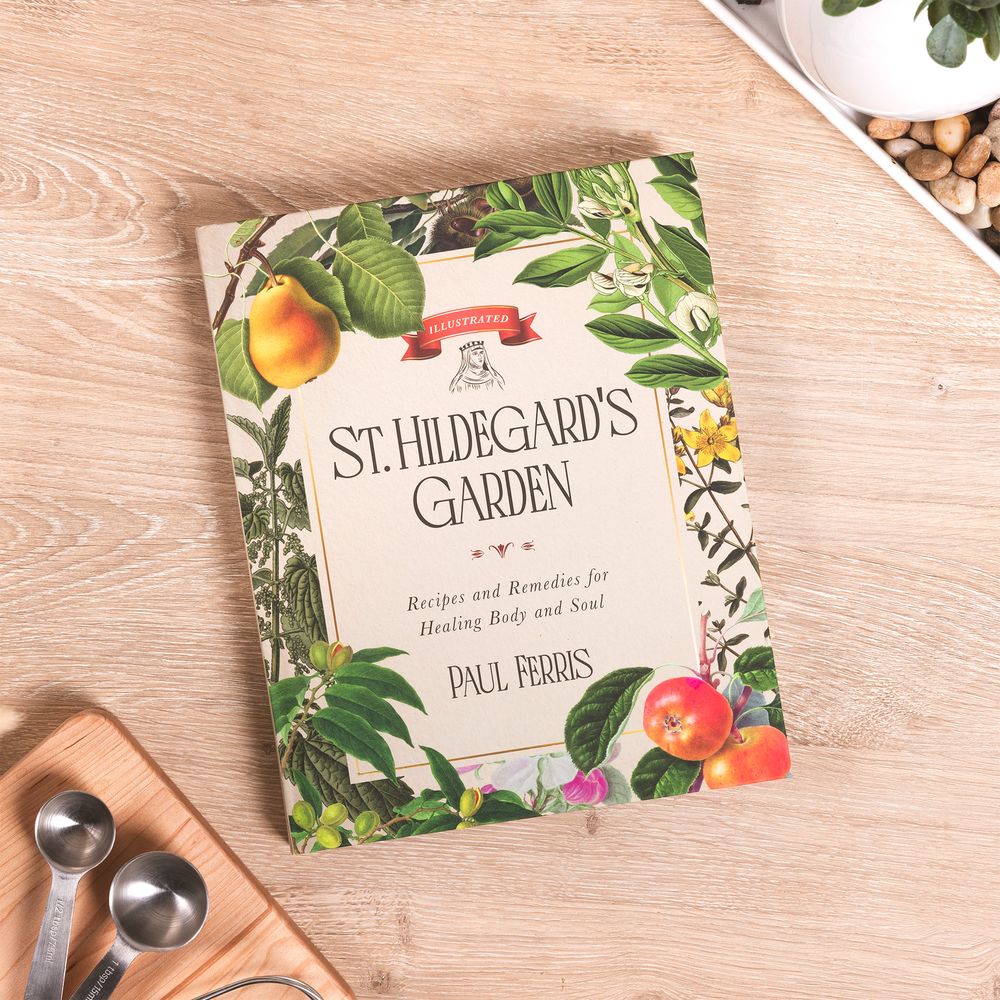
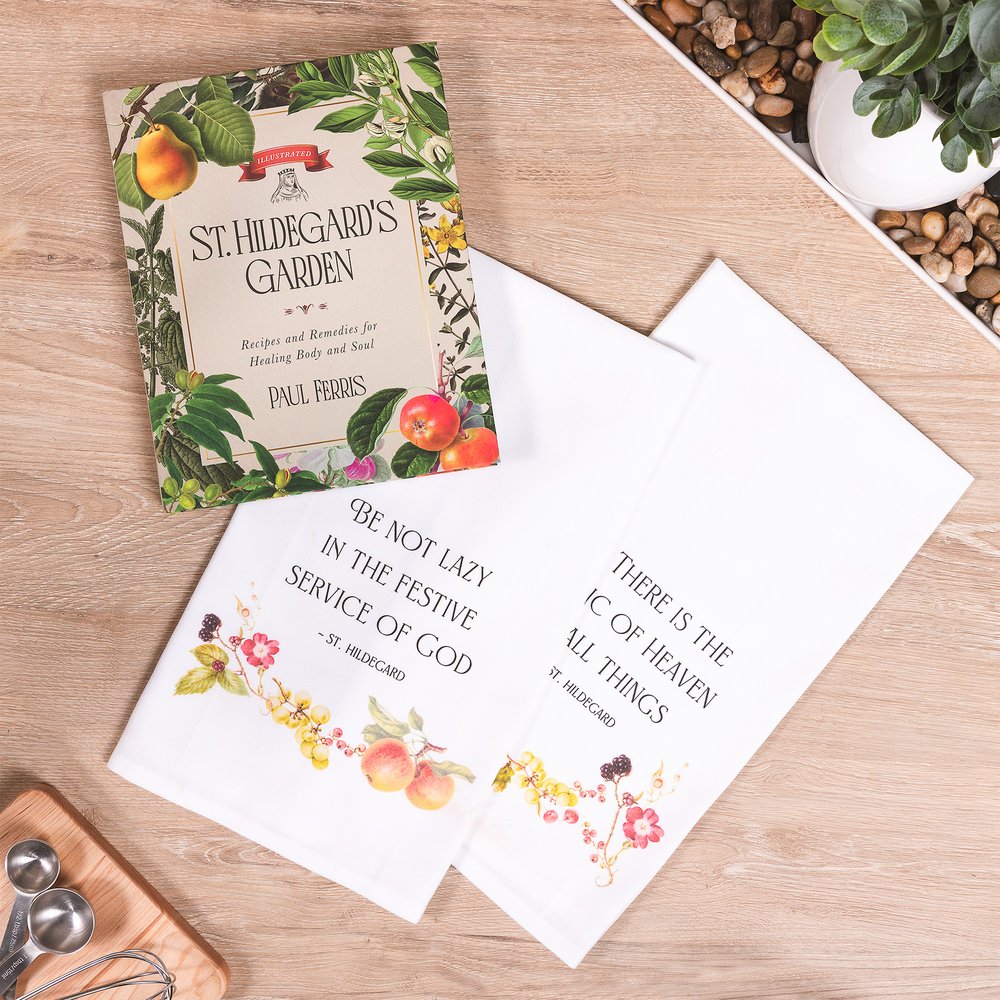
If you want to explore that way of living more deeply, St. Hildegard’s Garden: Recipes and Remedies for Healing Body and Soul brings together her practical wisdom—recipes, herbal remedies, and insights that reflect her understanding of the human person as a whole. Discover herbal recipes, natural treatments, and holistic wellness rooted in Hildegard’s timeless insights. Purchase your copy today at The Catholic Company!