

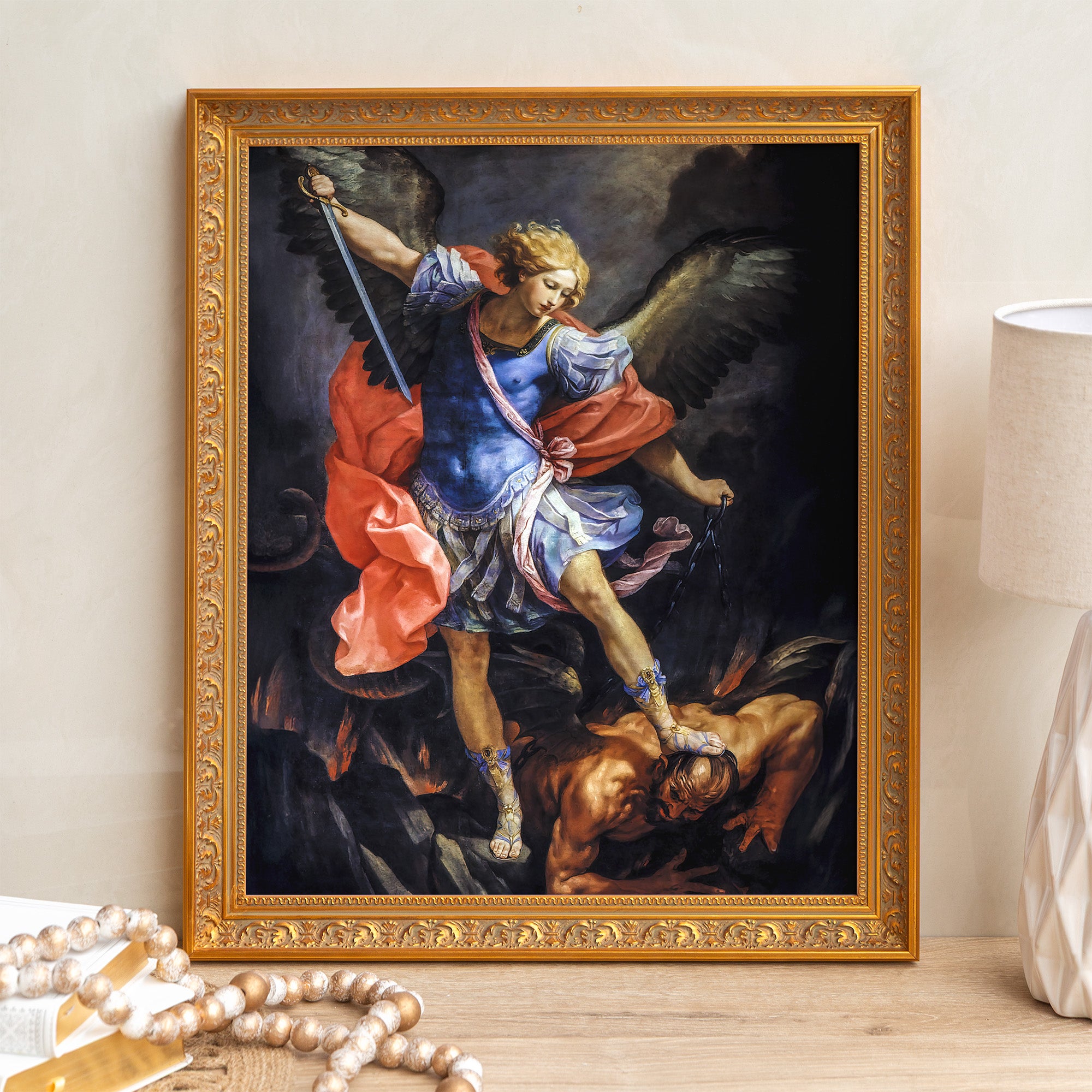

Most people do not expect a papal encyclical on artificial intelligence to mention Beethoven, Pablo Picasso, or Schindler’s List.
Yet Pope Leo XIV does exactly that in Magnifica Humanitas.
In one of the more surprising moments of the document, the pope reflects on the ways art helps preserve our humanity. While discussing human dignity, suffering, memory, and the danger of becoming desensitized to evil, he points to several cultural works that continue to speak powerfully across generations.
Beethoven’s Ninth Symphony, he writes, can be seen as a longing for human unity. Picasso’s Guernica stands as a protest against dehumanization and violence. Schindler’s List serves as a warning against forgetting the horrors of the past.
It is an unexpected section of the encyclical, but perhaps one of the most relatable.
Throughout the document, Pope Leo repeatedly returns to the idea that humanity is more than efficiency, information, or technological progress. Human beings are capable of memory, beauty, sacrifice, creativity, compassion, and love. Art often becomes one of the places where those realities remain visible.
The pope writes that authentic culture and art help resist the “normalization of evil.” They preserve something essential about the human person and remind us that suffering, injustice, and human dignity cannot simply be reduced to data points or calculations.
Art slows us down. It asks us to contemplate. It preserves memory. It confronts us with truths that cannot always be measured.
It is interesting to note that Pope Leo chose examples that are not explicitly religious. A symphony. A painting. A film. He seems to be reminding readers that traces of truth, beauty, and moral witness often appear throughout human culture and can help awaken the conscience.

Catholics have always understood this.
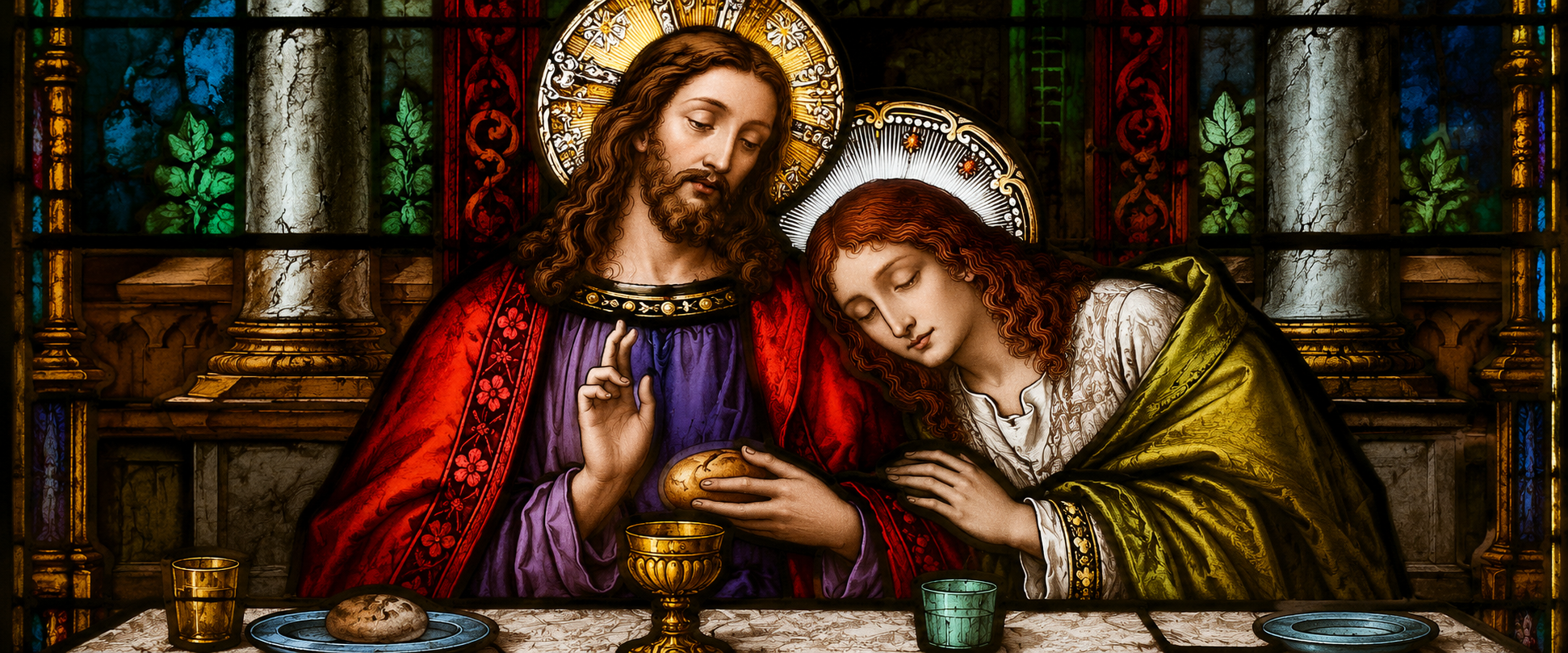
Some of the greatest expressions of faith have come through beauty. Cathedrals, sacred music, paintings, icons, sculpture, and literature have long helped people encounter truths that are difficult to express through argument alone.
Perhaps that is why this small section of the encyclical stands out so much.
In a document focused on technology and the future, Pope Leo pauses to talk about art.
The Church has always surrounded herself with beauty because beauty has a way of drawing the heart toward truth.
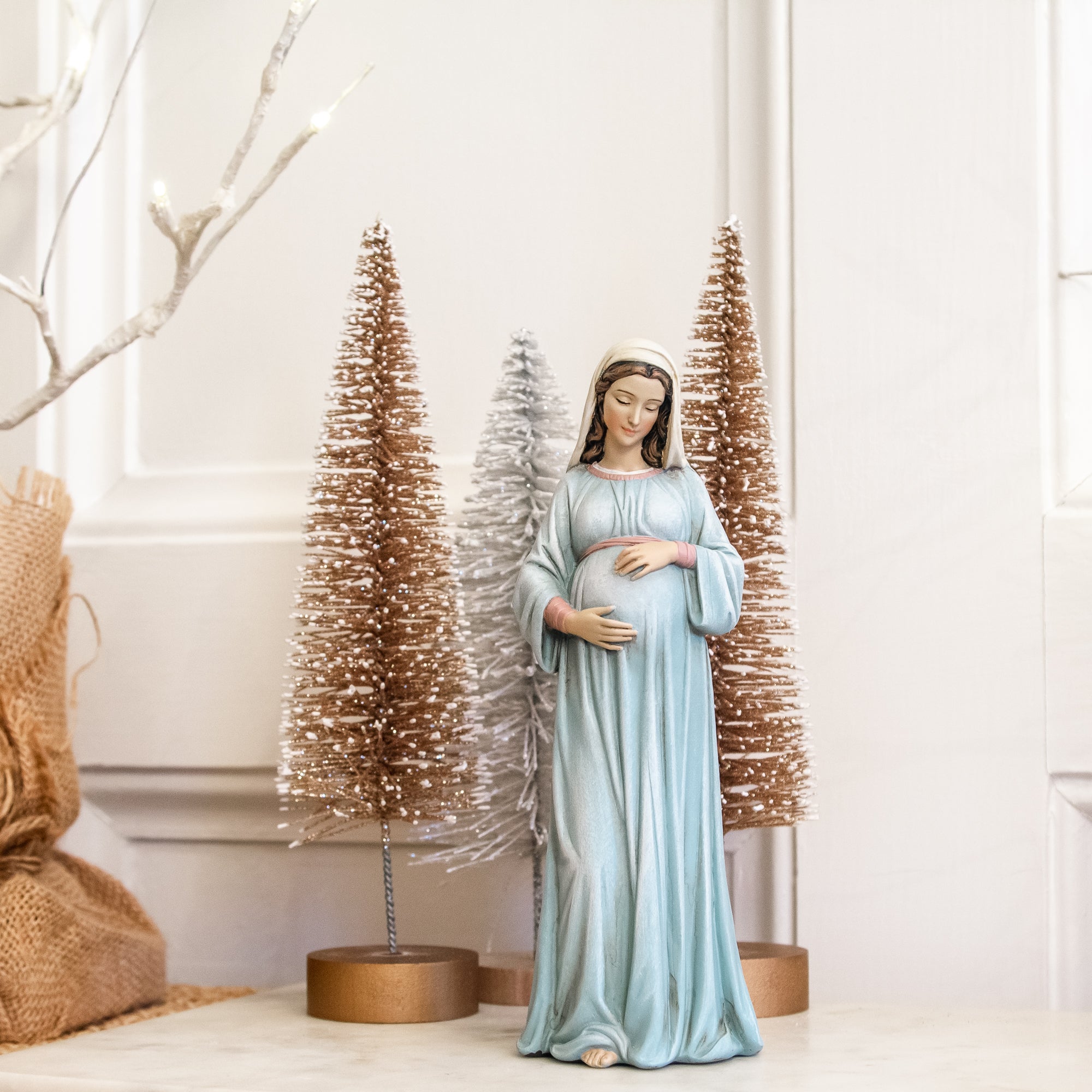
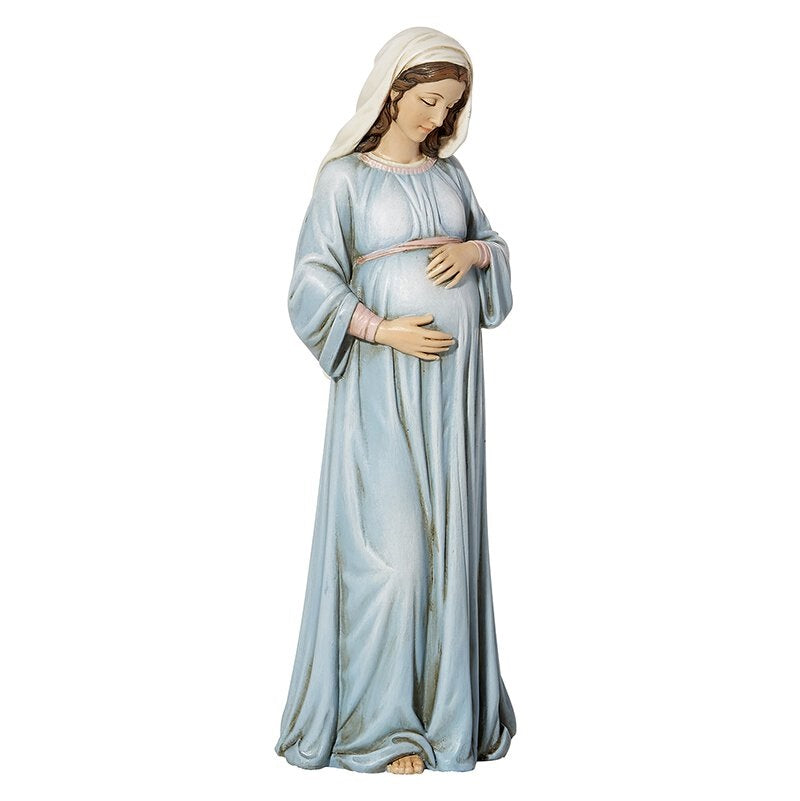
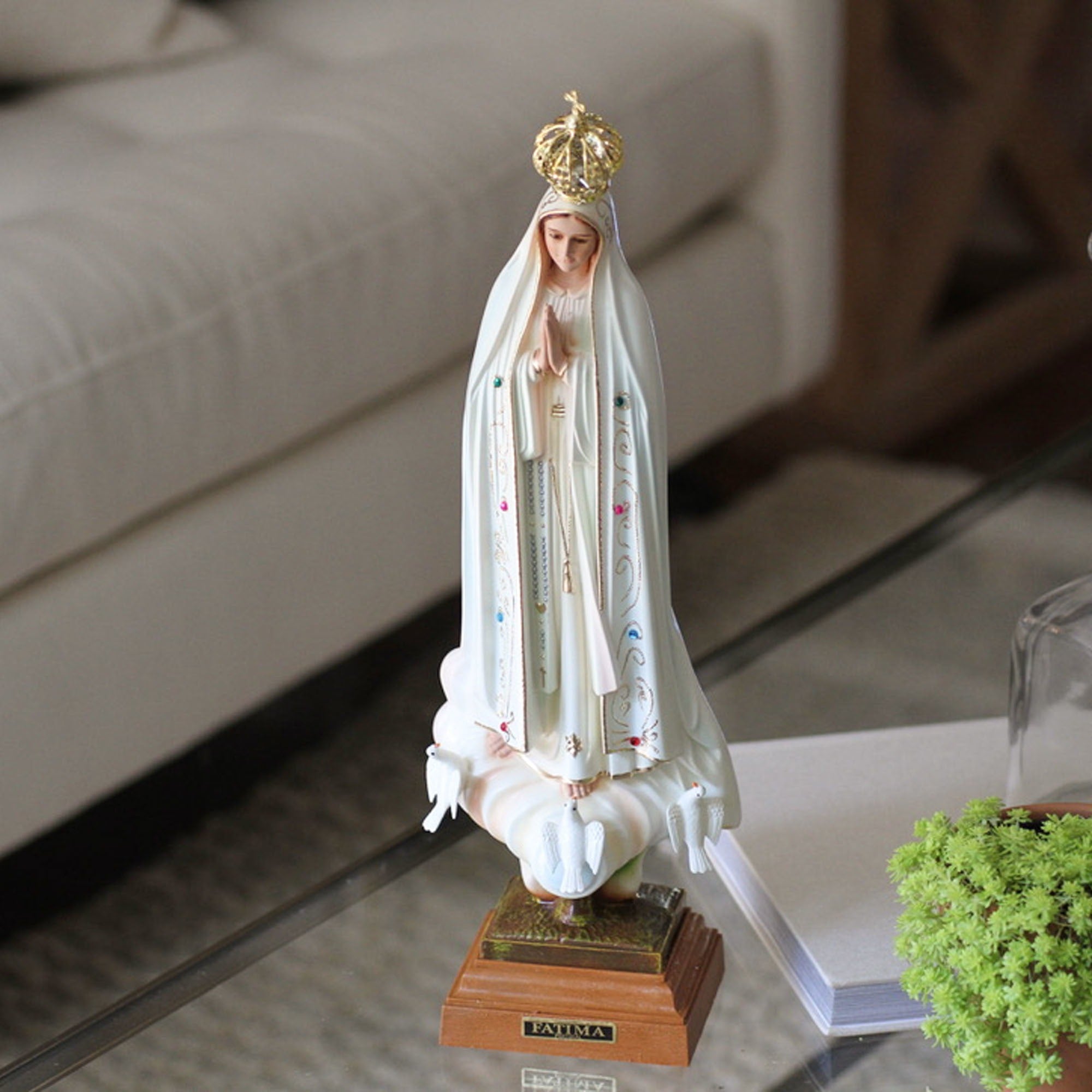
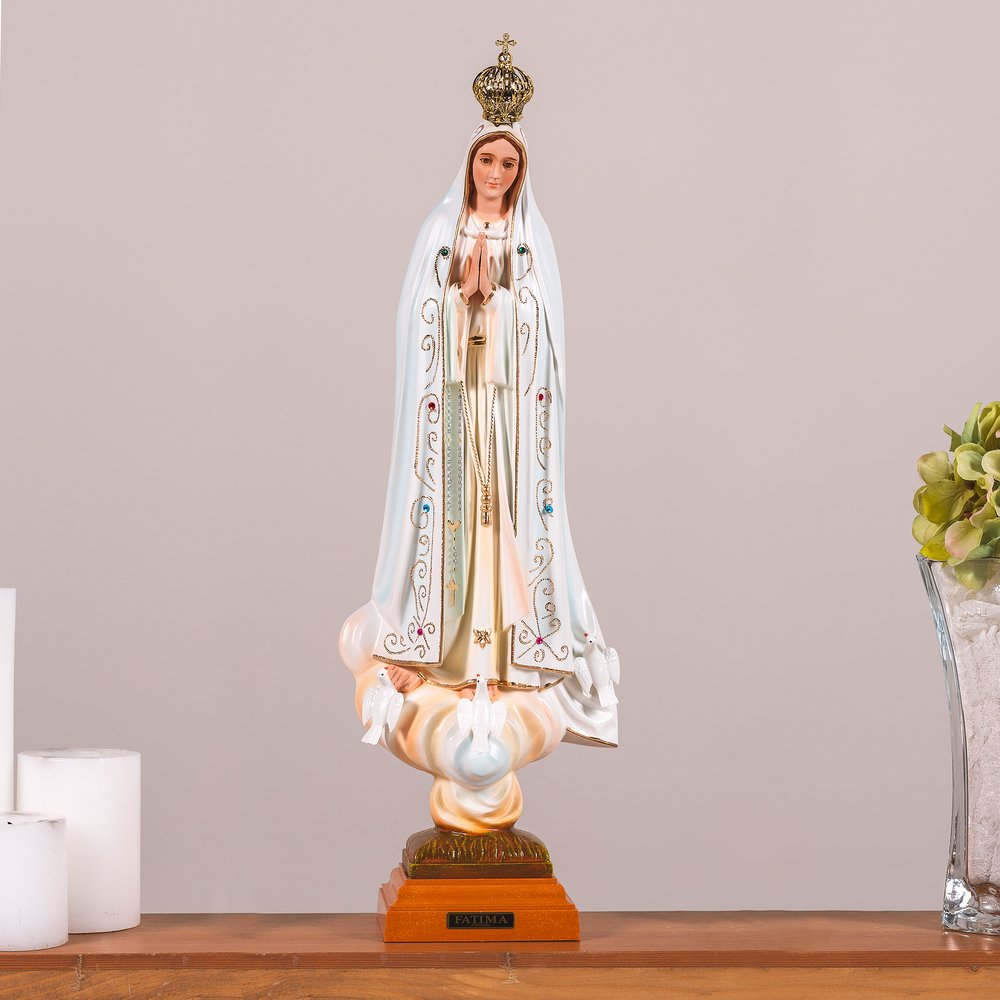
This serene statue of Mary Mother of God brings beauty, contemplation, and a reminder of human dignity into the home. A simple image of Our Lady on a shelf, desk, or prayer corner can become a quiet reminder of the humanity, tenderness, and relationship that no machine can ever replace. Find yours today at The Catholic Company!