Every year, we begin Lent with good intentions.
We choose a book. We give something up. We promise more prayer, more silence, more sacrifice. And then life happens. We miss a day. Then a week. And suddenly we feel like Lent is slipping through our fingers.
If this is you, take heart. You are not alone. The Church does not give us Lent as a test to pass. She gives it as a path to walk. In this season of prayer and self-denial, we are reminded of what Jesus himself taught us about spiritual discipline, that it turns us away from sin, purifies the soul, and draws us closer to God. As the Catechism of the Catholic Church reminds us
“The seasons and days of penance in the course of the liturgical year (Lent, and each Friday in memory of the death of the Lord) are intense moments of the Church’s penitential practice.” (CCC 1438)
While the Catechism calls Lent an “intense moment,” intensity does not mean overload. Sometimes our best-laid intentions, especially when we set the bar too high, become regrets when we try to take on too much spiritually.
Here is the good news: we can always begin again.
Lent is not about executing a perfect spiritual plan. It is about growing closer to Christ. It is about spending time with Him, offering small penances, and preparing our hearts for Passiontide and Easter.
We are suggesting ten tools below with links to books and other products to assist you on your journey.
Perhaps you will choose just one. Begin again.
1. Go to Confession (put it on the calendar)
If there is one place to begin again, it is here.
The Catechism reminds us:
“Those who approach the sacrament of Penance obtain pardon from God's mercy for the offense committed against him and are, at the same time, reconciled with the Church” (CCC 1422).
Perhaps you don't know when or where to go to confession that works with your schedule. Look up confession times at your parish or nearby churches. Many parishes expand hours during Lent. Put a specific date on your calendar. Treat it like an appointment that matters.
It doesn't have to be today. But plan a day very soon.
Even better, invite a friend or family member. Confession and dinner afterward. Sharing Lenten practices with others is powerful: it connects us spiritually and keeps us accountable.
Has it been a while since you've been to confession? Here is a pocket-sized guide for overcoming fears that gives practical advice on how to go to Confession if it has been a long time: Confession: A Little Book for the Reluctant.
2. Pray the Litany of Humility
Few prayers cut as deeply and heal as thoroughly as the Litany of Humility.
“From the desire of being esteemed, deliver me, O Jesus.”
“From the fear of being forgotten, deliver me, O Jesus.”
This prayer exposes attachments we did not realize we had. Lent is about dying to self. The Litany of Humility is a daily exercise in that surrender.
You do not need a grand setup. A simple folded prayer card can become a daily anchor.
Discover this combination of a beautiful book by Sr. Miriam James and the litany of humility here.
3. Embrace Silence
Mother Teresa said, “God is the friend of silence.”
Silence is uncomfortable because it sometimes reveals what is inside us. But it is also where God speaks. Scripture tells us, “Be still, and know that I am God” (Psalm 46:10).
Interior silence is as important, if not more so, than exterior silence. There are small ways we can incorporate both interior and exterior silence into our Lent.
Drive without music. Sit for five extra minutes after prayer in silence (try not to have any expectations for this time, just give it to God). Stay, even if it is difficult. Turn off notifications on your phone. Allow your mind to be a little uncomfortable as it wants to pull in distractions. Simply dismiss them as they come. Do not let them worry you.
If you want to reclaim your Lent, begin by reclaiming quiet.
Looking for a book that is not overwhelming but cuts to the heart of the need for silence?
This wonderful little book is wonderful: The Doors of Silence: Profound and Brief Meditations By an Anonymous Monk.
4. Make a Morning Offering
Offer your entire day before it begins.
The Catechism teaches:
“The faithful who offer up their daily work to God, unite themselves to Christ’s sacrifice” (cf. CCC 901).
A Morning Offering takes less than a minute, but it transforms everything. Your frustrations. Your errands. Your fatigue. All of it becomes participation in Christ’s Cross. If you do not yet receive our daily Morning Offering, try it for Lent. It's free!
5. Read One Solid Catholic Book
You do not need to read five.
Choose one good Lenten book and commit to a few pages a day. It may be a meditation on the Passion, a classic spiritual work, or a short daily reflection.
Consistency matters more than volume.
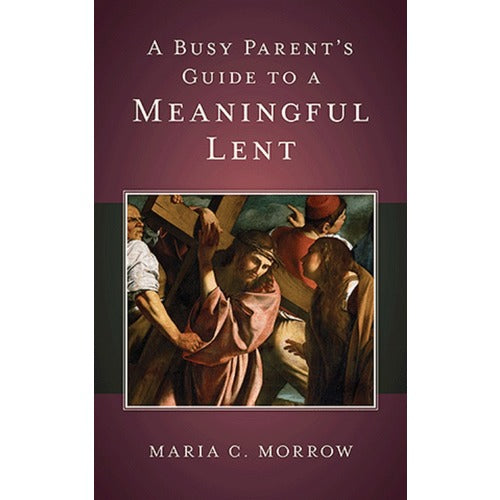
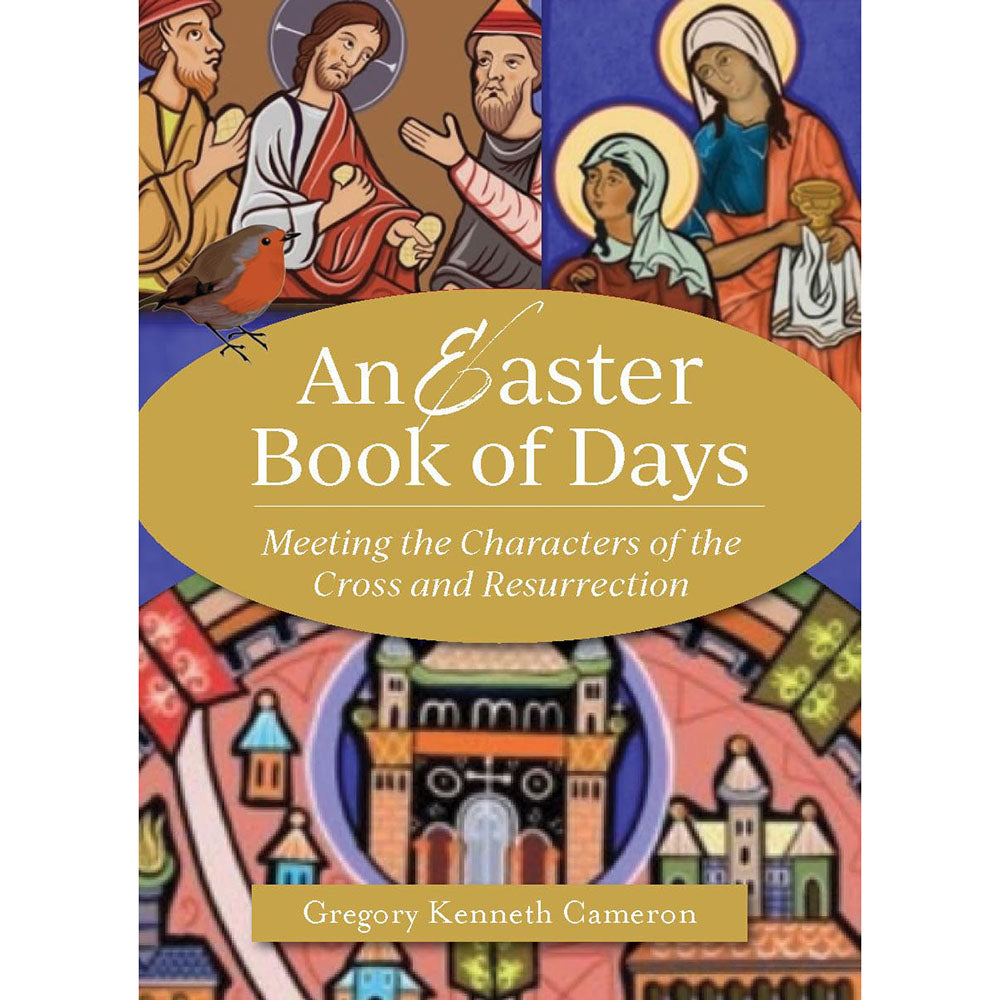
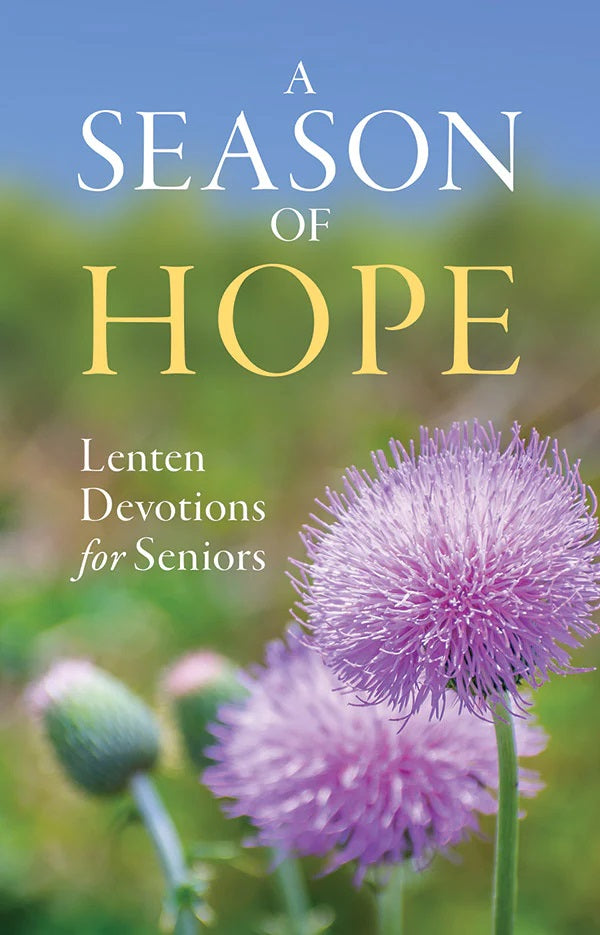
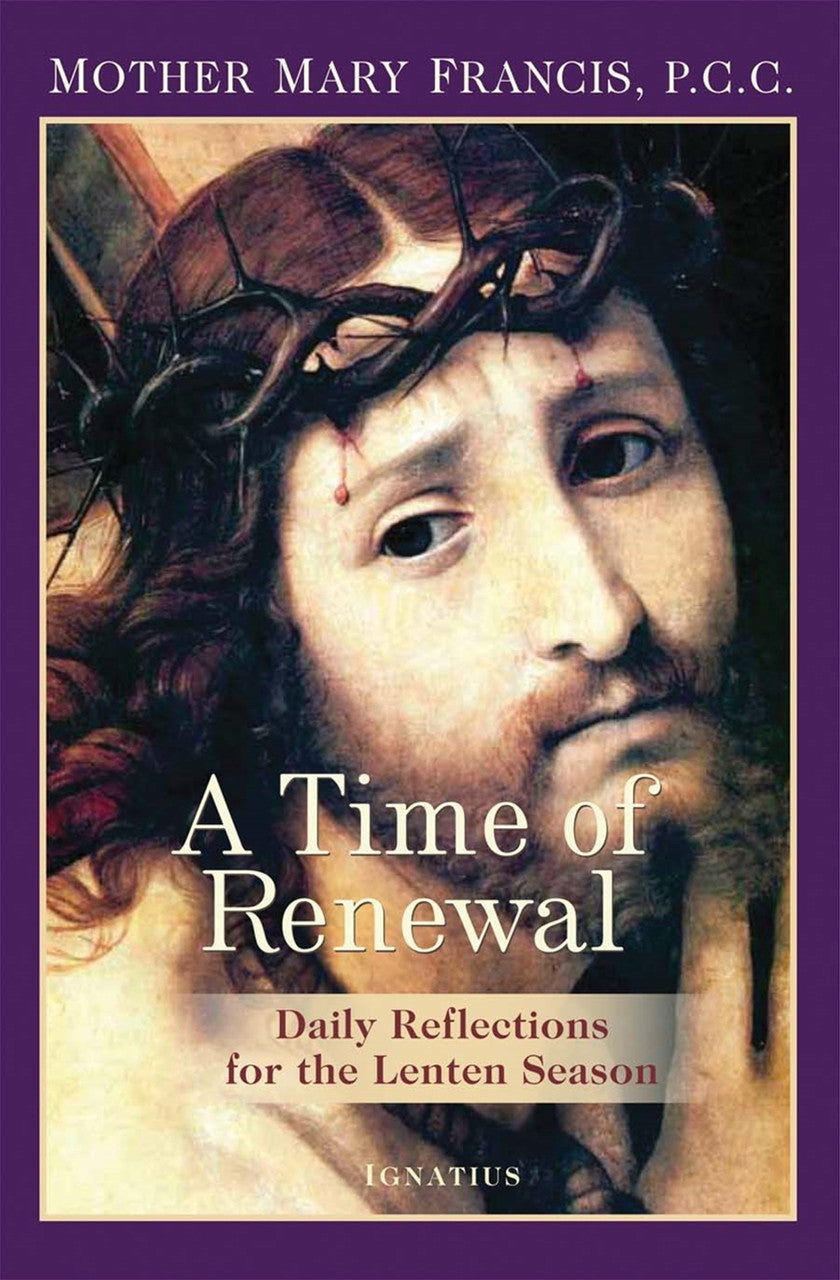
Find a variety of Lenten books here. Also read, Great Catholic Books to Read in 2026.
6. Pray the Rosary
Our Lady leads us to the Cross gently and faithfully.
The Sorrowful Mysteries are particularly fitting for Lent. Even one decade prayed slowly can draw your heart into Christ’s suffering.
If a full Rosary feels overwhelming, begin with one mystery and stay with it.
Would you like to gift a rosary to a family member this Lenten season? Discover our Rosary Collection here.
7. Bring Lent Into Your Home
A crucifix placed prominently. A purple cloth on a prayer table. A simple candle lit during evening prayer.
Physical reminders help reorder our attention. They signal to our families that this season matters.
If you have children, small sacrifices and visual cues speak louder than lectures. Perhaps place an image of Christ crucified, or a standing crucifix, in a central place in your home. Or put a prayer card on the kitchen table to pray every evening before dinner.
Find our prayer cards, our images of the Crucified Christ, and our standing crucifixes here.
7. Fast With Intention
Fasting and abstinence during Lent are not about dieting or deprivation; they are about detachment, discipline, and journeying with Christ to Easter. Jesus Himself fasted in the desert for 40 days, and so the Church gives us Lent as the time to deny ourselves, take up our cross, and unite our sufferings and sacrifices to Christ.
Abstinence (no meat on Fridays) reminds us of Christ’s sacrifice. We give up something good (meat) to turn our hearts toward the greater good—God Himself.
Fasting (this could mean eating nothing and drinking only water or what the Church proscribes – eating only one full meal with two smaller meals that don’t add up to a full one) on Ash Wednesday and Fridays during Lent trains our bodies to become servants of the soul, rather than the other way around
Jesus said, “When you fast…” not “if” (Matthew 6:16). Fasting reminds us that we are not ruled by our appetites. It helps us remember that we should hunger for Christ.
Find practical tips in The Handy Little Guide to Fasting.
9. Practice Hidden Acts of Charity
Lent can be experienced in interior ways and exterior ways. The Gospel reminds us that when we fast we should not let others know we are fasting. Yet this does not mean that we should only do those things that are unseen by others. We can do small acts of charity and even extend invitations to others to join us. But we can also do them in secret, so that only God knows our hearts and sees these hidden acts.
Perhaps it is making a special meal for your spouse without explaining it. Or doing an errand for a loved one before they even know they need it.
There are many ways to give quietly. Write a note. Offer patience. Do a chore without recognition.
Learn from the saint that most of us think of when we hear the word, charity: St. Teresa of Calcutta. Discover the book Mother Teresa: In My Own Words here.
10. Prepare for Holy Week Now
Do not wait until Palm Sunday to think about Holy Week.
Look at your calendar. Mark Mass times for Holy Thursday, Good Friday, and the Easter Vigil so that you might fully experience the Easter Triduum. Arrange your schedule now.
Anticipation changes how we live the days leading up to it. Discover our Good Catholic series on Holy Week here.
A Final Word
Lent is not about spiritual performance. It is about our relationship with Jesus Christ and drawing near to him by imitating him in the 40 days that lead to his passion and death. It is about sitting with Christ in the desert. Walking with Him toward Jerusalem. Standing with Him at the Cross. Waiting in silence for the Resurrection.
This helps us remember that it is not really about us at all. Yet Christ desires to bring us near to him. If we have fallen behind, we have not failed. We can always begin again.
Choose one tool. Take one step because it is never too late to return to Him.