As Catholics, we are familiar with the rhythm of the liturgical year, a cycle of feasting and fasting that draws us deeper into the life of Christ. One of the most ancient and consistent practices in this rhythm is the Friday abstention from meat. But have we ever paused to ask why? Is this just an arbitrary rule, or does it connect to something more profound? Let us explore the theological and historical roots of this enduring practice.
1. The Ancient Call to Abstain
The practice of abstaining from a particular food is one of the most ancient rituals in human history. In the Garden of Eden, God's very first command to Adam was a call to abstinence: “Of every tree of paradise thou shalt eat: But of the tree of knowledge of good and evil, thou shalt not eat” (Genesis 2:16-17). The failure to heed this command brought sin and death into the world. It was through the ultimate act of sacrifice—the offering of Christ’s own flesh on the cross—that we were redeemed.
2. The Sacrifice of the Flesh
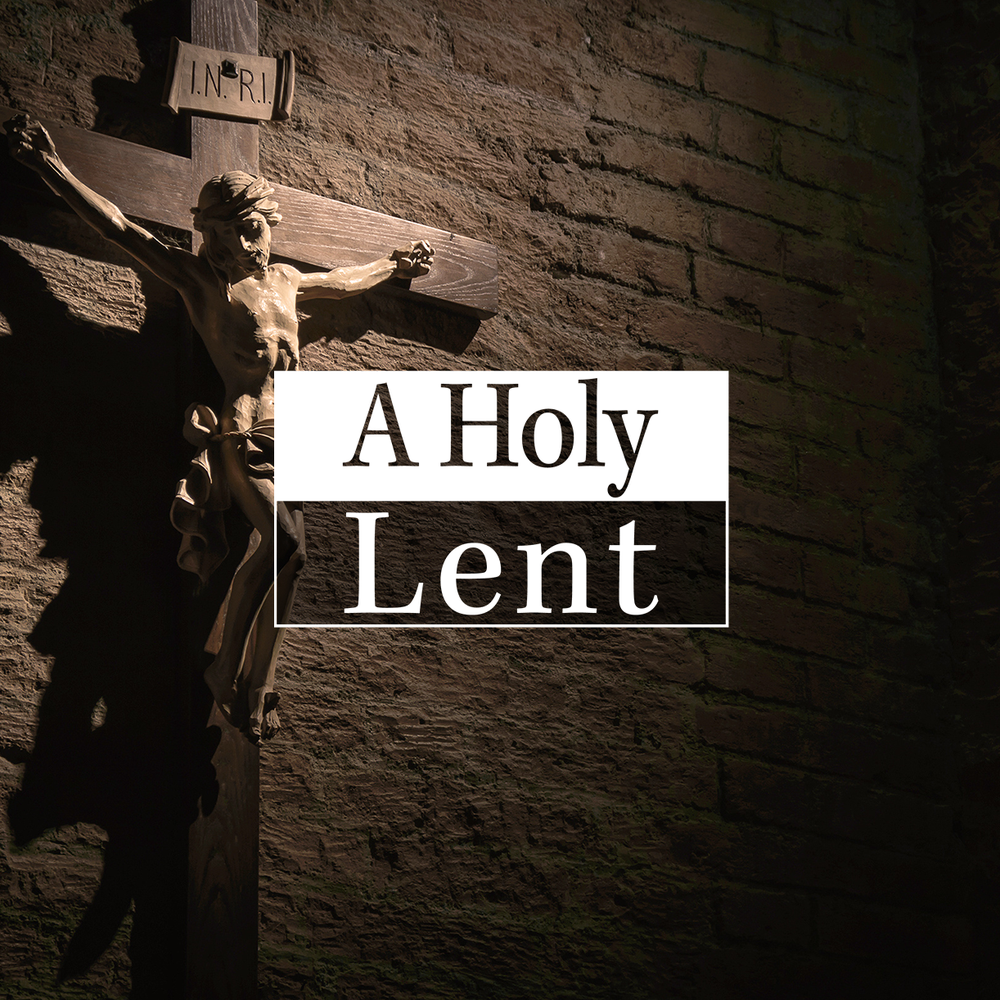
Christ offered up His flesh on a Friday to atone for our sins. By abstaining from meat on Fridays, we perform a simple act of penance that unites us to His sacrifice. It is a physical reminder of the day He gave His body for our salvation. This small act serves several purposes:
It is an act of remembrance: It is a weekly commemoration of Good Friday, keeping the memory of Christ’s Passion at the forefront of our lives. It is an act of penance: It allows us to “die a little” to ourselves, disciplining our appetites and uniting our small sacrifices with the perfect sacrifice of Christ on the Cross. It is an act of love: While we can never fully repay the debt we owe to God, our voluntary penance is an act of love in return for the infinite love He has shown us.
3. A Rich and Varied Tradition
The tradition of Friday abstinence traces back to the Apostles, but the specific rules have evolved over centuries. For a thousand years, under the rule of Pope St. Gregory the Great (approx. 590), the Lenten fast was incredibly strict, prohibiting not only meat but also all animal products, including milk, cheese, and eggs. This strictness gave rise to beloved traditions. Mardi Gras, or “Fat Tuesday,” was the day to use up all the fats and animal products before the Lenten fast began—hence the custom of eating pancakes. The word Carnival itself comes from the Latin carnavale, meaning “farewell to flesh.”
During Lent, Christians would eat pretzels, a simple bread made without animal products, with the dough twisted to resemble arms folded in prayer—an edible reminder of the season’s focus.
As Christianity spread, the Church showed pastoral flexibility. For instance, in 17th-century Quebec, where fish was scarce in winter, the bishop, after consulting with Rome, permitted the eating of beaver, classifying the semi-aquatic animal with fish. This logic was later applied to muskrat, capybara in South America, and even alligators in the Diocese of New Orleans!
4. The Rules Today
Over time, the Church has relaxed the severity of these disciplines. The current Code of Canon Law (Can. 1251) states:
Abstinence from meat, or from some other food as determined by the Episcopal Conference, is to be observed on all Fridays, unless a solemnity should fall on a Friday. Abstinence and fasting are to be observed on Ash Wednesday and Good Friday.
In the United States, the USCCB requires that all Catholics aged 14 and older abstain from meat on Ash Wednesday and all Fridays of Lent. While the obligation to abstain on Fridays outside of Lent has been modified—allowing for another penance to be substituted—the practice of abstaining from meat remains the normative and highly recommended form of Friday penance throughout the entire year.
Christ did not give us a detailed list of commands on how to fast and abstain. Instead, He gave us His own example and told us to “pick up our cross and follow Him.” He invites us to embrace the small, personal sacrifices that provide opportunities for grace. Lent is a time to dig deeper - to seek to mortify ourselves in order to bring us closer to Christ.
When we unite our small penances to the Passion of our Redeemer, we participate in the life of the Church and open our hearts to the grace that flows from the Cross. The simple act of abstaining from meat on a Friday becomes more than just a rule; it becomes an act of love, a weekly pilgrimage back to the foot of the Cross, where we stand in awe and gratitude for the One who gave everything for us.