













If you've ever stood beneath the Sistine Chapel ceiling, it's hard to imagine that the man who painted it didn't really want the job.
Yet that's exactly where the story begins.
Michelangelo considered himself a sculptor. In fact, when Pope Julius II commissioned him to paint the ceiling of the Sistine Chapel in 1508, Michelangelo was convinced he had been set up to fail. He suspected that artistic rivals had encouraged the pope to choose him precisely because painting was not his specialty.
He accepted the commission anyway.
The work consumed the next four years of his life.
Contrary to popular imagination, Michelangelo did not spend those years lying on his back. He worked for hours each day standing on scaffolding with his head tilted upward, reaching overhead to paint thousands of square feet of wet plaster before it dried. The physical toll was enormous.
 In one humorous poem written during the project, he complained that his beard pointed toward heaven, paint dripped constantly onto his face, and his body had become so twisted that he resembled "a Syrian bow." (Michelangelo, Sonnet on the Sistine Ceiling, c. 1509.)
And yet...
From that sacrifice came one of the greatest masterpieces in human history.
When we are beneath the Sistine Chapel looking up or when we see a piece of art from the Sistine Chapel, we are looking at profound beauty that required perseverance, suffering, and extraordinary fidelity to a difficult task.
The spiritual life often works the same way.
We naturally admire the beauty of holiness in the saints. What we don't always see are the countless hidden sacrifices that made such holiness possible: the daily prayers no one noticed, the acts of forgiveness, the patient endurance of suffering, and the quiet "yes" repeated over and over again.
It is good to remember that one reluctant artist's perseverance became a gift to the entire world. The work God gives us isn't always easy. But faithfulness has a way of bearing fruit, even when we can't yet see what He's doing.
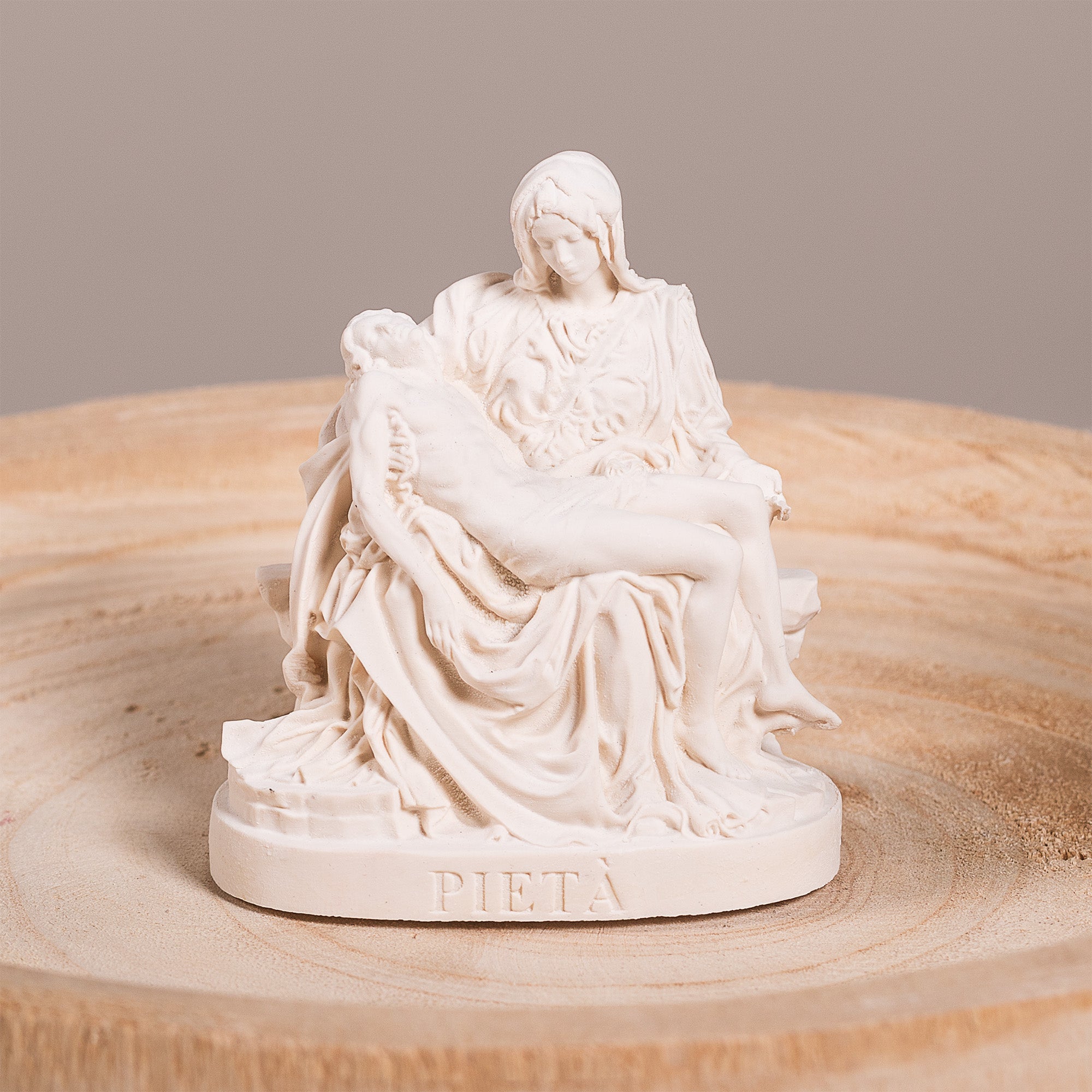
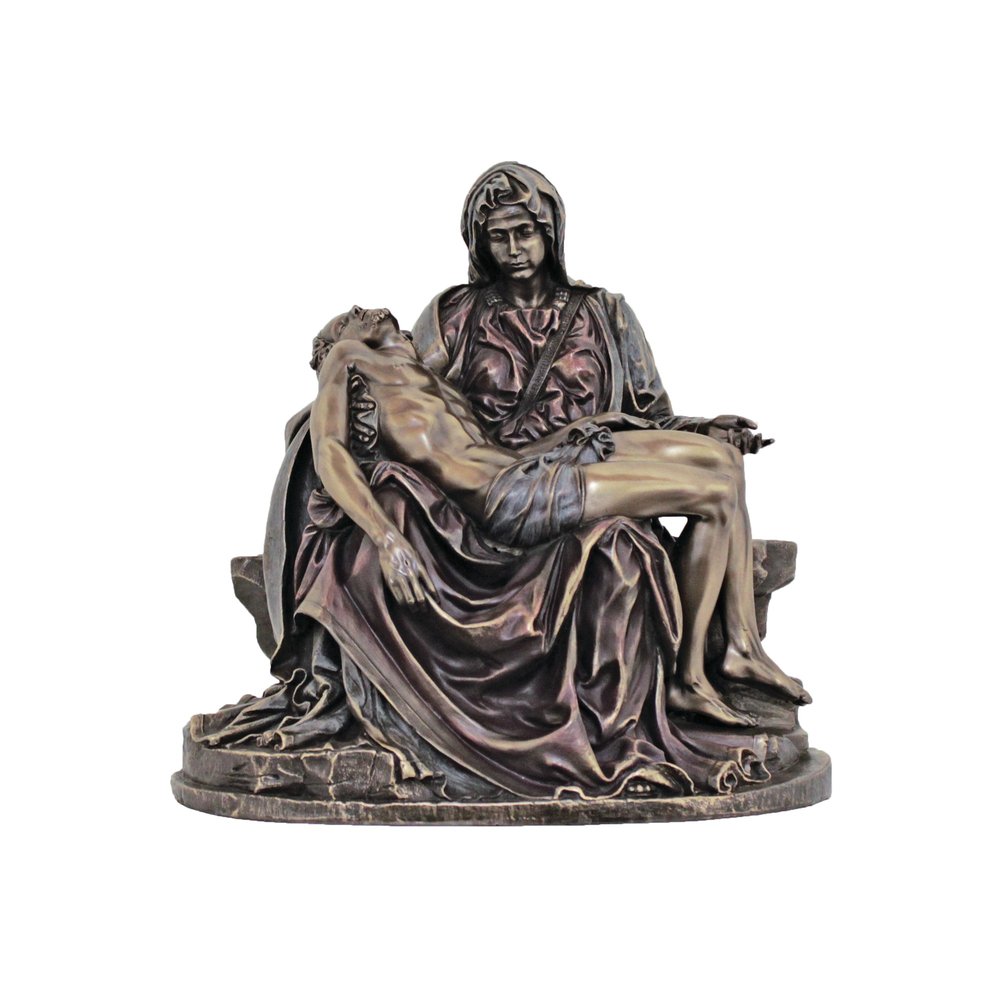
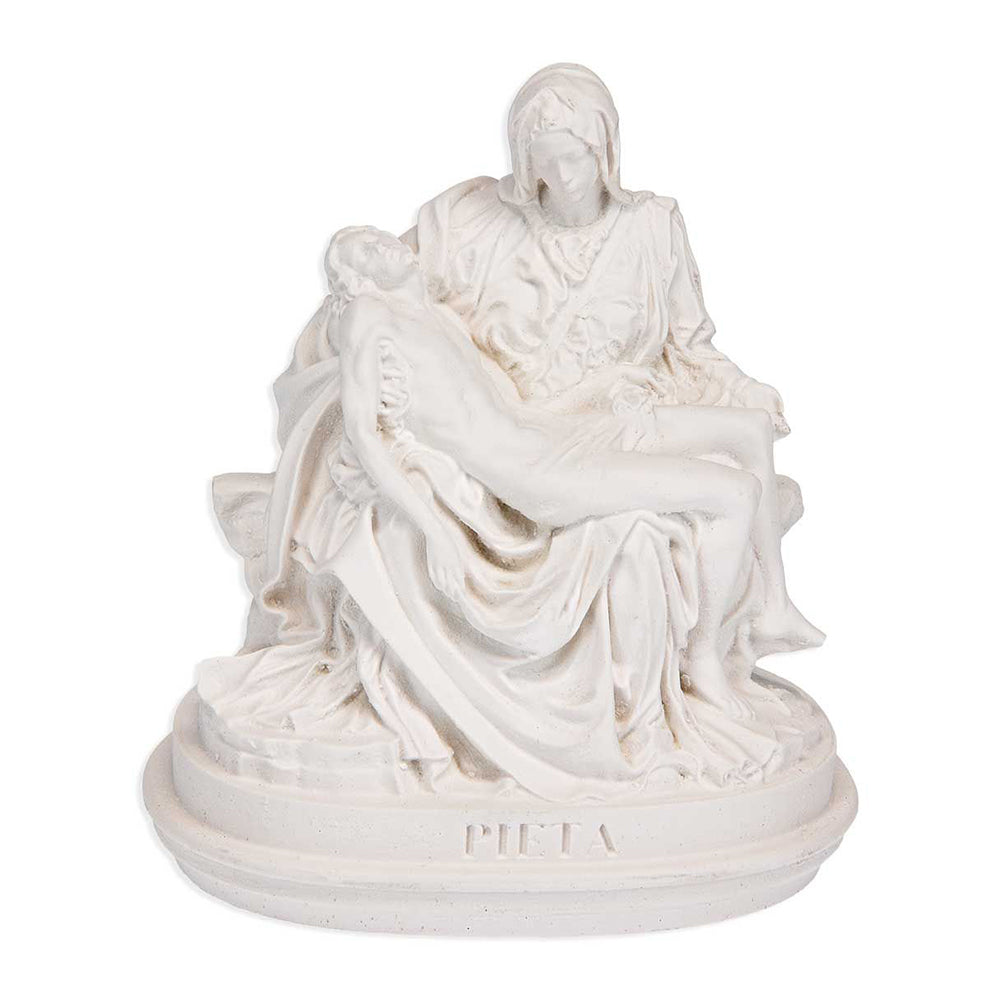
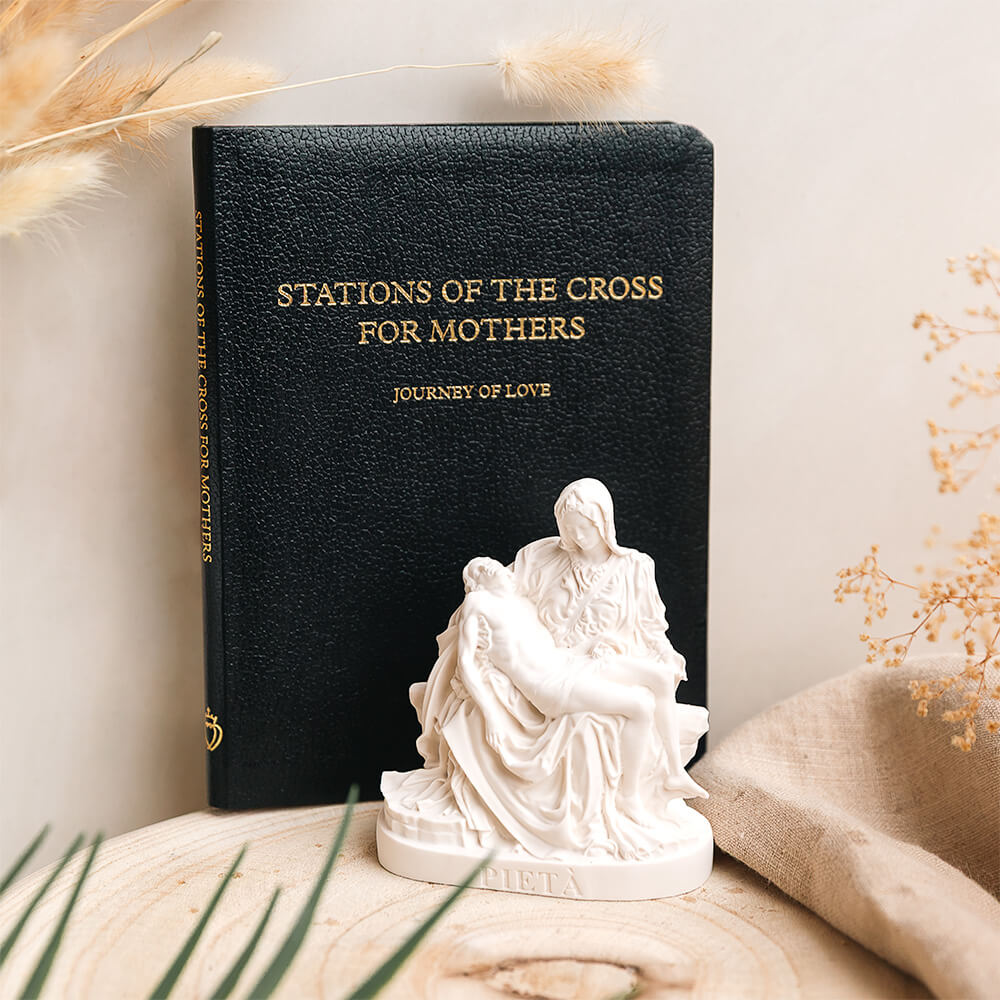
Another brilliant work of art that Michelangelo gave to the world is the Pieta, which brilliantly depicts Mary embracing the Crucified Christ. Discover our Mini Alabaster Pieta Statue at The Catholic Company today!