Marriage has been one of God's greatest gifts in my life, but that doesn't mean it has always (or ever) been easy. Like every vocation, my marriage has stretched my patience, taught me humility, revealed my weaknesses, and challenged me to love my husband more generously than I thought possible.
Many of its lessons have been humbling and painful, but they have made me a better wife, a better mother, and, I hope, a better disciple of Christ. One lesson has become especially clear over time: good marriages don't simply happen. They are deliberately cultivated.

How the Wedding Feast at Cana Changed My Marriage
Several years ago, our pastor, who was active in the Worldwide Marriage Encounter movement, invited married couples in our parish to participate in a marriage enrichment program called A Choice Wine: Seven Steps to a Superabundant Marriage.
He built the program around a monthly dinner date night. I wanted to enroll to protect what we treasured, but the reality was that I could not recall the last time we went out to dinner on a date! We were in the good company of 40-50 other couples.
Once a month our parish gym was transformed into a beautiful date-night setting with candlelight, flowers, and shared tables where couples enjoyed a lovely catered meal, wine, conversation, prayer, Scripture, and teaching from our pastor and other beloved priests.
Nothing dramatic happened during those evenings. Instead, they were filled with ordinary moments that restored hope. The greatest gift my husband and I received was simply slowing down long enough to pay attention to our marriage along with the other couples.
Whether newly married or celebrating sixty years together, despite our different personalities, occupations, cultures, and stages of life, I was struck by how similar our sacrifices, frustrations, hopes, and prayers really were.
When the Miracle of Cana Began for Me
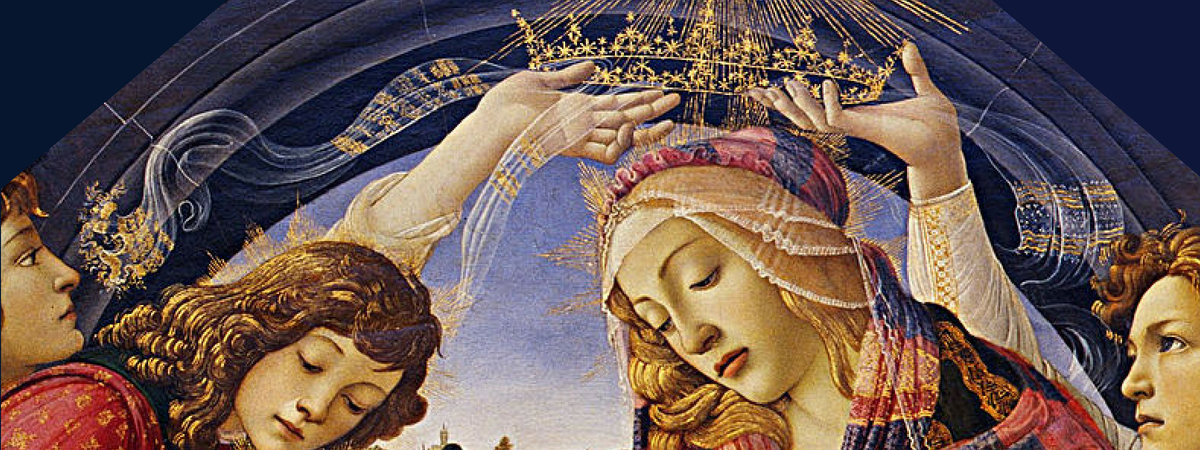
For many years now, I've had a place in my heart for the story of the Wedding Feast at Cana. In my early 30s I sought some marriage counseling from our parish priest, who gave me a prayer card featuring an image and a bible verse from the story.
He suggested I pray with the card, asking the Lord to turn the water of my marriage into the finest wine. Almost thirty years ago, I began praying that simple prayer every day, especially during difficult moments in our marriage.
Of course I knew the story of Jesus turning water into wine, but during my meetings with our priest I began to see it as a metaphor for what Christ could do in my marriage and in my life. Twenty years later, during those special parish date nights, I found myself lingering over a question:
Why did Jesus choose a wedding for His first miracle?
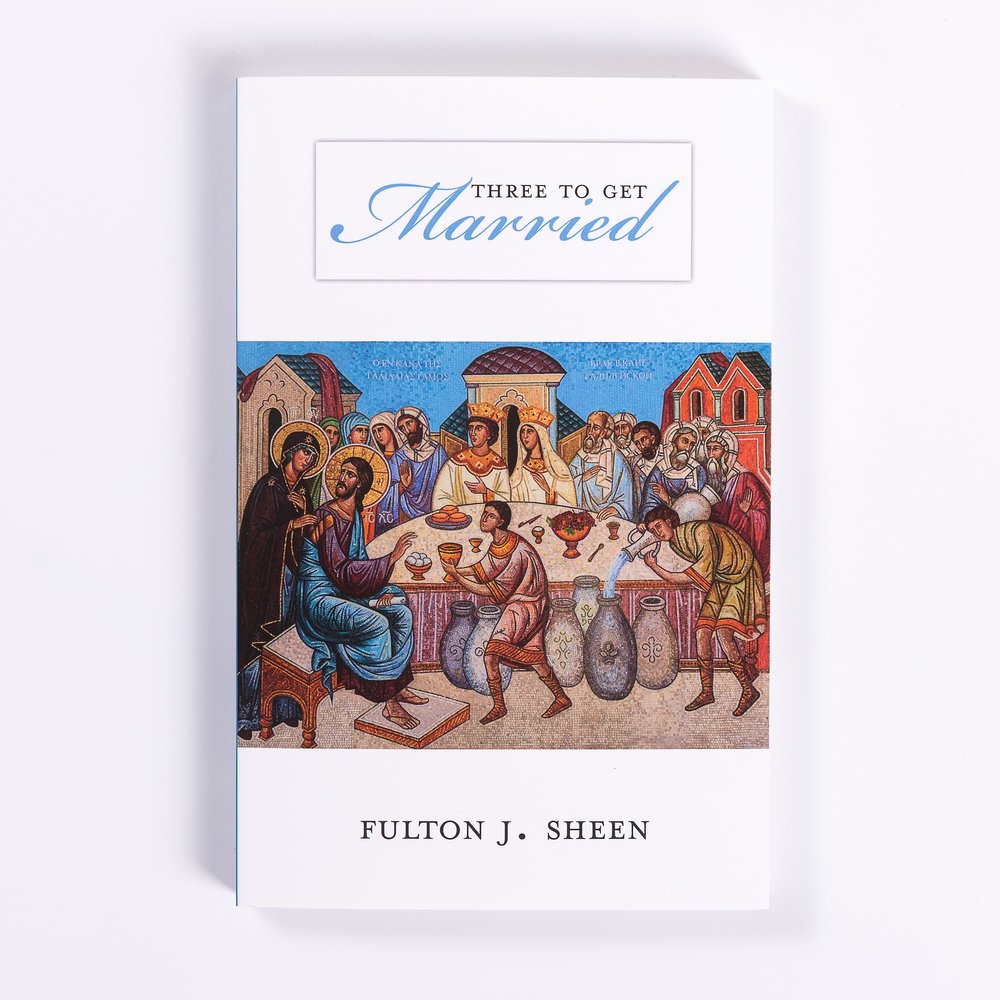
[[personalized-10-commandments-of-marriage-damask-black-framed-print,sacrament-of-matrimony-holy-mass-crucifix]]
Why Did Jesus Choose a Wedding?
Jesus could have revealed His glory anywhere. He could have begun His public ministry by healing a blind man, raising someone from the dead, or performing a miracle before astonished crowds in the Temple.
By choosing a wedding for His first public sign, He affirmed the beauty of marriage and entered into it with His presence. He cares about the ordinary lives husbands and wives are building together one day at a time.
That realization changed the way I looked at my own marriage. It's so easy to fall into the trap of placing God only in the obviously spiritual parts of life: our prayer, our time at Mass, our works of charity, or our volunteering in parish ministries.
The Wedding Feast at Cana reminds us that He also cares about dinner tables, family conversations, shared laughter, disappointments, and the intimate, ordinary routines that shape married and family life. He desires to be present in all of it.
When the Wine Runs Out
The Gospel tells us that during the wedding celebration, the wine ran out. As we reflected on this passage during A Choice Wine, I had a realization that has stayed with me ever since.
I was not alone in my marital challenges. What I was experiencing happens to many couples. Most often, it isn't because love has disappeared, but because life asks so much of us in our limited humanity. The years pass more quickly than we expect, while our families and careers become busier.
As children are growing more independent, parents grow older and need our care, homes require constant attention, we juggle schedules, responsibilities, chores, bills, and fall into bed exhausted at the end of the day.
Ironically, many of these demands are signs of a beautiful and fruitful life together, yet somewhere along the way, husbands and wives may discover that the restorative, intimate and quiet moments they once shared are now increasingly rare.
The friendship that first drew them together hasn't disappeared; it has simply been crowded out by the very life they worked so hard to build. Perhaps that is what moves me most about Cana.
The miracle begins with a couple who simply doesn't have enough.
How many married couples have quietly felt the same way - not enough time, not enough patience, or not enough energy? Sometimes it feels as though there isn't enough joy. I know my husband and I have both felt that during our thirty-one years of marriage.
Just as it happened at Cana, if we invite Him into the feast of our marriage, Christ enters the moment of our need. He steps into it and transforms it with His generosity and love.
[[discernment-of-spirits-in-marriage-ignatian-wisdom-for-husbands-and-wives,mary-untier-of-knots-marriage-prayer-in-dark-onate-frame]]
"Do Whatever He Tells You"
One detail in the Wedding Feast at Cana stands out to me more each time I read it. Mary notices the problem before anyone else seems to, and quietly turns to Jesus, saying,
"They have no wine." (John 2:3)
Her profoundly beautiful response echoes her motherly love and attentiveness. She softly, simply, and confidently places the need before her Son, then speaks one of the most important phrases in all of Scripture:
"Do whatever he tells you." (John 2:5)
With that instruction, Our Lady spoke not only to the servants at Cana, but to every disciple in every age. Her directions are especially relevant within marriage.
When married life becomes difficult, our instinct is to focus on what our spouse needs to change. We begin keeping score, noticing what is lacking instead of recognizing the gifts that are still present. It's human nature to look around, and not within, when things become challenging.
Mary gently redirects our attention. She doesn't point to the bridegroom who planned and paid for the wedding feast. She points to Jesus, as always. That realization challenged me. During our months in A Choice Wine, we spent a great deal of time talking about communication, forgiveness, priorities, and making time for one another. Those conversations were valuable, but they all pointed toward something deeper.
A healthy marriage is not built simply by becoming better communicators or more thoughtful spouses. Those things matter immensely, but they are the fruit of something greater. A Christian marriage flourishes when two people continually turn toward Christ together.
If we do, He will ask us to forgive when we would rather remain hurt. He will ask us to listen when we would rather defend ourselves. He will prompt us to apologize first, even when we are convinced the other person bears most of the blame.
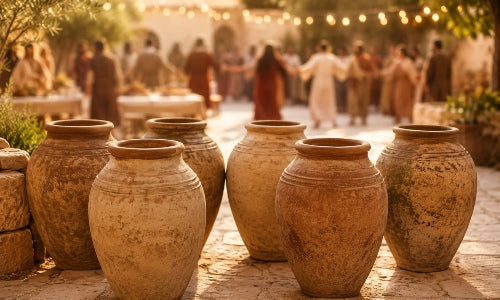
He asks us to put away our phones, postpone the chores, and spend uninterrupted time focused on the person we promised to love for the rest of our lives. Those invitations rarely seem dramatic. Then again, neither did filling six stone jars with water.
[[spousal-prayer-a-way-to-marital-happiness,silver-wedding-rings-wall-cross-4-75h]]
Obedience at the Wedding Feast
Imagine what the servants must have been thinking during the Wedding Feast. They had run out of wine, and Jesus instructed them to fill the ceremonial washing jars? Surely that seemed completely unrelated to the problem at hand.
The jars were for water used in ritual purification: washing hands and feet or cleansing cups and platters. Still, they obeyed, and their ordinary act of courtesy and obedience became the setting for a miracle. Marriage often works the same way.
In my case, I prayed for dramatic solutions while Christ quietly invited me to be faithful in the most ordinary details of our lives. I pleaded with Him to restore joy to our marriage, and He invited me to ask my husband to pray together. I sought restoration of our relationship, so He asked me to begin by forgiving from the heart, then asking forgiveness of my husband. I prayed for us to feel close again, and He asked us to prioritize time for one another.
Simple acts like these are our own ceremonial jars of water. They may seem small, but they are precisely where Christ continues to perform His miracles. He has always delighted in taking from our hands what appears ordinary and transforming it through His grace.
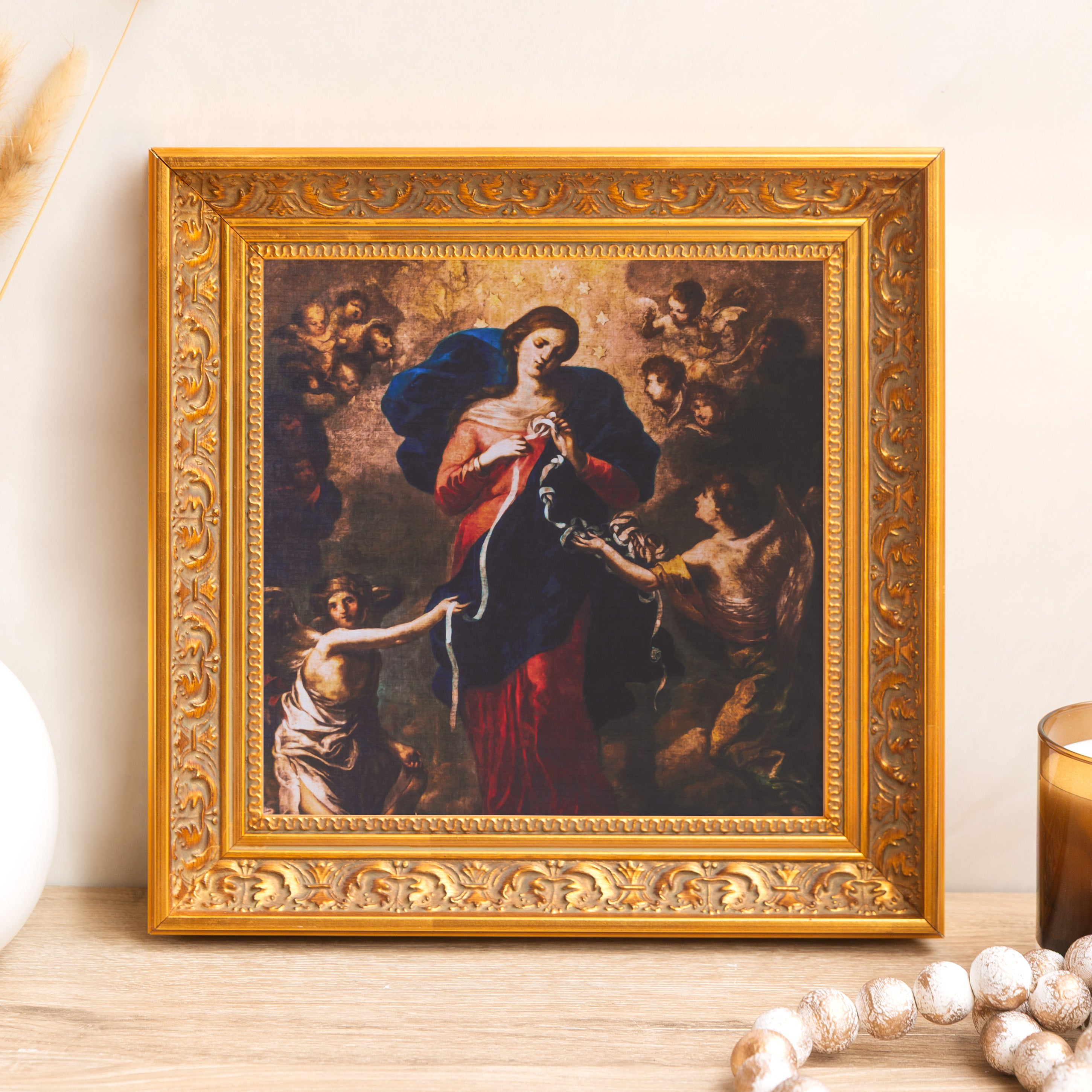
Our Lady, present at that first miracle in Cana, can also intercede for us in our marriages. A devotion to the Blessed Virgin Mary that has grown in popularity among the Catholic faithful in recent years has an interesting and unusual title: Our Lady Undoer of Knots.
The devotion is centered on an image of Our Lady untying a series of knots in a long wedding ribbon. It originated in the 17th century with a troubled marriage on the brink of divorce that was restored to health through Our Lady’s intercession. This saving event was afterwards memorialized in a painting of the Blessed Mother, serenely untying the knotted wedding ribbon, which represented the couple’s marital disharmony.
Discover the transformative power of this devotion in the Good Catholic series, Our Lady Undoer of Knots.
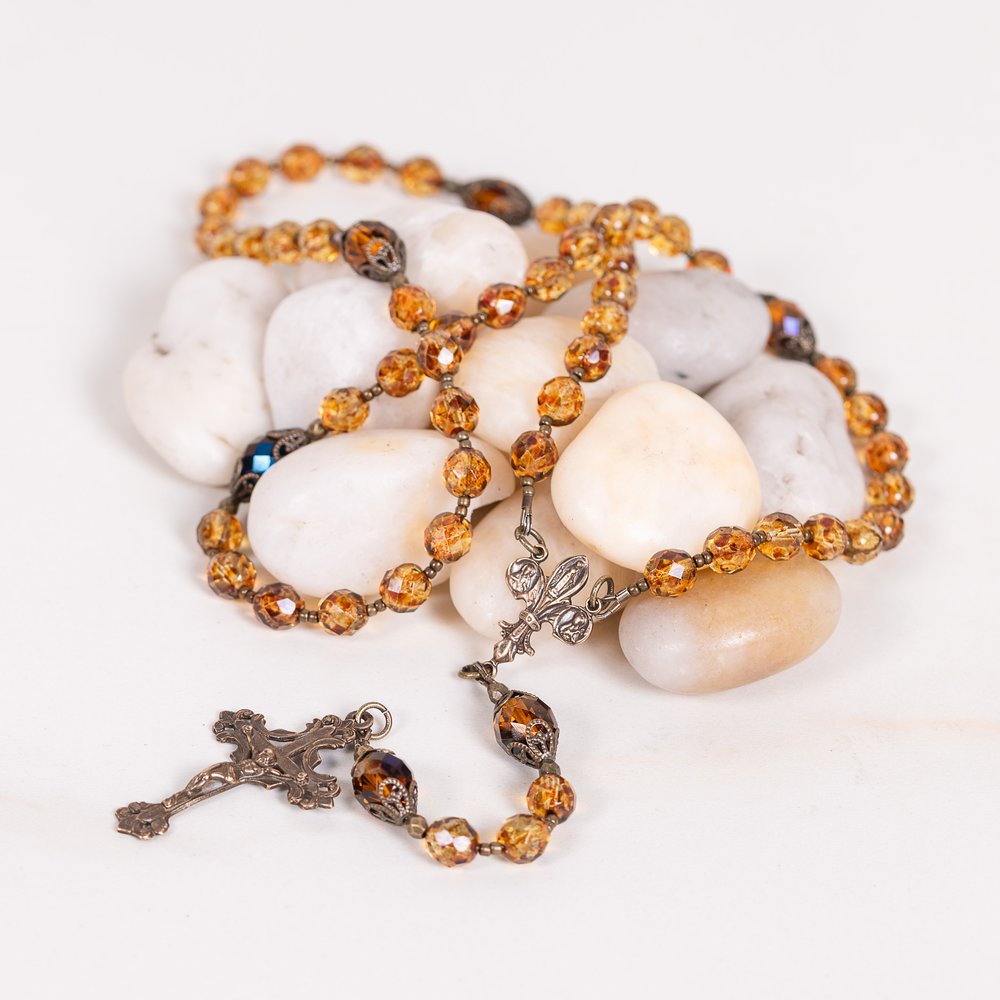
[[understanding-mary-undoer-of-knots-booklet,petite-mary-undoer-of-knots-rosary-with-holder]]
When a Marriage Is Deeply Wounded
In speaking about hope in marriage, we also need to acknowledge a reality many people carry quietly: Not every marriage is simply tired and in need of rejuvenation. Some are painfully and deeply wounded. I have lived that reality in my own marriage, and it is a great agony.
Mental illness, addiction, infidelity, abandonment, emotional abuse, or physical violence can place spouses or their children in unstable or dangerous circumstances. If that is your situation, it is important to remember what the Church teaches and understand what that means in living your own obedience.
The Church treasures the permanence of marriage because she treasures the dignity of the husband, the wife, and the family. At the same time, the Church has never taught that a spouse or child should remain in an abusive or dangerous situation.
Seeking safety, protecting your children, and turning to trusted family members, your pastor, professional counselors, or civil authorities when necessary is not a failure of faith. Sometimes the most loving step a person can take is to establish healthy boundaries while praying for healing, and seeking wise guidance from a trusted priest or counselor.
Christ's presence at Cana reminds us that He enters places of great need, but His miracles do not always unfold in the way - or the timing - we expect.
Sometimes He restores a relationship and heals wounded hearts. Sometimes He gives us the strength and discernment to persevere in a seemingly insufferable situation, and at other times His grace leads us to difficult decisions that protect life and dignity.
The same Lord who blessed the Wedding at Cana walks beside every husband and wife who sincerely seeks His help. Bring it all to Him. He is still the Lord who transforms water into wine, sorrow into hope, and despair into new life, but different circumstances produce different wine.
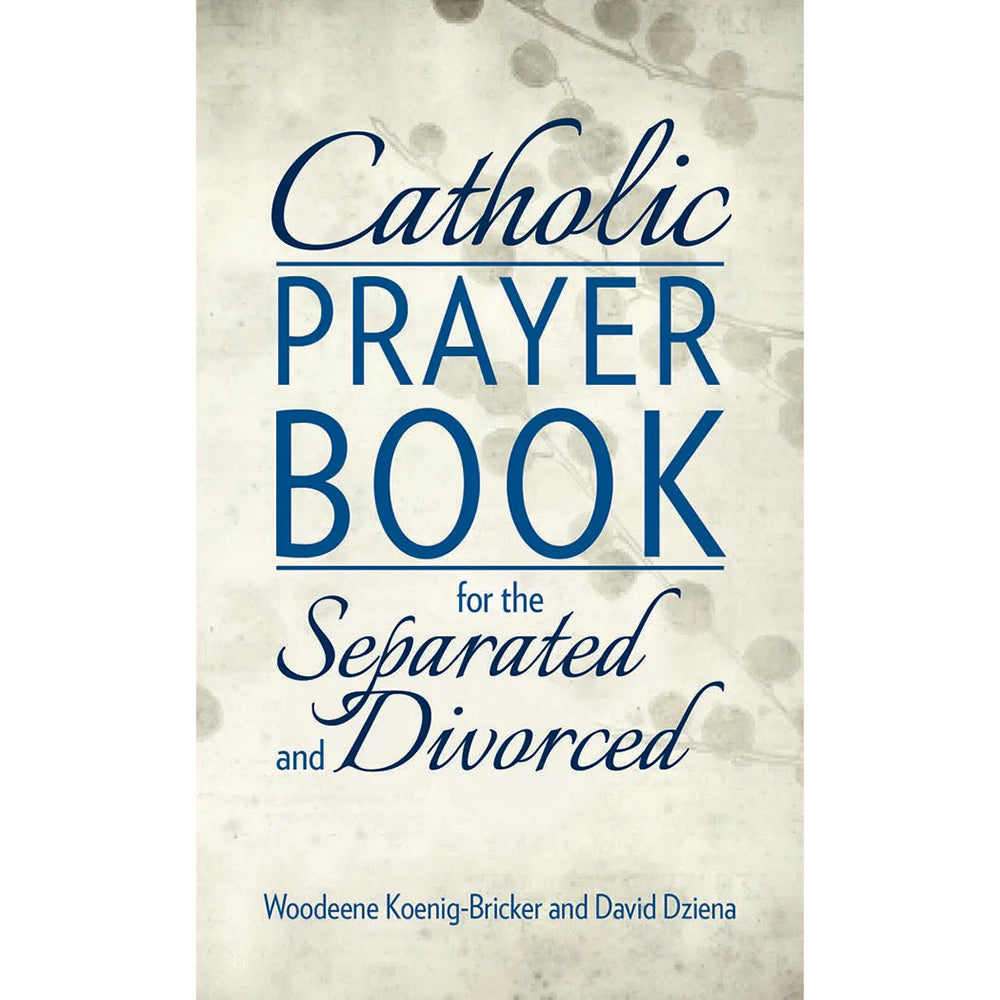
[[the-gift-of-self-a-spiritual-companion-for-separated-and-divorced-faithful-to-the-sacrament-of-marriage, serenity-prayer-toile-cross]]
The Best Wine Was Saved Until Last
One final detail in Cana continues to encourage me. After the miracle, the headwaiter calls the bridegroom over and says,
"Everyone serves good wine first, and then when people have drunk freely, an inferior one; but you have kept the good wine until now." (John 2:10)
At first, those words simply describe the miracle. The water had become wine of such extraordinary quality that it surprised everyone at the feast. Because this story has become an important lens through which I view my marriage, this verse has greater meaning to me:
Our culture often suggests the best part of marriage is its exciting beginning - engagement, the wedding day, the honeymoon, and the joy of building a new life together.
Those years are wonderful, energized by youth, fresh experiences, and the joy of sharing in this great adventure, but they are only the beginning of what God intends. His deepest desire is to make both husband and wife holy. The Sacrament of Matrimony is one of the ways He accomplishes this work.
As Christ sanctifies you both through your marriage, He prepares you for heaven, and asks you to help your spouse reach heaven as well. Nurturing and growing two imperfect people into saints who will lead each other to heaven takes time, and the pruning can be painful.
It is forged through countless ordinary days and routine sacrifices that no one else sees. It is strengthened every time a husband and wife choose forgiveness over resentment, generosity over selfishness, patience over frustration, and faith over discouragement. The vocation of marriage isn't simply about staying together. It is about helping one another become saints.
My husband and I are not the same two young people who stood before the altar on our wedding day thirty-one years ago. We have celebrated milestones we never imagined, and carried crosses we never expected.
Together and individually, we have made many mistakes, learned difficult lessons, and discovered that love is much more than a feeling. It is a daily decision to seek the good of the other, even when it requires the greatest of sacrifices.
In response to my prayers, Christ has been doing something deeper than strengthening our marriage in these last 31 years. He has been slowly shaping each of us through it.
That is why the Wedding Feast at Cana continues to fill me with hope. Jesus did not simply rescue an embarrassed couple from an awkward situation. He revealed how He works within a marriage, entering an ordinary relationship and transforming it through grace.
It happens in subtle ways. One apology, one shared prayer, one evening spent talking instead of scrolling, and one cup of coffee together at a time. These are the places where Christ continues His first miracle.
He takes the ordinary water of everyday married life and transforms it into something richer, deeper, and more beautiful than we could have imagined. It becomes the finest wine.
[[st-jude-impossible-causes-decade-rosary-with-card,prayers-of-desperation-a-questioners-prayer-for-answers-in-our-darkest-moments]]
Keep Inviting Christ Into Your Marriage
It is surprisingly easy to neglect the most important human relationship we have after our relationship with God. We devote ourselves to our children, our work, our homes, our ministries, our friendships, aging parents, and countless other responsibilities. Without intending to, we begin assuming our marriages will somehow take care of themselves.
They won't.
Like every living thing, a marriage is either growing or slowly weakening. It needs attention, conversation, prayer, laughter, forgiveness, and intentional time together. Most of all, it needs Christ. Everything we do in this life either moves us toward Him or away from Him, yet Christ is always waiting, eager to be invited more deeply into our lives.
Whether you have been married six months or six decades, if this resonates for you, ask Jesus to help you begin again. Plan a date night. Pray together before bed. Hold hands during Mass. Choose conversation instead of another evening in front of a screen. Go to Confession. Receive the Eucharist together. Celebrate your anniversary. Bless one another before leaving for work each morning.
None of these habits seem extraordinary, but neither did six ceremonial jars filled with water.
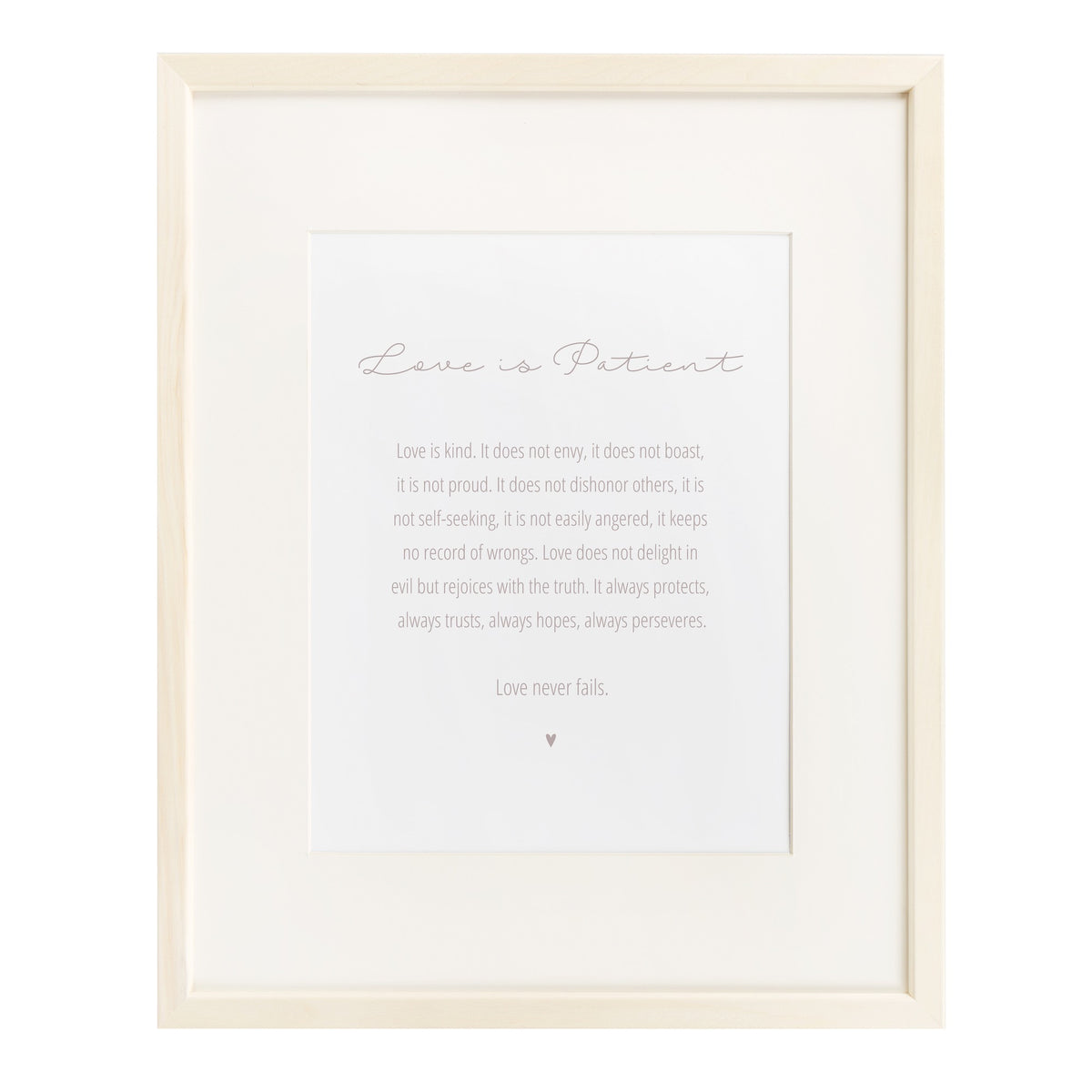
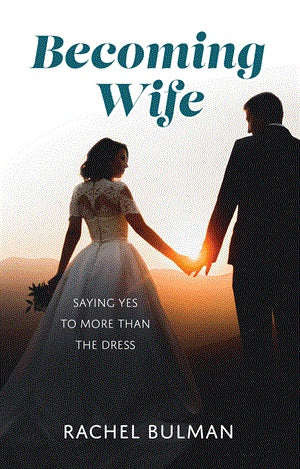
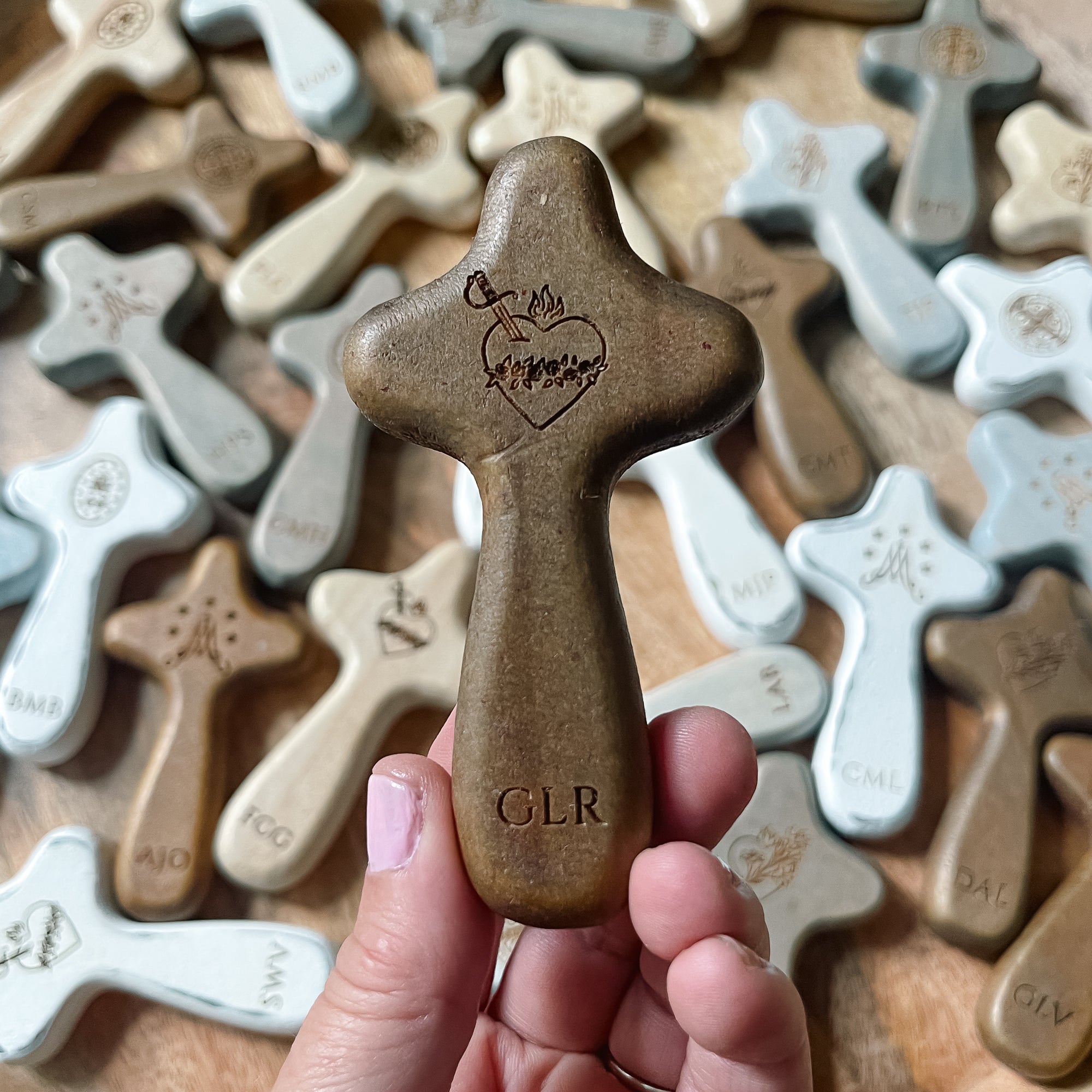
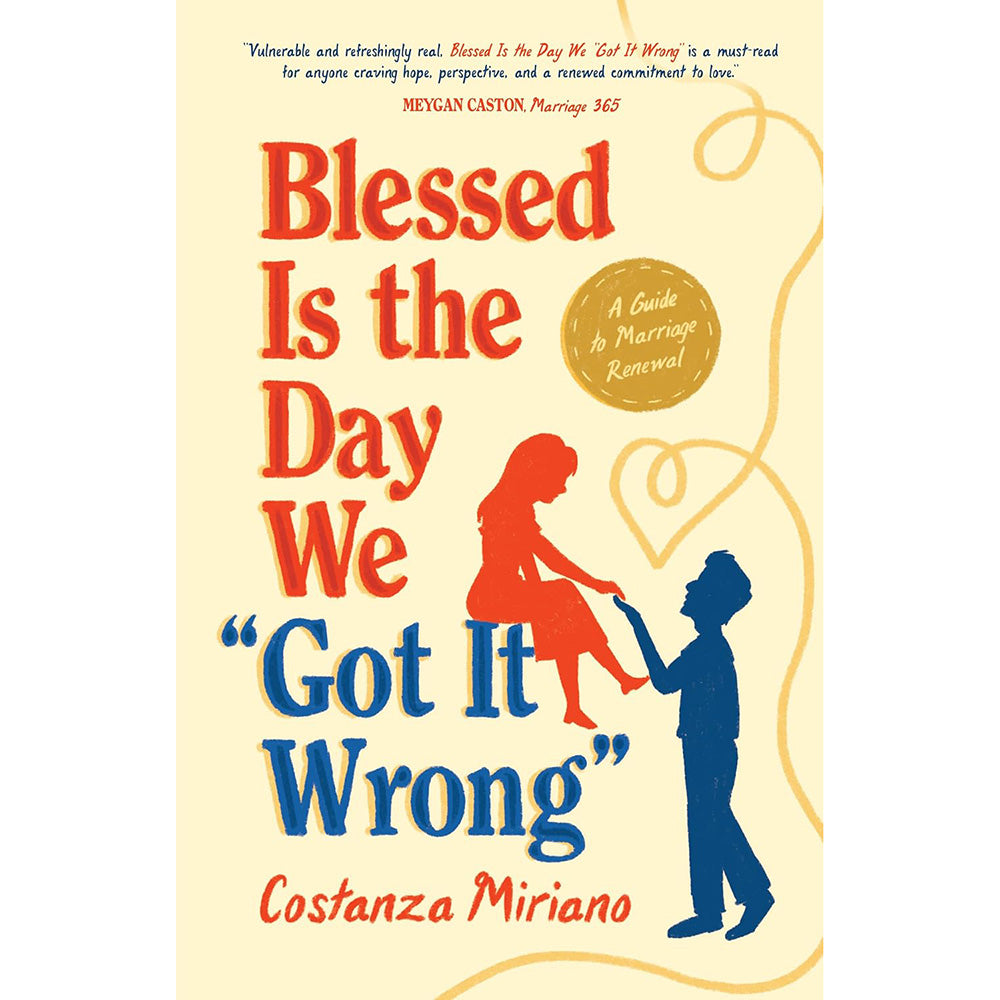
If you're looking for practical ways to keep Christ at the center of your marriage, consider a crucifix, an image of the Holy Family, a framed marriage prayer, or a devotional or book you can share. These quiet reminders help keep your hearts turned toward Christ together.
Marriage Points Beyond Itself
From Genesis to Revelation, Scripture tells the story of God's covenantal love in nuptial language. Every Christian home is meant to become a small reflection of that great love story, preparing us for the Eternal Wedding Feast of the Lamb.
May your home always be a place where He is welcomed, your burdens are shared, your joys are multiplied, and you help each other reach heaven as you conform yourselves to Him.
For many years now I have prayed my daily prayer,
"Take the water of my marriage, Lord, and turn it into the finest wine."
It is one of the simplest and most hopeful prayers I know. May it become yours as well.