Each year on July 11, Catholics around the world celebrate the Feast of St. Benedict, one of the most influential saints in Church history. Known as the Father of Western Monasticism, he shaped Christian spirituality through his wisdom, humility, and devotion to God.
His legacy continues today through the Rule of St. Benedict, the beloved Benedictine motto "Ora et Labora" ("Pray and Work"), and the St. Benedict Jubilee Medal, one of the Church's most cherished sacramentals and symbols of spiritual protection.
Who Was St. Benedict?
St. Benedict was born in Italy around A.D. 480 during a time of political upheaval and social decline following the fall of the Roman Empire. As a young man, he left his studies in Rome to pursue a life dedicated entirely to God.
Seeking solitude, he lived as a hermit in a cave near Subiaco, a town about 45 miles east of Rome. His reputation for holiness soon attracted followers, and he eventually founded several monasteries. The most famous was Monte Cassino, where he established a way of life centered on prayer, work, community, and obedience to Christ.
As Benedict's influence grew, so did the number of men seeking his guidance. What began as a solitary vocation eventually became a movement that would transform Christian life throughout Europe and beyond.
His influence spread across the continent, later earning him the title Patron of Europe. Today, his spiritual wisdom continues to guide religious communities and inspire lay faithful.
[[the-cross-and-medal-of-saint-benedict-a-mystical-sign-of-divine-power-home-blessing-gift-set,personalized-saint-benedict-holy-water-bottle]]
The Story Behind St. Benedict's Protection Against Evil
Many Catholics know St. Benedict as a powerful patron against spiritual dangers, and this association comes directly from events in his life. According to tradition, he survived multiple murder attempts because of his unwavering faith and God's protection.
In one famous account, a community of monks in Vicovaro invited him to become their abbot after their own superior died. Benedict initially refused, knowing that his strict way of life would clash with their lax practices, which were well-recognized. Eventually he agreed to lead them, but resentment soon grew among the monks.
To rid themselves of Benedict, they attempted to poison his wine during a community meal. As he made the Sign of the Cross over the cup, it shattered instantly, revealing the deadly plot. Benedict departed and returned to Subiaco.
Another story tells of enemies who sent him poisoned bread. Before he could eat it, a raven he regularly fed swooped down and carried the loaf away, preventing him from being harmed.
These miraculous events contributed to Benedict's reputation as a protector against evil, temptation, and spiritual attacks. Over time, prayers invoking his intercession became associated with the St. Benedict Medal, one of the Church's most beloved sacramentals.
[[the-saint-benedict-prayer-book,mini-stainless-st-benedict-paracord-rosary-blue-or-black]]
The History & Meaning of the St. Benedict Medal
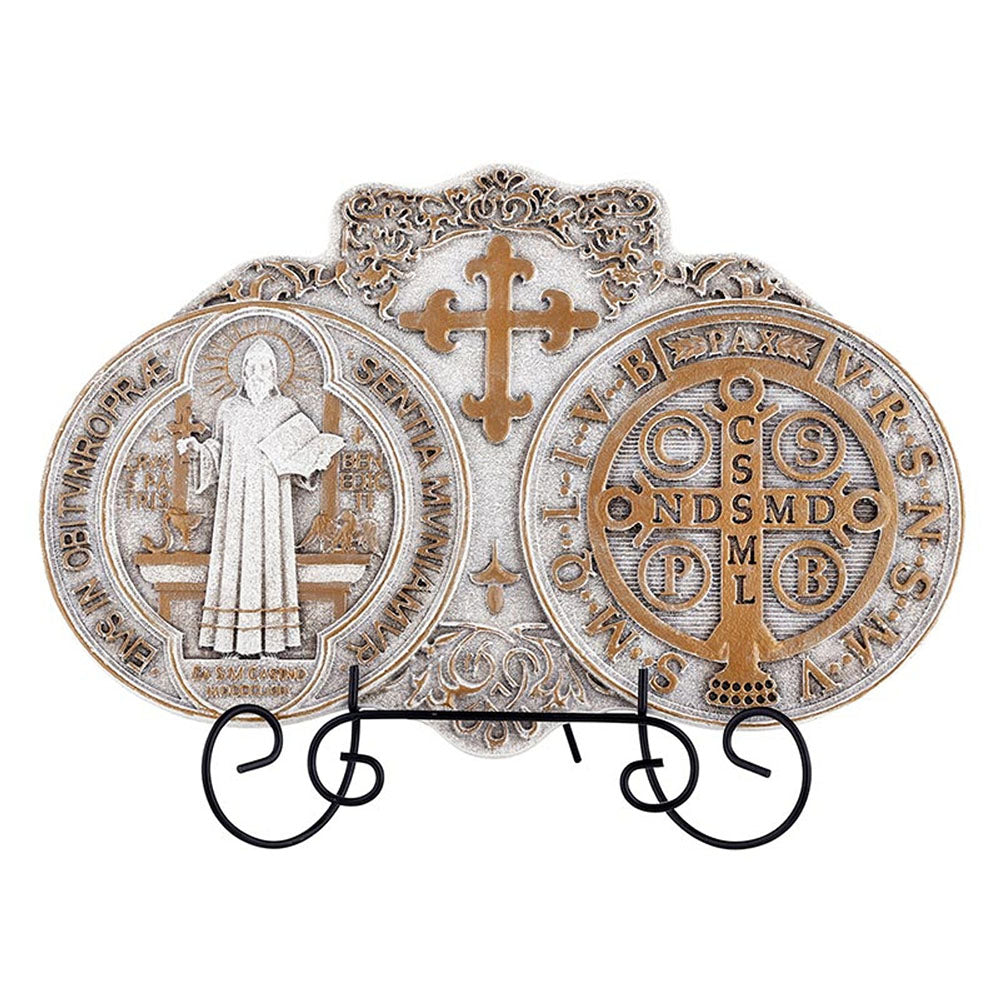
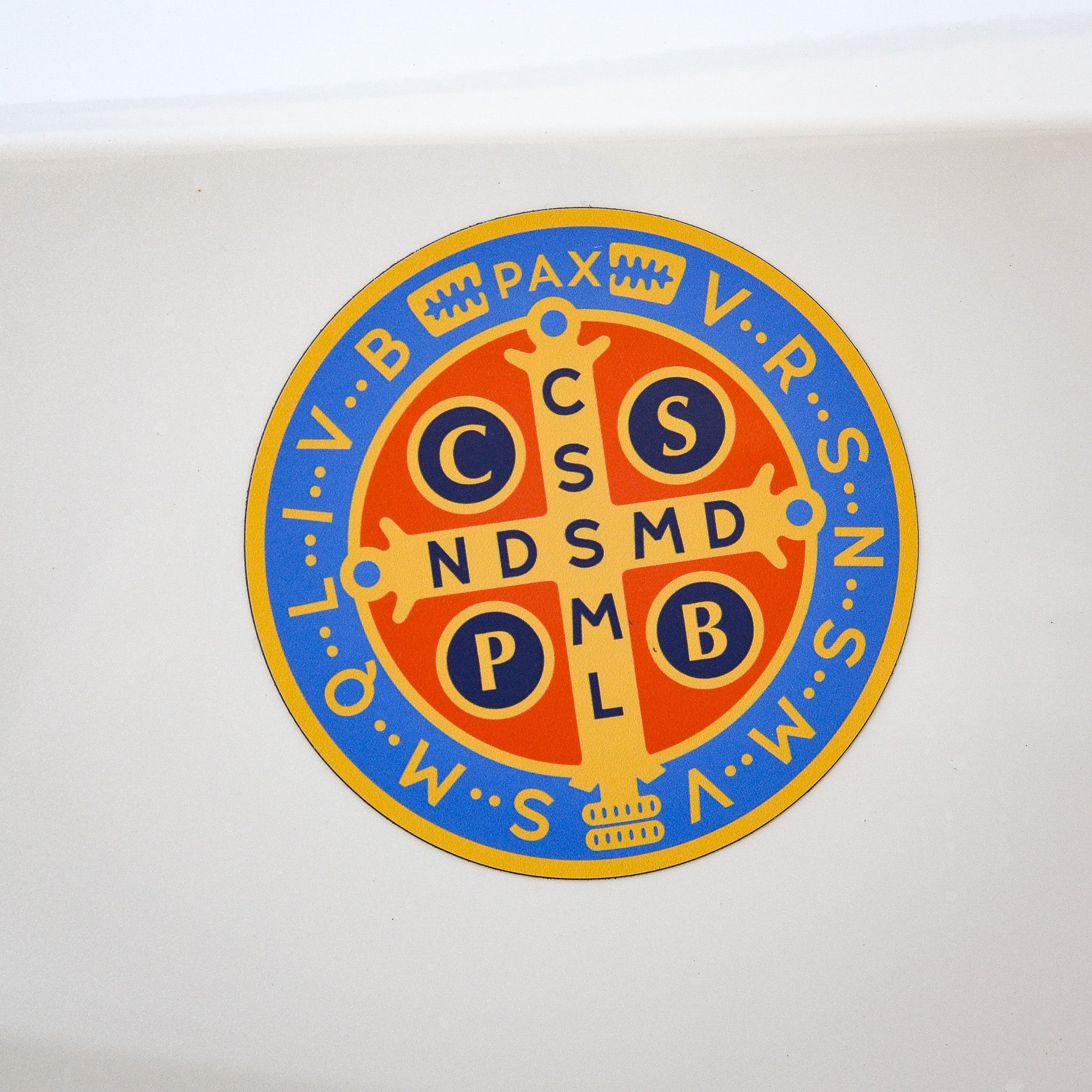
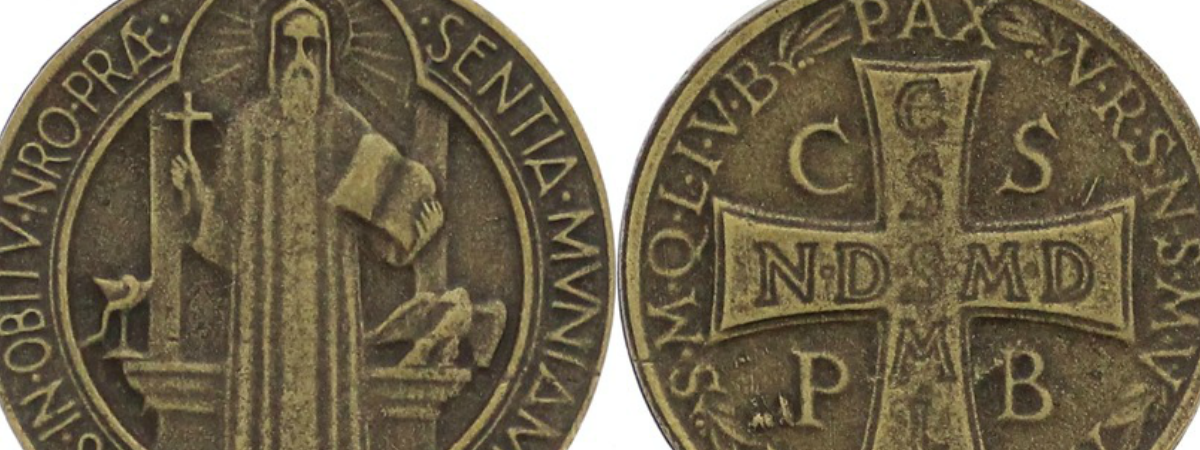
The St. Benedict Medal is rich with symbolism and prayer, including Latin initials representing prayers asking God for protection from evil and strength against temptation, and imagery taken from the life of the humble saint.
Its history begins when librarians in the Benedictine Abbey of Metten in Germany found an ancient image of St. Benedict holding a cross and a scroll, bearing abbreviated prayers. Among them was the phrase "Vade Retro Satana" ("Begone, Satan"), which became part of the medal's distinctive inscription.
The first medals were struck and distributed throughout Europe as early as the 11th Century, and in 1741 the Holy Father formally approved it as a devotional and sacramental.
The familiar version worn today is known as the Jubilee Medal. It was created in 1880 by the monks of Monte Cassino to commemorate the 1,400th anniversary of St. Benedict's birth.
(Learn more about this devotion in our post: How to Use the St. Benedict Medal)
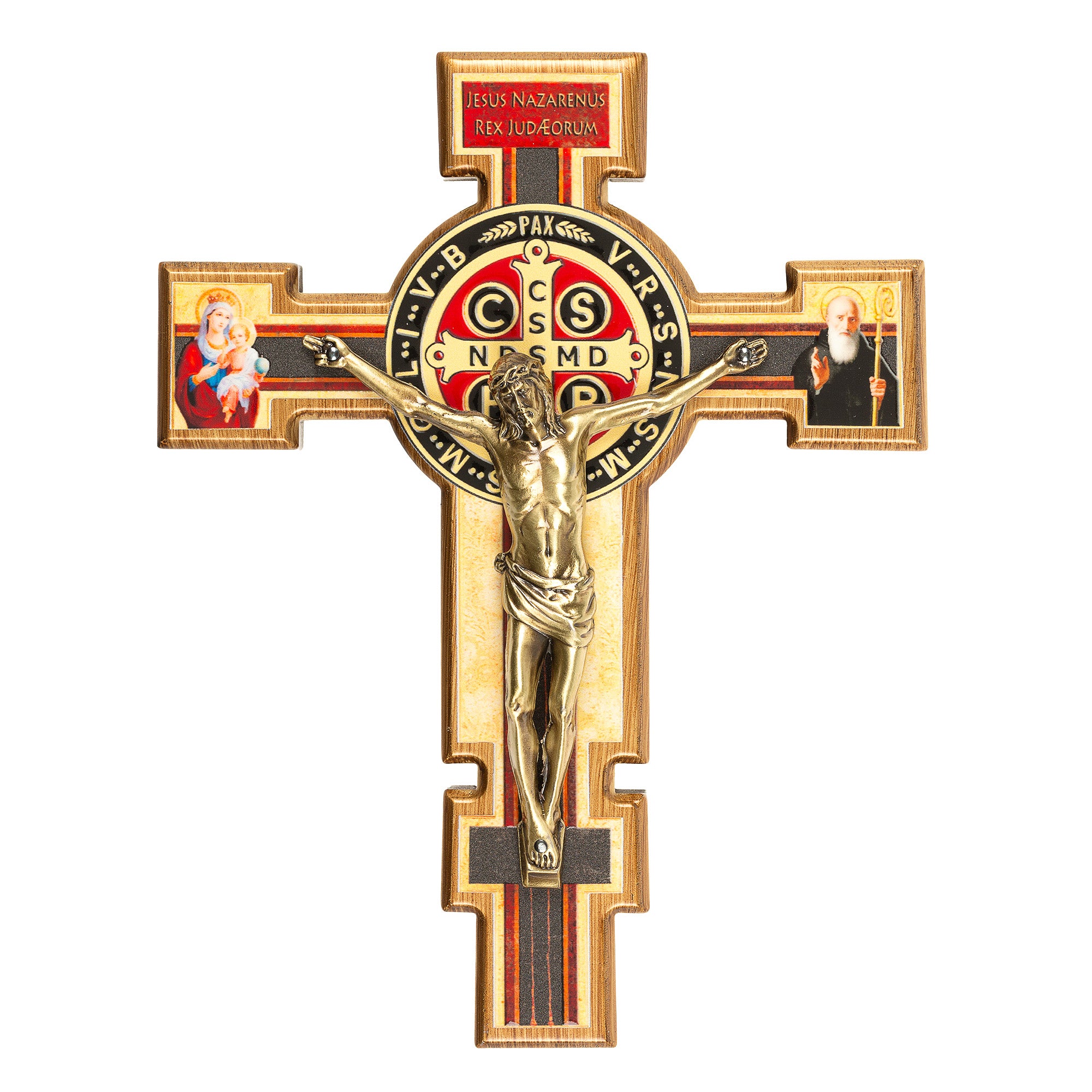
The design incorporates symbols from his life, including the poisoned cup and the raven that saved him from the poisoned bread. On the reverse side appear abbreviated Latin prayers intended for reflection and memorization. Among them are CSSML ("May the Holy Cross be my light") and NDSMD ("Let not the dragon be my guide").
Around the edge appears the famous invocation: "Begone, Satan! Never tempt me with your vanities. What you offer is evil; drink the poison yourself."
For generations, Catholics have worn or displayed the medal as a reminder of Christ's victory over sin and the power of faith. The medal is not a good-luck charm, but a visible sign of trust in God's protection through the intercession of St. Benedict.
It is a spiritual weapon approved by the Church that brings special graces to those who wear, use, and honor its symbolism with faith in God as they seek St. Benedict's aid.
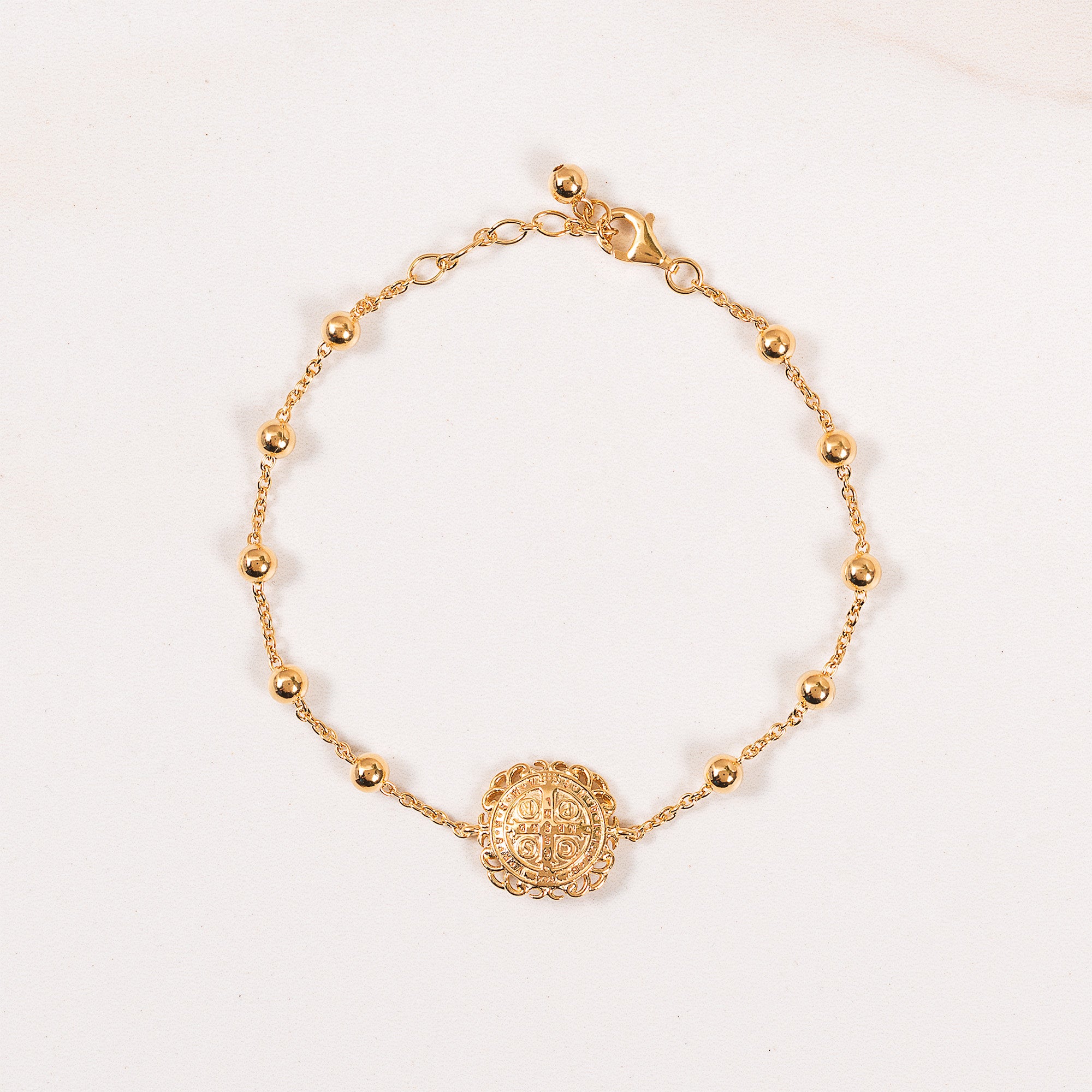
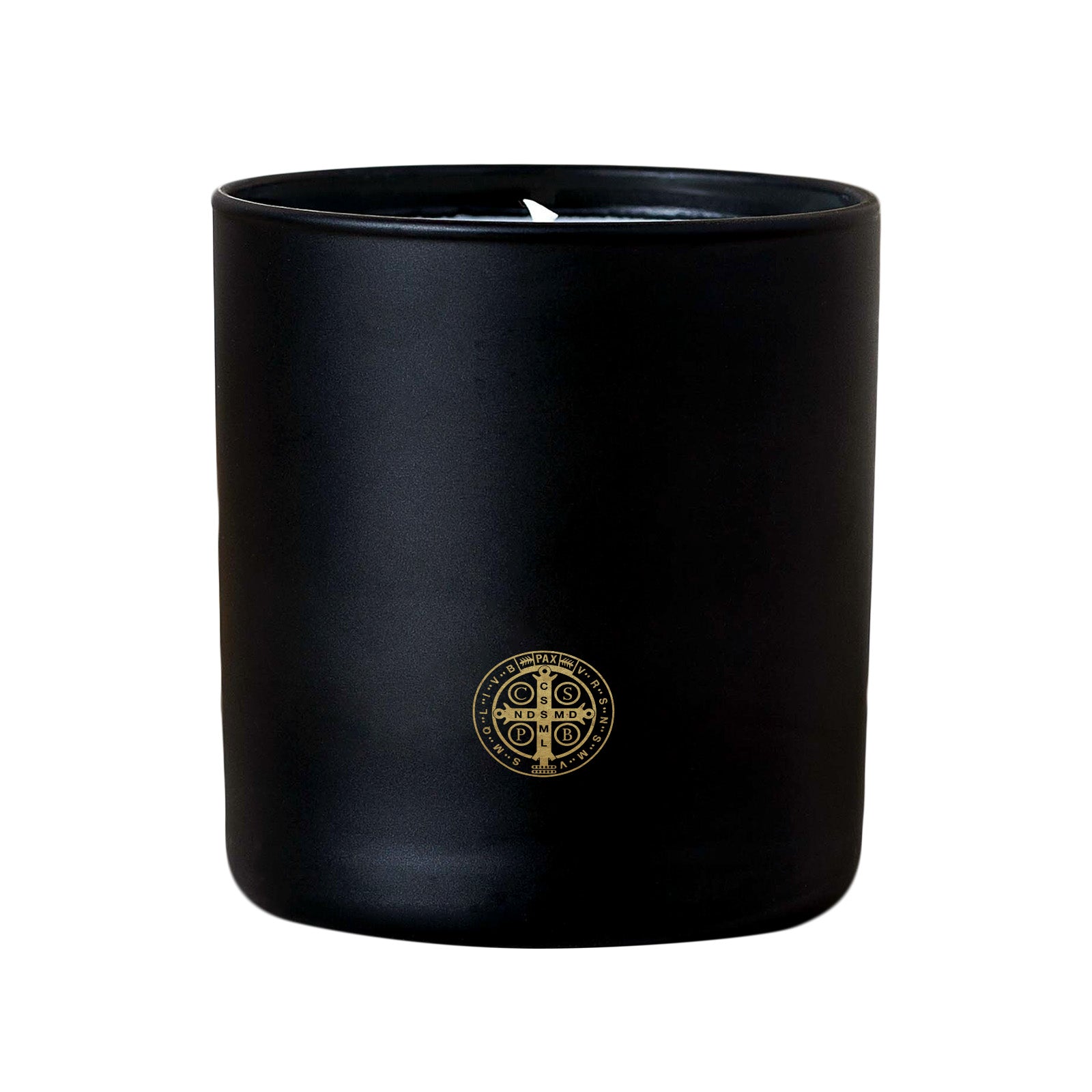
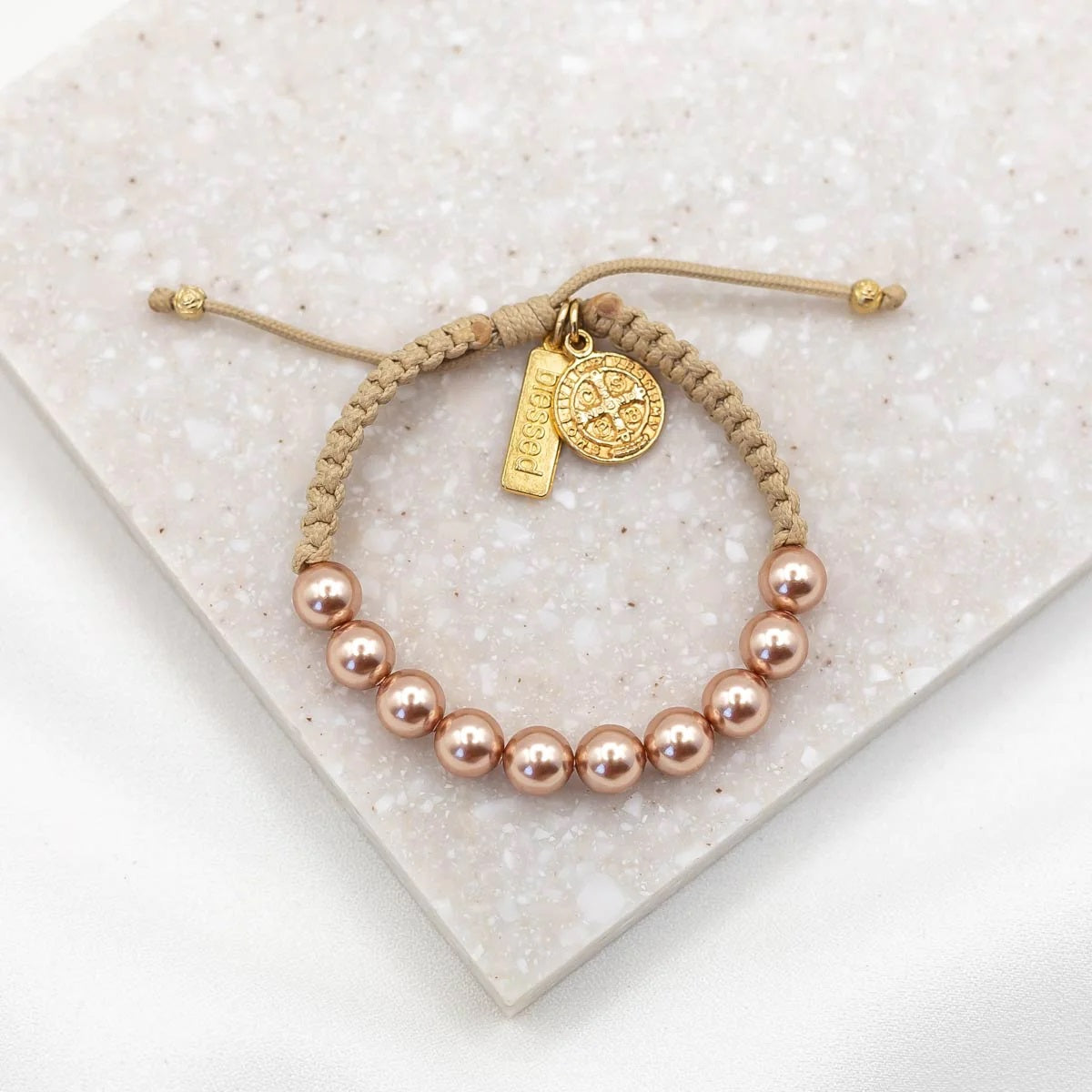
Today, the medals can be found on rosaries, crucifixes, home blessings, jewelry, keychains, and devotional gifts. Here at The Catholic Company we carry these beloved sacramentals in many forms They are powerful gifts of prayer and protection for those we cherish.
[[sterling-silver-st-benedict-filigree-rosary-ring,st-benedict-crucifix-miraculous-medal-spiritual-protectors-key-chain]]
[[mens-stamped-st-benedict-medal-ring,st-benedict-olive-wood-corded-bracelet]]
Ora et Labora: The Enduring Wisdom of St. Benedict
Perhaps no phrase is more closely associated with St. Benedict than "Ora et Labora" - "Pray and Work."
This simple motto became the foundation of Benedictine spirituality. Benedict believed that every aspect of life could be offered to God, whether through prayer, manual labor, study, hospitality, or service to others.
Rather than separating spiritual life from daily responsibilities, he taught that ordinary work could become an act of worship when performed with humility and devotion. More than 1,500 years later, this wisdom remains remarkably relevant.
In a world filled with distraction and busyness, where most of us cannot live as hermits and are not called to contemplative lives, St. Benedict reminds us to seek balance, discipline, and a deeper awareness of God's presence in our own particulary daily lives and duties.
[[joyful-botanicals-ora-et-labora-mug,st-benedict-chocolate-hazelnut-blend-coffee]]
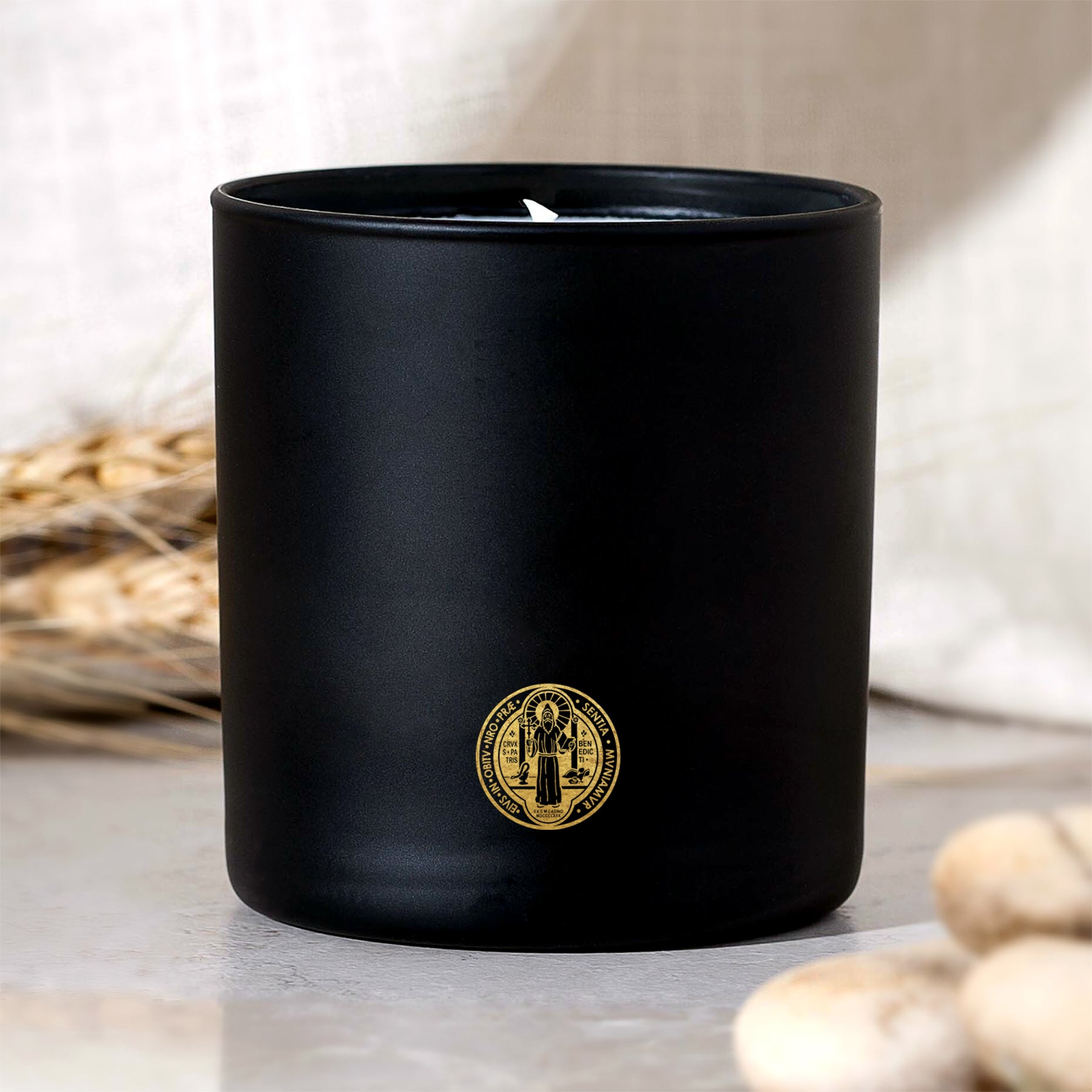
[[personalized-ora-et-labora-water-bottle,st-benedict-medal-ora-et-labora-black-scented-candle]]
The Rule of St. Benedict & Its Lasting Legacy
Around A.D. 530, Benedict wrote what became known as the Rule of St. Benedict, a guide for monastic communities that emphasizes prayer, humility, obedience, stability, moderation, and charity.
The Rule provided a practical framework for organizing religious life. Benedict established communities of monks under mature leaders while maintaining a balance between prayer, work, study, and community life. Its wisdom proved both deeply spiritual and remarkably practical.
Over time, The Rule became the foundation of the Benedictine Order and was adopted, adapted, and studied by countless religious communities, including those other than the Benedictines.
Its influence extended far beyond monastery walls. Benedictine monasteries became centers of learning, agriculture, hospitality, manuscript preservation, and evangelization, helping preserve Christian culture throughout the Middle Ages.
Even today, The Rule's teachings on leadership, discipline, stewardship, and community continue to inspire Christians, educators, families, and business leaders around the world.
[[black-wood-and-copper-st-benedict-crucifix-8,humility-rules-saint-benedicts-12-step-guide-to-genuine-self-esteem]]
[[st-benedict-medal-rosary-holder-or-key-holder,st-benedict-icon-cross-6]]
St. Benedict as a Model of Trust & Faith for Kids
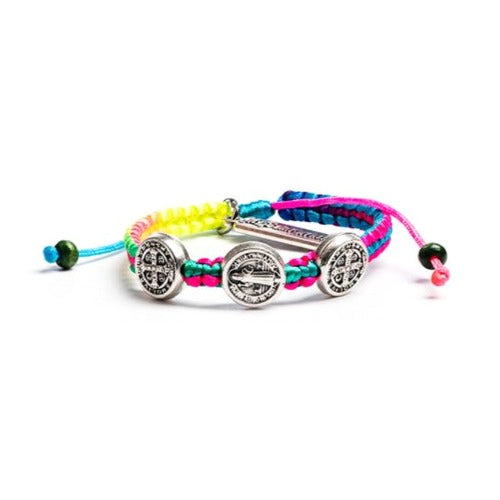
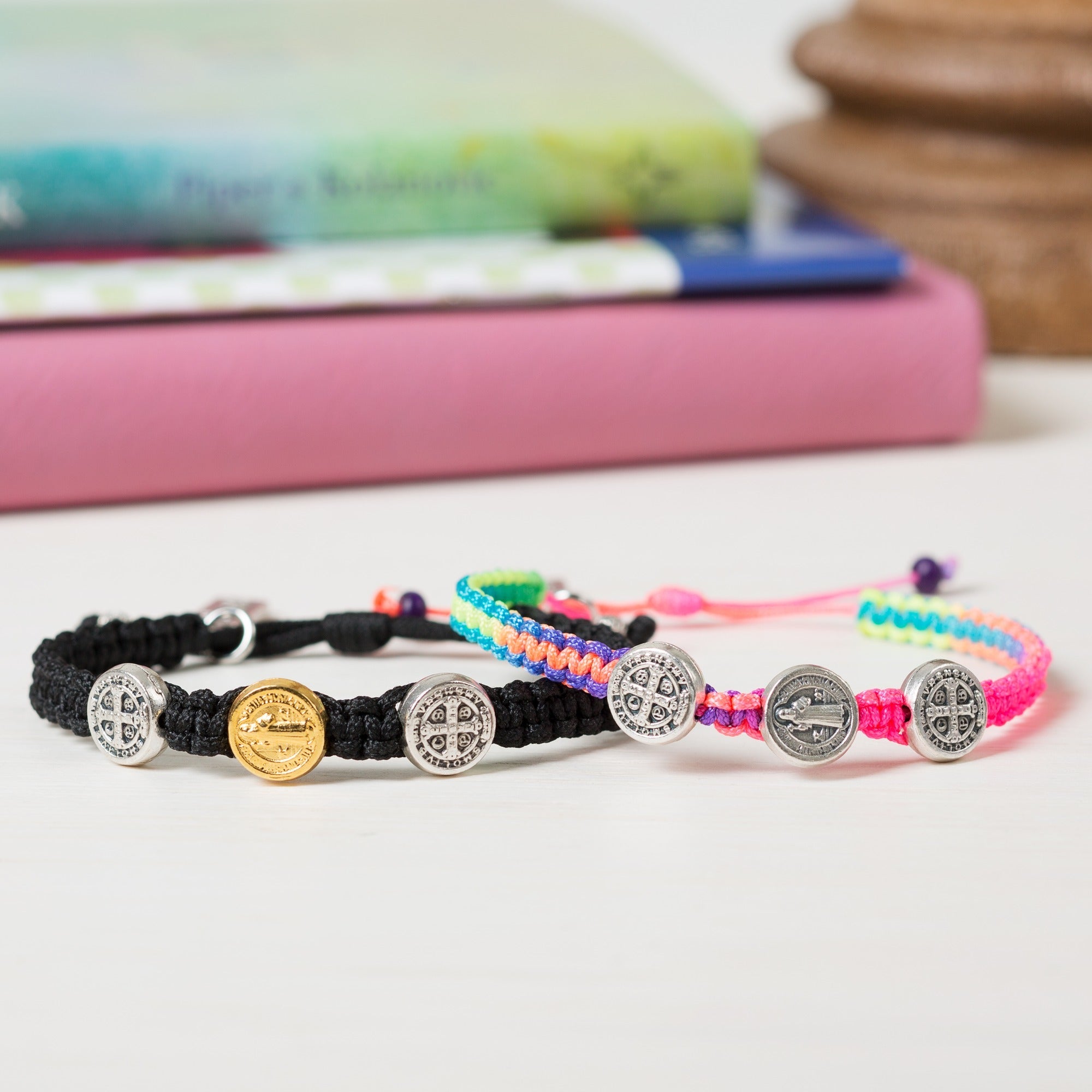
Introduce children to Benedict's inspiring life through our selection of fun and engaging St. Benedict gifts they'll treasure for years to come. From his motto Ora et Labora to his powerful witness of trust in God, his example helps young Catholics grow in faith, virtue, and confidence in the Lord's protection.
[[pray-hope-dont-worry-kids-st-benedict-bracelet-multiple-colors,personalized-st-benedict-prayer-tile]]
Celebrating the Feast of St. Benedict
Benedict's influence shaped both the Church and Western civilization. His example teaches us to seek holiness in everyday life, trust God's protection, and unite prayer and our daily duties as an offering to the Lord.
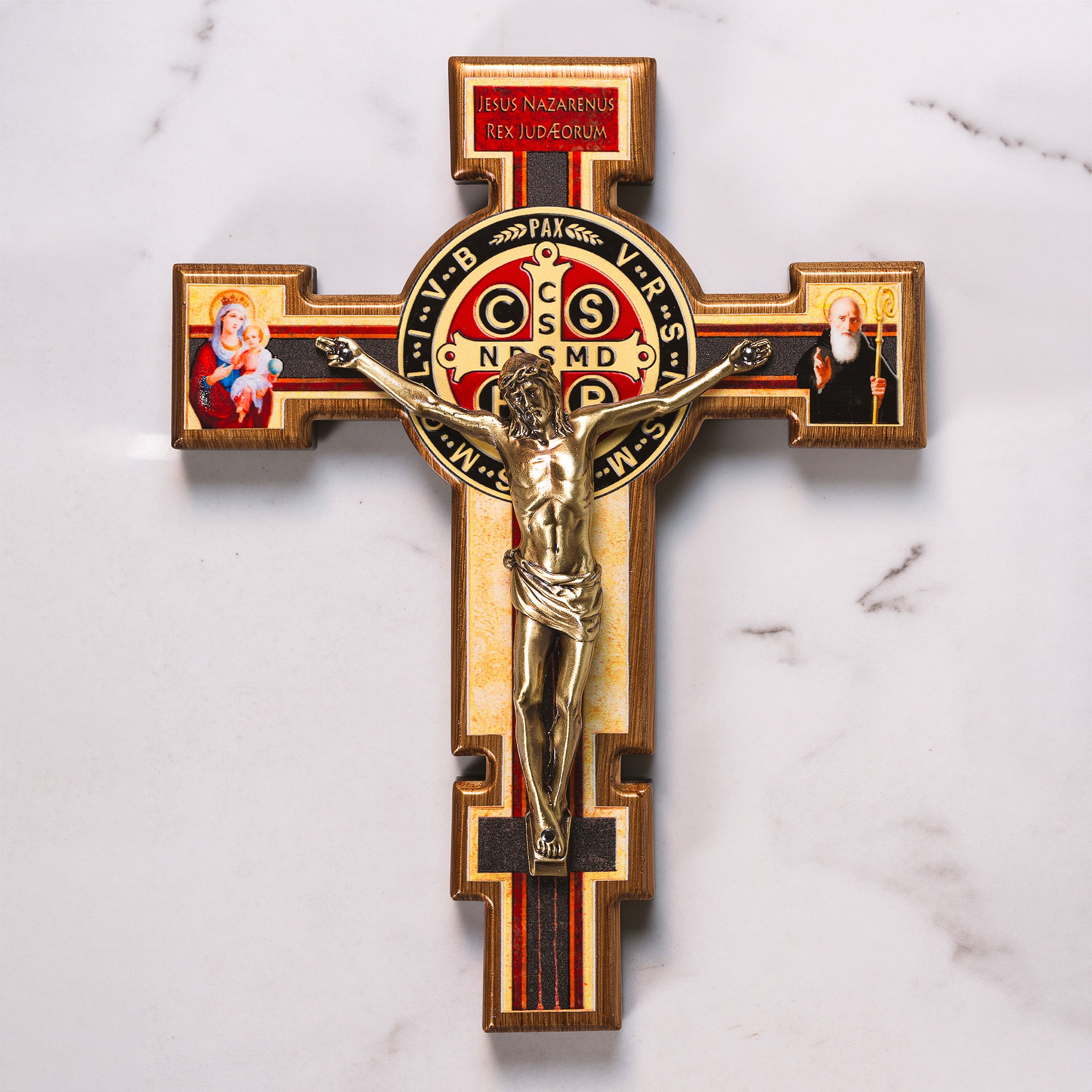
Whether you wear a St. Benedict Medal, pray on a St. Benedict rosary, display a Benedictine crucifix in your home, or simply draw inspiration from his teachings, devotion to St. Benedict can help deepen your faith.
Ask for the intercession and protection of this powerful saint and explore our extensive collection of St. Benedict medals, crucifixes, rosaries, jewelry, and devotional gifts, inspired by the saint whose great legacy continues to guide and protect the faithful. Give, wear, use, and display them as powerful gifts to protect your loved ones and yourself.
[[divine-grace-st-benedict-medal-bracelet-gold-or-silver,st-benedict-spiritual-protection-decade-rosary-with-card]]
See our vast St. Benedict Collection!

The Life of St. Benedict by John McKenzie, OSB, & Mark Brown
Read Next: How to Use the St. Benedict Medal