Every March, I find myself smiling at how enthusiastically Americans (both Catholic and non-Catholic) celebrate St. Patrick’s Day.
I'm not Irish, but I do have a unique perspective here. As the daughter of two Sicilians whose family has celebrated St. Joseph's Day (two days later on March 19) for generations, I marvel at how Irish Americans took their feast day and ran with it!
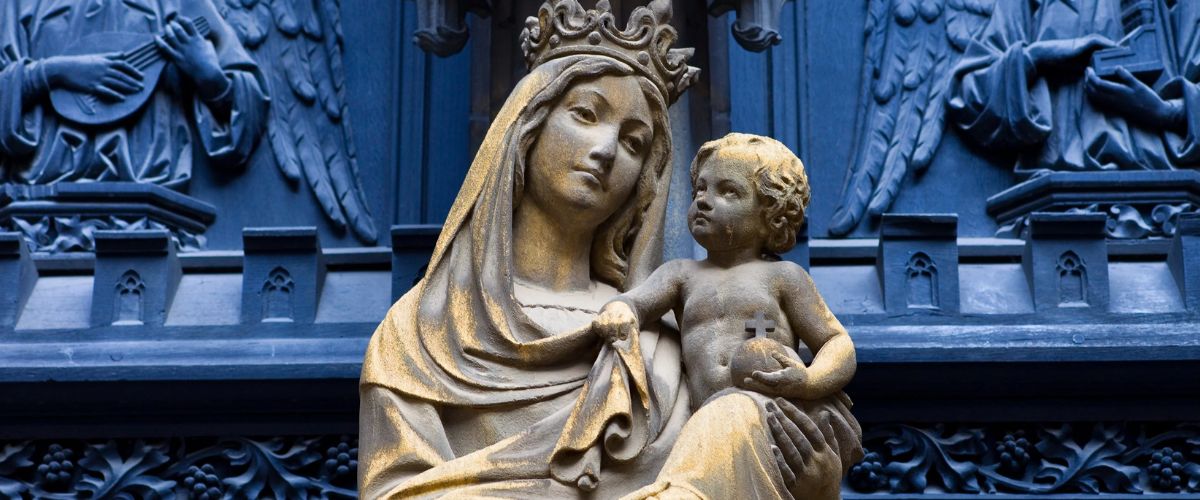
In Italian homes, St. Joseph’s Day means a special altar table, foods, prayers, and traditions that honor the quiet strength of the earthly father of Jesus. But for much of America, Irish or not, St. Patrick's Day fills the streets!
How Irish Immigrants Turned St. Patrick’s Day Into a National Celebration
You have to admire the enthusiasm Irish immigrants brought with them when they arrived in America. They didn’t quietly observe the feast of their beloved patron saint, they celebrated it with joy and pride, sharing their traditions openly with the communities around them.
What began as a religious and cultural celebration among Irish immigrants gradually grew into one of the the most widely recognized saint days in the United States.
Parades, music, and festive gatherings became ways to honor both Irish heritage and the missionary bishop who brought Christianity to Ireland. Over time, cities across the country adopted their own traditions, transforming the day into a lively public celebration.
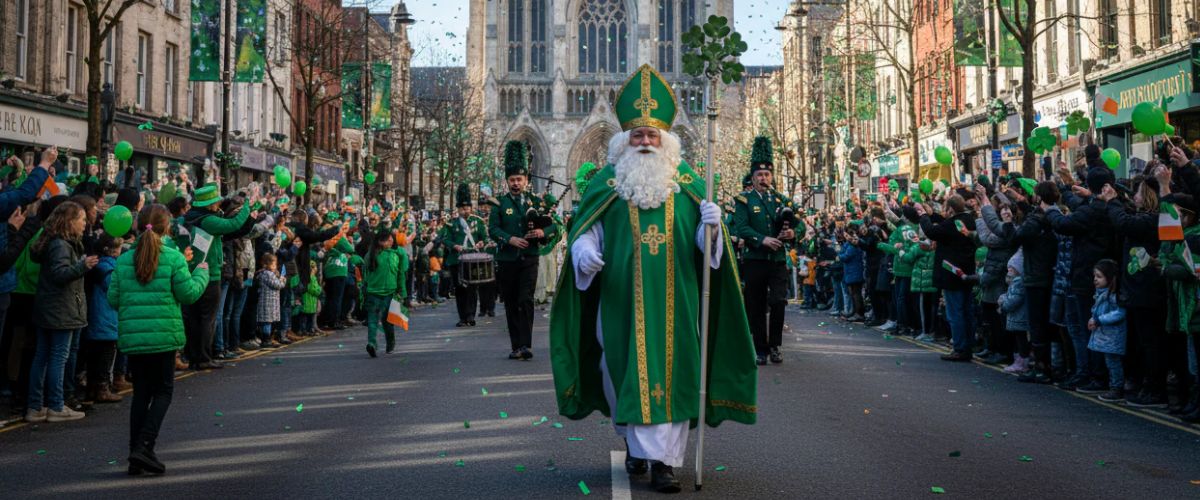
Today, communities large and small host St. Patrick’s Day parades, churches welcome neighbors for festivals, and restaurants feature Irish-inspired food and drink. People of every background join in the fun, wearing green, waving flags, enjoying the music, and celebrating a feast day that has become unmistakably American.
Add Irish dancers, marching bands, and the unmistakable sound of bagpipes, and suddenly St. Patrick’s Day feels less like a simple feast and more like a full cultural festival.
The Deeper Meaning Behind St. Patrick’s Day Celebrations
Behind the bagpipes, leprechaun hats, and green beer, however, is a much deeper aspect of this feast: a joyful desire to celebrate the saints publicly. That is something Catholics of every background can appreciate.
The Irish have helped remind the whole country that the lives of the saints are worth celebrating. Their beloved liturgical feast day has become a nationwide cultural phenomenon celebrating Irish heritage, faith, and community.
Their witness has kept the story of St. Patrick alive. They have introduced generations of Americans who don't share Irish heritage or the Catholic Faith to the great but humble missionary of Ireland, one of the greatest saints of the Church.
From St. Patrick to St. Joseph: Celebrating Patron Saints Across Cultures
As a Sicilian whose family looks forward to honoring St. Joseph each year, I appreciate how Irish Americans have set a high bar when it comes to feasting and festivities. Their enthusiasm invites all of us to celebrate our own patron saints with the same joy and devotion.
That's one of the hidden gifts of St. Patrick’s Day in America. It reminds us that our faith is not only something we believe quietly, in private. It is something worth celebrating together with great enthusiasm.
Whether your family gathers for corned beef on March 17 or a St. Joseph’s table on March 19, both feasts ultimately point us toward the same truth:
The saints continue to guide, inspire, and unite the faithful across cultures and generations. The Church provides models for her children through the lives of her saints.
What the Saints Teach Us About the Path to Heaven
[[book-of-kells-connemara-marble-rosary,st-patrick-prayer-book]]
[[celtic-wall-cross-8,love-laughter-irish-blessing-candle]]
[[sterling-silver-sacred-heart-claddagh-ring,st-patricks-breastplate-prayer-t-shirt]]
Explore our entire Irish Gift Collection.
Frequently Asked Questions About St. Patrick’s Day and the Saints
Is St. Patrick’s Day a religious holiday?
Yes. St. Patrick’s Day is a liturgical feast day in the Catholic Church honoring the life and missionary work of St. Patrick. In many places it is also celebrated culturally with parades, music, and traditional Irish gatherings.
Why do Catholics celebrate St. Patrick’s Day?
Catholics celebrate St. Patrick’s Day on March 17 to honor St. Patrick, the missionary bishop who brought Christianity to Ireland in the 5th century. The feast day remembers his courage, faith, and dedication to preaching the Gospel. While it has become widely celebrated culturally, its roots are deeply religious.
Who was St. Patrick and why is he important?
St. Patrick is the patron saint of Ireland and one of the Church’s great missionaries. After being kidnapped and enslaved in Ireland as a young man, he later returned as a bishop to evangelize the Irish people. His preaching helped establish Christianity throughout Ireland and shaped its Catholic heritage for centuries.
Why is St. Joseph’s Day celebrated on March 19?
The Solemnity of St. Joseph is celebrated on March 19 to honor the husband of the Blessed Virgin Mary and the earthly father of Jesus. St. Joseph is the patron of the universal Church, families, workers, and fathers. In many cultures, especially Italian communities, the day is marked by special foods, prayers, and traditions.
Why are saints’ feast days important for Catholics?
Feast days remind Catholics that the saints are members of our heavenly family who continue to pray for us. Celebrating them helps keep their example alive in our homes and communities, encouraging us to grow in faith, virtue, and love of God.
What can we learn from St. Patrick and St. Joseph?
St. Patrick teaches courage in sharing the faith and trusting God’s call, even in difficult circumstances. St. Joseph shows us quiet strength, humility, and faithful obedience to God’s will. Together they remind us that holiness can take many different forms.
Read Next: What is the Celtic Cross?