

“The rosary is the scourge of the devil.”
Pope Adrian VI
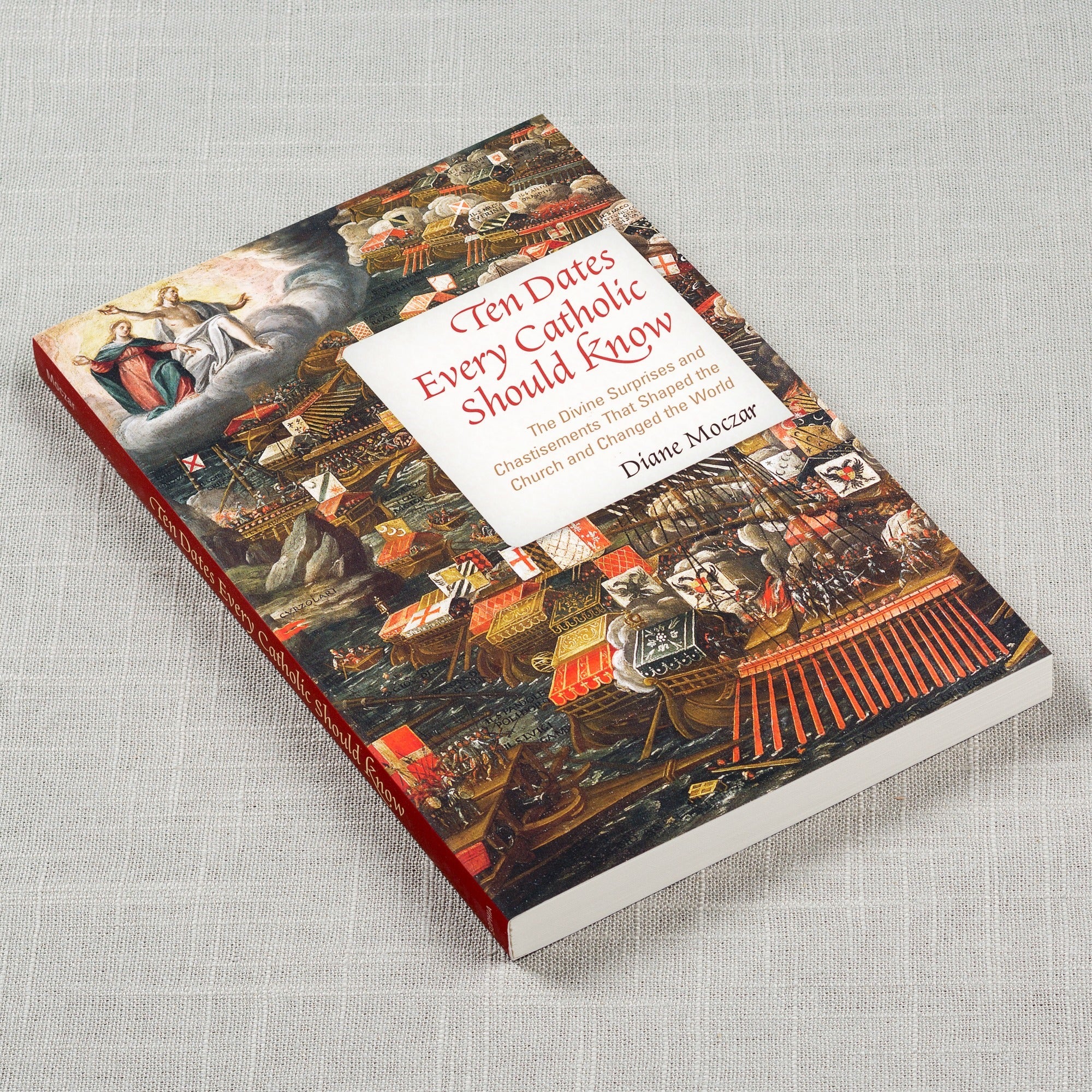
There are moments in history when the spiritual and temporal worlds collide so dramatically that even centuries later, we can feel the tremor. October 7, 1571, was one of those moments.
As we celebrate the feast of Our Lady of the Rosary, which was previously named Our Lady of Victory, It's helpful to understand the magnitude of what happened at Lepanto, and to get a sense of just how dark things looked for Christian Europe in the 1500s.
When Everything Seemed Lost
Picture Europe in the mid-1500s. It was the Renaissance, a time of art, exploration, and innovation. But for faithful Catholics, it must have felt like watching their world begin to crumble. The Protestant Revolt had shattered Christian unity. Religious wars were tearing the continent apart. And while European powers were distracted by their New World adventures and internal conflicts, a terrifying threat was growing in the East.
The Ottoman Empire, under Suleiman the Magnificent, was systematically conquering Christian lands. They had taken Constantinople, enslaved Albania, captured most of Hungary, and seized the island of Rhodes from the Knights of St. John. With each victory, they moved closer to their ultimate goal: Rome itself.
Not everyone seemed to grasp the gravity of the situation. Most European leaders were absorbed in their own problems, responding to the Ottoman threat from a defensive vantage point.
A Pope Who Saw Clearly
One man who understood the stakes was Pope St. Pius V. He desperately appealed to Christian monarchs to unite against the Ottoman and Muslim advance, but was met with indifference. Elizabeth of England had no interest in fighting for Catholic Europe. France was dealing with internal wars and had questionable alliances with the Turks. Spain was distracted by colonial activities in the Americas.
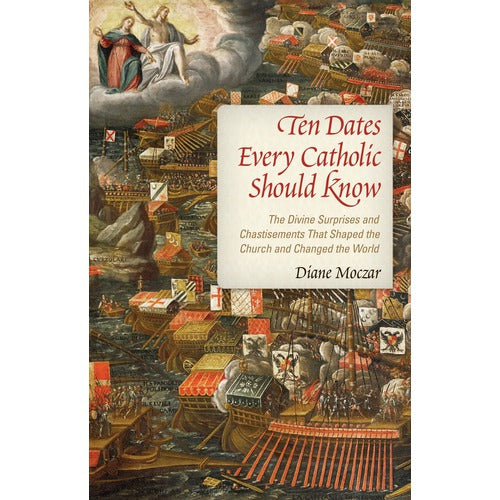
Eventually, a ragtag coalition was assembled, called the Holy League, composed of Spanish, Venetian, and Papal forces under the command of Don Juan of Austria. It was a far cry from the mighty Christian armies of the Crusades. About 208 vessels and 30,000 troops would face an Ottoman fleet of 288 ships with similar manpower.
But here's where the story becomes extraordinary. While the Christians were outgunned and outnumbered, they had something the Ottomans didn't expect.
An Image Travels to War
Half a world away in Mexico, the Archbishop heard about the Ottoman threat and the Christian response. He did something remarkable: he commissioned a copy of the miraculous image of Our Lady of Guadalupe...the same image that had appeared on Juan Diego's tilma just forty years earlier. He touched this copy to the original and sent it to Philip II of Spain with specific instructions: mount it on one of the ships sailing against the Turks.
Mexico was now sailing into battle against the Ottoman Empire. Our Lady of Guadalupe's image was affixed to the mast of Admiral Giovanni Andrea Doria's ship, where it would be visible to both Christian and Muslim forces.
We might wonder what the Ottoman sailors thought when they saw that image - a beautiful woman clothed with the sun, crowned with stars, and standing on a crescent moon, the very symbol of Islam, beneath her feet.
Did they recognize the words from the Song of Songs: "Who is she that cometh forth as the morning rising, fair as the moon, bright as the sun, terrible as an army set in battle array?"

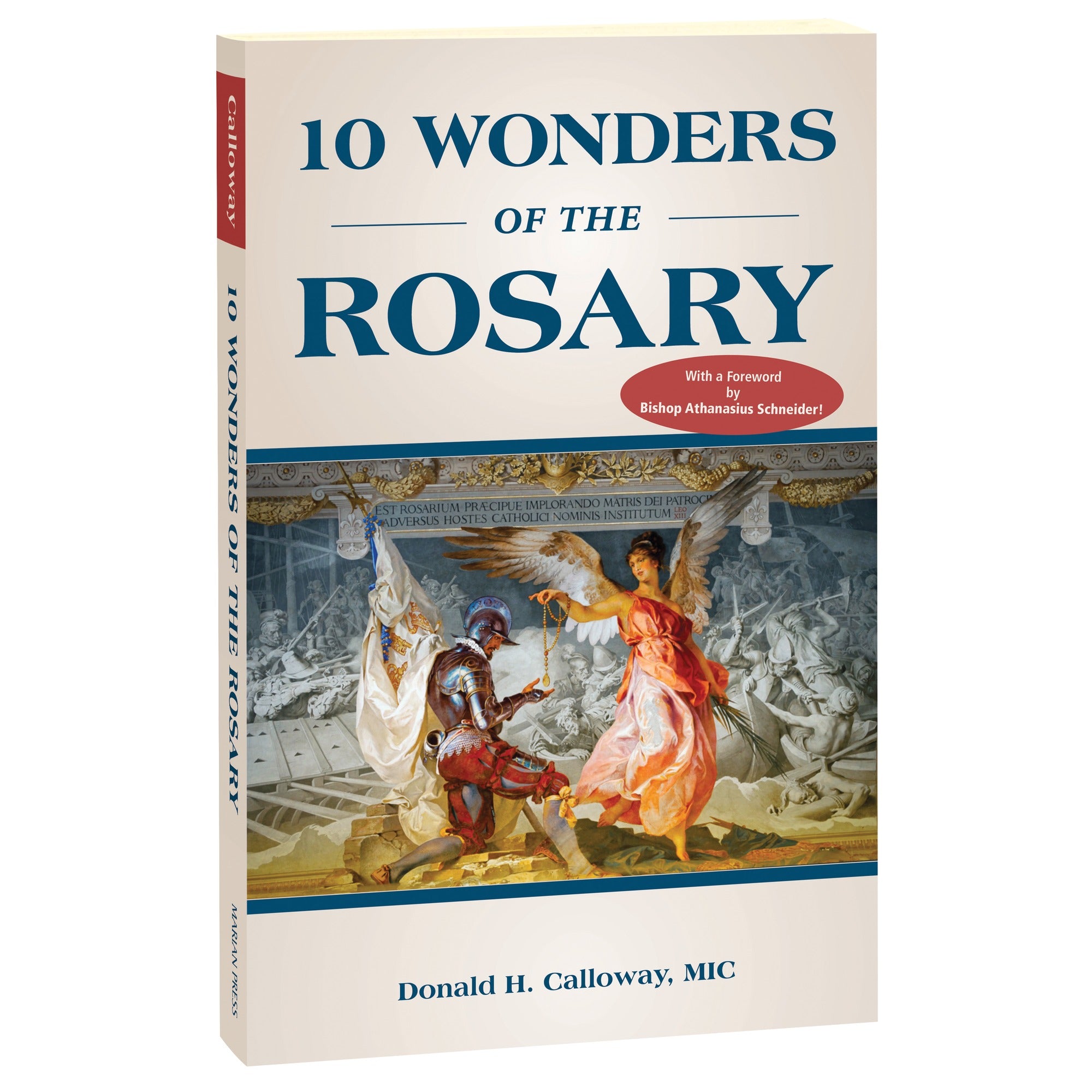
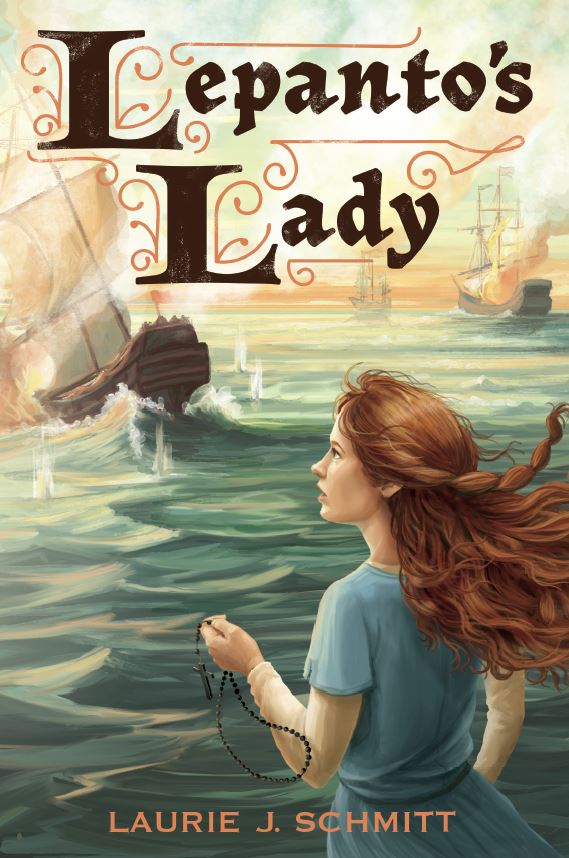
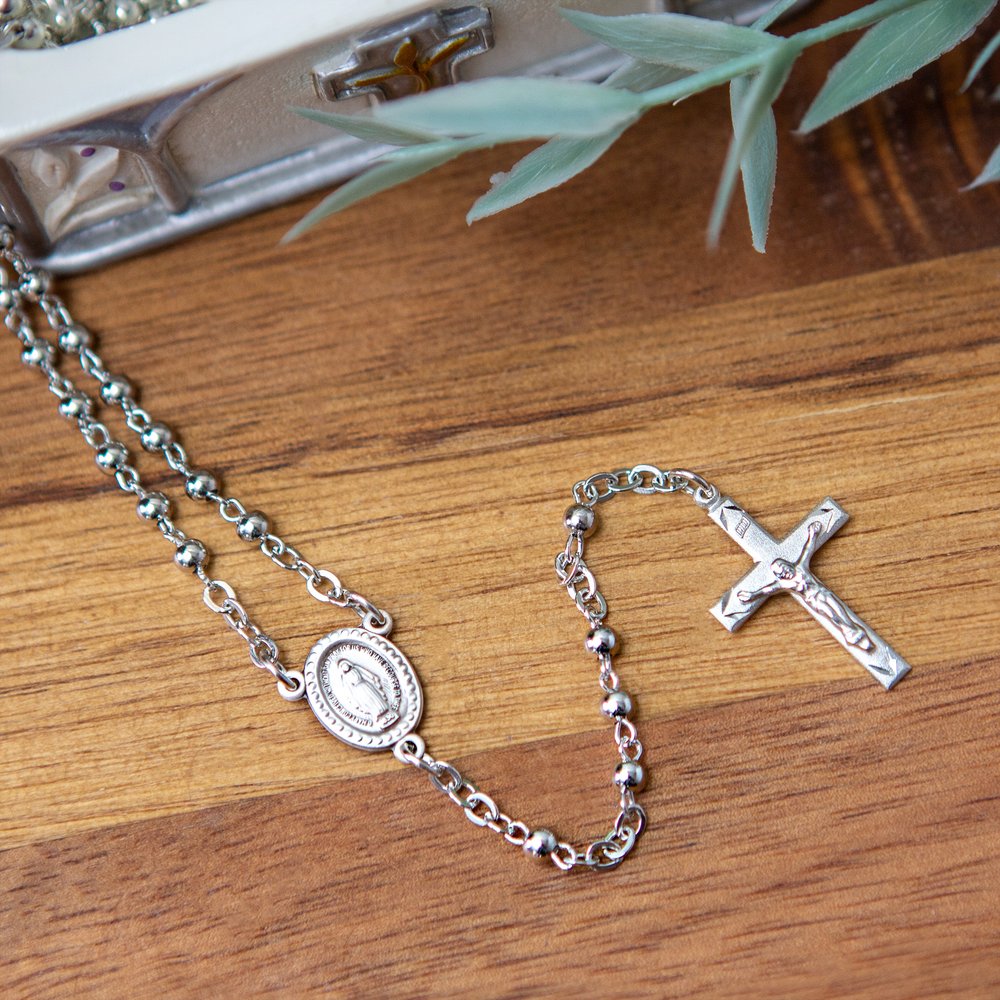
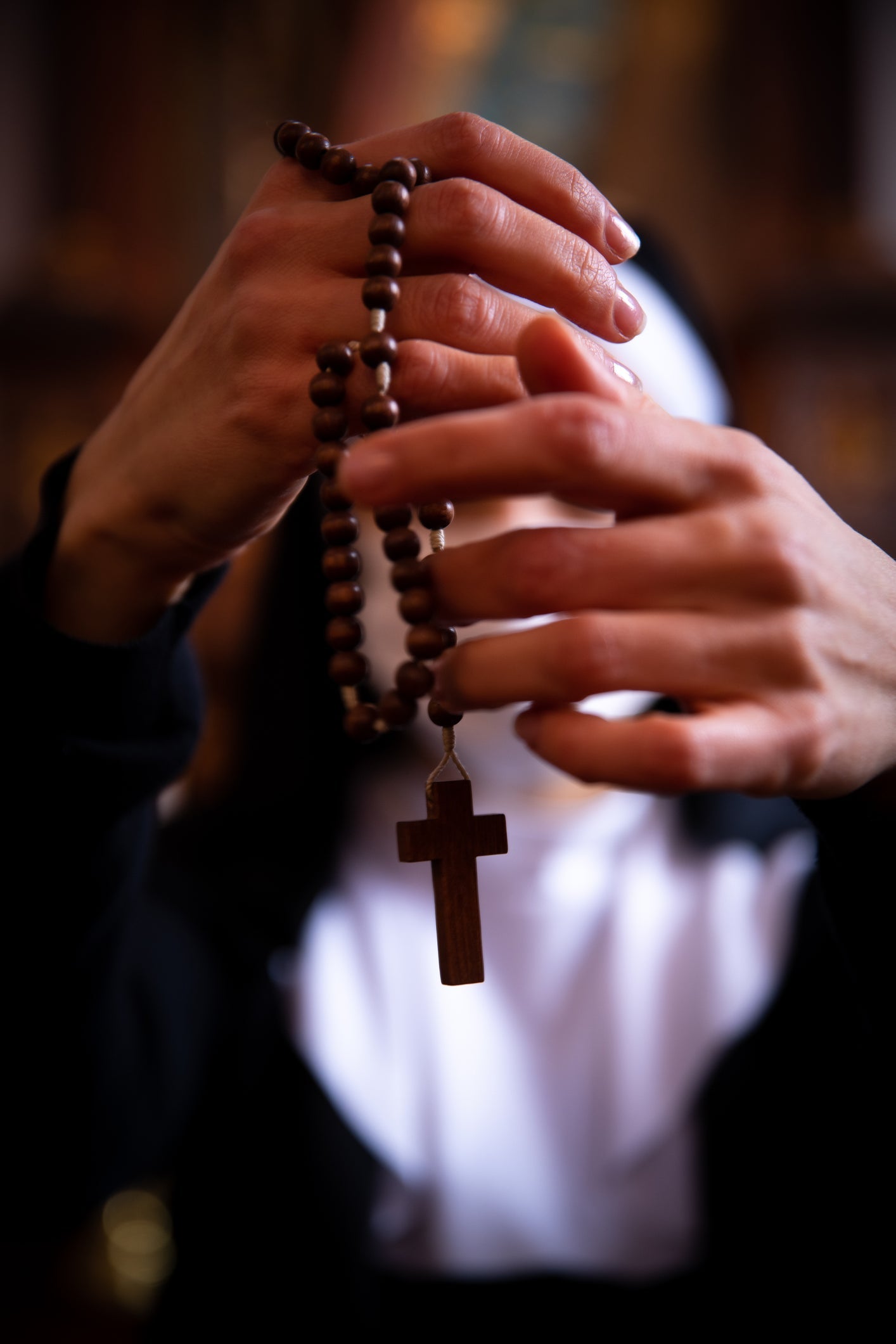
But Our Lady's image wasn't the only spiritual weapon the Christians carried. Pope Pius V had called for all of Christian Europe to pray the Rosary for the success of the mission. Every man in the Holy League was given rosary beads before the battle. On the eve of October 7th, the entire fleet knelt on the decks of their ships and prayed.
This moves me deeply. Here were men facing almost certain death, and their primary preparation wasn't checking their weapons or reviewing battle plans—it was prayer. They understood something we often forget: the most important battles are won on our knees.
When Heaven Intervened
The battle began with the Christians at a disadvantage—the wind was against them. But then something extraordinary happened. The wind changed direction 180 degrees, propelling the Christian ships exactly where they needed to be.
The fighting was fierce and bloody, lasting five hours. Both sides were evenly matched and well-led. But gradually, the tide turned in favor of the Christians. By the end, all but thirteen Turkish galleys had been captured or sunk. The Ottoman threat to Christian Europe was broken.
But perhaps the most remarkable detail is this: back in Rome, at the very moment of victory, Pope Pius V suddenly rose from his desk, went to the window, and told his secretary, "This is not a moment for business; make haste to thank God, because our fleet this moment has won a victory over the Turks." There was no earthly way he could have known this—news wouldn't reach Rome for another nineteen days.
The Victory's True Meaning
The numbers tell part of the story: 8,000 Christians died, but 167 Turkish ships were lost or captured, and 12,000 Christian slaves who had been forced to row Ottoman galleys walked free. But the deeper victory was spiritual. Christian Europe had been saved not by superior military might, but by the intercession of Our Lady through the faithful recitation of her Rosary.
Pope Pius V established the Feast of Our Lady of Victory in thanksgiving, later renamed the Feast of Our Lady of the Rosary. Every October 7th, we remember not just Lepanto, but all the victories—great and small—that Our Lady has won through the Rosary.
What This Means for Us
As we celebrate the feast of Our Lady of the Rosary, we can see how her care extends far beyond the moment of her apparitions. The same Mother who comforted Juan Diego continued to protect her children across oceans and centuries.
Second, how often God works through the most unlikely means. A copy of an image that appeared to an indigenous man in Mexico helped save Christian Europe. The prayers of ordinary people proved more powerful than the mightiest weapons.
Finally, how prayer—especially the Rosary—remains our most potent weapon against the forces that threaten our souls and our world. The same Mother who stood with the Holy League at Lepanto stands with us today in our own battles.
No earthly or spiritual struggle is beyond Our Lady's love and care. She has shown us time and again what she will do for those who have recourse to the Rosary. As we face our own challenges—personal, cultural, spiritual—we can take courage from Lepanto.
Fear nothing. Take up Our Lady's weapon and go bravely into battle.